
Monseñor Romero Center
About Monseñor Romero Center
Description
Located within the Universidad Centroamericana José Simeón Cañas (UCA), the Monseñor Romero Center stands as a powerful testament to El Salvador's complex history and the legacy of Archbishop Óscar Romero. Y'know, this isn't your typical museum - it's a place that'll genuinely move you and make you think about human rights and social justice in ways you probably haven't before. The center commemorates not just Archbishop Romero, who was tragically assassinated while celebrating Mass in 1980, but also honors the memory of six Jesuit priests and two women who were murdered on the university campus during El Salvador's civil war. I remember being particularly struck by how the exhibits manage to balance historical facts with deeply personal stories.Key Features
• Original artifacts and personal belongings of Monseñor Romero, including his modest living quarters that really show you the humble way he lived • Detailed exhibits chronicling El Salvador's civil war period and its impact on society • Bilingual displays in both Spanish and English that make the content accessible to international visitors • A dedicated space honoring the Jesuit martyrs with preserved historical documents • Interactive educational areas that help visitors understand the significance of these events in modern context • Photography collection showcasing key moments in Romero's life and ministry • Memorial garden offering a peaceful space for reflection • Professionally guided tours that provide deep insights into this period of historyBest Time to Visit
The center's indoor location means you can visit year-round, but I'd suggest planning your visit for weekday mornings when student groups are less frequent and you can take your time exploring the exhibits. The guided tours usually run from Tuesday through Saturday, and from my experience, the morning sessions around 9 AM tend to be less crowded. Avoid visiting during national holidays or religious celebrations related to Monseñor Romero's feast day (March 24th) unless you specifically want to experience these commemorative events - though they're incredibly moving, they can get pretty packed.How to Get There
Getting to the Monseñor Romero Center isn't too tricky since it's located on the UCA campus in San Salvador. If you're staying in the city center, any taxi driver will know the place - just ask for "Centro Monseñor Romero en la UCA." I've found that ride-sharing apps work great here too. If you're feeling adventurous and want to take public transportation, several bus routes stop near the university. But honestly? I'd recommend taking a taxi or arranged transportation - it's safer and way less confusing, especially if you're not familiar with the local bus system.Tips for Visiting
Listen, I learned a few things the hard way during my visits, so let me save you some trouble. First off, bring your camera - photography is allowed in most areas, and you'll definitely want to document this experience. But remember to be respectful, especially in the memorial spaces. Plan to spend at least 2-3 hours here if you want to really take everything in. The guided tours are absolutely worth it - they're usually free, but consider leaving a donation to support the center's work. The guides share incredible insights you won't get just walking around on your own. Wear comfortable shoes because you'll be doing quite a bit of walking. The center is wheelchair accessible, which is great for visitors with mobility needs. There are restrooms on-site, but no restaurant, so maybe grab a bite before or after your visit. Oh, and here's something most guidebooks won't tell you - bring a small notebook. Trust me on this one. There's so much powerful information and so many moving stories, you'll want to jot things down. I still look back at my notes from my first visit. While most exhibits have English translations, downloading a Spanish dictionary app beforehand wouldn't hurt - sometimes there are temporary exhibits or documents that aren't fully translated. And definitely try to strike up a conversation with the staff if you can - they're incredibly knowledgeable and often have personal connections to the history presented here. Some of the most impactful moments of my visits have come from these unplanned interactions. Remember, this isn't just another tourist stop - it's a place that tells an important story about human rights, faith, and social justice. Give yourself time to process what you're seeing and learning. The experience can be emotionally heavy, but it's incredibly worthwhile and will give you a deeper understanding of El Salvador's history and people.Key Features
- Key Features
- Best Time to Visit
- How to Get There
- Tips for Visiting
More Details
Updated June 24, 2025
Table of Contents
Description
Located within the Universidad Centroamericana José Simeón Cañas (UCA), the Monseñor Romero Center stands as a powerful testament to El Salvador’s complex history and the legacy of Archbishop Óscar Romero. Y’know, this isn’t your typical museum – it’s a place that’ll genuinely move you and make you think about human rights and social justice in ways you probably haven’t before.
The center commemorates not just Archbishop Romero, who was tragically assassinated while celebrating Mass in 1980, but also honors the memory of six Jesuit priests and two women who were murdered on the university campus during El Salvador’s civil war. I remember being particularly struck by how the exhibits manage to balance historical facts with deeply personal stories.
Key Features
• Original artifacts and personal belongings of Monseñor Romero, including his modest living quarters that really show you the humble way he lived
• Detailed exhibits chronicling El Salvador’s civil war period and its impact on society
• Bilingual displays in both Spanish and English that make the content accessible to international visitors
• A dedicated space honoring the Jesuit martyrs with preserved historical documents
• Interactive educational areas that help visitors understand the significance of these events in modern context
• Photography collection showcasing key moments in Romero’s life and ministry
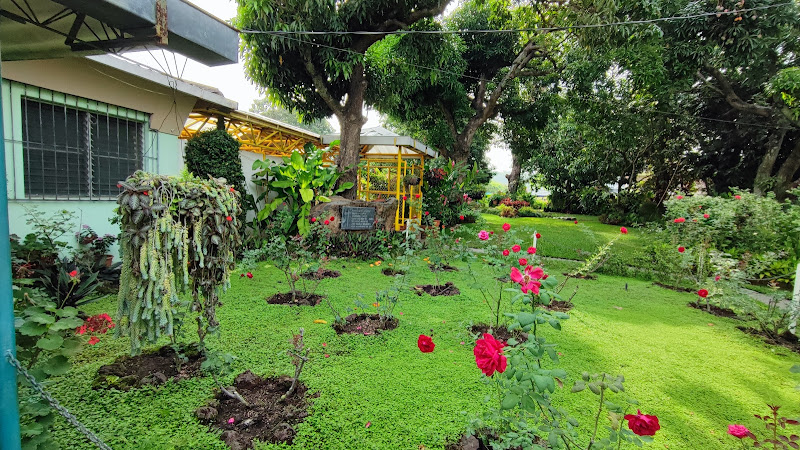
• Memorial garden offering a peaceful space for reflection
• Professionally guided tours that provide deep insights into this period of history
Best Time to Visit
The center’s indoor location means you can visit year-round, but I’d suggest planning your visit for weekday mornings when student groups are less frequent and you can take your time exploring the exhibits. The guided tours usually run from Tuesday through Saturday, and from my experience, the morning sessions around 9 AM tend to be less crowded.
Avoid visiting during national holidays or religious celebrations related to Monseñor Romero’s feast day (March 24th) unless you specifically want to experience these commemorative events – though they’re incredibly moving, they can get pretty packed.
How to Get There
Getting to the Monseñor Romero Center isn’t too tricky since it’s located on the UCA campus in San Salvador. If you’re staying in the city center, any taxi driver will know the place – just ask for “Centro Monseñor Romero en la UCA.” I’ve found that ride-sharing apps work great here too.
If you’re feeling adventurous and want to take public transportation, several bus routes stop near the university. But honestly? I’d recommend taking a taxi or arranged transportation – it’s safer and way less confusing, especially if you’re not familiar with the local bus system.
Tips for Visiting
Listen, I learned a few things the hard way during my visits, so let me save you some trouble. First off, bring your camera – photography is allowed in most areas, and you’ll definitely want to document this experience. But remember to be respectful, especially in the memorial spaces.
Plan to spend at least 2-3 hours here if you want to really take everything in. The guided tours are absolutely worth it – they’re usually free, but consider leaving a donation to support the center’s work. The guides share incredible insights you won’t get just walking around on your own.
Wear comfortable shoes because you’ll be doing quite a bit of walking. The center is wheelchair accessible, which is great for visitors with mobility needs. There are restrooms on-site, but no restaurant, so maybe grab a bite before or after your visit.
Oh, and here’s something most guidebooks won’t tell you – bring a small notebook. Trust me on this one. There’s so much powerful information and so many moving stories, you’ll want to jot things down. I still look back at my notes from my first visit.
While most exhibits have English translations, downloading a Spanish dictionary app beforehand wouldn’t hurt – sometimes there are temporary exhibits or documents that aren’t fully translated.
And definitely try to strike up a conversation with the staff if you can – they’re incredibly knowledgeable and often have personal connections to the history presented here. Some of the most impactful moments of my visits have come from these unplanned interactions.
Remember, this isn’t just another tourist stop – it’s a place that tells an important story about human rights, faith, and social justice. Give yourself time to process what you’re seeing and learning. The experience can be emotionally heavy, but it’s incredibly worthwhile and will give you a deeper understanding of El Salvador’s history and people.
Key Highlights
- Key Features
- Best Time to Visit
- How to Get There
- Tips for Visiting
Location
Places to Stay Near Monseñor Romero Center
Find and Book a Tour
Explore More Travel Guides
No reviews found! Be the first to review!
Traveler Reviews for Monseñor Romero Center
There are no reviews yet. Be the first one to write one.
Have you visited Monseñor Romero Center? Help other travelers by sharing your review.
You Might Also Like

Discover Coatepeque
Cascadas de Don Juan

Lago de Coatepeque
Find Accommodations Nearby
Recommended Tours & Activities
Visitor Reviews
There are no reviews yet. Be the first one to write one.
Share Your Experience
Have you visited Monseñor Romero Center? Help other travelers by leaving a review.