
John Ball Zoo
About John Ball Zoo
Description
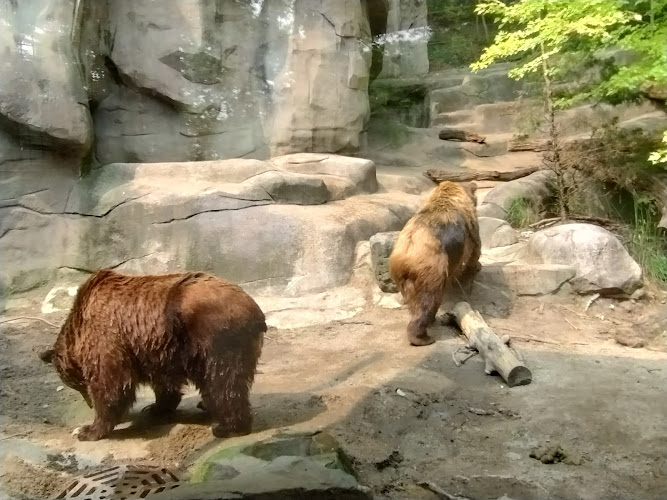
John Ball Zoo stands as one of Michigan's most beloved wildlife destinations, tucked into Grand Rapids where over 2,000 animals call this 150-acre property home. I've always found it remarkable how this zoo manages to balance being both an intimate experience and a comprehensive wildlife park all at once. Unlike some of those massive zoos where you need a full marathon's worth of energy just to see half the exhibits, this place feels approachable without sacrificing the wow factor. The zoo operates seasonally, which honestly makes each visit feel a bit more special – there's something about knowing it won't be here year-round that adds a certain anticipation to planning your trip. And speaking of special, they've got this funicular ride that takes visitors up the hillside, giving you this bird's-eye perspective of the grounds that's pretty spectacular. It's not just a gimmick either; the elevation change across the property makes this little railway actually useful for getting around. What really sets John Ball Zoo apart from other regional attractions is how they've designed interactive experiences that go beyond just looking at animals through glass. The penguin and parakeet feeding opportunities let visitors get genuinely close to these creatures in ways that create lasting memories. I remember watching a kid's face light up when a parakeet landed on their shoulder – that's the kind of moment you can't manufacture at just any tourist spot. The facility welcomes roughly 600,000 visitors annually, which tells you something about its draw in the region. But here's the thing – even with those numbers, the zoo rarely feels overwhelmingly crowded if you time your visit right. The layout spreads people out naturally across different zones and habitats, from the African savanna exhibit to the Australian walkabout area.Key Features
John Ball Zoo packs in experiences that cater to different interests and age groups, making it a solid destination whether you're traveling with family, as a couple, or even solo if you're an animal enthusiast.- More than 2,000 animals representing species from six continents, including rare and endangered creatures you won't spot at every zoo
- Funicular railway that climbs the hillside terrain, offering panoramic views and practical transportation between exhibits
- Interactive feeding sessions with African penguins and colorful parakeets that get you closer to wildlife than standard viewing areas
- Petting zoo area where younger visitors can touch and interact with domesticated animals in a supervised setting
- Seasonal lantern festival that transforms the entire zoo into an illuminated wonderland after dark
- On-site café serving meals and snacks, so you don't need to leave when hunger strikes mid-visit
- Playground facilities giving kids a chance to burn off energy between animal exhibits
- Full accessibility features including wheelchair-accessible entrances, parking, and restrooms throughout the property
- Guided tour options for those wanting expert knowledge about the animals and conservation efforts
- Gift shop stocked with animal-themed souvenirs and educational materials
- Gender-neutral restroom facilities and LGBTQ+ friendly environment
- Free parking lot, which honestly is a blessing compared to some attractions that charge almost as much for parking as admission
Best Time to Visit
Timing your visit to John Ball Zoo can make the difference between a pleasant afternoon and an absolutely magical experience. The zoo operates seasonally from late spring through fall, typically opening in May and closing in October or early November, though you'll want to check their specific calendar as dates shift slightly each year. If you're asking me, weekday mornings during the school year are golden. September and early October particularly shine because the weather's cooled down enough that you're not melting in the Michigan humidity, but it's still warm enough that all the animals are active and visible. Plus, most families are locked into school schedules, so the crowds thin out considerably compared to summer months. Summer obviously draws the biggest crowds – June through August sees families taking advantage of vacation time. But here's a secret: even during peak season, arriving right when gates open gives you maybe an hour or two of relatively peaceful animal watching before the afternoon rush hits. Animals tend to be more active in morning hours anyway, before the heat of the day sends them seeking shade. The lantern festival, typically held in late summer and fall, deserves its own consideration. This after-hours event showcases elaborate illuminated displays throughout the zoo grounds, creating an entirely different atmosphere than daytime visits. It does attract substantial crowds though, so purchasing tickets well in advance isn't just recommended – it's basically essential if you don't want disappointment. Weather-wise, you're dealing with Michigan's temperamental climate. Spring visits in May can be gorgeous or chilly and rainy – it's honestly a gamble. Late May through June offers the best combination of mild temperatures and animal activity as many species have new babies to show off. Just pack layers because Michigan weather changes its mind more frequently than a toddler choosing their outfit. Avoid the absolute hottest days if you can help it. When temperatures push into the 90s, many animals retreat to cooler areas and you'll spend more time seeking air-conditioned spaces than actually enjoying exhibits.How to Get There
John Ball Zoo sits on the west side of Grand Rapids, making it accessible whether you're flying in or driving from neighboring states. For those coming from outside Michigan, Gerald R. Ford International Airport is your closest major airport, located about 20 minutes from the zoo depending on traffic conditions. If you're driving – which most visitors do – the zoo is right off Interstate 196. Take the West Fulton Street exit and you'll spot signs directing you the rest of the way. The property sits at the intersection of Fulton Street and Valley Avenue, hard to miss once you're in the neighborhood. Free parking right on-site means you won't be circling blocks looking for a spot or feeding quarters into meters. Coming from Chicago? You're looking at about a three-hour drive eastward along I-196. Detroit visitors head west on I-96 for roughly two and a half hours. The zoo's location makes it a reasonable day trip from most Michigan cities and even from northern Indiana or southern Wisconsin if you don't mind some windshield time. Public transportation exists through The Rapid, Grand Rapids' bus system, though I'll be honest – having your own vehicle makes the trip simpler. The buses do service the area around the zoo, but routes and timing might not align perfectly with your schedule, particularly if you're planning to spend several hours exploring. Ride-sharing services like Uber and Lyft operate throughout Grand Rapids and can get you to and from the zoo without trouble. This actually makes sense if you're staying downtown and don't want to deal with parking or navigation. Just factor in that getting a ride back might take a few extra minutes during peak times when everyone's leaving at once.Tips for Visiting
Walking into John Ball Zoo prepared makes all the difference between an exhausting trudge and an enjoyable adventure. First things first – buy your tickets ahead of time online. Yeah, you can purchase at the gate, but you'll save a few bucks and skip the admission line entirely. During busy periods, that line can eat up 30-45 minutes of your day that you'd rather spend watching lions. Wear comfortable shoes, and I mean really comfortable. You're going to cover several miles wandering between exhibits, often on hills thanks to the property's natural topography. Those cute sandals might seem fine in the parking lot, but your feet will stage a revolt by the time you reach the third habitat zone. Athletic shoes or broken-in walking shoes are your friends here. Bring refillable water bottles. The zoo has filling stations scattered around, and staying hydrated costs nothing if you come prepared. Buying bottled water throughout the day adds up quick, and you'll need to drink more than you think, especially during warmer months. The café serves decent food at typical attraction prices – not outrageous but not cheap either. If budget matters, packing snacks or even a full lunch works fine. The zoo allows outside food, and there are picnic areas where you can sit and eat what you brought. I usually pack granola bars and fruit at minimum because hunger hits when it hits, not according to your schedule. Timing your visit around feeding times and keeper talks adds tremendous value to the experience. These scheduled events happen throughout the day at different exhibits, and watching a keeper explain animal behaviors while feeding them beats staring at a sleeping tiger any day. Check the daily schedule when you arrive and plan your route accordingly. Don't skip the penguin feeding experience if it's available during your visit. Yes, there's an additional cost beyond admission, but getting that close to African penguins while they waddle around grabbing fish creates memories that last way longer than most souvenirs. Same goes for the parakeet encounter – for a few dollars, you can enter their habitat with a seed stick and have these colorful birds landing on you. If you're visiting with young children, pace yourselves. Kids get overstimulated and tired quickly when there's this much to see. Hit their favorite animals first while energy levels are high, build in playground time to let them decompress, and don't feel pressured to see absolutely everything in one visit. The funicular railway isn't just a fun novelty – use it strategically. The zoo sits on hillside terrain, and walking up those slopes repeatedly wears you down. Taking the funicular up and walking down feels much easier than the reverse. Plus, the view from the top gives you perspective on the whole layout. Bathrooms and hand-washing stations are distributed throughout, but not always right where you urgently need them. Note their locations on the map when you enter. With young kids especially, knowing where the nearest facilities are prevents emergency sprints across the zoo. Check weather forecasts and prepare accordingly. Michigan can throw curveballs – bring rain jackets if there's any chance of showers, sunscreen when it's sunny, and layers you can shed or add as temperatures shift. Many exhibits are outdoors, so you're at nature's mercy for much of your visit. Finally, remember that animals don't perform on command. Some days the big cats are active and playful. Other days they're napping in spots barely visible from viewing areas. That's wildlife for you – unpredictable but authentic. The zoo does an excellent job creating naturalistic habitats, which sometimes means animals can retreat from view. Patience usually pays off if you wait a few minutes at exhibits that initially seem empty.Key Features
- Extensive animal collection (over 2,000 animals across diverse species)
- Interactive exhibits and animal-touch opportunities (petting corral, tactile displays)
- Indoor and outdoor viewing areas suitable year-round
- Adventure attractions: zipline, multi-story ropes course, funicular
- Conservation and education programs focused on species protection and community engagement
More Details
Updated March 30, 2026
Table of Contents
Description
John Ball Zoo stands as one of Michigan’s most beloved wildlife destinations, tucked into Grand Rapids where over 2,000 animals call this 150-acre property home. I’ve always found it remarkable how this zoo manages to balance being both an intimate experience and a comprehensive wildlife park all at once. Unlike some of those massive zoos where you need a full marathon’s worth of energy just to see half the exhibits, this place feels approachable without sacrificing the wow factor.
The zoo operates seasonally, which honestly makes each visit feel a bit more special – there’s something about knowing it won’t be here year-round that adds a certain anticipation to planning your trip. And speaking of special, they’ve got this funicular ride that takes visitors up the hillside, giving you this bird’s-eye perspective of the grounds that’s pretty spectacular. It’s not just a gimmick either; the elevation change across the property makes this little railway actually useful for getting around.
What really sets John Ball Zoo apart from other regional attractions is how they’ve designed interactive experiences that go beyond just looking at animals through glass. The penguin and parakeet feeding opportunities let visitors get genuinely close to these creatures in ways that create lasting memories. I remember watching a kid’s face light up when a parakeet landed on their shoulder – that’s the kind of moment you can’t manufacture at just any tourist spot.
The facility welcomes roughly 600,000 visitors annually, which tells you something about its draw in the region. But here’s the thing – even with those numbers, the zoo rarely feels overwhelmingly crowded if you time your visit right. The layout spreads people out naturally across different zones and habitats, from the African savanna exhibit to the Australian walkabout area.
Key Features
John Ball Zoo packs in experiences that cater to different interests and age groups, making it a solid destination whether you’re traveling with family, as a couple, or even solo if you’re an animal enthusiast.
- More than 2,000 animals representing species from six continents, including rare and endangered creatures you won’t spot at every zoo
- Funicular railway that climbs the hillside terrain, offering panoramic views and practical transportation between exhibits
- Interactive feeding sessions with African penguins and colorful parakeets that get you closer to wildlife than standard viewing areas
- Petting zoo area where younger visitors can touch and interact with domesticated animals in a supervised setting
- Seasonal lantern festival that transforms the entire zoo into an illuminated wonderland after dark
- On-site café serving meals and snacks, so you don’t need to leave when hunger strikes mid-visit
- Playground facilities giving kids a chance to burn off energy between animal exhibits
- Full accessibility features including wheelchair-accessible entrances, parking, and restrooms throughout the property
- Guided tour options for those wanting expert knowledge about the animals and conservation efforts
- Gift shop stocked with animal-themed souvenirs and educational materials
- Gender-neutral restroom facilities and LGBTQ+ friendly environment
- Free parking lot, which honestly is a blessing compared to some attractions that charge almost as much for parking as admission
Best Time to Visit
Timing your visit to John Ball Zoo can make the difference between a pleasant afternoon and an absolutely magical experience. The zoo operates seasonally from late spring through fall, typically opening in May and closing in October or early November, though you’ll want to check their specific calendar as dates shift slightly each year.
If you’re asking me, weekday mornings during the school year are golden. September and early October particularly shine because the weather’s cooled down enough that you’re not melting in the Michigan humidity, but it’s still warm enough that all the animals are active and visible. Plus, most families are locked into school schedules, so the crowds thin out considerably compared to summer months.
Summer obviously draws the biggest crowds – June through August sees families taking advantage of vacation time. But here’s a secret: even during peak season, arriving right when gates open gives you maybe an hour or two of relatively peaceful animal watching before the afternoon rush hits. Animals tend to be more active in morning hours anyway, before the heat of the day sends them seeking shade.
The lantern festival, typically held in late summer and fall, deserves its own consideration. This after-hours event showcases elaborate illuminated displays throughout the zoo grounds, creating an entirely different atmosphere than daytime visits. It does attract substantial crowds though, so purchasing tickets well in advance isn’t just recommended – it’s basically essential if you don’t want disappointment.
Weather-wise, you’re dealing with Michigan’s temperamental climate. Spring visits in May can be gorgeous or chilly and rainy – it’s honestly a gamble. Late May through June offers the best combination of mild temperatures and animal activity as many species have new babies to show off. Just pack layers because Michigan weather changes its mind more frequently than a toddler choosing their outfit.
Avoid the absolute hottest days if you can help it. When temperatures push into the 90s, many animals retreat to cooler areas and you’ll spend more time seeking air-conditioned spaces than actually enjoying exhibits.
How to Get There
John Ball Zoo sits on the west side of Grand Rapids, making it accessible whether you’re flying in or driving from neighboring states. For those coming from outside Michigan, Gerald R. Ford International Airport is your closest major airport, located about 20 minutes from the zoo depending on traffic conditions.
If you’re driving – which most visitors do – the zoo is right off Interstate 196. Take the West Fulton Street exit and you’ll spot signs directing you the rest of the way. The property sits at the intersection of Fulton Street and Valley Avenue, hard to miss once you’re in the neighborhood. Free parking right on-site means you won’t be circling blocks looking for a spot or feeding quarters into meters.
Coming from Chicago? You’re looking at about a three-hour drive eastward along I-196. Detroit visitors head west on I-96 for roughly two and a half hours. The zoo’s location makes it a reasonable day trip from most Michigan cities and even from northern Indiana or southern Wisconsin if you don’t mind some windshield time.
Public transportation exists through The Rapid, Grand Rapids’ bus system, though I’ll be honest – having your own vehicle makes the trip simpler. The buses do service the area around the zoo, but routes and timing might not align perfectly with your schedule, particularly if you’re planning to spend several hours exploring.
Ride-sharing services like Uber and Lyft operate throughout Grand Rapids and can get you to and from the zoo without trouble. This actually makes sense if you’re staying downtown and don’t want to deal with parking or navigation. Just factor in that getting a ride back might take a few extra minutes during peak times when everyone’s leaving at once.
Tips for Visiting
Walking into John Ball Zoo prepared makes all the difference between an exhausting trudge and an enjoyable adventure. First things first – buy your tickets ahead of time online. Yeah, you can purchase at the gate, but you’ll save a few bucks and skip the admission line entirely. During busy periods, that line can eat up 30-45 minutes of your day that you’d rather spend watching lions.
Wear comfortable shoes, and I mean really comfortable. You’re going to cover several miles wandering between exhibits, often on hills thanks to the property’s natural topography. Those cute sandals might seem fine in the parking lot, but your feet will stage a revolt by the time you reach the third habitat zone. Athletic shoes or broken-in walking shoes are your friends here.
Bring refillable water bottles. The zoo has filling stations scattered around, and staying hydrated costs nothing if you come prepared. Buying bottled water throughout the day adds up quick, and you’ll need to drink more than you think, especially during warmer months.
The café serves decent food at typical attraction prices – not outrageous but not cheap either. If budget matters, packing snacks or even a full lunch works fine. The zoo allows outside food, and there are picnic areas where you can sit and eat what you brought. I usually pack granola bars and fruit at minimum because hunger hits when it hits, not according to your schedule.
Timing your visit around feeding times and keeper talks adds tremendous value to the experience. These scheduled events happen throughout the day at different exhibits, and watching a keeper explain animal behaviors while feeding them beats staring at a sleeping tiger any day. Check the daily schedule when you arrive and plan your route accordingly.
Don’t skip the penguin feeding experience if it’s available during your visit. Yes, there’s an additional cost beyond admission, but getting that close to African penguins while they waddle around grabbing fish creates memories that last way longer than most souvenirs. Same goes for the parakeet encounter – for a few dollars, you can enter their habitat with a seed stick and have these colorful birds landing on you.
If you’re visiting with young children, pace yourselves. Kids get overstimulated and tired quickly when there’s this much to see. Hit their favorite animals first while energy levels are high, build in playground time to let them decompress, and don’t feel pressured to see absolutely everything in one visit.
The funicular railway isn’t just a fun novelty – use it strategically. The zoo sits on hillside terrain, and walking up those slopes repeatedly wears you down. Taking the funicular up and walking down feels much easier than the reverse. Plus, the view from the top gives you perspective on the whole layout.
Bathrooms and hand-washing stations are distributed throughout, but not always right where you urgently need them. Note their locations on the map when you enter. With young kids especially, knowing where the nearest facilities are prevents emergency sprints across the zoo.
Check weather forecasts and prepare accordingly. Michigan can throw curveballs – bring rain jackets if there’s any chance of showers, sunscreen when it’s sunny, and layers you can shed or add as temperatures shift. Many exhibits are outdoors, so you’re at nature’s mercy for much of your visit.
Finally, remember that animals don’t perform on command. Some days the big cats are active and playful. Other days they’re napping in spots barely visible from viewing areas. That’s wildlife for you – unpredictable but authentic. The zoo does an excellent job creating naturalistic habitats, which sometimes means animals can retreat from view. Patience usually pays off if you wait a few minutes at exhibits that initially seem empty.
Key Highlights
- Extensive animal collection (over 2,000 animals across diverse species)
- Interactive exhibits and animal-touch opportunities (petting corral, tactile displays)
- Indoor and outdoor viewing areas suitable year-round
- Adventure attractions: zipline, multi-story ropes course, funicular
- Conservation and education programs focused on species protection and community engagement
Location
Places to Stay Near John Ball Zoo
Find and Book a Tour
Explore More Travel Guides
No reviews found! Be the first to review!
John Ball Zoo is a prominent attractions located in Grand Rapids.
Visit us at: 1300 Fulton St W, Grand Rapids, MI 49504.
Traveler Reviews for John Ball Zoo
There are no reviews yet. Be the first one to write one.
Have you visited John Ball Zoo? Help other travelers by sharing your review.
Nearby Attractions
You Might Also Like

Grand Rapids Downtown Market

A & S Travels Inc

Grand Rapids Art Museum
Find Accommodations Nearby
Recommended Tours & Activities
Visitor Reviews
There are no reviews yet. Be the first one to write one.
Share Your Experience
Have you visited John Ball Zoo? Help other travelers by leaving a review.