
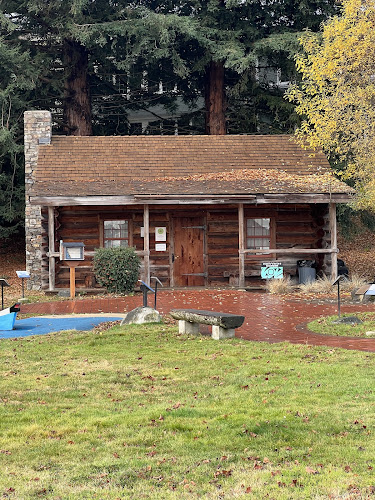
Job Carr Cabin Museum
About Job Carr Cabin Museum
Description
The Job Carr Cabin Museum is a to-scale replica of an 1865 frontier home that stands as a small, surprisingly rich capsule of Tacoma history. It recreates the look and feel of an early homestead — rough-hewn timbers, low ceilings, and a sense that life here was improvised each day — while also serving as a public space for exhibits about the citys origins, local pioneers, and the early decades around Commencement Bay. The museum sits beside an open green in Old Town Park where gulls wheel and the occasional ferry horn drifts up from the water; it’s quieter than downtown but still very much part of the urban story.
Visitors often expect a single room with a rocking chair and call it a day, but the cabin museum does more than that. Interpreted displays, period artifacts, and clear signage explain Job Carr’s role in the first permanent non-native settlement of the area and how that single cabin ties into Tacoma’s growth as a city. The place is small enough to feel intimate, large enough to be meaningful — and that balance is its charm. On any given afternoon, a volunteer guide might be unpacking a trunk of household goods, demonstrating a nineteenth-century tool, or sharing a family anecdote passed down for generations. It’s history told up close, not a static wall of text.
The museum appeals to a surprising variety of visitors. History students and local families come for the concrete connection to early Tacoma. Travelers drifting through the Pacific Northwest sometimes stop en route to larger attractions and discover that this little cabin helps them make sense of the region’s development. And there’s a particular pleasure in contrast: after big, modern museums or outdoor hikes, stepping into a modest frontier house offers perspective on how quickly places change — and what’s remembered when most things have been rebuilt or replaced.
Accessibility has been thoughtfully considered. The museum provides a wheelchair-accessible entrance, parking, and restroom, which is not always the case for historic sites of this era. Tours are offered by staff or volunteers, and the experience is often tailored for kids and families; hands-on programs and engaging storytelling are part of the museum’s toolkit for making history feel alive. For travelers doing a themed circuit of Tacoma’s Old Town and waterfront, the cabin is a compact but potent stop — one that rewards anyone curious about early life in Washington Territory.
Now, the writer should confess a small bias: they love these bite-sized history stops. There’s something almost edible about a tiny museum that distills a big story into a single building. The Job Carr Cabin Museum does that without theatrics. It’s honest, slightly woolly around the edges, and often staffed by people who genuinely like sharing the past. And yes, bring a camera — but be ready to put it away when a volunteer starts telling the story. These moments are better lived than photographed.
Key Features
- To-scale replica of an 1865 frontier cabin illustrating early settler life
- Interpretive exhibits about Tacoma’s early days and local pioneers
- Guided tours offered by knowledgeable volunteers and staff
- Wheelchair-accessible entrance, parking, and restroom facilities
- Family- and child-friendly programming; good for school groups
- Located adjacent to Old Town Park with pleasant outdoor space for picnics
- Volunteer-driven events and occasional living-history demonstrations
- Compact layout that works well for short visits or as part of a Tacoma itinerary
Best Time to Visit
The Job Carr Cabin Museum works well year-round because its interior exhibits provide shelter from rain and wind, and the surrounding park is pleasant in fair weather. That said, late spring through early fall tends to be the nicest window: longer daylight hours, more frequent volunteer-led demonstrations, and a livelier Old Town Park scene. Weekend afternoons in summer often host the most activity, so visitors who prefer a quieter experience might aim for weekday mornings or late afternoons.
For photographers and anyone who loves soft light, early morning or golden-hour visits produce the most flattering shadows on the cabin’s exterior. Conversely, if a traveler wants to catch a living-history talk or a special event, they should check museum hours and the local events calendar before heading out — many of the most memorable programs are scheduled on weekends. But here’s a tip from the writer’s notebook: overcast days are underrated for historic sites. The diffused light means fewer harsh contrasts inside the cabin and better chances to actually read the labels without glare. Also, fewer school groups, sometimes — which, depending on tolerance for singing kids, may be a plus.
How to Get There
The cabin sits within the Old Town area of Tacoma, a short hop from the waterfront district. Travelers arriving by car will find street parking and a parking lot nearby; the site is accessible, and accessible parking is part of the setup. Public transportation serves Old Town from central Tacoma, making it possible to combine the visit with a stroll along the waterfront or a stop at nearby museums and cafes. Those unfamiliar with the neighborhood will appreciate that the cabin is a compact stop — it’s easy to pair with a leisurely walk rather than a full-day itinerary.
For visitors coming from Seattle or the greater Puget Sound region, driving is the most convenient option. But remember: Tacoma’s downtown is only a few minutes away and public transit options are reasonable. If arriving by bus or light rail services as part of a larger trip, allow extra time since connections and walking across the Old Town streets can take a few extra minutes. Travelers with mobility needs will be glad to find accessible routes and an entrance designed to accommodate wheelchairs. The museum staff and volunteers are used to answering practical questions about arrival and can suggest the most straightforward approach depending on whether someone is walking, cycling, using a wheelchair, or driving.
Tips for Visiting
Plan a short visit but be open to staying longer. The cabin itself can be experienced in under an hour, but that underestimates the value of lingering: chatting with volunteers, exploring the park, and absorbing context from the exhibits can easily double that time. The museum is compact, so a relaxed pace reveals small details — names, dates, and the curious domestic objects that reveal daily life in 1865.
Bring children. The cabin is explicitly kid-friendly, and families often report that youngsters enjoy the tactile elements and storytelling. That said, small spaces can amplify noise; families traveling with toddlers might want to aim for quieter weekday windows. Schools and homeschool groups often love the hands-on approach, so if a group is expected, visitors should be ready for a busier ambiance.
Ask questions. Volunteers love to talk about provenance, restoration choices, and the sometimes-surprising connections between the cabin and broader Tacoma developments. They might share local lore that doesn’t appear on labels. The writer remembers one volunteer who, with a conspiratorial grin, explained how a single map tucked in a display case connects a settler’s choice of location to a paytoll road that no longer exists — little narratives like that are everywhere, if one asks.
Respect the space. Many artifacts are irreplaceable or fragile. The museum will often allow close viewing but not touching; this preserves the exhibits for future visitors. And while photography is usually fine, be mindful of flash restrictions or special programs where cameras are discouraged.
Pair the visit with nearby spots. Old Town Park and the Tacoma waterfront offer complementary experiences: a walk along the shoreline, a coffee at a nearby café, or a stop at another small museum. It’s a pleasant pattern for travelers who prefer several short experiences over a single long one. Also, keep weather in mind — the area is scenic but exposed, and a windbreaker can be a lifesaver on blustery days.
Check hours and tour schedules in advance. Because the museum depends on volunteers and seasonal staff, programming can vary. If a visitor’s top priority is a guided talk or a living-history demonstration, it’s worth verifying the schedule. The staff are helpful and can often recommend less-busy times for a more private experience.
Accessibility matters here. The museum has made practical accommodations for visitors with mobility needs, including an accessible entrance and restroom. Those who use wheelchairs or other mobility devices will find the site unusually welcoming for a historical replica. If special arrangements are needed, contacting the museum ahead of time (or asking on arrival) tends to produce a friendly response; volunteers often go the extra mile to make visits comfortable.
Finally, don’t expect a blockbuster museum experience. The Job Carr Cabin Museum is modest by design. It isn’t trying to compete with large history centers; instead, it offers a focused, human-scale story about Tacoma’s beginnings. Visitors who come with curiosity and a willingness to listen will leave with a clearer sense of how one cabin and one family fit into the much larger tapestry of the region’s development. And if a traveler leaves with an odd little fact or a memorable anecdote, well, that’s the point. These are the kinds of visits that stick in a memory long after the big-ticket attractions fade.
In short, the Job Carr Cabin Museum is a compact, accessible, and quietly engaging stop for anyone interested in Tacoma history, early pioneer life, or the small stories that make up a city’s past. The atmosphere is friendly, the exhibits clear, and the occasional volunteer-led moment can transform a short stop into a highlight of a Pacific Northwest itinerary.
Key Features
- To-scale replica of Job Carr’s 1865 log cabin
- Period furnishings and authentic-looking pioneer artifacts
- Interpretive exhibits on Tacoma’s founding and early settlement
- Docent-led storytelling and educational programs for families
- Located in Old Town with views of the waterfront and easy walking access to other attractions
More Details
Updated August 30, 2025
Table of Contents
Description
The Job Carr Cabin Museum is a to-scale replica of an 1865 frontier home that stands as a small, surprisingly rich capsule of Tacoma history. It recreates the look and feel of an early homestead — rough-hewn timbers, low ceilings, and a sense that life here was improvised each day — while also serving as a public space for exhibits about the citys origins, local pioneers, and the early decades around Commencement Bay. The museum sits beside an open green in Old Town Park where gulls wheel and the occasional ferry horn drifts up from the water; it’s quieter than downtown but still very much part of the urban story.
Visitors often expect a single room with a rocking chair and call it a day, but the cabin museum does more than that. Interpreted displays, period artifacts, and clear signage explain Job Carr’s role in the first permanent non-native settlement of the area and how that single cabin ties into Tacoma’s growth as a city. The place is small enough to feel intimate, large enough to be meaningful — and that balance is its charm. On any given afternoon, a volunteer guide might be unpacking a trunk of household goods, demonstrating a nineteenth-century tool, or sharing a family anecdote passed down for generations. It’s history told up close, not a static wall of text.
The museum appeals to a surprising variety of visitors. History students and local families come for the concrete connection to early Tacoma. Travelers drifting through the Pacific Northwest sometimes stop en route to larger attractions and discover that this little cabin helps them make sense of the region’s development. And there’s a particular pleasure in contrast: after big, modern museums or outdoor hikes, stepping into a modest frontier house offers perspective on how quickly places change — and what’s remembered when most things have been rebuilt or replaced.
Accessibility has been thoughtfully considered. The museum provides a wheelchair-accessible entrance, parking, and restroom, which is not always the case for historic sites of this era. Tours are offered by staff or volunteers, and the experience is often tailored for kids and families; hands-on programs and engaging storytelling are part of the museum’s toolkit for making history feel alive. For travelers doing a themed circuit of Tacoma’s Old Town and waterfront, the cabin is a compact but potent stop — one that rewards anyone curious about early life in Washington Territory.
Now, the writer should confess a small bias: they love these bite-sized history stops. There’s something almost edible about a tiny museum that distills a big story into a single building. The Job Carr Cabin Museum does that without theatrics. It’s honest, slightly woolly around the edges, and often staffed by people who genuinely like sharing the past. And yes, bring a camera — but be ready to put it away when a volunteer starts telling the story. These moments are better lived than photographed.
Key Features
- To-scale replica of an 1865 frontier cabin illustrating early settler life
- Interpretive exhibits about Tacoma’s early days and local pioneers
- Guided tours offered by knowledgeable volunteers and staff
- Wheelchair-accessible entrance, parking, and restroom facilities
- Family- and child-friendly programming; good for school groups
- Located adjacent to Old Town Park with pleasant outdoor space for picnics
- Volunteer-driven events and occasional living-history demonstrations
- Compact layout that works well for short visits or as part of a Tacoma itinerary
Best Time to Visit
The Job Carr Cabin Museum works well year-round because its interior exhibits provide shelter from rain and wind, and the surrounding park is pleasant in fair weather. That said, late spring through early fall tends to be the nicest window: longer daylight hours, more frequent volunteer-led demonstrations, and a livelier Old Town Park scene. Weekend afternoons in summer often host the most activity, so visitors who prefer a quieter experience might aim for weekday mornings or late afternoons.
For photographers and anyone who loves soft light, early morning or golden-hour visits produce the most flattering shadows on the cabin’s exterior. Conversely, if a traveler wants to catch a living-history talk or a special event, they should check museum hours and the local events calendar before heading out — many of the most memorable programs are scheduled on weekends. But here’s a tip from the writer’s notebook: overcast days are underrated for historic sites. The diffused light means fewer harsh contrasts inside the cabin and better chances to actually read the labels without glare. Also, fewer school groups, sometimes — which, depending on tolerance for singing kids, may be a plus.
How to Get There
The cabin sits within the Old Town area of Tacoma, a short hop from the waterfront district. Travelers arriving by car will find street parking and a parking lot nearby; the site is accessible, and accessible parking is part of the setup. Public transportation serves Old Town from central Tacoma, making it possible to combine the visit with a stroll along the waterfront or a stop at nearby museums and cafes. Those unfamiliar with the neighborhood will appreciate that the cabin is a compact stop — it’s easy to pair with a leisurely walk rather than a full-day itinerary.
For visitors coming from Seattle or the greater Puget Sound region, driving is the most convenient option. But remember: Tacoma’s downtown is only a few minutes away and public transit options are reasonable. If arriving by bus or light rail services as part of a larger trip, allow extra time since connections and walking across the Old Town streets can take a few extra minutes. Travelers with mobility needs will be glad to find accessible routes and an entrance designed to accommodate wheelchairs. The museum staff and volunteers are used to answering practical questions about arrival and can suggest the most straightforward approach depending on whether someone is walking, cycling, using a wheelchair, or driving.
Tips for Visiting
Plan a short visit but be open to staying longer. The cabin itself can be experienced in under an hour, but that underestimates the value of lingering: chatting with volunteers, exploring the park, and absorbing context from the exhibits can easily double that time. The museum is compact, so a relaxed pace reveals small details — names, dates, and the curious domestic objects that reveal daily life in 1865.
Bring children. The cabin is explicitly kid-friendly, and families often report that youngsters enjoy the tactile elements and storytelling. That said, small spaces can amplify noise; families traveling with toddlers might want to aim for quieter weekday windows. Schools and homeschool groups often love the hands-on approach, so if a group is expected, visitors should be ready for a busier ambiance.
Ask questions. Volunteers love to talk about provenance, restoration choices, and the sometimes-surprising connections between the cabin and broader Tacoma developments. They might share local lore that doesn’t appear on labels. The writer remembers one volunteer who, with a conspiratorial grin, explained how a single map tucked in a display case connects a settler’s choice of location to a paytoll road that no longer exists — little narratives like that are everywhere, if one asks.
Respect the space. Many artifacts are irreplaceable or fragile. The museum will often allow close viewing but not touching; this preserves the exhibits for future visitors. And while photography is usually fine, be mindful of flash restrictions or special programs where cameras are discouraged.
Pair the visit with nearby spots. Old Town Park and the Tacoma waterfront offer complementary experiences: a walk along the shoreline, a coffee at a nearby café, or a stop at another small museum. It’s a pleasant pattern for travelers who prefer several short experiences over a single long one. Also, keep weather in mind — the area is scenic but exposed, and a windbreaker can be a lifesaver on blustery days.
Check hours and tour schedules in advance. Because the museum depends on volunteers and seasonal staff, programming can vary. If a visitor’s top priority is a guided talk or a living-history demonstration, it’s worth verifying the schedule. The staff are helpful and can often recommend less-busy times for a more private experience.
Accessibility matters here. The museum has made practical accommodations for visitors with mobility needs, including an accessible entrance and restroom. Those who use wheelchairs or other mobility devices will find the site unusually welcoming for a historical replica. If special arrangements are needed, contacting the museum ahead of time (or asking on arrival) tends to produce a friendly response; volunteers often go the extra mile to make visits comfortable.
Finally, don’t expect a blockbuster museum experience. The Job Carr Cabin Museum is modest by design. It isn’t trying to compete with large history centers; instead, it offers a focused, human-scale story about Tacoma’s beginnings. Visitors who come with curiosity and a willingness to listen will leave with a clearer sense of how one cabin and one family fit into the much larger tapestry of the region’s development. And if a traveler leaves with an odd little fact or a memorable anecdote, well, that’s the point. These are the kinds of visits that stick in a memory long after the big-ticket attractions fade.
In short, the Job Carr Cabin Museum is a compact, accessible, and quietly engaging stop for anyone interested in Tacoma history, early pioneer life, or the small stories that make up a city’s past. The atmosphere is friendly, the exhibits clear, and the occasional volunteer-led moment can transform a short stop into a highlight of a Pacific Northwest itinerary.
Key Highlights
- To-scale replica of Job Carr’s 1865 log cabin
- Period furnishings and authentic-looking pioneer artifacts
- Interpretive exhibits on Tacoma’s founding and early settlement
- Docent-led storytelling and educational programs for families
- Located in Old Town with views of the waterfront and easy walking access to other attractions
Location
Places to Stay Near Job Carr Cabin Museum
Find and Book a Tour
Explore More Travel Guides
No reviews found! Be the first to review!
Traveler Reviews for Job Carr Cabin Museum
There are no reviews yet. Be the first one to write one.
Have you visited Job Carr Cabin Museum? Help other travelers by sharing your review.
Nearby Attractions
You Might Also Like
Chihuly Bridge of Glass
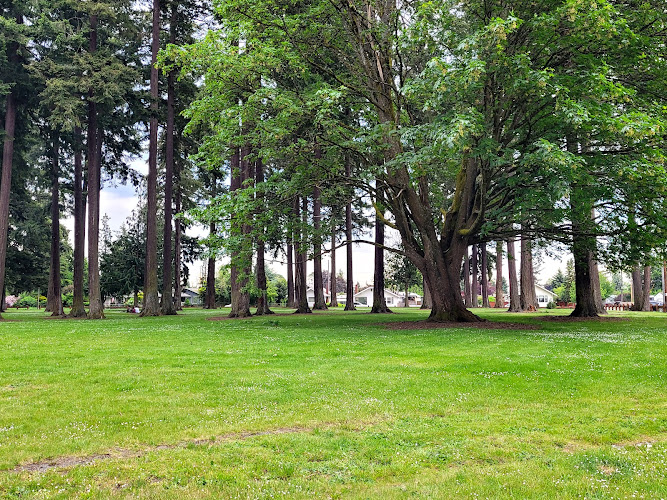
Manitou Park
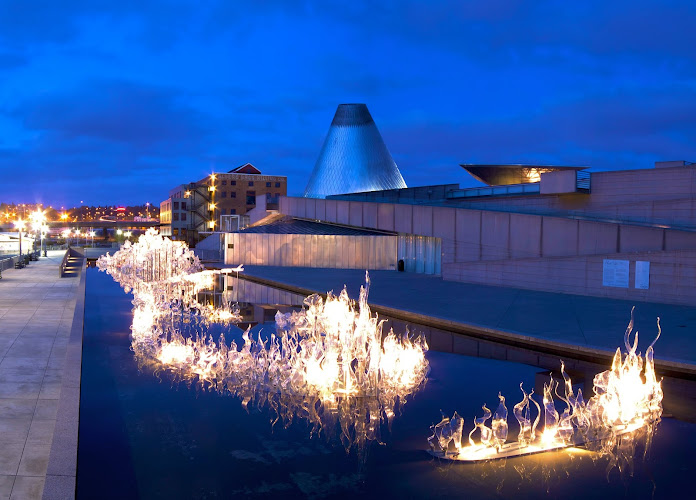
Museum of Glass
Find Accommodations Nearby
Recommended Tours & Activities
Visitor Reviews
There are no reviews yet. Be the first one to write one.
Share Your Experience
Have you visited Job Carr Cabin Museum? Help other travelers by leaving a review.