
Jemison-Van De Graaff Mansion
About Jemison-Van De Graaff Mansion
Key Features
More Details
Updated June 11, 2025
## Jemison–Van de Graaff Mansion (Tuscaloosa): what to know before you go
The Jemison–Van de Graaff Mansion is a restored Italianate house museum and event venue at 1305 Greensboro Ave, Tuscaloosa, Alabama. Mansion It’s closely tied to Tuscaloosa’s antebellum growth, the Civil War era, and later waves of adaptive reuse (library and publishing offices) before becoming a museum again.
### Quick facts (verified)
– Address: 1305 Greensboro Ave, Tuscaloosa, AL 35401
– Built: 1859–1862
– Style: Italianate
– Rooms: commonly described as a 26-room mansion
– National Register of Historic Places: listed April 19, 1972
## Why it matters historically (and what makes it different)
### Built as a “town home” for a powerful local figure
The mansion was built as a city residence for Senator Robert Jemison Jr. Mansion In multiple sources, Jemison is described as a planter, politician, and businessman, and the house is positioned as one of Tuscaloosa’s major late-antebellum structures.
### The design and construction story is tied to bigger state projects
The mansion’s construction is associated with architect and builder networks working in Tuscaloosa at the time, including the team connected to Bryce Hospital (historically known as the Alabama State Hospital for the Insane).
– One source describes the house as designed by Samuel Sloan (with John Stewart supervising).
– The mansion’s official site describes John Stewart (from Philadelphia) as the architect, noting his partnership with Sloan and their work on Bryce Hospital. Mansion
Practical takeaway: if you care about architectural provenance, ask your guide how the site interprets Sloan vs. Stewart’s roles and what documentation they rely on. (The sources don’t fully agree, and that’s common with 19th-century attributions.)
### Surprisingly “modern” systems for the era
A standout detail: the house is described as having advanced technology for its time, including running water, flush toilets, a hot water boiler, and a copper bathtub, plus an on-site coal gas plant that supplied gas lighting and fueled a stove.
That combination—Italianate ornament + early household infrastructure—makes the mansion interesting even if you’re not usually into historic house tours.
## What you’ll likely see on a tour (based on documented descriptions)
The property is described as:
– A 26-room home spread across three floor levels, connected by six staircases. Tuscaloosa
– A large complex where the “mansion and grounds” are stated to total 28,800 square feet, with the mansion (including porch) at 16,919 square feet. Tuscaloosa
Even without a room-by-room inventory in the sources above, those numbers signal what visitors feel immediately: this is not a small “peek inside” house—it’s a full-scale urban mansion with layered circulation and formal presentation spaces. Tuscaloosa
## Visiting info (and what may be outdated)
### Standard public tours
Multiple sources agree on a 3:30 pm tour time, but they differ on days and pricing:
– Historic Tuscaloosa states the mansion is available for tours Tuesday–Friday at 3:30 pm. Tuscaloosa
– Historic Tuscaloosa’s “Visit Us” page states tours are $5 per person per structure, offered Tuesday–Friday, and advises checking the calendar for closures. Tuscaloosa
– The mansion’s own tours page says free tours Tuesday–Saturday at 3:30 pm, and explicitly tells visitors to check Historic Tuscaloosa for “up to date hours and tours.” Mansion
What to do with that conflict: treat Historic Tuscaloosa’s calendar / visit page as the most current operational source, because the mansion site itself defers to it for “up to date” details. Mansion
### Closures and scheduling reality
Historic Tuscaloosa warns that tours run when no private events are being held and asks visitors to consult the event calendar. Tuscaloosa
That matters because the mansion is also marketed as a venue for parties and events. Mansion
### Group and school tours
Historic Tuscaloosa notes group and school tours are available by contacting them directly. Tuscaloosa
## A note on inclusive, accurate interpretation
This is an antebellum mansion built for a wealthy planter-politician in Alabama in the years immediately surrounding the Civil War. Any serious historical interpretation of a property like this should address the full social and economic context of the era, including who performed the labor that sustained households like Jemison’s and how wealth was accumulated.
The sources above don’t describe the tour narrative in detail, so you can’t assume what is covered. If that context matters to you (and it should), ask your guide directly:
– How does the museum interpret the household’s labor systems and the lives of workers connected to the property?
– What primary sources are used for those interpretations?
That’s the most reliable way to ensure your visit aligns with your expectations, without guessing beyond documented information.
## If you want to build a great Tuscaloosa history afternoon
Historic Tuscaloosa publishes a same-day, multi-stop sequence that ends at the mansion:
– Old Tavern (1:30) → Battle–Friedman House (2:30) → Jemison–Van de Graaff Mansion (3:30). Tuscaloosa
Even if you only choose one stop, that itinerary gives you a practical framework: start earlier in the afternoon and treat the mansion as the “finale” property.
## Bottom line
If you want a Tuscaloosa attraction with real architectural substance, layered local history, and the kind of “how did they do that in the 1860s?” household details that stick with you, the Jemison–Van de Graaff Mansion is worth scheduling around. Just verify tour days/pricing against Historic Tuscaloosa’s current calendar before you show up, because published details across sources don’t perfectly match. Mansion
Table of Contents
Key Highlights
Jemison-Van De Graaff Mansion
Location
Places to Stay Near Jemison-Van De Graaff Mansion"Historic mansion with lots of character!"
Find and Book a Tour
Explore More Travel Guides
No reviews found! Be the first to review!
Traveler Reviews for Jemison-Van De Graaff Mansion
There are no reviews yet. Be the first one to write one.
Have you visited Jemison-Van De Graaff Mansion? Help other travelers by sharing your review.
You Might Also Like
Battle-Friedman House & Gardens
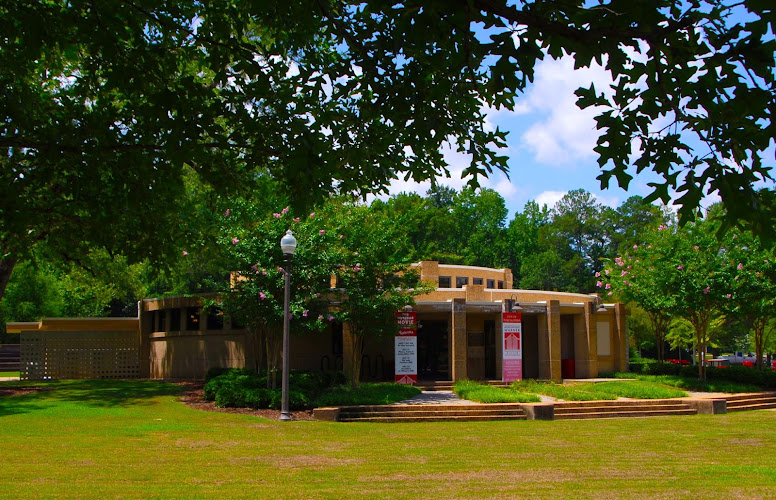
Mildred Westervelt Warner Transportation Museum (part of UA Museums)
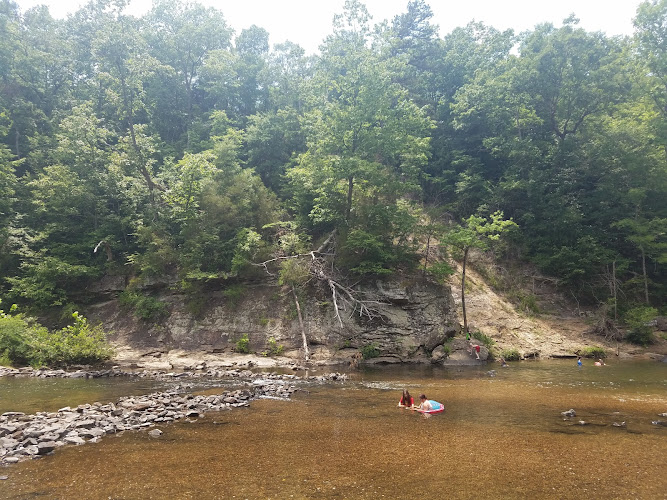
Hurricane Creek Park
Find Accommodations Nearby
Recommended Tours & Activities
Visitor Reviews
There are no reviews yet. Be the first one to write one.
Share Your Experience
Have you visited Jemison-Van De Graaff Mansion? Help other travelers by leaving a review.