
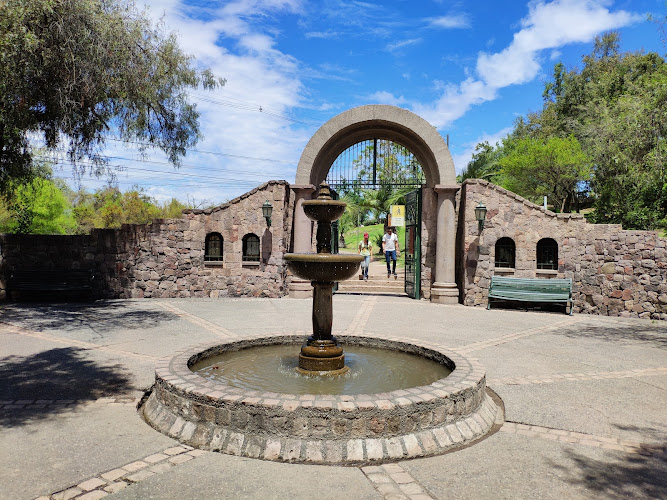
Jardín Mapulemu
About Jardín Mapulemu
Description
Jardín Mapulemu stands as one of those rare botanical gardens where native Chilean flora takes center stage in a setting that honestly feels more like wandering through an enchanted forest than touring a typical manicured garden. Located in the stunning Chilean landscape, this botanical treasure showcases the incredible diversity of southern hemisphere plant life in ways that'll make you forget you're technically at a tourist attraction. The garden spreads across generous grounds that invite visitors to lose themselves among towering native trees, winding pathways, and carefully curated plant collections that tell the story of Chile's remarkable botanical heritage. And here's what I really appreciate about this place—it doesn't try too hard. There's an authenticity to Mapulemu that you just don't find in more commercialized gardens around the world. What makes this place truly special is how it balances education with pure enjoyment. You'll find families spending entire afternoons here, couples strolling hand-in-hand through shaded paths, and solo travelers like myself who've spent way more hours than planned just sitting on a bench watching hummingbirds dart between native flowers. The garden serves as both a conservation project and a peaceful retreat from the faster-paced tourist circuits. The layout respects the natural topography rather than fighting against it, which means you get this wonderful sense of discovery as paths wind up gentle slopes and around natural features. I've visited probably two dozen botanical gardens across three continents, and Mapulemu ranks high on my list simply because it feels genuine—like someone created this space out of love for plants rather than just checking boxes on a tourist development plan.Key Features
Jardín Mapulemu offers visitors an impressive array of features that cater to different interests and activity levels:- Extensive Native Plant Collections: The garden prioritizes Chilean native species, giving visitors a chance to see plants they won't encounter anywhere else on earth
- Well-Maintained Hiking Trails: Multiple pathways wind through the property, offering everything from easy strolls to more challenging treks through varied terrain
- Dedicated Cycling Lanes: Bike enthusiasts can explore the garden on two wheels thanks to designated cycling paths that keep riders and pedestrians safely separated
- Family-Friendly Infrastructure: A playground area ensures younger visitors stay entertained while parents explore the botanical displays
- Kid-Appropriate Hiking Routes: Shorter, easier trails specifically designed with children's capabilities in mind make this an excellent family destination
- Pet-Welcoming Policy: Dogs are permitted on the grounds, making it a rare botanical garden where your four-legged travel companion doesn't have to miss out
- Clean Restroom Facilities: Public restrooms are available throughout the property, which any seasoned traveler knows is worth its weight in gold
- Seasonal Flowering Displays: Different times of year bring different blooms, rewarding repeat visitors with ever-changing scenery
- Educational Signage: Informative plaques and markers help visitors learn about the plants they're seeing without needing a guided tour
- Picnic-Friendly Spaces: Designated areas allow visitors to bring their own food and make a full day of their visit
- Photography Opportunities: The natural beauty and diverse landscapes provide endless subjects for camera-happy travelers
Best Time to Visit
Timing your visit to Jardín Mapulemu can really make or break your experience, and I learned this the hard way during my first visit when I showed up on a rainy winter afternoon (still beautiful, but definitely not ideal). Spring, particularly from September through November, represents the absolute sweet spot for visiting. The garden literally explodes with color as native plants burst into bloom, and the weather typically cooperates with mild temperatures and manageable rainfall. You'll see the garden at its most photogenic during these months, and the morning light filtering through new leaves creates this almost ethereal atmosphere that's tough to beat. Summer months from December through February bring warmer weather and longer daylight hours, which means more time to explore. But here's the thing—this is also peak tourist season in Chile, so you'll be sharing the pathways with more people. The trade-off is worth it if you don't mind crowds, because summer temperatures make those longer hikes much more comfortable. Autumn (March through May) offers a different kind of beauty as deciduous trees shift colors. The crowds thin out considerably, and there's something peaceful about wandering through falling leaves. Temperature-wise, you'll want to bring layers since mornings can be crisp while afternoons warm up nicely. Winter visits from June through August require more planning. Some areas of the garden might be muddy or less accessible, and you'll definitely need waterproof gear. However, if you're the type of traveler who loves having places almost to yourself, winter weekdays can be magical. Just check opening hours before you go, as some botanical gardens reduce their schedule during colder months. Weekday visits any time of year generally mean fewer crowds than weekends. And if you can swing it, arriving right when the garden opens gives you that special feeling of having the place to yourself for at least an hour or two before other visitors trickle in.How to Get There
Getting to Jardín Mapulemu requires a bit of planning, but it's definitely manageable for travelers of various experience levels navigating Chilean destinations. Most visitors approach from major Chilean cities, and having your own transportation honestly makes the biggest difference in terms of convenience and flexibility. Rental cars are widely available throughout Chile, and the drive to the garden takes you through some genuinely beautiful countryside that's part of the adventure itself. The roads leading to Mapulemu are generally well-maintained, though you'll want to double-check current conditions if you're visiting during or after heavy rains. For those relying on public transportation, buses do service the general area, though you might need to combine a bus ride with a taxi or rideshare for the final leg of your journey. This approach takes longer and requires more coordination, but it's absolutely doable—I've met plenty of backpackers who've managed it without any issues. Just make sure you've got offline maps downloaded on your phone and perhaps some basic Spanish phrases ready, because English isn't as commonly spoken in this region. Organized tours from larger cities sometimes include Jardín Mapulemu as part of broader itineraries focusing on natural attractions. These take the guesswork out of logistics but obviously limit your flexibility in terms of how long you can spend exploring. If you're cycling enthusiasts (and seriously fit), some travelers have actually biked to the garden as part of longer cycling routes through the region. The cycling lanes within the garden itself make it a rewarding destination for two-wheeled tourists. Taxi services or rideshare apps can work for getting there, though you'll want to arrange your return trip in advance since these aren't areas where you can reliably hail a ride on demand. Some visitors negotiate with taxi drivers to wait or return at a specified time.Tips for Visiting
After multiple visits to Jardín Mapulemu and countless conversations with fellow travelers, I've gathered some practical advice that'll help you make the most of your time there. Bring way more water than you think you'll need. Even on cool days, exploring the trails works up a thirst, and while there are facilities, having your own supply means you can keep hiking without cutting your exploration short. I usually pack at least two liters per person. Wear proper walking shoes—and I mean actual hiking shoes or sturdy sneakers, not those cute sandals you bought for the beach. Some paths get uneven and potentially slippery, especially if there's been recent rain. Your feet will thank you after a few hours of wandering. Sun protection matters even on cloudy days. The Chilean sun doesn't mess around, and you'll be surprised how quickly you can burn while absorbed in looking at plants. Sunscreen, a hat, and maybe sunglasses should be non-negotiables in your daypack. If you're bringing your dog, pack cleanup bags and keep them leashed. The pet-friendly policy is wonderful, but it depends on visitors being responsible. Also, consider your dog's fitness level before attempting the longer trails. Bring snacks or a packed lunch if you're planning to stay more than a couple hours. While the garden allows picnicking, there aren't food vendors on-site (at least there weren't during my visits). Having provisions means you can refuel and keep exploring rather than leaving when hunger strikes. A camera or smartphone with plenty of battery life is essential. You'll find photo opportunities around every corner, and the natural lighting through the tree canopy creates these perfect moments that you'll want to capture. Check the weather forecast before you go and dress in layers. Mountain and garden microclimates can shift quickly, and being prepared means staying comfortable throughout your visit. Arrive early if possible, especially during peak season. The garden feels different—more peaceful and somehow more authentic—when there are fewer people around. Plus, morning light is genuinely better for photography. Take your time and don't try to rush through. This isn't the kind of place where you tick off highlights and move on. The magic of Mapulemu reveals itself to visitors who slow down and actually observe. Some of my best moments there happened when I stopped trying to see everything and just sat quietly watching birds and insects interact with the native plants. Bring insect repellent during warmer months, though honestly the bugs here are generally less aggressive than in tropical gardens I've visited.Jardín Mapulemu rewards visitors who come with realistic expectations and an appreciation for Chile's native botanical heritage. It's not going to wow you with exotic imported species or overly designed landscapes. Instead, it offers something increasingly rare—an authentic connection with regional plant life in a setting that respects both nature and the people who come to experience it.
Key Features
- Key Features
- Best Time to Visit
- How to Get There
- Tips for Visiting
More Details
Updated March 30, 2026
Description
Jardín Mapulemu stands as one of those rare botanical gardens where native Chilean flora takes center stage in a setting that honestly feels more like wandering through an enchanted forest than touring a typical manicured garden. Located in the stunning Chilean landscape, this botanical treasure showcases the incredible diversity of southern hemisphere plant life in ways that’ll make you forget you’re technically at a tourist attraction.
The garden spreads across generous grounds that invite visitors to lose themselves among towering native trees, winding pathways, and carefully curated plant collections that tell the story of Chile’s remarkable botanical heritage. And here’s what I really appreciate about this place—it doesn’t try too hard. There’s an authenticity to Mapulemu that you just don’t find in more commercialized gardens around the world.
What makes this place truly special is how it balances education with pure enjoyment. You’ll find families spending entire afternoons here, couples strolling hand-in-hand through shaded paths, and solo travelers like myself who’ve spent way more hours than planned just sitting on a bench watching hummingbirds dart between native flowers. The garden serves as both a conservation project and a peaceful retreat from the faster-paced tourist circuits.
The layout respects the natural topography rather than fighting against it, which means you get this wonderful sense of discovery as paths wind up gentle slopes and around natural features. I’ve visited probably two dozen botanical gardens across three continents, and Mapulemu ranks high on my list simply because it feels genuine—like someone created this space out of love for plants rather than just checking boxes on a tourist development plan.
Key Features
Jardín Mapulemu offers visitors an impressive array of features that cater to different interests and activity levels:
- Extensive Native Plant Collections: The garden prioritizes Chilean native species, giving visitors a chance to see plants they won’t encounter anywhere else on earth
- Well-Maintained Hiking Trails: Multiple pathways wind through the property, offering everything from easy strolls to more challenging treks through varied terrain
- Dedicated Cycling Lanes: Bike enthusiasts can explore the garden on two wheels thanks to designated cycling paths that keep riders and pedestrians safely separated
- Family-Friendly Infrastructure: A playground area ensures younger visitors stay entertained while parents explore the botanical displays
- Kid-Appropriate Hiking Routes: Shorter, easier trails specifically designed with children’s capabilities in mind make this an excellent family destination
- Pet-Welcoming Policy: Dogs are permitted on the grounds, making it a rare botanical garden where your four-legged travel companion doesn’t have to miss out
- Clean Restroom Facilities: Public restrooms are available throughout the property, which any seasoned traveler knows is worth its weight in gold
- Seasonal Flowering Displays: Different times of year bring different blooms, rewarding repeat visitors with ever-changing scenery
- Educational Signage: Informative plaques and markers help visitors learn about the plants they’re seeing without needing a guided tour
- Picnic-Friendly Spaces: Designated areas allow visitors to bring their own food and make a full day of their visit
- Photography Opportunities: The natural beauty and diverse landscapes provide endless subjects for camera-happy travelers
Best Time to Visit
Timing your visit to Jardín Mapulemu can really make or break your experience, and I learned this the hard way during my first visit when I showed up on a rainy winter afternoon (still beautiful, but definitely not ideal).
Spring, particularly from September through November, represents the absolute sweet spot for visiting. The garden literally explodes with color as native plants burst into bloom, and the weather typically cooperates with mild temperatures and manageable rainfall. You’ll see the garden at its most photogenic during these months, and the morning light filtering through new leaves creates this almost ethereal atmosphere that’s tough to beat.
Summer months from December through February bring warmer weather and longer daylight hours, which means more time to explore. But here’s the thing—this is also peak tourist season in Chile, so you’ll be sharing the pathways with more people. The trade-off is worth it if you don’t mind crowds, because summer temperatures make those longer hikes much more comfortable.
Autumn (March through May) offers a different kind of beauty as deciduous trees shift colors. The crowds thin out considerably, and there’s something peaceful about wandering through falling leaves. Temperature-wise, you’ll want to bring layers since mornings can be crisp while afternoons warm up nicely.
Winter visits from June through August require more planning. Some areas of the garden might be muddy or less accessible, and you’ll definitely need waterproof gear. However, if you’re the type of traveler who loves having places almost to yourself, winter weekdays can be magical. Just check opening hours before you go, as some botanical gardens reduce their schedule during colder months.
Weekday visits any time of year generally mean fewer crowds than weekends. And if you can swing it, arriving right when the garden opens gives you that special feeling of having the place to yourself for at least an hour or two before other visitors trickle in.
How to Get There
Getting to Jardín Mapulemu requires a bit of planning, but it’s definitely manageable for travelers of various experience levels navigating Chilean destinations.
Most visitors approach from major Chilean cities, and having your own transportation honestly makes the biggest difference in terms of convenience and flexibility. Rental cars are widely available throughout Chile, and the drive to the garden takes you through some genuinely beautiful countryside that’s part of the adventure itself. The roads leading to Mapulemu are generally well-maintained, though you’ll want to double-check current conditions if you’re visiting during or after heavy rains.
For those relying on public transportation, buses do service the general area, though you might need to combine a bus ride with a taxi or rideshare for the final leg of your journey. This approach takes longer and requires more coordination, but it’s absolutely doable—I’ve met plenty of backpackers who’ve managed it without any issues. Just make sure you’ve got offline maps downloaded on your phone and perhaps some basic Spanish phrases ready, because English isn’t as commonly spoken in this region.
Organized tours from larger cities sometimes include Jardín Mapulemu as part of broader itineraries focusing on natural attractions. These take the guesswork out of logistics but obviously limit your flexibility in terms of how long you can spend exploring.
If you’re cycling enthusiasts (and seriously fit), some travelers have actually biked to the garden as part of longer cycling routes through the region. The cycling lanes within the garden itself make it a rewarding destination for two-wheeled tourists.
Taxi services or rideshare apps can work for getting there, though you’ll want to arrange your return trip in advance since these aren’t areas where you can reliably hail a ride on demand. Some visitors negotiate with taxi drivers to wait or return at a specified time.
Tips for Visiting
After multiple visits to Jardín Mapulemu and countless conversations with fellow travelers, I’ve gathered some practical advice that’ll help you make the most of your time there.
Bring way more water than you think you’ll need. Even on cool days, exploring the trails works up a thirst, and while there are facilities, having your own supply means you can keep hiking without cutting your exploration short. I usually pack at least two liters per person.
Wear proper walking shoes—and I mean actual hiking shoes or sturdy sneakers, not those cute sandals you bought for the beach. Some paths get uneven and potentially slippery, especially if there’s been recent rain. Your feet will thank you after a few hours of wandering.
Sun protection matters even on cloudy days. The Chilean sun doesn’t mess around, and you’ll be surprised how quickly you can burn while absorbed in looking at plants. Sunscreen, a hat, and maybe sunglasses should be non-negotiables in your daypack.
If you’re bringing your dog, pack cleanup bags and keep them leashed. The pet-friendly policy is wonderful, but it depends on visitors being responsible. Also, consider your dog’s fitness level before attempting the longer trails.
Bring snacks or a packed lunch if you’re planning to stay more than a couple hours. While the garden allows picnicking, there aren’t food vendors on-site (at least there weren’t during my visits). Having provisions means you can refuel and keep exploring rather than leaving when hunger strikes.
A camera or smartphone with plenty of battery life is essential. You’ll find photo opportunities around every corner, and the natural lighting through the tree canopy creates these perfect moments that you’ll want to capture.
Check the weather forecast before you go and dress in layers. Mountain and garden microclimates can shift quickly, and being prepared means staying comfortable throughout your visit.
Arrive early if possible, especially during peak season. The garden feels different—more peaceful and somehow more authentic—when there are fewer people around. Plus, morning light is genuinely better for photography.
Take your time and don’t try to rush through. This isn’t the kind of place where you tick off highlights and move on. The magic of Mapulemu reveals itself to visitors who slow down and actually observe. Some of my best moments there happened when I stopped trying to see everything and just sat quietly watching birds and insects interact with the native plants.
Bring insect repellent during warmer months, though honestly the bugs here are generally less aggressive than in tropical gardens I’ve visited.
Jardín Mapulemu rewards visitors who come with realistic expectations and an appreciation for Chile’s native botanical heritage. It’s not going to wow you with exotic imported species or overly designed landscapes. Instead, it offers something increasingly rare—an authentic connection with regional plant life in a setting that respects both nature and the people who come to experience it.
Key Highlights
- Key Features
- Best Time to Visit
- How to Get There
- Tips for Visiting
Location
Places to Stay Near Jardín Mapulemu
Find and Book a Tour
Explore More Travel Guides
No reviews found! Be the first to review!
Jardín Mapulemu is a prominent attractions located in Providencia.
Visit us at: Cam. Claudio Gay, Providencia, Región Metropolitana, Chile.
Traveler Reviews for Jardín Mapulemu
There are no reviews yet. Be the first one to write one.
Have you visited Jardín Mapulemu? Help other travelers by sharing your review.
You Might Also Like
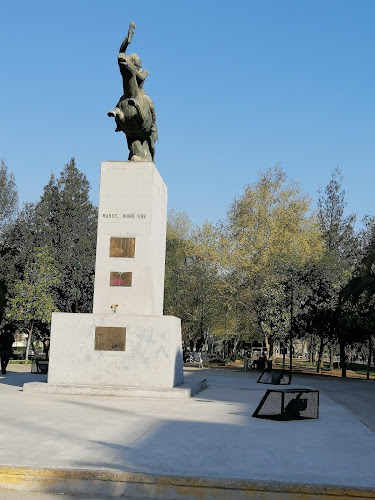
Parque Bustamante

Cerro San Cristóbal

Plaza La Aviación
Find Accommodations Nearby
Recommended Tours & Activities
Visitor Reviews
There are no reviews yet. Be the first one to write one.
Share Your Experience
Have you visited Jardín Mapulemu? Help other travelers by leaving a review.