About Jackson Street Roundhouse

Description

The Jackson Street Roundhouse in St. Paul, Minnesota, feels like stepping into a time capsule of American railroading. It’s not one of those polished, overly commercial museums where everything feels too perfect. Instead, it’s got grit, history, and a kind of quiet charm that makes you feel connected to the people who built and ran the railways that shaped the Midwest. You can smell the oil and metal in the air, hear the faint clank of tools echoing from the old repair bays, and almost imagine the rhythmic chug of steam engines rolling through decades past.

The roundhouse itself is an authentic piece of railroad history—one of the few remaining turntable-equipped facilities still standing. It’s run by the Minnesota Transportation Museum, and honestly, you can tell the folks here care deeply about what they do. The volunteers, many of them retired railroad workers or lifelong enthusiasts, share stories that make the exhibits come alive. You don’t just look at locomotives here—you can touch them, climb aboard, and sometimes even watch them being restored in real time. That’s what makes this place so special. It’s not a static museum; it’s living history.

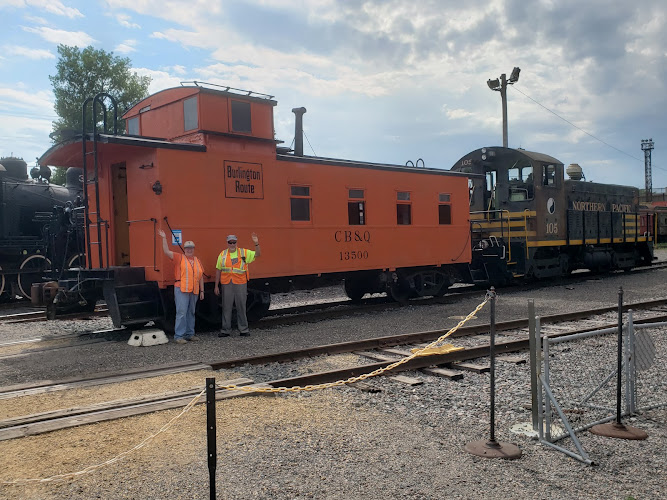
Walking through the massive, brick-walled space, you’ll find everything from vintage diesel engines to passenger cars and cabooses. There’s even a small theater that plays short films about Minnesota’s rail heritage and the golden age of train travel. And if you’re traveling with kids, they’ll love the hands-on exhibits—especially the model trains that seem to mesmerize every child (and let’s be honest, most adults too). It’s the kind of place that sparks curiosity and gives you a genuine appreciation for how railroads connected communities long before highways and airplanes took over.

Key Features

  • Authentic working roundhouse with functioning turntable and restoration shop
  • Extensive collection of locomotives, passenger cars, and cabooses from different eras
  • Interactive exhibits and model train displays perfect for families
  • Knowledgeable volunteers who offer guided tours and share personal railroad stories
  • On-site theater showing short historical films about rail history
  • Gift shop with railroad memorabilia, books, and unique souvenirs
  • Wheelchair-accessible entrances, restrooms, and parking
  • Family-friendly environment that encourages hands-on exploration

One of my favorite parts of visiting was chatting with a volunteer who used to work on the Great Northern line. He told me how locomotives were maintained in the very bays we were standing in, back when the place was bustling with workers. That kind of personal connection makes the experience so much richer than just reading placards. And you can tell visitors feel that too—the atmosphere is relaxed, welcoming, and a little nostalgic.

Best Time to Visit

If you’re planning a trip, late spring through early fall is generally the best time to go. The weather in St. Paul is mild enough to explore comfortably, and the museum often runs special events during these months. There’s something magical about seeing the old engines gleaming in the sunlight, with the smell of fresh grass and diesel in the air. In winter, the indoor exhibits are still open, so it’s a cozy option when the Minnesota cold sets in. But if you want to catch the outdoor displays or ride one of the seasonal excursion trains, aim for summer weekends.

Personally, I prefer visiting in early autumn. The crowds thin out a bit after summer, and there’s this crispness in the air that feels just right for exploring a place so steeped in history. Plus, the fall colors around the rail yard make for some pretty great photos—especially if you’re into that rustic, industrial-meets-nature vibe.

How to Get There

Getting to the Jackson Street Roundhouse is fairly straightforward if you’re already in the Twin Cities area. It’s located close to downtown St. Paul, just a short drive from the main highways. If you’re coming from Minneapolis, it’s roughly a 20-minute trip, depending on traffic. Parking is free and conveniently located near the entrance, which is a nice bonus since downtown parking can be tricky elsewhere.

For those relying on public transportation, several bus routes stop within easy walking distance. And if you’re the kind of traveler who likes to mix a bit of walking into your sightseeing, it’s not too far from the Mississippi River trails. I once walked part of the way there on a cool morning—it took me a bit longer, but it was worth it for the views and the quiet start to the day.

Tips for Visiting

Here are a few things I’ve learned from my own visits and from chatting with other travelers:

  • Take a guided tour. The volunteers know their stuff, and you’ll learn way more than you would wandering solo. They’ve got stories that don’t show up on the exhibit signs.
  • Bring a camera. The lighting inside can be dramatic—those shafts of sunlight cutting through the dust make for some beautiful shots. Just be mindful of where you step; some areas are active workspaces.
  • Plan for at least two hours. You might think you’ll just pop in for a quick look, but there’s a lot to see. Between the exhibits, the theater, and chatting with the staff, time flies.
  • Check for special events. They sometimes host themed weekends or vintage train rides that are worth timing your visit around.
  • Dress comfortably. The building can be a bit cool in winter and warm in summer—it’s an old industrial space, after all. Layers are your friend.
  • Stop by the gift shop. It’s small but surprisingly well-stocked. I picked up a vintage-style railway cap there once, and it’s still one of my favorite travel souvenirs.

And one more thing—don’t rush. This isn’t the kind of museum you “check off” a list. It’s a place to slow down, listen, and imagine what life was like when trains were the heartbeat of American travel. There’s a sense of craftsmanship and pride in every rivet, every restored car, every story told by the people who keep this place running. It’s a reminder that history isn’t just something we read about—it’s something we can still touch, smell, and experience.

So if you find yourself in St. Paul and want a break from the usual tourist spots, give the Jackson Street Roundhouse a few hours of your time. Whether you’re a rail enthusiast, a history buff, or just someone curious about how people got from here to there before smartphones and GPS, you’ll walk away with a deeper appreciation for the tracks that helped build America. And maybe, just maybe, you’ll leave with a bit of soot on your hands and a story worth telling.

Key Features

  • Authentic working roundhouse with functioning turntable and restoration shop
  • Extensive collection of locomotives, passenger cars, and cabooses from different eras
  • Interactive exhibits and model train displays perfect for families
  • Knowledgeable volunteers who offer guided tours and share personal railroad stories
  • On-site theater showing short historical films about rail history
  • Gift shop with railroad memorabilia, books, and unique souvenirs
  • Wheelchair-accessible entrances, restrooms, and parking
  • Family-friendly environment that encourages hands-on exploration

More Details

Updated November 10, 2025


Description

The Jackson Street Roundhouse in St. Paul, Minnesota, feels like stepping into a time capsule of American railroading. It’s not one of those polished, overly commercial museums where everything feels too perfect. Instead, it’s got grit, history, and a kind of quiet charm that makes you feel connected to the people who built and ran the railways that shaped the Midwest. You can smell the oil and metal in the air, hear the faint clank of tools echoing from the old repair bays, and almost imagine the rhythmic chug of steam engines rolling through decades past.

The roundhouse itself is an authentic piece of railroad history—one of the few remaining turntable-equipped facilities still standing. It’s run by the Minnesota Transportation Museum, and honestly, you can tell the folks here care deeply about what they do. The volunteers, many of them retired railroad workers or lifelong enthusiasts, share stories that make the exhibits come alive. You don’t just look at locomotives here—you can touch them, climb aboard, and sometimes even watch them being restored in real time. That’s what makes this place so special. It’s not a static museum; it’s living history.

Walking through the massive, brick-walled space, you’ll find everything from vintage diesel engines to passenger cars and cabooses. There’s even a small theater that plays short films about Minnesota’s rail heritage and the golden age of train travel. And if you’re traveling with kids, they’ll love the hands-on exhibits—especially the model trains that seem to mesmerize every child (and let’s be honest, most adults too). It’s the kind of place that sparks curiosity and gives you a genuine appreciation for how railroads connected communities long before highways and airplanes took over.

Key Features

  • Authentic working roundhouse with functioning turntable and restoration shop
  • Extensive collection of locomotives, passenger cars, and cabooses from different eras
  • Interactive exhibits and model train displays perfect for families
  • Knowledgeable volunteers who offer guided tours and share personal railroad stories
  • On-site theater showing short historical films about rail history
  • Gift shop with railroad memorabilia, books, and unique souvenirs
  • Wheelchair-accessible entrances, restrooms, and parking
  • Family-friendly environment that encourages hands-on exploration

One of my favorite parts of visiting was chatting with a volunteer who used to work on the Great Northern line. He told me how locomotives were maintained in the very bays we were standing in, back when the place was bustling with workers. That kind of personal connection makes the experience so much richer than just reading placards. And you can tell visitors feel that too—the atmosphere is relaxed, welcoming, and a little nostalgic.

Best Time to Visit

If you’re planning a trip, late spring through early fall is generally the best time to go. The weather in St. Paul is mild enough to explore comfortably, and the museum often runs special events during these months. There’s something magical about seeing the old engines gleaming in the sunlight, with the smell of fresh grass and diesel in the air. In winter, the indoor exhibits are still open, so it’s a cozy option when the Minnesota cold sets in. But if you want to catch the outdoor displays or ride one of the seasonal excursion trains, aim for summer weekends.

Personally, I prefer visiting in early autumn. The crowds thin out a bit after summer, and there’s this crispness in the air that feels just right for exploring a place so steeped in history. Plus, the fall colors around the rail yard make for some pretty great photos—especially if you’re into that rustic, industrial-meets-nature vibe.

How to Get There

Getting to the Jackson Street Roundhouse is fairly straightforward if you’re already in the Twin Cities area. It’s located close to downtown St. Paul, just a short drive from the main highways. If you’re coming from Minneapolis, it’s roughly a 20-minute trip, depending on traffic. Parking is free and conveniently located near the entrance, which is a nice bonus since downtown parking can be tricky elsewhere.

For those relying on public transportation, several bus routes stop within easy walking distance. And if you’re the kind of traveler who likes to mix a bit of walking into your sightseeing, it’s not too far from the Mississippi River trails. I once walked part of the way there on a cool morning—it took me a bit longer, but it was worth it for the views and the quiet start to the day.

Tips for Visiting

Here are a few things I’ve learned from my own visits and from chatting with other travelers:

  • Take a guided tour. The volunteers know their stuff, and you’ll learn way more than you would wandering solo. They’ve got stories that don’t show up on the exhibit signs.
  • Bring a camera. The lighting inside can be dramatic—those shafts of sunlight cutting through the dust make for some beautiful shots. Just be mindful of where you step; some areas are active workspaces.
  • Plan for at least two hours. You might think you’ll just pop in for a quick look, but there’s a lot to see. Between the exhibits, the theater, and chatting with the staff, time flies.
  • Check for special events. They sometimes host themed weekends or vintage train rides that are worth timing your visit around.
  • Dress comfortably. The building can be a bit cool in winter and warm in summer—it’s an old industrial space, after all. Layers are your friend.
  • Stop by the gift shop. It’s small but surprisingly well-stocked. I picked up a vintage-style railway cap there once, and it’s still one of my favorite travel souvenirs.

And one more thing—don’t rush. This isn’t the kind of museum you “check off” a list. It’s a place to slow down, listen, and imagine what life was like when trains were the heartbeat of American travel. There’s a sense of craftsmanship and pride in every rivet, every restored car, every story told by the people who keep this place running. It’s a reminder that history isn’t just something we read about—it’s something we can still touch, smell, and experience.

So if you find yourself in St. Paul and want a break from the usual tourist spots, give the Jackson Street Roundhouse a few hours of your time. Whether you’re a rail enthusiast, a history buff, or just someone curious about how people got from here to there before smartphones and GPS, you’ll walk away with a deeper appreciation for the tracks that helped build America. And maybe, just maybe, you’ll leave with a bit of soot on your hands and a story worth telling.

Key Highlights

  • Authentic working roundhouse with functioning turntable and restoration shop
  • Extensive collection of locomotives, passenger cars, and cabooses from different eras
  • Interactive exhibits and model train displays perfect for families
  • Knowledgeable volunteers who offer guided tours and share personal railroad stories
  • On-site theater showing short historical films about rail history
  • Gift shop with railroad memorabilia, books, and unique souvenirs
  • Wheelchair-accessible entrances, restrooms, and parking
  • Family-friendly environment that encourages hands-on exploration

Location

Places to Stay Near Jackson Street Roundhouse

Find and Book a Tour

Explore More Travel Guides

No reviews found! Be the first to review!

Traveler Reviews for Jackson Street Roundhouse

There are no reviews yet. Be the first one to write one.

Share Your Experience

Have you visited Jackson Street Roundhouse? Help other travelers by sharing your review.

Find Accommodations Nearby

Recommended Tours & Activities

Visitor Reviews

There are no reviews yet. Be the first one to write one.

Share Your Experience

Have you visited Jackson Street Roundhouse? Help other travelers by leaving a review.