

Jabreen Castle
About Jabreen Castle
Description
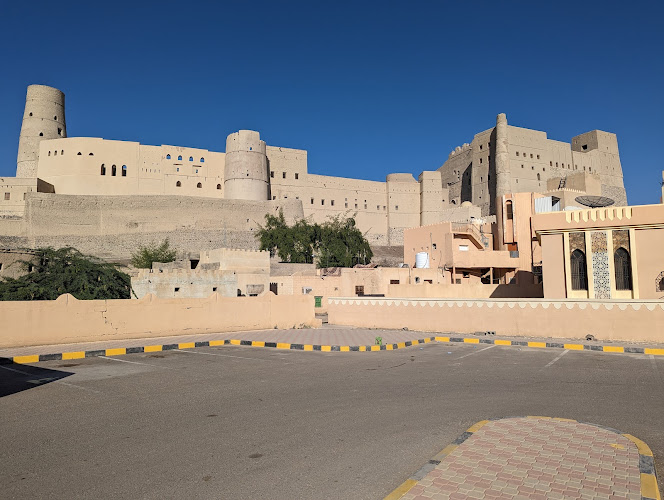
Standing proudly in Oman's interior since 1675, Jabreen Castle represents one of the most remarkable examples of Islamic architecture you'll encounter in the Arabian Peninsula. This isn't just another fort - it's a masterpiece that was originally designed as both a palace and center of learning during the Ya'arubi dynasty.
What strikes you immediately about Jabreen is how different it feels from other Omani fortifications. While most forts were built purely for defense, this castle was crafted with education and elegance in mind. The architects clearly had bigger ambitions than just creating another military stronghold. And honestly, they succeeded brilliantly.
The castle's two distinctive towers rise majestically above the surrounding date palms, creating a silhouette that's become iconic across Oman. But the real magic happens inside those walls. Room after room reveals intricate painted ceilings that have somehow survived over three centuries in this desert climate - a testament to both the skill of the original craftsmen and the dedication of modern conservators.
I remember my first visit here, expecting just another historical site to tick off the list. But walking through those corridors, with sunlight filtering through traditional wooden windows onto geometric patterns that seemed to dance on the walls, I realized this place had something special. The audio guide (which is surprisingly well-done) reveals stories about the scholars who once debated in these very rooms, the astronomical observations made from the towers, and the daily life of a 17th-century Omani court.
The preservation work here deserves serious recognition. Unlike some historical sites that feel sterile or overly restored, Jabreen maintains an authentic atmosphere while ensuring visitors can safely explore every accessible corner. The painted ceilings alone justify the visit - each room features different motifs and color schemes that reflect the sophisticated artistic traditions of the period.
Key Features
Jabreen Castle offers visitors an exceptional range of architectural and cultural highlights that set it apart from other historical attractions in Oman:
- Painted Ceiling Masterpieces - Each room showcases unique ceiling artwork featuring geometric patterns, floral motifs, and Arabic calligraphy in colors that remain surprisingly vibrant after 350 years
- Twin Tower Design - The castle's two distinctive towers served different purposes, with one functioning as an astronomical observatory and the other as a defensive lookout point
- Comprehensive Audio Guide System - Professional narration available in multiple languages provides detailed historical context and architectural insights throughout your visit
- Original Wooden Architecture - Intricately carved wooden doors, window frames, and interior elements showcase traditional Omani craftsmanship techniques
- Educational Heritage - Purpose-built rooms designed for scholarly activities, including a library area and spaces for astronomical studies
- Accessibility Features - Wheelchair-accessible entrance and parking facilities make the castle welcoming to visitors with mobility needs
- Photography Opportunities - Interior courtyards and rooftop areas provide exceptional vantage points for capturing both architectural details and surrounding landscape views
- Climate-Controlled Spaces - Traditional cooling systems and modern conservation techniques maintain comfortable temperatures year-round
- Interactive Displays - Modern interpretive materials complement the historical structure without overwhelming the authentic atmosphere
- Panoramic Views - Upper levels offer sweeping vistas across the date palm oases and distant Hajar Mountains
Best Time to Visit
Timing your visit to Jabreen Castle can make the difference between a good experience and an absolutely memorable one. The optimal window runs from October through March, when temperatures hover in that sweet spot of 20-25°C (68-77°F) during the day.
I've visited during both peak summer and the cooler months, and trust me - you want to avoid June through August if possible. Those painted ceilings are stunning, but you won't appreciate them properly when you're fighting 45°C heat and humidity. The castle does have some climate control, but it's a historical building with limitations.
Early morning visits (8:00-10:00 AM) offer several advantages beyond just cooler temperatures. The lighting during these hours creates absolutely magical effects as it filters through the traditional windows and illuminates those intricate ceiling paintings. Plus, you'll have more space to explore and photograph without crowds.
Late afternoon visits (4:00-6:00 PM) work well too, especially during winter months. The golden hour lighting on the exterior walls creates perfect conditions for photography, and the interior stays comfortable as outside temperatures begin dropping.
Weekend mornings tend to be busier with local families - which honestly adds to the atmosphere - but if you prefer a quieter, more contemplative experience, weekday visits give you more room to absorb the castle's peaceful ambiance.
During Ramadan, operating hours shift significantly, so check current schedules before planning your visit. The castle typically closes earlier during this period, but the reduced crowds can make for a more intimate experience.
How to Get There
Reaching Jabreen Castle requires a bit of planning, but the journey itself offers glimpses of Oman's diverse landscapes that make the trip worthwhile. The castle sits approximately 170 kilometers from Muscat - about a 2-hour drive that takes you from coastal plains into the country's mountainous interior.
Driving remains the most practical option for most visitors. From Muscat, take the main highway toward Nizwa, following signs for the interior regions. The roads are excellent - modern, well-maintained highways that make the journey comfortable in any standard vehicle. You don't need a 4WD for this trip, despite what some outdated guides might suggest.
The route from Nizwa to Jabreen covers just 25 kilometers, but don't rush this section. The landscape changes dramatically as you leave the main commercial center behind. Date palm oases appear between rocky outcrops, and traditional villages provide glimpses of rural Omani life that hasn't changed much over decades.
Parking at the castle is straightforward, with dedicated spaces including wheelchair-accessible spots close to the entrance. The parking area gets busy during peak tourist season (December-February), so arriving early morning gives you better options.
Public transportation to Jabreen exists but requires patience and flexibility. Buses run from Muscat to Nizwa regularly, then you'll need to arrange local transport or taxi service for the final stretch. This adds time and complexity, but some travelers enjoy the authentic experience of using local transport systems.
Tour groups offer another alternative, particularly for first-time visitors to Oman. Many operators combine Jabreen with nearby attractions like Bahla Fort or the Nizwa souq, creating full-day itineraries. But honestly, I prefer the flexibility of independent travel here - you can spend as much time as you want studying those ceiling paintings without feeling rushed by group schedules.
Tips for Visiting
Getting the most from your Jabreen Castle experience requires more than just showing up with a camera. After multiple visits over the years, I've learned several strategies that significantly enhance the experience.
First, definitely invest in the audio guide. I initially skipped it thinking I could just wander and absorb the atmosphere, but you miss so much context without the narration. The stories about astronomical observations conducted from the towers, the significance of different ceiling patterns, and details about daily life during the Ya'arubi period transform what might otherwise be just pretty rooms into meaningful historical experiences.
Wear comfortable shoes with good grip. Those centuries-old stairs can be steep and worn smooth by countless visitors. I learned this the hard way during my second visit, nearly slipping while trying to capture a photo of the tower views.
Bring a good camera, but respect the photography guidelines. The interior lighting can be challenging - those painted ceilings look incredible to your eyes but often appear dark or muddy in photos without proper settings. If you're serious about photography, consider bringing a small tripod. Many visitors don't realize that slow shutter speeds can capture the ceiling details beautifully when natural light is limited.
Plan for at least two hours minimum. Rushing through Jabreen defeats the purpose entirely. This isn't a place for quick selfies and moving on. Each room deserves attention, and the audio guide provides enough detail to easily fill an entire morning.
The gift shop actually stocks some quality items, unlike many tourist attractions. Local crafts, books about Omani history, and postcards featuring the castle's architecture make worthwhile souvenirs. Plus, purchases support ongoing conservation efforts.
Dress conservatively and comfortably. This means covering shoulders and knees, but also wearing breathable fabrics since you'll be walking and climbing stairs. The castle maintains cooler temperatures than outside, but you'll still want clothing that allows easy movement.
Consider combining your visit with other nearby attractions, but don't overpack your schedule. Bahla Fort sits just a few kilometers away, and the Nizwa souq offers authentic shopping experiences. However, castle fatigue is real - seeing multiple forts in one day can blur together. Sometimes focusing on one site thoroughly beats rushing through several superficially.
And here's something most guides don't mention: bring water and snacks. The nearest restaurants are back in Nizwa, and exploring the castle thoroughly can work up an appetite. Having refreshments means you can take breaks in the courtyard areas and really soak in the atmosphere without feeling rushed to find food.
Key Features
- 17th-century palace-fort architecture with painted interiors and carved wooden ceilings
- Multi-level layout including private chambers, library and armory
- Rooftop terraces offering panoramic views of the surrounding plain and palm oasis
- Detailed stucco work, inscriptions and well-preserved decorative motifs
- Close proximity to Bahla Fort (UNESCO site), enabling combined visits
More Details
Updated September 14, 2025
Table of Contents
Description
Standing proudly in Oman’s interior since 1675, Jabreen Castle represents one of the most remarkable examples of Islamic architecture you’ll encounter in the Arabian Peninsula. This isn’t just another fort – it’s a masterpiece that was originally designed as both a palace and center of learning during the Ya’arubi dynasty.
What strikes you immediately about Jabreen is how different it feels from other Omani fortifications. While most forts were built purely for defense, this castle was crafted with education and elegance in mind. The architects clearly had bigger ambitions than just creating another military stronghold. And honestly, they succeeded brilliantly.
The castle’s two distinctive towers rise majestically above the surrounding date palms, creating a silhouette that’s become iconic across Oman. But the real magic happens inside those walls. Room after room reveals intricate painted ceilings that have somehow survived over three centuries in this desert climate – a testament to both the skill of the original craftsmen and the dedication of modern conservators.
I remember my first visit here, expecting just another historical site to tick off the list. But walking through those corridors, with sunlight filtering through traditional wooden windows onto geometric patterns that seemed to dance on the walls, I realized this place had something special. The audio guide (which is surprisingly well-done) reveals stories about the scholars who once debated in these very rooms, the astronomical observations made from the towers, and the daily life of a 17th-century Omani court.
The preservation work here deserves serious recognition. Unlike some historical sites that feel sterile or overly restored, Jabreen maintains an authentic atmosphere while ensuring visitors can safely explore every accessible corner. The painted ceilings alone justify the visit – each room features different motifs and color schemes that reflect the sophisticated artistic traditions of the period.
Key Features
Jabreen Castle offers visitors an exceptional range of architectural and cultural highlights that set it apart from other historical attractions in Oman:
- Painted Ceiling Masterpieces – Each room showcases unique ceiling artwork featuring geometric patterns, floral motifs, and Arabic calligraphy in colors that remain surprisingly vibrant after 350 years
- Twin Tower Design – The castle’s two distinctive towers served different purposes, with one functioning as an astronomical observatory and the other as a defensive lookout point
- Comprehensive Audio Guide System – Professional narration available in multiple languages provides detailed historical context and architectural insights throughout your visit
- Original Wooden Architecture – Intricately carved wooden doors, window frames, and interior elements showcase traditional Omani craftsmanship techniques
- Educational Heritage – Purpose-built rooms designed for scholarly activities, including a library area and spaces for astronomical studies
- Accessibility Features – Wheelchair-accessible entrance and parking facilities make the castle welcoming to visitors with mobility needs
- Photography Opportunities – Interior courtyards and rooftop areas provide exceptional vantage points for capturing both architectural details and surrounding landscape views
- Climate-Controlled Spaces – Traditional cooling systems and modern conservation techniques maintain comfortable temperatures year-round
- Interactive Displays – Modern interpretive materials complement the historical structure without overwhelming the authentic atmosphere
- Panoramic Views – Upper levels offer sweeping vistas across the date palm oases and distant Hajar Mountains
Best Time to Visit
Timing your visit to Jabreen Castle can make the difference between a good experience and an absolutely memorable one. The optimal window runs from October through March, when temperatures hover in that sweet spot of 20-25°C (68-77°F) during the day.
I’ve visited during both peak summer and the cooler months, and trust me – you want to avoid June through August if possible. Those painted ceilings are stunning, but you won’t appreciate them properly when you’re fighting 45°C heat and humidity. The castle does have some climate control, but it’s a historical building with limitations.
Early morning visits (8:00-10:00 AM) offer several advantages beyond just cooler temperatures. The lighting during these hours creates absolutely magical effects as it filters through the traditional windows and illuminates those intricate ceiling paintings. Plus, you’ll have more space to explore and photograph without crowds.
Late afternoon visits (4:00-6:00 PM) work well too, especially during winter months. The golden hour lighting on the exterior walls creates perfect conditions for photography, and the interior stays comfortable as outside temperatures begin dropping.
Weekend mornings tend to be busier with local families – which honestly adds to the atmosphere – but if you prefer a quieter, more contemplative experience, weekday visits give you more room to absorb the castle’s peaceful ambiance.
During Ramadan, operating hours shift significantly, so check current schedules before planning your visit. The castle typically closes earlier during this period, but the reduced crowds can make for a more intimate experience.
How to Get There
Reaching Jabreen Castle requires a bit of planning, but the journey itself offers glimpses of Oman’s diverse landscapes that make the trip worthwhile. The castle sits approximately 170 kilometers from Muscat – about a 2-hour drive that takes you from coastal plains into the country’s mountainous interior.
Driving remains the most practical option for most visitors. From Muscat, take the main highway toward Nizwa, following signs for the interior regions. The roads are excellent – modern, well-maintained highways that make the journey comfortable in any standard vehicle. You don’t need a 4WD for this trip, despite what some outdated guides might suggest.
The route from Nizwa to Jabreen covers just 25 kilometers, but don’t rush this section. The landscape changes dramatically as you leave the main commercial center behind. Date palm oases appear between rocky outcrops, and traditional villages provide glimpses of rural Omani life that hasn’t changed much over decades.
Parking at the castle is straightforward, with dedicated spaces including wheelchair-accessible spots close to the entrance. The parking area gets busy during peak tourist season (December-February), so arriving early morning gives you better options.
Public transportation to Jabreen exists but requires patience and flexibility. Buses run from Muscat to Nizwa regularly, then you’ll need to arrange local transport or taxi service for the final stretch. This adds time and complexity, but some travelers enjoy the authentic experience of using local transport systems.
Tour groups offer another alternative, particularly for first-time visitors to Oman. Many operators combine Jabreen with nearby attractions like Bahla Fort or the Nizwa souq, creating full-day itineraries. But honestly, I prefer the flexibility of independent travel here – you can spend as much time as you want studying those ceiling paintings without feeling rushed by group schedules.
Tips for Visiting
Getting the most from your Jabreen Castle experience requires more than just showing up with a camera. After multiple visits over the years, I’ve learned several strategies that significantly enhance the experience.
First, definitely invest in the audio guide. I initially skipped it thinking I could just wander and absorb the atmosphere, but you miss so much context without the narration. The stories about astronomical observations conducted from the towers, the significance of different ceiling patterns, and details about daily life during the Ya’arubi period transform what might otherwise be just pretty rooms into meaningful historical experiences.
Wear comfortable shoes with good grip. Those centuries-old stairs can be steep and worn smooth by countless visitors. I learned this the hard way during my second visit, nearly slipping while trying to capture a photo of the tower views.
Bring a good camera, but respect the photography guidelines. The interior lighting can be challenging – those painted ceilings look incredible to your eyes but often appear dark or muddy in photos without proper settings. If you’re serious about photography, consider bringing a small tripod. Many visitors don’t realize that slow shutter speeds can capture the ceiling details beautifully when natural light is limited.
Plan for at least two hours minimum. Rushing through Jabreen defeats the purpose entirely. This isn’t a place for quick selfies and moving on. Each room deserves attention, and the audio guide provides enough detail to easily fill an entire morning.
The gift shop actually stocks some quality items, unlike many tourist attractions. Local crafts, books about Omani history, and postcards featuring the castle’s architecture make worthwhile souvenirs. Plus, purchases support ongoing conservation efforts.
Dress conservatively and comfortably. This means covering shoulders and knees, but also wearing breathable fabrics since you’ll be walking and climbing stairs. The castle maintains cooler temperatures than outside, but you’ll still want clothing that allows easy movement.
Consider combining your visit with other nearby attractions, but don’t overpack your schedule. Bahla Fort sits just a few kilometers away, and the Nizwa souq offers authentic shopping experiences. However, castle fatigue is real – seeing multiple forts in one day can blur together. Sometimes focusing on one site thoroughly beats rushing through several superficially.
And here’s something most guides don’t mention: bring water and snacks. The nearest restaurants are back in Nizwa, and exploring the castle thoroughly can work up an appetite. Having refreshments means you can take breaks in the courtyard areas and really soak in the atmosphere without feeling rushed to find food.
Key Highlights
- 17th-century palace-fort architecture with painted interiors and carved wooden ceilings
- Multi-level layout including private chambers, library and armory
- Rooftop terraces offering panoramic views of the surrounding plain and palm oasis
- Detailed stucco work, inscriptions and well-preserved decorative motifs
- Close proximity to Bahla Fort (UNESCO site), enabling combined visits
Location
Places to Stay Near Jabreen Castle
Find and Book a Tour
Explore More Travel Guides
No reviews found! Be the first to review!
Traveler Reviews for Jabreen Castle
There are no reviews yet. Be the first one to write one.
Have you visited Jabreen Castle? Help other travelers by sharing your review.
Nearby Attractions
You Might Also Like
Find Accommodations Nearby
Recommended Tours & Activities
Visitor Reviews
There are no reviews yet. Be the first one to write one.
Share Your Experience
Have you visited Jabreen Castle? Help other travelers by leaving a review.