
Izvorul Bigar
About Izvorul Bigar
Description
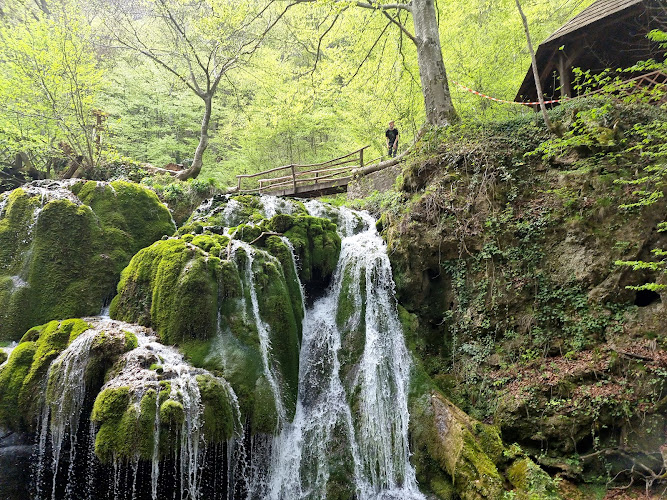
Alright, let’s get one thing out of the way: Izvorul Bigar isn’t just another waterfall. It’s the kind of spot you see in a glossy magazine and think, “There’s no way that’s real,” but it totally is—well, or at least was, in its classic picture-perfect form. (Long-timers or folks who follow nature news might know about the partial collapse of the famous mossy mushroom-shaped cascade in 2021. But you know what? Even with those changes, the place remains one of Romania’s most enchanting water-based spectacles.)
At its core, Izvorul Bigar is less about roaring thunder and high drama and more about delicate, almost magical beauty. Water seeps and spills over a rounded moss-covered cliff, splitting into countless twinkling ribbons. Honestly, I’ve visited a heap of waterfalls around Europe—some you can hear a mile off, others you can’t even find unless someone gives you a nudge—but Bigar’s intricate streaming effect just sits in this astonishing sweet spot of quiet, mesmerizing energy. You don’t need to be a seasoned hiker or a hard-core nature buff to appreciate it.
Families show up with picnic baskets, hikers stretch their legs along a wooden footbridge, photographers jostle for a great angle, and kids—well, they seem to genuinely think they’re on the set of a fairytale. I’ve chatted with locals who remember coming here as children and still visit with their own little ones. It’s not all sunshine and butterflies, though. Sometimes it gets crowded, especially on sunny weekends or during summer vacations, and the parking can be a bit tight if you cut it close. But the appeal isn’t really up for debate: Izvorul Bigar is beloved for a reason, even with its quirks and the changes nature has served it.
Key Features
- Unusual Waterfall Formation: Water gently fans out over a lush, mossy cliff, creating dozens of delicate streams (think a green umbrella showering tendrils of crystal-clear water).
- Charming Nature Preserve: Nestled in the Anina Mountains, the surrounding Cheile Nerei–Beușnița National Park offers rich forests, wildflowers, and tranquil walking trails. Honestly, you may spend as much time gawking at the scenery as you do at the water.
- Family and Pet Friendly: Paths are fairly easy. Even if your boots haven’t seen mud in months, you’ll do just fine. Bring the kids, let them roam, and yes—dogs can tag along (on leashes, though).
- Wooden Pathways and Viewing Decks: Thoughtfully constructed walkways mean you don’t have to bushwhack your way in—plus, you’ll get some striking vantage points for those envy-inducing travel photos.
- Picnic Areas On-site: Rustic wooden picnic tables and open spaces invite visitors to settle in, snack, and listen to the rushing water. If you’re anything like me, sandwich tastes at least 20% better out here.
- Kid-Friendly Hikes: Short, manageable distances combined with gentle gradients—no Everest-scale ambitions needed.
- Educational Value: Interpretive signage shares local legends. The spring (the "izvorul" part) is said to have mystical properties—half local legend, half awesome story to tell your friends back home.
- Consistent Water Flow: Thanks to the spring source, the falls maintain an ever-present trickle even during dryer summers. It’s rarely just a sad mossy rock, which isn’t always the case with European waterfalls.
Best Time to Visit
Alright, let’s talk seasons. Summer gets all the attention, but in my opinion, late spring—think May or early June—absolutely nails the experience. That’s when the moss is impossibly green, fed by late rains, and the rush of water is energetic but not overwhelming. The crowds are just starting to trickle in, but you can still snag a bench (or a decent chunk of space for your Insta shoot) without elbowing 40 other visitors.
Autumn, though—a different kind of magic. Those fiery beech and maple leaves? They set the whole area aglow, and the climate’s often just cool enough to make you want to linger over a coffee in the fresh air. I had this one trip in late September. There was a bit of morning fog clinging to the branches, dew all over the grass, and it made the place feel like something out of a fantasy novel. Winter’s a wildcard. Sometimes the falls freeze, and if you hit it just right, you get jaw-dropping icicle formations. But, and it’s a big but, access can be tricky in snow or icy weather—and forget about that picnic.
Avoid high noon on weekends in midsummer unless you’re a fan of queues and busloads of tour groups. Early mornings usually mean more peace, and the light on the moss is extra dreamy.
How to Get There
Traveling to Izvorul Bigar can feel a bit like a “choose your own adventure,” depending on how far you’re coming. Most visitors drive in—Romania’s major roads get you close, then you wind through some really scenic (sometimes slow) mountain byways. If you’re familiar with the area or have local friends, it’s worth asking for road tips; GPS is mostly reliable, but buildings and old forest may cause a glitch or two.
There’s a modest parking lot, but don’t be shocked if it fills up by midday on weekends or holidays. I learned that the hard way once—arrived at 1pm, found the lot full, and ended up walking a dusty extra kilometer from a farmer’s field. Upside? Got to have a chat with a shepherd and his flock, so not all was lost.
Public transport options are, let’s be honest, limited. Closest towns with bus or train stations aren’t "just" a stone’s throw away. You could manage a taxi from local guesthouses, but pre-arrange pickups, especially if you don’t speak Romanian; likewise, double-check return options unless you fancy spending the night under the stars (which, admittedly, might not be the worst).
Tips for Visiting
If you want to make the most out of your Bigar trip, here’s my honest, slightly rambling take:
- Arrive early. Seriously—it makes all the difference. You’ll get better light for photos, quieter trails, and less parking headache.
- Bring cash. Small entrance or parking fees are sometimes asked, and the nearest ATM is nowhere near “near.” I’ve overheard more than one tourist muttering about this after a long ride.
- Packing snacks is a smart move. There are few, sometimes no, vendors right at the site. The aforementioned picnic tables make for an easy break.
- Wear comfortable shoes. The paths are generally manageable, but after rain, things do get muddy. Sneakers or boots > sandals.
- Respect the site’s boundaries. There are ropes for a reason—erosion and moss-damage are real issues, especially after heavy visitation. Plus, climbing the falls isn’t allowed (and isn’t safe!).
- Dogs are welcome, but please keep them leashed and pick up after them. The local wildlife—and other visitors—will thank you.
- Take your trash with you. There’s an old saying: “Leave nothing but footprints,” and honestly, Bigar’s charm isn’t just natural, it’s the effort to keep it beautiful too.
- Be weather-wise. Dress in layers, and check the forecast. Showers pop up fast in the hills; a light raincoat has saved me more than once.
Last thing: don’t just race in, snap the classic shot, and run. Take time to breathe in the air, watch the water fanning out, maybe swap travel stories with a local or fellow wanderer. Izvorul Bigar has personality, and—despite its fame—still rewards those who pause and look a little longer. If you get the chance, visit at different times of year; you’ll find it’s never quite the same twice. That, if you ask me, is the best kind of travel surprise.
Key Features
- Unusual Waterfall Formation: Water gently fans out over a lush, mossy cliff, creating dozens of delicate streams (think a green umbrella showering tendrils of crystal-clear water).
- Kid-Friendly Hikes: Short, manageable distances combined with gentle gradients—no Everest-scale ambitions needed.
More Details
Updated July 6, 2025
Table of Contents
Description
Alright, let’s get one thing out of the way: Izvorul Bigar isn’t just another waterfall. It’s the kind of spot you see in a glossy magazine and think, “There’s no way that’s real,” but it totally is—well, or at least was, in its classic picture-perfect form. (Long-timers or folks who follow nature news might know about the partial collapse of the famous mossy mushroom-shaped cascade in 2021. But you know what? Even with those changes, the place remains one of Romania’s most enchanting water-based spectacles.)
At its core, Izvorul Bigar is less about roaring thunder and high drama and more about delicate, almost magical beauty. Water seeps and spills over a rounded moss-covered cliff, splitting into countless twinkling ribbons. Honestly, I’ve visited a heap of waterfalls around Europe—some you can hear a mile off, others you can’t even find unless someone gives you a nudge—but Bigar’s intricate streaming effect just sits in this astonishing sweet spot of quiet, mesmerizing energy. You don’t need to be a seasoned hiker or a hard-core nature buff to appreciate it.
Families show up with picnic baskets, hikers stretch their legs along a wooden footbridge, photographers jostle for a great angle, and kids—well, they seem to genuinely think they’re on the set of a fairytale. I’ve chatted with locals who remember coming here as children and still visit with their own little ones. It’s not all sunshine and butterflies, though. Sometimes it gets crowded, especially on sunny weekends or during summer vacations, and the parking can be a bit tight if you cut it close. But the appeal isn’t really up for debate: Izvorul Bigar is beloved for a reason, even with its quirks and the changes nature has served it.
Key Features
- Unusual Waterfall Formation: Water gently fans out over a lush, mossy cliff, creating dozens of delicate streams (think a green umbrella showering tendrils of crystal-clear water).
- Charming Nature Preserve: Nestled in the Anina Mountains, the surrounding Cheile Nerei–Beușnița National Park offers rich forests, wildflowers, and tranquil walking trails. Honestly, you may spend as much time gawking at the scenery as you do at the water.
- Family and Pet Friendly: Paths are fairly easy. Even if your boots haven’t seen mud in months, you’ll do just fine. Bring the kids, let them roam, and yes—dogs can tag along (on leashes, though).
- Wooden Pathways and Viewing Decks: Thoughtfully constructed walkways mean you don’t have to bushwhack your way in—plus, you’ll get some striking vantage points for those envy-inducing travel photos.
- Picnic Areas On-site: Rustic wooden picnic tables and open spaces invite visitors to settle in, snack, and listen to the rushing water. If you’re anything like me, sandwich tastes at least 20% better out here.
- Kid-Friendly Hikes: Short, manageable distances combined with gentle gradients—no Everest-scale ambitions needed.
- Educational Value: Interpretive signage shares local legends. The spring (the “izvorul” part) is said to have mystical properties—half local legend, half awesome story to tell your friends back home.
- Consistent Water Flow: Thanks to the spring source, the falls maintain an ever-present trickle even during dryer summers. It’s rarely just a sad mossy rock, which isn’t always the case with European waterfalls.
Best Time to Visit
Alright, let’s talk seasons. Summer gets all the attention, but in my opinion, late spring—think May or early June—absolutely nails the experience. That’s when the moss is impossibly green, fed by late rains, and the rush of water is energetic but not overwhelming. The crowds are just starting to trickle in, but you can still snag a bench (or a decent chunk of space for your Insta shoot) without elbowing 40 other visitors.
Autumn, though—a different kind of magic. Those fiery beech and maple leaves? They set the whole area aglow, and the climate’s often just cool enough to make you want to linger over a coffee in the fresh air. I had this one trip in late September. There was a bit of morning fog clinging to the branches, dew all over the grass, and it made the place feel like something out of a fantasy novel. Winter’s a wildcard. Sometimes the falls freeze, and if you hit it just right, you get jaw-dropping icicle formations. But, and it’s a big but, access can be tricky in snow or icy weather—and forget about that picnic.
Avoid high noon on weekends in midsummer unless you’re a fan of queues and busloads of tour groups. Early mornings usually mean more peace, and the light on the moss is extra dreamy.
How to Get There
Traveling to Izvorul Bigar can feel a bit like a “choose your own adventure,” depending on how far you’re coming. Most visitors drive in—Romania’s major roads get you close, then you wind through some really scenic (sometimes slow) mountain byways. If you’re familiar with the area or have local friends, it’s worth asking for road tips; GPS is mostly reliable, but buildings and old forest may cause a glitch or two.
There’s a modest parking lot, but don’t be shocked if it fills up by midday on weekends or holidays. I learned that the hard way once—arrived at 1pm, found the lot full, and ended up walking a dusty extra kilometer from a farmer’s field. Upside? Got to have a chat with a shepherd and his flock, so not all was lost.
Public transport options are, let’s be honest, limited. Closest towns with bus or train stations aren’t “just” a stone’s throw away. You could manage a taxi from local guesthouses, but pre-arrange pickups, especially if you don’t speak Romanian; likewise, double-check return options unless you fancy spending the night under the stars (which, admittedly, might not be the worst).
Tips for Visiting
If you want to make the most out of your Bigar trip, here’s my honest, slightly rambling take:
- Arrive early. Seriously—it makes all the difference. You’ll get better light for photos, quieter trails, and less parking headache.
- Bring cash. Small entrance or parking fees are sometimes asked, and the nearest ATM is nowhere near “near.” I’ve overheard more than one tourist muttering about this after a long ride.
- Packing snacks is a smart move. There are few, sometimes no, vendors right at the site. The aforementioned picnic tables make for an easy break.
- Wear comfortable shoes. The paths are generally manageable, but after rain, things do get muddy. Sneakers or boots > sandals.
- Respect the site’s boundaries. There are ropes for a reason—erosion and moss-damage are real issues, especially after heavy visitation. Plus, climbing the falls isn’t allowed (and isn’t safe!).
- Dogs are welcome, but please keep them leashed and pick up after them. The local wildlife—and other visitors—will thank you.
- Take your trash with you. There’s an old saying: “Leave nothing but footprints,” and honestly, Bigar’s charm isn’t just natural, it’s the effort to keep it beautiful too.
- Be weather-wise. Dress in layers, and check the forecast. Showers pop up fast in the hills; a light raincoat has saved me more than once.
Last thing: don’t just race in, snap the classic shot, and run. Take time to breathe in the air, watch the water fanning out, maybe swap travel stories with a local or fellow wanderer. Izvorul Bigar has personality, and—despite its fame—still rewards those who pause and look a little longer. If you get the chance, visit at different times of year; you’ll find it’s never quite the same twice. That, if you ask me, is the best kind of travel surprise.
Key Highlights
- Unusual Waterfall Formation: Water gently fans out over a lush, mossy cliff, creating dozens of delicate streams (think a green umbrella showering tendrils of crystal-clear water).
- Kid-Friendly Hikes: Short, manageable distances combined with gentle gradients—no Everest-scale ambitions needed.
Location
Places to Stay Near Izvorul Bigar
Find and Book a Tour
Explore More Travel Guides
No reviews found! Be the first to review!
Traveler Reviews for Izvorul Bigar
There are no reviews yet. Be the first one to write one.
Have you visited Izvorul Bigar? Help other travelers by sharing your review.
You Might Also Like
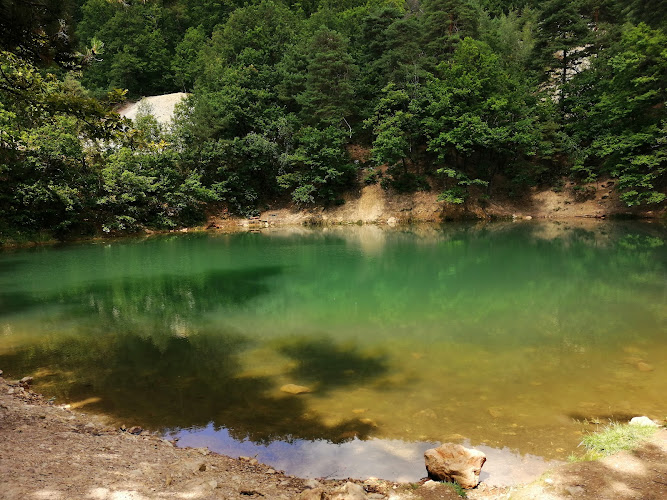
Blue Lake
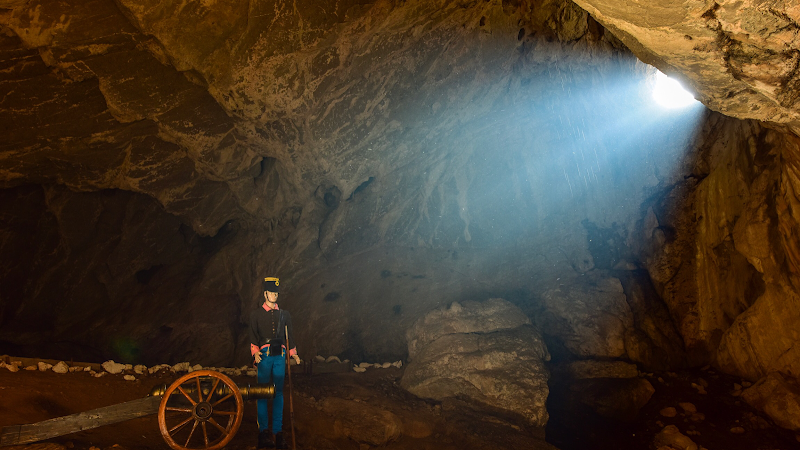
Veterani Cave

Bicaz Gorges
Find Accommodations Nearby
Recommended Tours & Activities
Visitor Reviews
There are no reviews yet. Be the first one to write one.
Share Your Experience
Have you visited Izvorul Bigar? Help other travelers by leaving a review.