

Izmaylovo Estate
About Izmaylovo Estate
Description
The Izmaylovo Estate stands as one of Moscow's most underappreciated treasures, and honestly, it deserves way more attention than it gets. This former royal residence served as a country retreat for the Romanov dynasty, and walking through its grounds feels like stepping into a different era entirely. The estate sprawls across an impressive parkland area where old manor houses rise up against a backdrop of towering trees and meandering pathways. I remember my first visit here – I'd spent the morning at more famous Moscow attractions and almost skipped Izmaylovo because it wasn't on every tourist's radar. What a mistake that would have been. The moment you enter through the gates, there's this palpable shift in atmosphere. The city noise fades away, replaced by birdsong and the rustle of leaves overhead. The architectural ensemble here isn't just beautiful; it's historically significant. The estate was actually the birthplace of Peter the Great in 1672, which automatically makes it an essential stop for anyone interested in Russian history. But beyond the big names and dates, what really strikes visitors is how well-preserved everything feels. The manor houses maintain their imposing presence, their facades telling stories of royal hunting parties, elaborate feasts, and the daily rhythms of imperial life. The church on the grounds – the Cathedral of the Intercession – is an absolute stunner with its colorful tiles and traditional Russian Orthodox architecture. And unlike some tourist sites where you're constantly jostling for space, Izmaylovo often feels wonderfully uncrowded. You can actually take your time, sit on a bench, and just absorb the atmosphere without someone's selfie stick invading your personal space.Key Features
The Izmaylovo Estate offers visitors a remarkable collection of historical and architectural elements that make it stand out among Moscow's many attractions:- The Bridge Tower (Mostovaya Bashnya) – an iconic entrance structure with striking polychrome tilework that's become the estate's most photographed feature
- Cathedral of the Intercession – a stunning example of 17th-century Russian church architecture with vibrant ceramic decorations
- Peter the Great's birthplace memorial – marking the exact location where one of Russia's most famous rulers entered the world
- Extensive parkland perfect for leisurely walks, with mature trees providing shade and creating a peaceful atmosphere year-round
- The Royal Manor complex – several preserved buildings showcasing traditional Russian architectural styles from the Romanov period
- Full wheelchair accessibility including entrance ramps and designated parking areas, making it genuinely inclusive for all visitors
- Izmailovo Kremlin nearby – a modern cultural complex built in traditional Russian style, housing craft markets and museums
- Beautiful photo opportunities at every turn, from architectural details to natural landscapes
- Significantly fewer crowds compared to Moscow's more famous estates like Kolomenskoye or Tsaritsyno
- Free admission to the park grounds, with modest fees only for entering specific buildings and museums
Best Time to Visit
Timing your visit to Izmaylovo Estate really depends on what kind of experience you're after, and I've got some thoughts based on multiple visits across different seasons. Summer months from June through August bring the estate to life in the most obvious ways. The parkland becomes lush and green, flowers bloom throughout the grounds, and you can spend hours wandering without feeling rushed indoors by weather. The extended daylight hours mean you can visit later in the evening when the golden hour light makes those manor houses look absolutely magical. But here's the thing – summer also brings the most visitors, particularly on weekends. If you're someone who values solitude and contemplation, you might find the increased foot traffic a bit distracting. Spring, particularly late April through May, offers something special. The trees begin budding, there's this sense of renewal in the air, and the weather's generally pleasant without being too hot. I visited once in early May and watched local families having picnics under the blossoming trees – it felt authentic and unpretentious in a way that some tourist sites never manage. Autumn might actually be my personal favorite time at Izmaylovo. September and October transform the estate into this golden wonderland. The leaves turn brilliant shades of amber and crimson, carpeting the pathways and creating this crunchy soundtrack to your explorations. The cooler temperatures mean you can walk comfortably for longer periods, and there's something poetic about experiencing a place so connected to Russian history during what feels like Russia's most characteristic season. Winter visits require more planning and proper clothing, but they offer their own rewards. The estate covered in snow looks like something from a fairy tale, and the architecture stands out even more starkly against white backgrounds. Just be prepared for shorter daylight hours and potentially icy pathways. The indoor spaces become more appealing during winter months, so it's actually a great time to really explore the museum collections. Weekdays generally offer a quieter experience regardless of season. If your schedule allows, visiting on a Tuesday or Wednesday means you'll have more space to yourself and better photo opportunities without crowds in your shots.How to Get There
Getting to Izmaylovo Estate is surprisingly straightforward, and Moscow's public transportation system makes it accessible even for first-time visitors who might feel intimidated by a massive foreign city. The Moscow Metro remains your best bet for reaching the estate efficiently. The nearest station is Partizanskaya on the dark blue Arbatsko-Pokrovskaya Line. From there, it's roughly a 10-minute walk to the main entrance. Once you exit the metro, follow the crowds or use your phone's map function – the estate is well-signposted in this area, and locals are generally helpful if you need to ask directions. Alternatively, you can use Shosse Entuziastov station, also on the same metro line, which puts you at a similar walking distance. Some visitors actually prefer this route because the walk takes you through a bit more of the surrounding neighborhood, giving you a sense of everyday Moscow life beyond the tourist sites. If you're staying in central Moscow, the metro journey takes about 20-30 minutes depending on your starting point. The metro system itself is an attraction worth experiencing – the stations are famously ornate, and you'll probably want to take photos in some of them anyway. Taxi services like Yandex Taxi or Uber operate throughout Moscow and can drop you directly at the estate entrance. This option makes sense if you're traveling with mobility concerns or simply prefer door-to-door convenience. The cost from central Moscow typically runs between 300-500 rubles depending on traffic and your exact starting location. For those driving, parking is available near the estate with designated wheelchair-accessible spots. However, Moscow traffic can be unpredictable, and parking in tourist areas fills up quickly on weekends. Unless you're already renting a car for other reasons, public transit generally provides a more reliable and less stressful experience. Many organized Moscow city tours include Izmaylovo as part of their itinerary, which solves the transportation question entirely. But honestly, this is such an easy place to reach independently that you probably don't need to pay for an organized tour unless you specifically want guided commentary.Tips for Visiting
After several visits to Izmaylovo Estate, I've picked up some practical wisdom that'll help you make the most of your time there. First off, wear comfortable walking shoes. I can't stress this enough. The estate grounds are extensive, and you'll be covering significant distance on various surfaces including cobblestones, dirt paths, and occasional uneven terrain. Those cute but impractical shoes you packed will betray you here. Bring cash in rubles. While Moscow increasingly accepts cards everywhere, smaller vendors near the estate and even some ticket booths prefer cash. Having a few hundred rubles on hand prevents frustrating situations where you can't buy that bottle of water or entrance ticket you need. Download an offline map of the area before you arrive. Cell service around the estate is generally fine, but having an offline backup ensures you won't get lost if technology fails you. The estate itself has decent signage, but the surrounding area can be a bit confusing for first-timers. Plan for at least 2-3 hours if you want to properly experience the estate. Many visitors underestimate how much there is to see and end up rushing through. If you're a history buff or photography enthusiast, you could easily spend half a day here. The lighting for photography is typically best in morning hours or late afternoon. Midday sun creates harsh shadows on the buildings, while golden hour light makes everything glow beautifully. If you're serious about getting great shots, time your visit accordingly. Combine your visit with the nearby Izmailovo Kremlin and market if you're interested in Russian handicrafts and souvenirs. This modern complex isn't historically authentic, but it's entertaining and offers better shopping opportunities than you'll find at most tourist sites. Just be prepared for vendors who'll try to negotiate prices – it's all part of the experience. Respect the church spaces appropriately. If you enter the Cathedral of the Intercession, dress modestly and maintain quiet. Women might want to bring a scarf for head covering, though this isn't always strictly enforced. Photography inside churches often isn't permitted, so check before snapping pictures. The estate hosts various cultural events and festivals throughout the year, particularly during summer months. Check the schedule before your visit – you might luck into a traditional music performance or historical reenactment that adds extra dimension to your experience. Pack snacks and water, especially during warmer months. While there are vendors around, having your own supplies means you can picnic anywhere in the beautiful parkland without needing to leave the grounds when hunger strikes. Visit early in the day on weekends if you want to avoid the biggest crowds. The estate opens around 10 AM, and arriving right at opening time gives you an hour or two of relative peace before the rush. Don't skip the smaller buildings and structures. Everyone photographs the Bridge Tower and main cathedral, but some of the peripheral buildings and architectural details tell equally interesting stories. Take time to wander off the main paths a bit. If you're visiting in winter, the indoor spaces provide welcome warmth. Plan your route so you can duck inside periodically to warm up rather than trying to power through the entire outdoor experience in one go. Finally, approach Izmaylovo with an open mind. It isn't Versailles or Peterhof – it's quieter, less restored, and more understated. But that's precisely what makes it special. This estate rewards visitors who take time to notice details, absorb atmosphere, and appreciate history without needing everything to be polished to theme-park perfection.Key Features
- 17th-century origins as a Romanov country residence
- Restored manor buildings and historic outbuildings
- Pokrovsky (Intercession) Church and other period architecture
- Ponds, island setting and landscaped parkland
- Regular guided tours and seasonal historical events
More Details
Updated January 18, 2026
Table of Contents
Description
The Izmaylovo Estate stands as one of Moscow’s most underappreciated treasures, and honestly, it deserves way more attention than it gets. This former royal residence served as a country retreat for the Romanov dynasty, and walking through its grounds feels like stepping into a different era entirely. The estate sprawls across an impressive parkland area where old manor houses rise up against a backdrop of towering trees and meandering pathways.
I remember my first visit here – I’d spent the morning at more famous Moscow attractions and almost skipped Izmaylovo because it wasn’t on every tourist’s radar. What a mistake that would have been. The moment you enter through the gates, there’s this palpable shift in atmosphere. The city noise fades away, replaced by birdsong and the rustle of leaves overhead.
The architectural ensemble here isn’t just beautiful; it’s historically significant. The estate was actually the birthplace of Peter the Great in 1672, which automatically makes it an essential stop for anyone interested in Russian history. But beyond the big names and dates, what really strikes visitors is how well-preserved everything feels. The manor houses maintain their imposing presence, their facades telling stories of royal hunting parties, elaborate feasts, and the daily rhythms of imperial life.
The church on the grounds – the Cathedral of the Intercession – is an absolute stunner with its colorful tiles and traditional Russian Orthodox architecture. And unlike some tourist sites where you’re constantly jostling for space, Izmaylovo often feels wonderfully uncrowded. You can actually take your time, sit on a bench, and just absorb the atmosphere without someone’s selfie stick invading your personal space.
Key Features
The Izmaylovo Estate offers visitors a remarkable collection of historical and architectural elements that make it stand out among Moscow’s many attractions:
- The Bridge Tower (Mostovaya Bashnya) – an iconic entrance structure with striking polychrome tilework that’s become the estate’s most photographed feature
- Cathedral of the Intercession – a stunning example of 17th-century Russian church architecture with vibrant ceramic decorations
- Peter the Great’s birthplace memorial – marking the exact location where one of Russia’s most famous rulers entered the world
- Extensive parkland perfect for leisurely walks, with mature trees providing shade and creating a peaceful atmosphere year-round
- The Royal Manor complex – several preserved buildings showcasing traditional Russian architectural styles from the Romanov period
- Full wheelchair accessibility including entrance ramps and designated parking areas, making it genuinely inclusive for all visitors
- Izmailovo Kremlin nearby – a modern cultural complex built in traditional Russian style, housing craft markets and museums
- Beautiful photo opportunities at every turn, from architectural details to natural landscapes
- Significantly fewer crowds compared to Moscow’s more famous estates like Kolomenskoye or Tsaritsyno
- Free admission to the park grounds, with modest fees only for entering specific buildings and museums
Best Time to Visit
Timing your visit to Izmaylovo Estate really depends on what kind of experience you’re after, and I’ve got some thoughts based on multiple visits across different seasons.
Summer months from June through August bring the estate to life in the most obvious ways. The parkland becomes lush and green, flowers bloom throughout the grounds, and you can spend hours wandering without feeling rushed indoors by weather. The extended daylight hours mean you can visit later in the evening when the golden hour light makes those manor houses look absolutely magical. But here’s the thing – summer also brings the most visitors, particularly on weekends. If you’re someone who values solitude and contemplation, you might find the increased foot traffic a bit distracting.
Spring, particularly late April through May, offers something special. The trees begin budding, there’s this sense of renewal in the air, and the weather’s generally pleasant without being too hot. I visited once in early May and watched local families having picnics under the blossoming trees – it felt authentic and unpretentious in a way that some tourist sites never manage.
Autumn might actually be my personal favorite time at Izmaylovo. September and October transform the estate into this golden wonderland. The leaves turn brilliant shades of amber and crimson, carpeting the pathways and creating this crunchy soundtrack to your explorations. The cooler temperatures mean you can walk comfortably for longer periods, and there’s something poetic about experiencing a place so connected to Russian history during what feels like Russia’s most characteristic season.
Winter visits require more planning and proper clothing, but they offer their own rewards. The estate covered in snow looks like something from a fairy tale, and the architecture stands out even more starkly against white backgrounds. Just be prepared for shorter daylight hours and potentially icy pathways. The indoor spaces become more appealing during winter months, so it’s actually a great time to really explore the museum collections.
Weekdays generally offer a quieter experience regardless of season. If your schedule allows, visiting on a Tuesday or Wednesday means you’ll have more space to yourself and better photo opportunities without crowds in your shots.
How to Get There
Getting to Izmaylovo Estate is surprisingly straightforward, and Moscow’s public transportation system makes it accessible even for first-time visitors who might feel intimidated by a massive foreign city.
The Moscow Metro remains your best bet for reaching the estate efficiently. The nearest station is Partizanskaya on the dark blue Arbatsko-Pokrovskaya Line. From there, it’s roughly a 10-minute walk to the main entrance. Once you exit the metro, follow the crowds or use your phone’s map function – the estate is well-signposted in this area, and locals are generally helpful if you need to ask directions.
Alternatively, you can use Shosse Entuziastov station, also on the same metro line, which puts you at a similar walking distance. Some visitors actually prefer this route because the walk takes you through a bit more of the surrounding neighborhood, giving you a sense of everyday Moscow life beyond the tourist sites.
If you’re staying in central Moscow, the metro journey takes about 20-30 minutes depending on your starting point. The metro system itself is an attraction worth experiencing – the stations are famously ornate, and you’ll probably want to take photos in some of them anyway.
Taxi services like Yandex Taxi or Uber operate throughout Moscow and can drop you directly at the estate entrance. This option makes sense if you’re traveling with mobility concerns or simply prefer door-to-door convenience. The cost from central Moscow typically runs between 300-500 rubles depending on traffic and your exact starting location.
For those driving, parking is available near the estate with designated wheelchair-accessible spots. However, Moscow traffic can be unpredictable, and parking in tourist areas fills up quickly on weekends. Unless you’re already renting a car for other reasons, public transit generally provides a more reliable and less stressful experience.
Many organized Moscow city tours include Izmaylovo as part of their itinerary, which solves the transportation question entirely. But honestly, this is such an easy place to reach independently that you probably don’t need to pay for an organized tour unless you specifically want guided commentary.
Tips for Visiting
After several visits to Izmaylovo Estate, I’ve picked up some practical wisdom that’ll help you make the most of your time there.
First off, wear comfortable walking shoes. I can’t stress this enough. The estate grounds are extensive, and you’ll be covering significant distance on various surfaces including cobblestones, dirt paths, and occasional uneven terrain. Those cute but impractical shoes you packed will betray you here.
Bring cash in rubles. While Moscow increasingly accepts cards everywhere, smaller vendors near the estate and even some ticket booths prefer cash. Having a few hundred rubles on hand prevents frustrating situations where you can’t buy that bottle of water or entrance ticket you need.
Download an offline map of the area before you arrive. Cell service around the estate is generally fine, but having an offline backup ensures you won’t get lost if technology fails you. The estate itself has decent signage, but the surrounding area can be a bit confusing for first-timers.
Plan for at least 2-3 hours if you want to properly experience the estate. Many visitors underestimate how much there is to see and end up rushing through. If you’re a history buff or photography enthusiast, you could easily spend half a day here.
The lighting for photography is typically best in morning hours or late afternoon. Midday sun creates harsh shadows on the buildings, while golden hour light makes everything glow beautifully. If you’re serious about getting great shots, time your visit accordingly.
Combine your visit with the nearby Izmailovo Kremlin and market if you’re interested in Russian handicrafts and souvenirs. This modern complex isn’t historically authentic, but it’s entertaining and offers better shopping opportunities than you’ll find at most tourist sites. Just be prepared for vendors who’ll try to negotiate prices – it’s all part of the experience.
Respect the church spaces appropriately. If you enter the Cathedral of the Intercession, dress modestly and maintain quiet. Women might want to bring a scarf for head covering, though this isn’t always strictly enforced. Photography inside churches often isn’t permitted, so check before snapping pictures.
The estate hosts various cultural events and festivals throughout the year, particularly during summer months. Check the schedule before your visit – you might luck into a traditional music performance or historical reenactment that adds extra dimension to your experience.
Pack snacks and water, especially during warmer months. While there are vendors around, having your own supplies means you can picnic anywhere in the beautiful parkland without needing to leave the grounds when hunger strikes.
Visit early in the day on weekends if you want to avoid the biggest crowds. The estate opens around 10 AM, and arriving right at opening time gives you an hour or two of relative peace before the rush.
Don’t skip the smaller buildings and structures. Everyone photographs the Bridge Tower and main cathedral, but some of the peripheral buildings and architectural details tell equally interesting stories. Take time to wander off the main paths a bit.
If you’re visiting in winter, the indoor spaces provide welcome warmth. Plan your route so you can duck inside periodically to warm up rather than trying to power through the entire outdoor experience in one go.
Finally, approach Izmaylovo with an open mind. It isn’t Versailles or Peterhof – it’s quieter, less restored, and more understated. But that’s precisely what makes it special. This estate rewards visitors who take time to notice details, absorb atmosphere, and appreciate history without needing everything to be polished to theme-park perfection.
Key Highlights
- 17th-century origins as a Romanov country residence
- Restored manor buildings and historic outbuildings
- Pokrovsky (Intercession) Church and other period architecture
- Ponds, island setting and landscaped parkland
- Regular guided tours and seasonal historical events
Location
Places to Stay Near Izmaylovo Estate
Find and Book a Tour
Explore More Travel Guides
No reviews found! Be the first to review!
Traveler Reviews for Izmaylovo Estate
There are no reviews yet. Be the first one to write one.
Have you visited Izmaylovo Estate? Help other travelers by sharing your review.
Nearby Attractions
You Might Also Like

Alexander Garden

Museum of the History of vodka
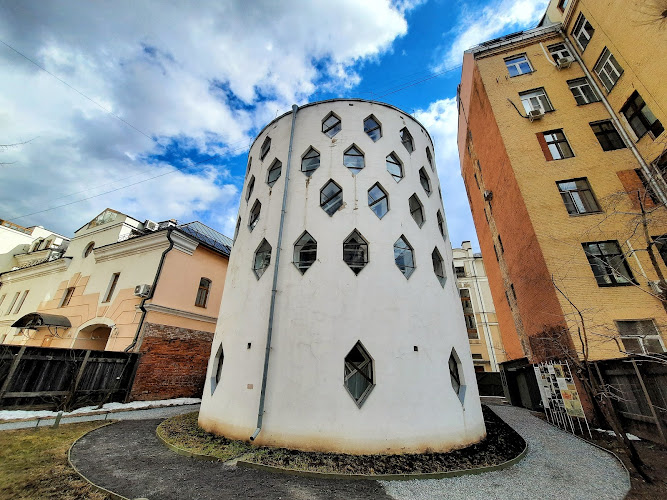
State Museum of Konstantin and Viktor Melnikov
Find Accommodations Nearby
Recommended Tours & Activities
Visitor Reviews
There are no reviews yet. Be the first one to write one.
Share Your Experience
Have you visited Izmaylovo Estate? Help other travelers by leaving a review.