

Alexander Garden
About Alexander Garden
Description
The Alexander Garden stretches alongside the western walls of the Kremlin in Moscow, offering visitors one of those rare urban green spaces that manages to combine historical significance with genuine relaxation. I've always found it interesting how a park can serve as both a memorial ground and a place where locals walk their dogs on a Sunday afternoon, and that's exactly what you get here. This isn't your typical manicured European garden with rigid flower beds and keep-off-the-grass signs. The Alexander Garden feels more lived-in than that, more real. Spread across three distinct sections, the park runs from the Kremlin's Arsenal Tower down to the Borovitskaya Tower, creating a long green corridor that's become an essential stop for anyone exploring Moscow's historic center. The garden was established in the early 1820s after the massive fire during Napoleon's invasion had devastated much of central Moscow. They decided to channel the Neglinnaya River underground and create this public space above it, which when you think about it was pretty forward-thinking urban planning for that era. The architect Osip Bove designed it in the English garden style that was fashionable back then, though over the years it's developed its own distinctly Russian character. What strikes most visitors first is the Tomb of the Unknown Soldier, a somber memorial with an eternal flame that honors Soviet soldiers who died during World War II. The changing of the guard happens every hour, and honestly, it's one of those ceremonies that commands respect regardless of your nationality or political views. The dedication of those young soldiers standing perfectly still in all weather conditions - I've seen them in brutal Moscow winters - says something about how seriously Russians take their history. The Marshal Georgy Zhukov monument sits proudly at the entrance nearest Red Square, depicting the legendary commander on horseback. Zhukov was instrumental in defeating Nazi Germany, and his statue here isn't just decoration - it represents a pivotal figure in world history. The bronze work is impressive, and you'll often see people taking photos beneath it, though I'd recommend being respectful given what the monument represents. Throughout the warmer months, the garden transforms with seasonal blooms that add splashes of color against the red brick of the Kremlin walls. The landscaping team does solid work keeping everything looking fresh, and the lawns provide pleasant spots for taking a breather between museum visits or Kremlin tours.Key Features
The Alexander Garden packs quite a bit into its relatively compact space, making it easy to explore while still offering enough variety to keep things interesting. Here's what makes this park worth including in your Moscow itinerary: • The Eternal Flame and Tomb of the Unknown Soldier - The centerpiece memorial where newlyweds traditionally lay flowers and the hourly guard change draws crowds throughout the day • Marshal Zhukov Statue - An imposing equestrian monument at the main entrance that's become a popular meeting point and photo spot • Grotto Ruins - An artificial cave-like structure built using stones from Moscow buildings destroyed during the 1812 invasion, creating an unexpected historical footnote • Fountain displays - Seasonal water features that operate during warmer months, adding movement and sound to the park atmosphere • Memorial obelisk - Originally erected to commemorate 300 years of Romanov rule, later rededicated to revolutionary thinkers and philosophers • Public restrooms - Clean facilities available for visitors, which trust me, you'll appreciate after walking around Moscow all day • Wheelchair accessible pathways - The main routes through the garden accommodate visitors with mobility needs • Dog-friendly zones - Locals regularly walk their pets here, adding to the everyday neighborhood feel despite the historic surroundings • Kremlin wall views - Unobstructed sight lines to one of the world's most recognizable fortifications • Seasonal flower beds - Rotating displays that change with Moscow's dramatic seasonsBest Time to Visit
Timing your visit to the Alexander Garden really depends on what kind of experience you're after and how much cold you can tolerate. Moscow weather swings between extremes, and this park reflects those changes dramatically. Late spring through early September represents the prime window for most travelers. From May through early June, the garden absolutely comes alive with blooms, and the fountains start operating again after their winter shutdown. The temperatures hover in that comfortable range where you can walk around in a light jacket or just a sweater. Plus, the extended daylight hours mean you can visit in the evening when the crowds thin out a bit. Summer, particularly July and August, brings the warmest weather but also the biggest tourist crowds. I won't lie - visiting during peak summer means sharing the pathways with large tour groups and dealing with queues at nearby attractions. But the trade-off is pleasant weather and fully operational fountains, plus all the outdoor cafes in the area are open for business. Early autumn, especially September, offers my personal favorite conditions. The tourist masses have largely departed, the weather remains mild, and there's something about the changing leaves against those red Kremlin walls that just works aesthetically. The city feels more authentic during this shoulder season. Winter visits appeal to a specific type of traveler. Yes, Moscow gets brutally cold - we're talking temperatures well below freezing and snow that sticks around for months. But if you can handle the chill, there's magic in seeing the garden blanketed in snow, the eternal flame burning against a grey winter sky, and the whole scene feeling properly Russian in that stoic, enduring way. Just dress in layers, invest in proper boots, and accept that you won't be lingering on park benches. The guard change at the Tomb of the Unknown Soldier happens year-round, every hour on the hour from 8am to 8pm. Plan around this if witnessing the ceremony interests you, and arrive about ten minutes early to secure a decent viewing spot. Weekday mornings tend to be quieter than weekend afternoons, particularly if you arrive before 10am. Tour groups typically descend mid-morning through early afternoon, so timing your visit outside these windows makes for a more peaceful experience.How to Get There
Getting to the Alexander Garden ranks among the easier navigation challenges you'll face in Moscow, thanks to its central location and proximity to major metro stations. The city's metro system, despite looking intimidating at first, actually works brilliantly once you get the hang of it. The closest metro station is Aleksandrovsky Sad, which literally translates to Alexander Garden - they didn't make it difficult for you. This station sits on the light blue Filyovskaya Line, and when you exit, you're basically already there. Just follow the crowd toward the surface, and you'll emerge near the garden's entrance. Alternatively, Biblioteka Imeni Lenina station serves multiple lines including the red Sokolnicheskaya Line, making it convenient if you're coming from different parts of the city. From this station, it's maybe a five-minute walk through Revolution Square to reach the garden. Okhotny Ryad station, on the red line, also puts you within easy walking distance - you'll see the Kremlin walls, and the garden runs along their western side, so just head in that direction. If you're staying in central Moscow, walking might actually be your best bet. The garden sits right in the historic heart of the city, within reasonable walking distance of most central hotels. The area around Red Square, GUM department store, and the Bolshoi Theatre all connect through pleasant pedestrian routes. Taxis and ride-sharing services like Yandex Taxi work well in Moscow, though be aware that traffic in the city center can be absolutely nightmarish during rush hours. Your driver will likely drop you near Manege Square or along one of the surrounding streets since vehicle access directly to the garden is restricted. For those renting cars - and honestly, I wouldn't recommend driving in Moscow unless you're particularly confident or possibly insane - there's limited parking in the immediate vicinity. The streets around the Kremlin have heavy restrictions, and finding a spot can waste an hour of your vacation. Better to use public transport or walk. Tour buses typically include the Alexander Garden as part of Kremlin or Red Square packages, so if you've booked organized tours, transportation gets handled for you.Tips for Visiting
Making the most of your time at the Alexander Garden doesn't require extensive planning, but a few practical considerations will improve your experience considerably. First off, bring comfortable walking shoes. This sounds obvious, but you'd be surprised how many visitors show up in completely inappropriate footwear and end up miserable. The pathways are paved but you'll be on your feet quite a bit, especially if you're combining this stop with Kremlin tours or Red Square exploration. Photography is generally allowed and even encouraged at most areas of the garden, but show some sensitivity around the Tomb of the Unknown Soldier. I've seen guards politely but firmly correct visitors who were treating the memorial like a selfie opportunity backdrop. Respectful photos are fine - goofy poses and laughter are not. The eternal flame burns continuously, and despite what looks like open access, there's an actual border that visitors shouldn't cross. The guards take their duties seriously, and stepping over the barriers will get you corrected quickly. If you're visiting with kids, the garden offers enough space for them to burn off some energy without the strict rules of museum environments. There are kid-friendly walking paths, and locals often bring children to feed the birds or just run around on the lawns. Just keep an eye on them near the monuments and memorial areas. Dogs are welcome, which adds to the park's neighborhood atmosphere. You'll see Muscovites walking everything from tiny lapdogs to massive hounds. It's actually kind of charming and makes the space feel less like a tourist trap. Public restrooms are available, but I'd suggest carrying a few rubles in cash just in case there's an attendant charging a small fee. The facilities are generally clean and well-maintained, especially compared to some other public spots around Moscow. Credit cards, debit cards, and mobile payments work at most nearby cafes and vendors, but having some cash on hand never hurts in Russia. There are ATMs in the surrounding area if you need to withdraw rubles. Combine your garden visit with other nearby attractions to maximize your time. The Kremlin, Red Square, GUM department store, State Historical Museum, and Bolshoi Theatre all sit within a short walk. You could easily spend an entire day in this area without retracing your steps. Weather changes quickly in Moscow, so check the forecast before heading out and dress in layers. Even summer evenings can get surprisingly cool, and don't even get me started on how unpredictable spring and autumn can be. The guard change ceremony attracts crowds, so arrive early if you want an unobstructed view. People start gathering about ten minutes beforehand, and the best viewing spots fill up fast during tourist season. Benches throughout the garden provide resting spots, though they fill up quickly during pleasant weather. Locals treat this park as their backyard, so you'll be sharing space with people on lunch breaks, elderly residents feeding birds, and office workers escaping their desks for a few minutes. Security presence is noticeable given the proximity to the Kremlin, but it's generally low-key unless there's a special event or heightened alert level. Just follow basic common sense, don't leave bags unattended, and you'll be fine. Consider visiting at different times if you have multiple days in Moscow. The garden takes on completely different characteristics in morning light versus evening, on weekdays versus weekends, and the changing of seasons transforms the entire atmosphere. Each visit reveals something new.Key Features
- Key Features
- Best Time to Visit
- How to Get There
- Tips for Visiting
More Details
Updated January 17, 2026
Table of Contents
Description
The Alexander Garden stretches alongside the western walls of the Kremlin in Moscow, offering visitors one of those rare urban green spaces that manages to combine historical significance with genuine relaxation. I’ve always found it interesting how a park can serve as both a memorial ground and a place where locals walk their dogs on a Sunday afternoon, and that’s exactly what you get here.
This isn’t your typical manicured European garden with rigid flower beds and keep-off-the-grass signs. The Alexander Garden feels more lived-in than that, more real. Spread across three distinct sections, the park runs from the Kremlin’s Arsenal Tower down to the Borovitskaya Tower, creating a long green corridor that’s become an essential stop for anyone exploring Moscow’s historic center.
The garden was established in the early 1820s after the massive fire during Napoleon’s invasion had devastated much of central Moscow. They decided to channel the Neglinnaya River underground and create this public space above it, which when you think about it was pretty forward-thinking urban planning for that era. The architect Osip Bove designed it in the English garden style that was fashionable back then, though over the years it’s developed its own distinctly Russian character.
What strikes most visitors first is the Tomb of the Unknown Soldier, a somber memorial with an eternal flame that honors Soviet soldiers who died during World War II. The changing of the guard happens every hour, and honestly, it’s one of those ceremonies that commands respect regardless of your nationality or political views. The dedication of those young soldiers standing perfectly still in all weather conditions – I’ve seen them in brutal Moscow winters – says something about how seriously Russians take their history.
The Marshal Georgy Zhukov monument sits proudly at the entrance nearest Red Square, depicting the legendary commander on horseback. Zhukov was instrumental in defeating Nazi Germany, and his statue here isn’t just decoration – it represents a pivotal figure in world history. The bronze work is impressive, and you’ll often see people taking photos beneath it, though I’d recommend being respectful given what the monument represents.
Throughout the warmer months, the garden transforms with seasonal blooms that add splashes of color against the red brick of the Kremlin walls. The landscaping team does solid work keeping everything looking fresh, and the lawns provide pleasant spots for taking a breather between museum visits or Kremlin tours.
Key Features
The Alexander Garden packs quite a bit into its relatively compact space, making it easy to explore while still offering enough variety to keep things interesting. Here’s what makes this park worth including in your Moscow itinerary:
• The Eternal Flame and Tomb of the Unknown Soldier – The centerpiece memorial where newlyweds traditionally lay flowers and the hourly guard change draws crowds throughout the day
• Marshal Zhukov Statue – An imposing equestrian monument at the main entrance that’s become a popular meeting point and photo spot
• Grotto Ruins – An artificial cave-like structure built using stones from Moscow buildings destroyed during the 1812 invasion, creating an unexpected historical footnote
• Fountain displays – Seasonal water features that operate during warmer months, adding movement and sound to the park atmosphere
• Memorial obelisk – Originally erected to commemorate 300 years of Romanov rule, later rededicated to revolutionary thinkers and philosophers
• Public restrooms – Clean facilities available for visitors, which trust me, you’ll appreciate after walking around Moscow all day
• Wheelchair accessible pathways – The main routes through the garden accommodate visitors with mobility needs
• Dog-friendly zones – Locals regularly walk their pets here, adding to the everyday neighborhood feel despite the historic surroundings
• Kremlin wall views – Unobstructed sight lines to one of the world’s most recognizable fortifications
• Seasonal flower beds – Rotating displays that change with Moscow’s dramatic seasons
Best Time to Visit
Timing your visit to the Alexander Garden really depends on what kind of experience you’re after and how much cold you can tolerate. Moscow weather swings between extremes, and this park reflects those changes dramatically.
Late spring through early September represents the prime window for most travelers. From May through early June, the garden absolutely comes alive with blooms, and the fountains start operating again after their winter shutdown. The temperatures hover in that comfortable range where you can walk around in a light jacket or just a sweater. Plus, the extended daylight hours mean you can visit in the evening when the crowds thin out a bit.
Summer, particularly July and August, brings the warmest weather but also the biggest tourist crowds. I won’t lie – visiting during peak summer means sharing the pathways with large tour groups and dealing with queues at nearby attractions. But the trade-off is pleasant weather and fully operational fountains, plus all the outdoor cafes in the area are open for business.
Early autumn, especially September, offers my personal favorite conditions. The tourist masses have largely departed, the weather remains mild, and there’s something about the changing leaves against those red Kremlin walls that just works aesthetically. The city feels more authentic during this shoulder season.
Winter visits appeal to a specific type of traveler. Yes, Moscow gets brutally cold – we’re talking temperatures well below freezing and snow that sticks around for months. But if you can handle the chill, there’s magic in seeing the garden blanketed in snow, the eternal flame burning against a grey winter sky, and the whole scene feeling properly Russian in that stoic, enduring way. Just dress in layers, invest in proper boots, and accept that you won’t be lingering on park benches.
The guard change at the Tomb of the Unknown Soldier happens year-round, every hour on the hour from 8am to 8pm. Plan around this if witnessing the ceremony interests you, and arrive about ten minutes early to secure a decent viewing spot.
Weekday mornings tend to be quieter than weekend afternoons, particularly if you arrive before 10am. Tour groups typically descend mid-morning through early afternoon, so timing your visit outside these windows makes for a more peaceful experience.
How to Get There
Getting to the Alexander Garden ranks among the easier navigation challenges you’ll face in Moscow, thanks to its central location and proximity to major metro stations. The city’s metro system, despite looking intimidating at first, actually works brilliantly once you get the hang of it.
The closest metro station is Aleksandrovsky Sad, which literally translates to Alexander Garden – they didn’t make it difficult for you. This station sits on the light blue Filyovskaya Line, and when you exit, you’re basically already there. Just follow the crowd toward the surface, and you’ll emerge near the garden’s entrance.
Alternatively, Biblioteka Imeni Lenina station serves multiple lines including the red Sokolnicheskaya Line, making it convenient if you’re coming from different parts of the city. From this station, it’s maybe a five-minute walk through Revolution Square to reach the garden.
Okhotny Ryad station, on the red line, also puts you within easy walking distance – you’ll see the Kremlin walls, and the garden runs along their western side, so just head in that direction.
If you’re staying in central Moscow, walking might actually be your best bet. The garden sits right in the historic heart of the city, within reasonable walking distance of most central hotels. The area around Red Square, GUM department store, and the Bolshoi Theatre all connect through pleasant pedestrian routes.
Taxis and ride-sharing services like Yandex Taxi work well in Moscow, though be aware that traffic in the city center can be absolutely nightmarish during rush hours. Your driver will likely drop you near Manege Square or along one of the surrounding streets since vehicle access directly to the garden is restricted.
For those renting cars – and honestly, I wouldn’t recommend driving in Moscow unless you’re particularly confident or possibly insane – there’s limited parking in the immediate vicinity. The streets around the Kremlin have heavy restrictions, and finding a spot can waste an hour of your vacation. Better to use public transport or walk.
Tour buses typically include the Alexander Garden as part of Kremlin or Red Square packages, so if you’ve booked organized tours, transportation gets handled for you.
Tips for Visiting
Making the most of your time at the Alexander Garden doesn’t require extensive planning, but a few practical considerations will improve your experience considerably.
First off, bring comfortable walking shoes. This sounds obvious, but you’d be surprised how many visitors show up in completely inappropriate footwear and end up miserable. The pathways are paved but you’ll be on your feet quite a bit, especially if you’re combining this stop with Kremlin tours or Red Square exploration.
Photography is generally allowed and even encouraged at most areas of the garden, but show some sensitivity around the Tomb of the Unknown Soldier. I’ve seen guards politely but firmly correct visitors who were treating the memorial like a selfie opportunity backdrop. Respectful photos are fine – goofy poses and laughter are not.
The eternal flame burns continuously, and despite what looks like open access, there’s an actual border that visitors shouldn’t cross. The guards take their duties seriously, and stepping over the barriers will get you corrected quickly.
If you’re visiting with kids, the garden offers enough space for them to burn off some energy without the strict rules of museum environments. There are kid-friendly walking paths, and locals often bring children to feed the birds or just run around on the lawns. Just keep an eye on them near the monuments and memorial areas.
Dogs are welcome, which adds to the park’s neighborhood atmosphere. You’ll see Muscovites walking everything from tiny lapdogs to massive hounds. It’s actually kind of charming and makes the space feel less like a tourist trap.
Public restrooms are available, but I’d suggest carrying a few rubles in cash just in case there’s an attendant charging a small fee. The facilities are generally clean and well-maintained, especially compared to some other public spots around Moscow.
Credit cards, debit cards, and mobile payments work at most nearby cafes and vendors, but having some cash on hand never hurts in Russia. There are ATMs in the surrounding area if you need to withdraw rubles.
Combine your garden visit with other nearby attractions to maximize your time. The Kremlin, Red Square, GUM department store, State Historical Museum, and Bolshoi Theatre all sit within a short walk. You could easily spend an entire day in this area without retracing your steps.
Weather changes quickly in Moscow, so check the forecast before heading out and dress in layers. Even summer evenings can get surprisingly cool, and don’t even get me started on how unpredictable spring and autumn can be.
The guard change ceremony attracts crowds, so arrive early if you want an unobstructed view. People start gathering about ten minutes beforehand, and the best viewing spots fill up fast during tourist season.
Benches throughout the garden provide resting spots, though they fill up quickly during pleasant weather. Locals treat this park as their backyard, so you’ll be sharing space with people on lunch breaks, elderly residents feeding birds, and office workers escaping their desks for a few minutes.
Security presence is noticeable given the proximity to the Kremlin, but it’s generally low-key unless there’s a special event or heightened alert level. Just follow basic common sense, don’t leave bags unattended, and you’ll be fine.
Consider visiting at different times if you have multiple days in Moscow. The garden takes on completely different characteristics in morning light versus evening, on weekdays versus weekends, and the changing of seasons transforms the entire atmosphere. Each visit reveals something new.
Key Highlights
- Key Features
- Best Time to Visit
- How to Get There
- Tips for Visiting
Location
Places to Stay Near Alexander Garden
Find and Book a Tour
Explore More Travel Guides
No reviews found! Be the first to review!
Traveler Reviews for Alexander Garden
There are no reviews yet. Be the first one to write one.
Have you visited Alexander Garden? Help other travelers by sharing your review.
You Might Also Like

Butterflarium
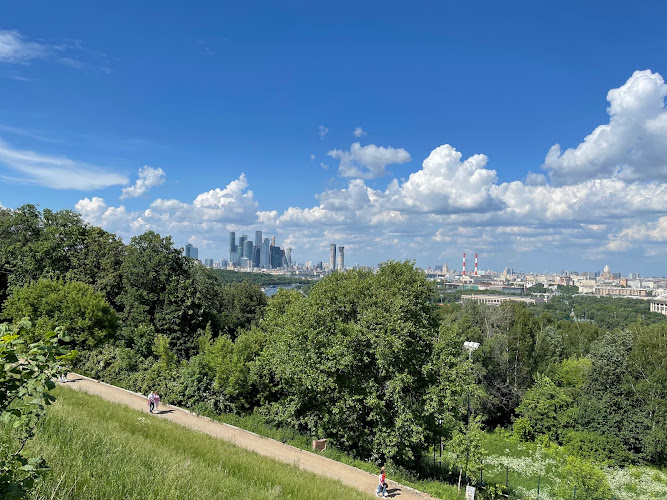
Vorob
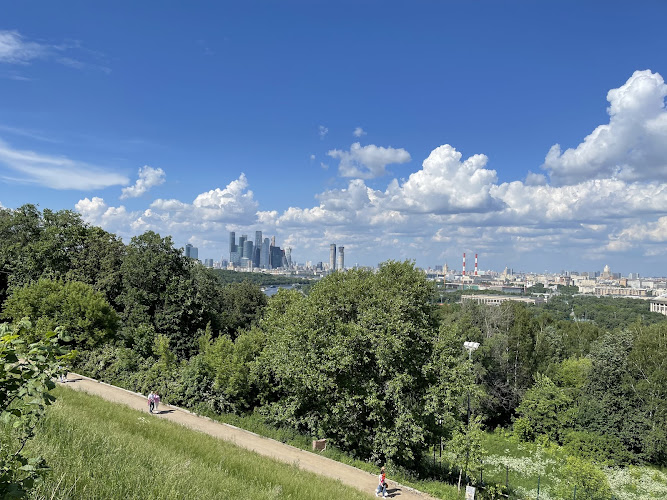
Vorob'yevy gory
Find Accommodations Nearby
Recommended Tours & Activities
Visitor Reviews
There are no reviews yet. Be the first one to write one.
Share Your Experience
Have you visited Alexander Garden? Help other travelers by leaving a review.