

Donskoy Monastery
About Donskoy Monastery
Description
The Donskoy Monastery stands as one of Moscow's most compelling spiritual retreats, tucked away from the usual tourist circuits yet accessible enough for those willing to venture beyond the Kremlin walls. Founded in 1591 by order of Tsar Fyodor I, this monastery complex represents a living piece of Russian Orthodox history that's managed to survive wars, revolutions, and the Soviet era's attempts to erase religious heritage. And honestly? That survival story alone makes it worth the visit. Walking through the monastery grounds feels like stepping into another century entirely. The architecture spans several periods, giving visitors a crash course in Russian ecclesiastical design without requiring a single museum ticket. I remember my first visit here – the way the afternoon sun caught the golden domes created this almost otherworldly atmosphere that no photograph could quite capture. What sets Donskoy Monastery apart from other religious sites in Moscow is its authentic, working monastery status. This isn't just a museum piece preserved for tourists; it's an active place of worship where monks still follow daily rituals that haven't changed much in centuries. The complex includes several churches, monastic buildings, and what might be Moscow's most peaceful cemetery, where you'll find the graves of notable Russian figures including writers, philosophers, and even White Army officers from the Civil War period. The monastery has also carved out a unique niche by offering accommodation for pilgrims. This feature transforms it from merely a sightseeing stop into a potential base for travelers seeking something more contemplative than your typical Moscow hotel experience. The guided tours available here dig deep into both the religious significance and the tumultuous history this place has witnessed.Key Features
The Donskoy Monastery packs considerable historical and architectural significance into its walled compound. Here's what makes this place truly special: • The Old Cathedral, constructed between 1591-1593, showcases classic Russian church architecture with its distinctive red brick exterior and traditional design elements that have influenced countless other religious structures across Russia. • The New Cathedral, built from 1684-1698, towers over the complex with magnificent baroque-style architecture and houses some of the finest religious iconography you'll encounter in Moscow. • The monastery walls and towers, erected in the late 17th and early 18th centuries, create an imposing defensive perimeter that speaks to the turbulent times when religious institutions needed serious fortification. • The necropolis contains graves of prominent Russian cultural figures, making it a pilgrimage site for literature enthusiasts and history buffs alike. Walking among these tombstones offers unexpected encounters with Russia's intellectual heritage. • Active religious services that visitors can observe (respectfully) provide authentic insight into Russian Orthodox traditions and liturgical practices. • The Icon of Our Lady of the Don, the monastery's namesake and spiritual centerpiece, carries legendary status for supposedly protecting Russian forces during crucial historical battles. • Wheelchair accessible parking facilities make this historical site more inclusive than many comparable attractions in Moscow. • On-site restrooms – a practical consideration that shouldn't be overlooked when planning a visit to any attraction. • Peaceful gardens and courtyards that offer quiet reflection spaces away from Moscow's relentless urban energy. • The restored bell tower provides architectural eye candy and serves as a functioning part of the monastery's daily rhythm.Best Time to Visit
Timing your visit to Donskoy Monastery can significantly impact your experience, and I've learned this through both spectacular visits and less-than-ideal ones. The monastery welcomes visitors year-round, but each season brings distinct advantages and challenges. Spring, particularly late April through May, offers perhaps the most pleasant visiting conditions. The monastery gardens come alive with blossoms, temperatures hover in that comfortable range where you don't need heavy layers, and the tourist crowds haven't reached summer peak levels yet. But be prepared for occasional rain showers – Moscow weather can be temperamental. Summer months from June through August bring longer daylight hours, which means more time to explore the complex and better lighting for photography. However, this is also peak tourist season. The monastery doesn't get overwhelmed like Red Square does, but you'll definitely share the experience with more visitors. Early morning visits around opening time help you beat the crowds. Autumn, especially September and early October, might actually be my personal favorite time here. The fall colors surrounding the monastery create this incredibly photogenic backdrop, and there's something about the crisp air that feels appropriate for a spiritual and historical site. Plus, summer tourists have mostly departed, but winter's harsh conditions haven't arrived yet. Winter visits require hardy souls willing to brave Moscow's notorious cold, but the monastery covered in snow presents an almost fairy-tale appearance. The golden domes against white snow and grey skies create dramatic contrasts. Just bundle up properly – we're talking temperatures that can drop well below freezing. The upside? You'll practically have the place to yourself. For those interested in experiencing religious services, major Orthodox holidays like Easter and Christmas (celebrated January 7th in the Russian Orthodox calendar) transform the monastery into something truly special. The services are elaborate, the atmosphere charged with devotion, and the experience genuinely moving regardless of your personal faith background. Weekday mornings generally offer quieter visiting conditions compared to weekend afternoons when both tourists and local worshippers arrive in greater numbers.How to Get There
Reaching Donskoy Monastery requires a bit more effort than accessing Moscow's central attractions, but it's far from complicated. The monastery sits in the southern part of central Moscow, and several transportation options can get you there without too much hassle. The Moscow Metro remains the most reliable and affordable option for reaching the area. The closest stations are Shabolovskaya on the orange Kaluzhsko-Rizhskaya line. From Shabolovskaya, you're looking at roughly a 10-15 minute walk to the monastery entrance. The route is straightforward enough, though signage in English can be spotty once you leave the metro station. Alternatively, you can use Oktyabrskaya station, which sits at the intersection of the orange and brown metro lines. This station puts you about a 20-minute walk from the monastery, but the route takes you through some interesting neighborhoods that offer glimpses of everyday Moscow life beyond the tourist zones. Taxis and ride-sharing services like Yandex.Taxi work well for reaching the monastery, especially if you're traveling with mobility limitations or simply prefer door-to-door convenience. The fares from central Moscow locations typically run reasonable compared to Western cities, and drivers generally know the monastery as a landmark. Moscow's bus network also services the area, but unless you're comfortable navigating Cyrillic signage and announcements, the metro or taxi options make more sense for international visitors. For those who enjoy walking and have time to spare, the monastery sits within reasonable walking distance from several central areas. I once walked from Gorky Park, which took about 35 minutes but allowed for spontaneous detours through residential streets and small parks that revealed Moscow's character beyond tourist brochures. Parking is available for those driving, including designated wheelchair accessible spaces, though navigating Moscow traffic as a visitor takes either considerable confidence or mild insanity.Tips for Visiting
Making the most of your Donskoy Monastery visit requires some practical knowledge and cultural awareness. Here's what I wish someone had told me before my first visit. Dress appropriately for a working religious site. Women should cover their heads with a scarf and wear skirts or dresses that cover the knees. Men need to remove hats and wear long pants. Some visitors ignore these guidelines, but respecting them shows cultural awareness and ensures you won't be denied entry to certain areas. The monastery usually has scarves and wraps available to borrow if you forget. Photography policies can be tricky. Generally, photographing the exteriors and grounds is fine, but interior photography, especially during services, may be restricted or prohibited. When in doubt, ask or observe what others are doing. And please, never use flash during religious services – it's disruptive and disrespectful. Allow at least two hours for a thorough visit. You can rush through in less time, but the monastery rewards slow, contemplative exploration. The cemetery alone deserves significant time if you have any interest in Russian cultural history. Consider hiring a guide or joining a tour. While you can certainly explore independently, the layers of history here become much more meaningful with expert interpretation. The monastery offers guided tours, and the guides typically speak decent English. Bring cash for donations or candles. Like most Orthodox churches, you can purchase candles to light for prayers or remembrance. It's a beautiful tradition even for non-religious visitors, and the small donations help maintain this historical complex. Visit the cemetery thoughtfully. The necropolis isn't just a tourist attraction – it's an active cemetery where people visit loved ones' graves. Maintain appropriate decorum and watch where you walk. Time your visit outside of major services if you want to explore freely, or intentionally attend a service for the full cultural experience. Services are beautiful but require silent, respectful observation from visitors. The restrooms are available but not luxurious. Manage expectations accordingly and perhaps visit facilities at your hotel before heading out. Combine your visit with nearby attractions. The monastery's location puts you within reach of Gorky Park and several interesting neighborhoods that don't make typical tourist itineraries. Download offline maps on your phone. Cell service is generally fine, but having offline navigation eliminates one potential headache. Learn a few basic Russian phrases. While some staff speak English, knowing how to say "thank you" (spasibo) and "excuse me" (izvinite) goes a long way toward positive interactions. Check the monastery's schedule before visiting, as certain areas may be closed for services or special events. The accessibility for wheelchairs makes this one of the more physically inclusive historical sites in Moscow, but it's still wise to verify specific accessibility needs in advance. Bring water and snacks for longer visits. There aren't cafes within the monastery grounds, though you'll find options in the surrounding neighborhood. Most importantly, approach your visit with openness and respect. Whether you're deeply religious, casually spiritual, or purely interested in history and architecture, the Donskoy Monastery offers a window into Russian Orthodox tradition and centuries of tumultuous history. It's one of those places where the stones themselves seem to carry stories, and taking time to listen makes all the difference.Key Features
- Key Features
- Best Time to Visit
- How to Get There
- Tips for Visiting
More Details
Updated January 18, 2026
Table of Contents
Description
The Donskoy Monastery stands as one of Moscow’s most compelling spiritual retreats, tucked away from the usual tourist circuits yet accessible enough for those willing to venture beyond the Kremlin walls. Founded in 1591 by order of Tsar Fyodor I, this monastery complex represents a living piece of Russian Orthodox history that’s managed to survive wars, revolutions, and the Soviet era’s attempts to erase religious heritage. And honestly? That survival story alone makes it worth the visit.
Walking through the monastery grounds feels like stepping into another century entirely. The architecture spans several periods, giving visitors a crash course in Russian ecclesiastical design without requiring a single museum ticket. I remember my first visit here – the way the afternoon sun caught the golden domes created this almost otherworldly atmosphere that no photograph could quite capture.
What sets Donskoy Monastery apart from other religious sites in Moscow is its authentic, working monastery status. This isn’t just a museum piece preserved for tourists; it’s an active place of worship where monks still follow daily rituals that haven’t changed much in centuries. The complex includes several churches, monastic buildings, and what might be Moscow’s most peaceful cemetery, where you’ll find the graves of notable Russian figures including writers, philosophers, and even White Army officers from the Civil War period.
The monastery has also carved out a unique niche by offering accommodation for pilgrims. This feature transforms it from merely a sightseeing stop into a potential base for travelers seeking something more contemplative than your typical Moscow hotel experience. The guided tours available here dig deep into both the religious significance and the tumultuous history this place has witnessed.
Key Features
The Donskoy Monastery packs considerable historical and architectural significance into its walled compound. Here’s what makes this place truly special:
• The Old Cathedral, constructed between 1591-1593, showcases classic Russian church architecture with its distinctive red brick exterior and traditional design elements that have influenced countless other religious structures across Russia.
• The New Cathedral, built from 1684-1698, towers over the complex with magnificent baroque-style architecture and houses some of the finest religious iconography you’ll encounter in Moscow.
• The monastery walls and towers, erected in the late 17th and early 18th centuries, create an imposing defensive perimeter that speaks to the turbulent times when religious institutions needed serious fortification.
• The necropolis contains graves of prominent Russian cultural figures, making it a pilgrimage site for literature enthusiasts and history buffs alike. Walking among these tombstones offers unexpected encounters with Russia’s intellectual heritage.
• Active religious services that visitors can observe (respectfully) provide authentic insight into Russian Orthodox traditions and liturgical practices.
• The Icon of Our Lady of the Don, the monastery’s namesake and spiritual centerpiece, carries legendary status for supposedly protecting Russian forces during crucial historical battles.
• Wheelchair accessible parking facilities make this historical site more inclusive than many comparable attractions in Moscow.
• On-site restrooms – a practical consideration that shouldn’t be overlooked when planning a visit to any attraction.
• Peaceful gardens and courtyards that offer quiet reflection spaces away from Moscow’s relentless urban energy.
• The restored bell tower provides architectural eye candy and serves as a functioning part of the monastery’s daily rhythm.
Best Time to Visit
Timing your visit to Donskoy Monastery can significantly impact your experience, and I’ve learned this through both spectacular visits and less-than-ideal ones. The monastery welcomes visitors year-round, but each season brings distinct advantages and challenges.
Spring, particularly late April through May, offers perhaps the most pleasant visiting conditions. The monastery gardens come alive with blossoms, temperatures hover in that comfortable range where you don’t need heavy layers, and the tourist crowds haven’t reached summer peak levels yet. But be prepared for occasional rain showers – Moscow weather can be temperamental.
Summer months from June through August bring longer daylight hours, which means more time to explore the complex and better lighting for photography. However, this is also peak tourist season. The monastery doesn’t get overwhelmed like Red Square does, but you’ll definitely share the experience with more visitors. Early morning visits around opening time help you beat the crowds.
Autumn, especially September and early October, might actually be my personal favorite time here. The fall colors surrounding the monastery create this incredibly photogenic backdrop, and there’s something about the crisp air that feels appropriate for a spiritual and historical site. Plus, summer tourists have mostly departed, but winter’s harsh conditions haven’t arrived yet.
Winter visits require hardy souls willing to brave Moscow’s notorious cold, but the monastery covered in snow presents an almost fairy-tale appearance. The golden domes against white snow and grey skies create dramatic contrasts. Just bundle up properly – we’re talking temperatures that can drop well below freezing. The upside? You’ll practically have the place to yourself.
For those interested in experiencing religious services, major Orthodox holidays like Easter and Christmas (celebrated January 7th in the Russian Orthodox calendar) transform the monastery into something truly special. The services are elaborate, the atmosphere charged with devotion, and the experience genuinely moving regardless of your personal faith background.
Weekday mornings generally offer quieter visiting conditions compared to weekend afternoons when both tourists and local worshippers arrive in greater numbers.
How to Get There
Reaching Donskoy Monastery requires a bit more effort than accessing Moscow’s central attractions, but it’s far from complicated. The monastery sits in the southern part of central Moscow, and several transportation options can get you there without too much hassle.
The Moscow Metro remains the most reliable and affordable option for reaching the area. The closest stations are Shabolovskaya on the orange Kaluzhsko-Rizhskaya line. From Shabolovskaya, you’re looking at roughly a 10-15 minute walk to the monastery entrance. The route is straightforward enough, though signage in English can be spotty once you leave the metro station.
Alternatively, you can use Oktyabrskaya station, which sits at the intersection of the orange and brown metro lines. This station puts you about a 20-minute walk from the monastery, but the route takes you through some interesting neighborhoods that offer glimpses of everyday Moscow life beyond the tourist zones.
Taxis and ride-sharing services like Yandex.Taxi work well for reaching the monastery, especially if you’re traveling with mobility limitations or simply prefer door-to-door convenience. The fares from central Moscow locations typically run reasonable compared to Western cities, and drivers generally know the monastery as a landmark.
Moscow’s bus network also services the area, but unless you’re comfortable navigating Cyrillic signage and announcements, the metro or taxi options make more sense for international visitors.
For those who enjoy walking and have time to spare, the monastery sits within reasonable walking distance from several central areas. I once walked from Gorky Park, which took about 35 minutes but allowed for spontaneous detours through residential streets and small parks that revealed Moscow’s character beyond tourist brochures.
Parking is available for those driving, including designated wheelchair accessible spaces, though navigating Moscow traffic as a visitor takes either considerable confidence or mild insanity.
Tips for Visiting
Making the most of your Donskoy Monastery visit requires some practical knowledge and cultural awareness. Here’s what I wish someone had told me before my first visit.
Dress appropriately for a working religious site. Women should cover their heads with a scarf and wear skirts or dresses that cover the knees. Men need to remove hats and wear long pants. Some visitors ignore these guidelines, but respecting them shows cultural awareness and ensures you won’t be denied entry to certain areas. The monastery usually has scarves and wraps available to borrow if you forget.
Photography policies can be tricky. Generally, photographing the exteriors and grounds is fine, but interior photography, especially during services, may be restricted or prohibited. When in doubt, ask or observe what others are doing. And please, never use flash during religious services – it’s disruptive and disrespectful.
Allow at least two hours for a thorough visit. You can rush through in less time, but the monastery rewards slow, contemplative exploration. The cemetery alone deserves significant time if you have any interest in Russian cultural history.
Consider hiring a guide or joining a tour. While you can certainly explore independently, the layers of history here become much more meaningful with expert interpretation. The monastery offers guided tours, and the guides typically speak decent English.
Bring cash for donations or candles. Like most Orthodox churches, you can purchase candles to light for prayers or remembrance. It’s a beautiful tradition even for non-religious visitors, and the small donations help maintain this historical complex.
Visit the cemetery thoughtfully. The necropolis isn’t just a tourist attraction – it’s an active cemetery where people visit loved ones’ graves. Maintain appropriate decorum and watch where you walk.
Time your visit outside of major services if you want to explore freely, or intentionally attend a service for the full cultural experience. Services are beautiful but require silent, respectful observation from visitors.
The restrooms are available but not luxurious. Manage expectations accordingly and perhaps visit facilities at your hotel before heading out.
Combine your visit with nearby attractions. The monastery’s location puts you within reach of Gorky Park and several interesting neighborhoods that don’t make typical tourist itineraries.
Download offline maps on your phone. Cell service is generally fine, but having offline navigation eliminates one potential headache.
Learn a few basic Russian phrases. While some staff speak English, knowing how to say “thank you” (spasibo) and “excuse me” (izvinite) goes a long way toward positive interactions.
Check the monastery’s schedule before visiting, as certain areas may be closed for services or special events. The accessibility for wheelchairs makes this one of the more physically inclusive historical sites in Moscow, but it’s still wise to verify specific accessibility needs in advance.
Bring water and snacks for longer visits. There aren’t cafes within the monastery grounds, though you’ll find options in the surrounding neighborhood.
Most importantly, approach your visit with openness and respect. Whether you’re deeply religious, casually spiritual, or purely interested in history and architecture, the Donskoy Monastery offers a window into Russian Orthodox tradition and centuries of tumultuous history. It’s one of those places where the stones themselves seem to carry stories, and taking time to listen makes all the difference.
Key Highlights
- Key Features
- Best Time to Visit
- How to Get There
- Tips for Visiting
Location
Places to Stay Near Donskoy Monastery
Find and Book a Tour
Explore More Travel Guides
No reviews found! Be the first to review!
Traveler Reviews for Donskoy Monastery
There are no reviews yet. Be the first one to write one.
Have you visited Donskoy Monastery? Help other travelers by sharing your review.
You Might Also Like
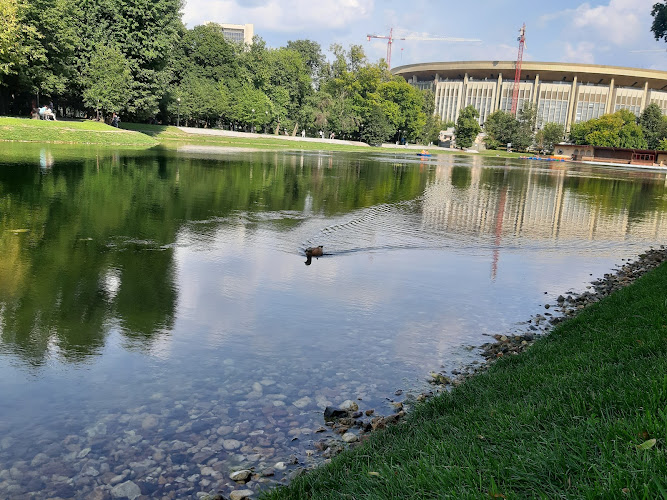
Yekaterininskiy Park

Butterflarium

Armoury Chamber
Find Accommodations Nearby
Recommended Tours & Activities
Visitor Reviews
There are no reviews yet. Be the first one to write one.
Share Your Experience
Have you visited Donskoy Monastery? Help other travelers by leaving a review.