
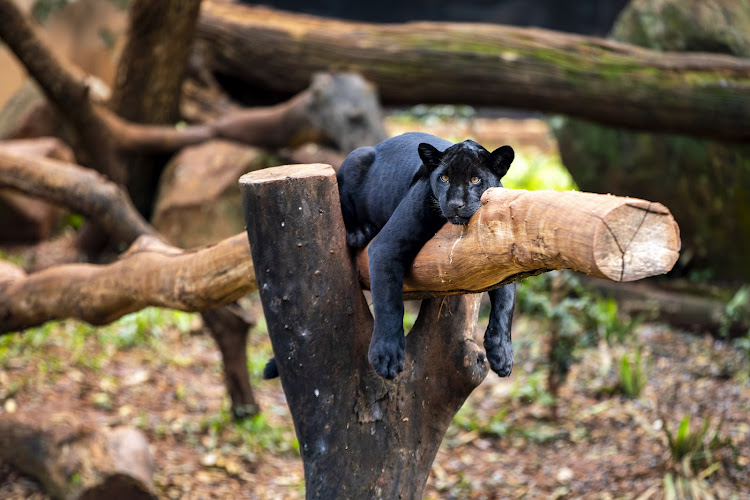
Itaipu Biological Refuge
About Itaipu Biological Refuge
Description
The Itaipu Biological Refuge is one of those places that quietly leaves a lasting impression. It’s not flashy or over-commercialized, and that’s exactly what makes it so special. Spread across a large protected area near the Itaipu Dam, this refuge was created as a sanctuary for animals displaced by the construction of the hydroelectric plant. Today, it serves as both a conservation hub and a visitor-friendly attraction where travelers can connect with Brazil’s native wildlife in a meaningful way.
Visitors usually join a two-hour guided walk through the park, and it’s not just a stroll—it’s more like stepping into a living classroom. You’ll see monkeys swinging above, deer grazing quietly, and if you’re lucky (and a bit patient), you might even spot a jaguar in one of the larger enclosures. Some people expect a full-on safari experience, and that’s not really what this is. It’s more about education, conservation, and appreciating the animals in a respectful setting. Personally, I find that refreshing. It’s not about entertainment; it’s about awareness.
The atmosphere is calm, family-friendly, and surprisingly inclusive. Accessibility is a big priority here, with wheelchair-friendly paths, restrooms, and seating areas. It’s also a safe and welcoming space for LGBTQ+ travelers, something that isn’t always guaranteed in every destination. And while the refuge is designed for all ages, kids especially love the guided hikes. Watching their faces light up when they see a capuchin monkey up close is worth the trip alone.
Of course, not every visitor walks away with the same level of excitement. Some people expect more action or a larger variety of animals, and they might feel underwhelmed. But for anyone who values conservation, wants to learn about Brazil’s biodiversity, or simply enjoys a peaceful walk surrounded by nature, it’s a gem. The guides are knowledgeable and passionate, and they add a personal touch to the experience. You can tell they care deeply about the animals and the mission of the refuge.
Key Features
- Two-hour guided tours through lush forest trails
- Home to native species such as monkeys, deer, and jaguars
- Wheelchair-accessible facilities including restrooms, parking, and seating
- Kid-friendly hikes and activities designed for families
- Educational focus on conservation and biodiversity
- Safe and inclusive environment for LGBTQ+ travelers
- Public restrooms and basic amenities available onsite
- Payment options include credit cards, debit cards, and mobile payments
Best Time to Visit
The refuge is open year-round, but the experience changes with the seasons. If you’re not a fan of intense heat, the cooler months from May to September are ideal. The weather is more comfortable for walking, and the animals tend to be more active. On the flip side, the summer months (December through February) bring lush greenery and a more tropical feel, though you’ll want to be prepared for humidity and the occasional rain shower. Personally, I prefer visiting in the shoulder months—April or October—when the crowds are thinner, and the climate is still pleasant.
Mornings are generally the best time of day to visit. The animals are more active, the air feels fresher, and the lighting makes for better photos. Plus, you avoid the midday heat, which can be draining if you’re walking the trails with kids or older family members.
How to Get There
Reaching the Itaipu Biological Refuge is relatively straightforward if you’re already in Foz do Iguaçu. Most travelers arrive by car, taxi, or organized tour. It’s close enough to the city center that the drive won’t take long, and the roads are well maintained. If you’re coming from the airport, it’s a short ride as well, making it easy to fit into a packed itinerary that might also include the famous Iguazu Falls or the Itaipu Dam itself.
Public transportation is possible, but not the most convenient option, especially if you’re traveling with kids or limited on time. Honestly, I’d recommend either booking a tour that includes transportation or renting a car if you want more flexibility. Parking is available and accessible, so that part is hassle-free.
Tips for Visiting
A few practical tips can make your visit smoother and more enjoyable. First, wear comfortable shoes—you’ll be walking for about two hours on natural trails, and while they’re well maintained, flip-flops won’t cut it. Bring water, sunscreen, and insect repellent, especially if you’re visiting in the warmer months. The sun and mosquitoes don’t mess around in this part of Brazil.
If you’re traveling with kids, prepare them for a more educational experience rather than a zoo-style attraction. The animals here are not performing or on display in flashy ways; they’re being protected. Setting the right expectations makes the visit more rewarding. And if you’re a photographer, bring a zoom lens. The enclosures are spacious, and some animals prefer to keep their distance—it’s part of what makes the refuge feel authentic.
Language can be a small barrier if you don’t speak Portuguese, but many guides do their best to accommodate English-speaking visitors. Even if communication isn’t perfect, their enthusiasm is contagious, and you’ll walk away with a deeper appreciation for the work being done here.
Finally, I’d suggest booking your visit in advance during peak travel seasons. The refuge doesn’t feel overcrowded most of the time, but tours can fill up quickly when the city is buzzing with tourists heading to Iguazu Falls. Planning ahead ensures you won’t miss out.
In the grand scheme of things, the Itaipu Biological Refuge may not be the most famous attraction in Foz do Iguaçu, but that’s part of its charm. It’s a quieter, more thoughtful experience that balances out the high-energy adventures nearby. If you care about wildlife, conservation, or just want a peaceful break from the crowds, it’s absolutely worth carving out a few hours to explore.
Key Features
- Two-hour guided tours through lush forest trails
- Home to native species such as monkeys, deer, and jaguars
- Wheelchair-accessible facilities including restrooms, parking, and seating
- Kid-friendly hikes and activities designed for families
- Educational focus on conservation and biodiversity
- Safe and inclusive environment for LGBTQ+ travelers
- Public restrooms and basic amenities available onsite
- Payment options include credit cards, debit cards, and mobile payments
More Details
Updated September 23, 2025
Table of Contents
Description
The Itaipu Biological Refuge is one of those places that quietly leaves a lasting impression. It’s not flashy or over-commercialized, and that’s exactly what makes it so special. Spread across a large protected area near the Itaipu Dam, this refuge was created as a sanctuary for animals displaced by the construction of the hydroelectric plant. Today, it serves as both a conservation hub and a visitor-friendly attraction where travelers can connect with Brazil’s native wildlife in a meaningful way.
Visitors usually join a two-hour guided walk through the park, and it’s not just a stroll—it’s more like stepping into a living classroom. You’ll see monkeys swinging above, deer grazing quietly, and if you’re lucky (and a bit patient), you might even spot a jaguar in one of the larger enclosures. Some people expect a full-on safari experience, and that’s not really what this is. It’s more about education, conservation, and appreciating the animals in a respectful setting. Personally, I find that refreshing. It’s not about entertainment; it’s about awareness.
The atmosphere is calm, family-friendly, and surprisingly inclusive. Accessibility is a big priority here, with wheelchair-friendly paths, restrooms, and seating areas. It’s also a safe and welcoming space for LGBTQ+ travelers, something that isn’t always guaranteed in every destination. And while the refuge is designed for all ages, kids especially love the guided hikes. Watching their faces light up when they see a capuchin monkey up close is worth the trip alone.
Of course, not every visitor walks away with the same level of excitement. Some people expect more action or a larger variety of animals, and they might feel underwhelmed. But for anyone who values conservation, wants to learn about Brazil’s biodiversity, or simply enjoys a peaceful walk surrounded by nature, it’s a gem. The guides are knowledgeable and passionate, and they add a personal touch to the experience. You can tell they care deeply about the animals and the mission of the refuge.
Key Features
- Two-hour guided tours through lush forest trails
- Home to native species such as monkeys, deer, and jaguars
- Wheelchair-accessible facilities including restrooms, parking, and seating
- Kid-friendly hikes and activities designed for families
- Educational focus on conservation and biodiversity
- Safe and inclusive environment for LGBTQ+ travelers
- Public restrooms and basic amenities available onsite
- Payment options include credit cards, debit cards, and mobile payments
Best Time to Visit
The refuge is open year-round, but the experience changes with the seasons. If you’re not a fan of intense heat, the cooler months from May to September are ideal. The weather is more comfortable for walking, and the animals tend to be more active. On the flip side, the summer months (December through February) bring lush greenery and a more tropical feel, though you’ll want to be prepared for humidity and the occasional rain shower. Personally, I prefer visiting in the shoulder months—April or October—when the crowds are thinner, and the climate is still pleasant.
Mornings are generally the best time of day to visit. The animals are more active, the air feels fresher, and the lighting makes for better photos. Plus, you avoid the midday heat, which can be draining if you’re walking the trails with kids or older family members.
How to Get There
Reaching the Itaipu Biological Refuge is relatively straightforward if you’re already in Foz do Iguaçu. Most travelers arrive by car, taxi, or organized tour. It’s close enough to the city center that the drive won’t take long, and the roads are well maintained. If you’re coming from the airport, it’s a short ride as well, making it easy to fit into a packed itinerary that might also include the famous Iguazu Falls or the Itaipu Dam itself.
Public transportation is possible, but not the most convenient option, especially if you’re traveling with kids or limited on time. Honestly, I’d recommend either booking a tour that includes transportation or renting a car if you want more flexibility. Parking is available and accessible, so that part is hassle-free.
Tips for Visiting
A few practical tips can make your visit smoother and more enjoyable. First, wear comfortable shoes—you’ll be walking for about two hours on natural trails, and while they’re well maintained, flip-flops won’t cut it. Bring water, sunscreen, and insect repellent, especially if you’re visiting in the warmer months. The sun and mosquitoes don’t mess around in this part of Brazil.
If you’re traveling with kids, prepare them for a more educational experience rather than a zoo-style attraction. The animals here are not performing or on display in flashy ways; they’re being protected. Setting the right expectations makes the visit more rewarding. And if you’re a photographer, bring a zoom lens. The enclosures are spacious, and some animals prefer to keep their distance—it’s part of what makes the refuge feel authentic.
Language can be a small barrier if you don’t speak Portuguese, but many guides do their best to accommodate English-speaking visitors. Even if communication isn’t perfect, their enthusiasm is contagious, and you’ll walk away with a deeper appreciation for the work being done here.
Finally, I’d suggest booking your visit in advance during peak travel seasons. The refuge doesn’t feel overcrowded most of the time, but tours can fill up quickly when the city is buzzing with tourists heading to Iguazu Falls. Planning ahead ensures you won’t miss out.
In the grand scheme of things, the Itaipu Biological Refuge may not be the most famous attraction in Foz do Iguaçu, but that’s part of its charm. It’s a quieter, more thoughtful experience that balances out the high-energy adventures nearby. If you care about wildlife, conservation, or just want a peaceful break from the crowds, it’s absolutely worth carving out a few hours to explore.
Key Highlights
- Two-hour guided tours through lush forest trails
- Home to native species such as monkeys, deer, and jaguars
- Wheelchair-accessible facilities including restrooms, parking, and seating
- Kid-friendly hikes and activities designed for families
- Educational focus on conservation and biodiversity
- Safe and inclusive environment for LGBTQ+ travelers
- Public restrooms and basic amenities available onsite
- Payment options include credit cards, debit cards, and mobile payments
Location
Places to Stay Near Itaipu Biological Refuge
Find and Book a Tour
Explore More Travel Guides
No reviews found! Be the first to review!
Traveler Reviews for Itaipu Biological Refuge
There are no reviews yet. Be the first one to write one.
Have you visited Itaipu Biological Refuge? Help other travelers by sharing your review.
You Might Also Like
85864-320
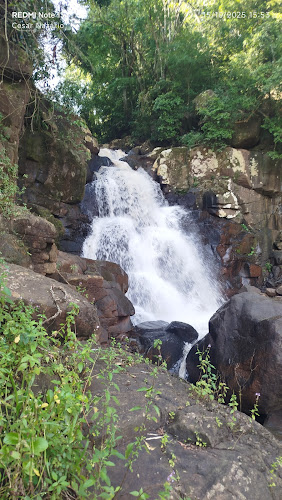
Cachoeira do Arroio Carimã
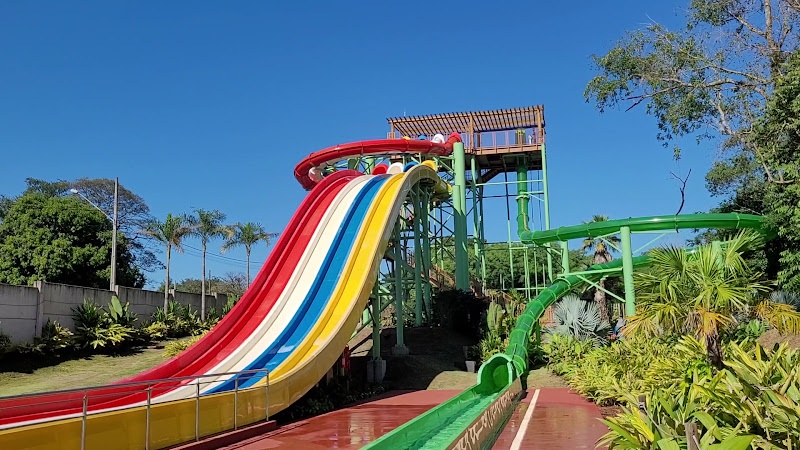
Blue Park Foz
Find Accommodations Nearby
Recommended Tours & Activities
Visitor Reviews
There are no reviews yet. Be the first one to write one.
Share Your Experience
Have you visited Itaipu Biological Refuge? Help other travelers by leaving a review.