

Istanbul Museum of the History of Science and Technology in Islam
About Istanbul Museum of the History of Science and Technology in Islam
Description
The Istanbul Museum of the History of Science and Technology in Islam offers travelers a genuinely unique journey through centuries of scientific achievement that often gets overlooked in mainstream history narratives. Housed within the former imperial stables of Gülhane Park, this remarkable museum showcases the incredible contributions Islamic scholars made to fields ranging from astronomy and mathematics to medicine and engineering between the 8th and 16th centuries. Walking through these historic stone buildings, visitors discover that many instruments and techniques we consider modern actually have roots stretching back over a millennium. The museum does an exceptional job dispelling common misconceptions about the so-called "Dark Ages" by demonstrating how Islamic civilization was actually experiencing a golden age of innovation while much of Europe struggled through medieval times. And honestly, it's pretty eye-opening stuff. What makes this museum particularly special is its approach to presentation. Rather than simply displaying old manuscripts behind glass, the curators have created full-scale reconstructions of ancient scientific instruments, astronomical devices, and medical tools. You can actually see how these innovations worked in practice, which brings the whole experience to life in ways that dusty textbooks never could. The setting itself adds another layer to the experience. These renovated Ottoman-era stables provide an atmospheric backdrop that connects visitors to Istanbul's layered history. The architecture reminds you that you're standing in a city that has been a crossroads of knowledge and culture for centuries, making it the perfect location for exploring Islamic scientific heritage.Key Features
The museum's collection spans multiple disciplines and eras, offering travelers a comprehensive look at Islamic scientific achievements:- Astronomical Instruments: The astronomy section is absolutely fascinating, featuring reconstructed astrolabes, celestial globes, and observational tools that Islamic astronomers used to map the heavens with remarkable precision. These weren't primitive devices either - some achieved accuracy that wouldn't be surpassed in Europe for centuries.
- Medical Innovations: Visitors can examine surgical instruments and pharmaceutical tools that reveal how advanced Islamic medicine was during the medieval period. The displays show techniques for cataract surgery, bone setting, and pharmaceutical preparation that were genuinely ahead of their time.
- Engineering Marvels: Mechanical devices and engineering models demonstrate the ingenuity of Islamic inventors, including water clocks, automated machines, and architectural innovations. Some of these contraptions are downright clever, using principles that wouldn't be "rediscovered" in the West until the Renaissance.
- Mathematical Contributions: The museum highlights how Islamic scholars preserved Greek mathematical knowledge while making their own groundbreaking advances in algebra, geometry, and trigonometry. You'll see calculating devices and geometric instruments that show mathematics as a practical, applied science.
- Navigation Tools: Maritime instruments including compasses, quadrants, and nautical charts reveal how Islamic navigators mastered long-distance sea travel and contributed to geographical knowledge.
- Optics and Physics: Displays covering early work in optics, including studies of light, reflection, and vision that laid groundwork for modern understanding of these phenomena.
- Interactive Elements: While not overly high-tech, the museum includes some hands-on components that let visitors engage with scientific principles directly rather than just reading about them.
- Wheelchair Accessibility: The museum provides wheelchair-accessible entrances and parking, making it possible for travelers with mobility considerations to fully explore the collections.
Best Time to Visit
Timing your visit to this museum requires considering both seasonal factors and daily patterns to maximize your experience. The shoulder seasons of spring (April-May) and autumn (September-October) offer ideal conditions for exploring the museum and its surrounding Gülhane Park. During these months, Istanbul's weather stays pleasant without the intense summer heat or winter chill, and tourist crowds thin out compared to peak summer season. Plus, the park outside looks absolutely gorgeous when spring flowers bloom or autumn leaves turn. Summer months (June-August) bring the largest crowds of international tourists, which means the museum can get quite busy, especially mid-morning through early afternoon. If you're visiting during summer, arrive right when doors open or plan for a late afternoon visit when tour groups have typically moved on to other attractions. The stone buildings do stay relatively cool even in summer heat, which is a nice bonus. Winter (November-March) sees fewer visitors overall, giving you more space to contemplate the exhibits without competing for viewing angles. However, the historic buildings can feel chilly during colder months, so dress accordingly. But honestly, there's something special about exploring scientific history while Istanbul's winter rain patters on the ancient roof above. Regarding specific days, weekends naturally draw more local visitors and families, while weekdays offer a quieter experience. Tuesday through Thursday mornings tend to be the calmest times if you prefer minimal crowds. School groups often visit during term time, typically arriving between 10am-11am, so plan around that window if you'd rather avoid the energetic chaos of excited students. Many travelers overlook the fact that visiting during Ramadan can actually be quite pleasant - the museum stays open with modified hours, and crowds decrease during fasting hours. Just be aware that some nearby restaurants might have limited service during daytime.How to Get There
Getting to the museum is straightforward thanks to Istanbul's well-developed public transportation network and the museum's central location near several major tourist sites. The most scenic approach involves taking the historic tram (T1 line) to Gülhane station. From there, it's literally a five-minute walk through Gülhane Park to reach the museum entrance. The tram itself is an experience, especially if you've never ridden Istanbul's vintage-style streetcars, and this line connects you to other major destinations like Sultanahmet, the Grand Bazaar, and the Spice Bazaar. If you're staying in the Taksim or Beyoğlu areas, you can take the funicular down to Kabataş and then catch the T1 tram toward Bağcılar, getting off at Gülhane. The whole journey takes maybe 25-30 minutes depending on connections. Metro connections also work well - the M2 line to Vezneciler station puts you about a 15-minute walk from the museum, taking you past some interesting street scenes and local shops. The walk goes through characterful neighborhoods that give you a taste of everyday Istanbul life beyond the tourist zones. Taxis remain plentiful throughout Istanbul, though traffic can be unpredictable. If you're coming from the Asian side or farther districts, a taxi might make sense despite potential traffic delays. Just make sure the driver uses the meter or agree on a price beforehand. For those who enjoy walking, the museum sits within easy strolling distance of Topkapı Palace, Hagia Sophia, and the Blue Mosque. You could easily combine a museum visit with exploration of these landmarks, creating a full day of historical discovery. The walk from Sultanahmet Square takes maybe 10 minutes through pleasant park pathways. Some travelers use ride-sharing apps which function in Istanbul, offering another convenient option with upfront pricing that avoids meter concerns.Tips for Visiting
Making the most of your museum experience requires a bit of strategic planning and insider knowledge that guidebooks sometimes miss. Allow yourself at least 90 minutes to two hours for a thorough visit. I've seen travelers rush through in 45 minutes, but they inevitably miss fascinating details and don't really absorb what they're seeing. The reconstructed instruments deserve close examination, and reading the explanatory texts takes time. The museum provides explanations in both Turkish and English, though translations occasionally feel a bit stiff or technical. Don't let that deter you - the physical exhibits communicate plenty even when language proves challenging. Bringing a curious mindset matters more than perfect comprehension of every technical detail. Photography is generally permitted for personal use, which is fantastic because these exhibits are genuinely photogenic. The lighting isn't always ideal though, so if you're serious about capturing good images, visit during morning hours when natural light filters through windows most effectively. Restroom facilities are available on-site, which is worth noting since you might spend a couple hours exploring. They're basic but adequately maintained. The museum works wonderfully for families with children who have even a passing interest in science or history. The reconstructed instruments capture young imaginations better than you might expect. However, there aren't many interactive touchscreens or multimedia presentations that kids raised on tablets might expect. Set expectations accordingly - this museum rewards imagination and curiosity rather than providing constant stimulation. Consider combining your visit with time in Gülhane Park itself. The park offers beautiful walking paths, tea gardens, and viewpoints overlooking the Bosphorus. It's a perfect spot to decompress after absorbing all that historical information, and the contrast between natural beauty and scientific achievement creates a nice balance. While the museum doesn't have a restaurant, small cafes and tea houses in Gülhane Park serve refreshments. You'll also find numerous dining options within a short walk in the Sultanahmet area, ranging from tourist-oriented restaurants to local eateries frequented by Istanbul residents. Wear comfortable walking shoes since you'll be on your feet exploring multiple galleries, and the historic building has some uneven surfaces. The stone floors can get slippery when wet, so watch your step during rainy weather. If you're a serious student of scientific history, consider visiting the museum early in your Istanbul stay. It provides context that enriches visits to other historical sites by demonstrating the sophisticated civilization that created the Ottoman Empire and earlier Islamic dynasties. Don't feel obligated to read every single placard or examine every instrument in exhaustive detail. Some travelers benefit more from selective deep dives into topics that particularly interest them - maybe you're fascinated by astronomy but could skip the pharmaceutical section. That's perfectly fine. The gift shop offers some interesting books and reproductions, though selection is somewhat limited compared to larger museums. Still, it's worth a quick browse if you collect historical or scientific memorabilia. Finally, approach this museum with an open mind. It challenges some Eurocentric narratives about scientific progress that many Western-educated travelers absorbed in school. That's part of what makes it valuable - expanding your understanding of how knowledge developed across different cultures and civilizations. The Islamic world's scientific contributions deserve recognition, and this museum does important work preserving and presenting that heritage.Key Features
- Key Features
- Best Time to Visit
- How to Get There
- Tips for Visiting
More Details
Updated March 30, 2026
Table of Contents
- Description
- Key Features
- Best Time to Visit
- How to Get There
- Tips for Visiting
- Key Highlights
- Location
- Places to Stay Near Istanbul Museum of the History of Science and Technology in Islam
- Find and Book a Tour
- Explore More Travel Guides
- Nearby Places You Might Like
- Traveler Reviews for Istanbul Museum of the History of Science and Technology in Islam
- Share Your Experience
Description
The Istanbul Museum of the History of Science and Technology in Islam offers travelers a genuinely unique journey through centuries of scientific achievement that often gets overlooked in mainstream history narratives. Housed within the former imperial stables of Gülhane Park, this remarkable museum showcases the incredible contributions Islamic scholars made to fields ranging from astronomy and mathematics to medicine and engineering between the 8th and 16th centuries.
Walking through these historic stone buildings, visitors discover that many instruments and techniques we consider modern actually have roots stretching back over a millennium. The museum does an exceptional job dispelling common misconceptions about the so-called “Dark Ages” by demonstrating how Islamic civilization was actually experiencing a golden age of innovation while much of Europe struggled through medieval times. And honestly, it’s pretty eye-opening stuff.
What makes this museum particularly special is its approach to presentation. Rather than simply displaying old manuscripts behind glass, the curators have created full-scale reconstructions of ancient scientific instruments, astronomical devices, and medical tools. You can actually see how these innovations worked in practice, which brings the whole experience to life in ways that dusty textbooks never could.
The setting itself adds another layer to the experience. These renovated Ottoman-era stables provide an atmospheric backdrop that connects visitors to Istanbul’s layered history. The architecture reminds you that you’re standing in a city that has been a crossroads of knowledge and culture for centuries, making it the perfect location for exploring Islamic scientific heritage.
Key Features
The museum’s collection spans multiple disciplines and eras, offering travelers a comprehensive look at Islamic scientific achievements:
- Astronomical Instruments: The astronomy section is absolutely fascinating, featuring reconstructed astrolabes, celestial globes, and observational tools that Islamic astronomers used to map the heavens with remarkable precision. These weren’t primitive devices either – some achieved accuracy that wouldn’t be surpassed in Europe for centuries.
- Medical Innovations: Visitors can examine surgical instruments and pharmaceutical tools that reveal how advanced Islamic medicine was during the medieval period. The displays show techniques for cataract surgery, bone setting, and pharmaceutical preparation that were genuinely ahead of their time.
- Engineering Marvels: Mechanical devices and engineering models demonstrate the ingenuity of Islamic inventors, including water clocks, automated machines, and architectural innovations. Some of these contraptions are downright clever, using principles that wouldn’t be “rediscovered” in the West until the Renaissance.
- Mathematical Contributions: The museum highlights how Islamic scholars preserved Greek mathematical knowledge while making their own groundbreaking advances in algebra, geometry, and trigonometry. You’ll see calculating devices and geometric instruments that show mathematics as a practical, applied science.
- Navigation Tools: Maritime instruments including compasses, quadrants, and nautical charts reveal how Islamic navigators mastered long-distance sea travel and contributed to geographical knowledge.
- Optics and Physics: Displays covering early work in optics, including studies of light, reflection, and vision that laid groundwork for modern understanding of these phenomena.
- Interactive Elements: While not overly high-tech, the museum includes some hands-on components that let visitors engage with scientific principles directly rather than just reading about them.
- Wheelchair Accessibility: The museum provides wheelchair-accessible entrances and parking, making it possible for travelers with mobility considerations to fully explore the collections.
Best Time to Visit
Timing your visit to this museum requires considering both seasonal factors and daily patterns to maximize your experience.
The shoulder seasons of spring (April-May) and autumn (September-October) offer ideal conditions for exploring the museum and its surrounding Gülhane Park. During these months, Istanbul’s weather stays pleasant without the intense summer heat or winter chill, and tourist crowds thin out compared to peak summer season. Plus, the park outside looks absolutely gorgeous when spring flowers bloom or autumn leaves turn.
Summer months (June-August) bring the largest crowds of international tourists, which means the museum can get quite busy, especially mid-morning through early afternoon. If you’re visiting during summer, arrive right when doors open or plan for a late afternoon visit when tour groups have typically moved on to other attractions. The stone buildings do stay relatively cool even in summer heat, which is a nice bonus.
Winter (November-March) sees fewer visitors overall, giving you more space to contemplate the exhibits without competing for viewing angles. However, the historic buildings can feel chilly during colder months, so dress accordingly. But honestly, there’s something special about exploring scientific history while Istanbul’s winter rain patters on the ancient roof above.
Regarding specific days, weekends naturally draw more local visitors and families, while weekdays offer a quieter experience. Tuesday through Thursday mornings tend to be the calmest times if you prefer minimal crowds. School groups often visit during term time, typically arriving between 10am-11am, so plan around that window if you’d rather avoid the energetic chaos of excited students.
Many travelers overlook the fact that visiting during Ramadan can actually be quite pleasant – the museum stays open with modified hours, and crowds decrease during fasting hours. Just be aware that some nearby restaurants might have limited service during daytime.
How to Get There
Getting to the museum is straightforward thanks to Istanbul’s well-developed public transportation network and the museum’s central location near several major tourist sites.
The most scenic approach involves taking the historic tram (T1 line) to Gülhane station. From there, it’s literally a five-minute walk through Gülhane Park to reach the museum entrance. The tram itself is an experience, especially if you’ve never ridden Istanbul’s vintage-style streetcars, and this line connects you to other major destinations like Sultanahmet, the Grand Bazaar, and the Spice Bazaar.
If you’re staying in the Taksim or Beyoğlu areas, you can take the funicular down to Kabataş and then catch the T1 tram toward Bağcılar, getting off at Gülhane. The whole journey takes maybe 25-30 minutes depending on connections.
Metro connections also work well – the M2 line to Vezneciler station puts you about a 15-minute walk from the museum, taking you past some interesting street scenes and local shops. The walk goes through characterful neighborhoods that give you a taste of everyday Istanbul life beyond the tourist zones.
Taxis remain plentiful throughout Istanbul, though traffic can be unpredictable. If you’re coming from the Asian side or farther districts, a taxi might make sense despite potential traffic delays. Just make sure the driver uses the meter or agree on a price beforehand.
For those who enjoy walking, the museum sits within easy strolling distance of Topkapı Palace, Hagia Sophia, and the Blue Mosque. You could easily combine a museum visit with exploration of these landmarks, creating a full day of historical discovery. The walk from Sultanahmet Square takes maybe 10 minutes through pleasant park pathways.
Some travelers use ride-sharing apps which function in Istanbul, offering another convenient option with upfront pricing that avoids meter concerns.
Tips for Visiting
Making the most of your museum experience requires a bit of strategic planning and insider knowledge that guidebooks sometimes miss.
Allow yourself at least 90 minutes to two hours for a thorough visit. I’ve seen travelers rush through in 45 minutes, but they inevitably miss fascinating details and don’t really absorb what they’re seeing. The reconstructed instruments deserve close examination, and reading the explanatory texts takes time.
The museum provides explanations in both Turkish and English, though translations occasionally feel a bit stiff or technical. Don’t let that deter you – the physical exhibits communicate plenty even when language proves challenging. Bringing a curious mindset matters more than perfect comprehension of every technical detail.
Photography is generally permitted for personal use, which is fantastic because these exhibits are genuinely photogenic. The lighting isn’t always ideal though, so if you’re serious about capturing good images, visit during morning hours when natural light filters through windows most effectively.
Restroom facilities are available on-site, which is worth noting since you might spend a couple hours exploring. They’re basic but adequately maintained.
The museum works wonderfully for families with children who have even a passing interest in science or history. The reconstructed instruments capture young imaginations better than you might expect. However, there aren’t many interactive touchscreens or multimedia presentations that kids raised on tablets might expect. Set expectations accordingly – this museum rewards imagination and curiosity rather than providing constant stimulation.
Consider combining your visit with time in Gülhane Park itself. The park offers beautiful walking paths, tea gardens, and viewpoints overlooking the Bosphorus. It’s a perfect spot to decompress after absorbing all that historical information, and the contrast between natural beauty and scientific achievement creates a nice balance.
While the museum doesn’t have a restaurant, small cafes and tea houses in Gülhane Park serve refreshments. You’ll also find numerous dining options within a short walk in the Sultanahmet area, ranging from tourist-oriented restaurants to local eateries frequented by Istanbul residents.
Wear comfortable walking shoes since you’ll be on your feet exploring multiple galleries, and the historic building has some uneven surfaces. The stone floors can get slippery when wet, so watch your step during rainy weather.
If you’re a serious student of scientific history, consider visiting the museum early in your Istanbul stay. It provides context that enriches visits to other historical sites by demonstrating the sophisticated civilization that created the Ottoman Empire and earlier Islamic dynasties.
Don’t feel obligated to read every single placard or examine every instrument in exhaustive detail. Some travelers benefit more from selective deep dives into topics that particularly interest them – maybe you’re fascinated by astronomy but could skip the pharmaceutical section. That’s perfectly fine.
The gift shop offers some interesting books and reproductions, though selection is somewhat limited compared to larger museums. Still, it’s worth a quick browse if you collect historical or scientific memorabilia.
Finally, approach this museum with an open mind. It challenges some Eurocentric narratives about scientific progress that many Western-educated travelers absorbed in school. That’s part of what makes it valuable – expanding your understanding of how knowledge developed across different cultures and civilizations. The Islamic world’s scientific contributions deserve recognition, and this museum does important work preserving and presenting that heritage.
Key Highlights
- Key Features
- Best Time to Visit
- How to Get There
- Tips for Visiting
Location
Places to Stay Near Istanbul Museum of the History of Science and Technology in Islam
Find and Book a Tour
Explore More Travel Guides
No reviews found! Be the first to review!
Istanbul Museum of the History of Science and Technology in Islam is a prominent museums located in TR.
Visit us at: Cankurtaran, Gülhane Parkı, Taya Hatun Sk No:8A, 34122 Fatih/İstanbul, Türkiye.
Traveler Reviews for Istanbul Museum of the History of Science and Technology in Islam
There are no reviews yet. Be the first one to write one.
Have you visited Istanbul Museum of the History of Science and Technology in Islam? Help other travelers by sharing your review.
You Might Also Like
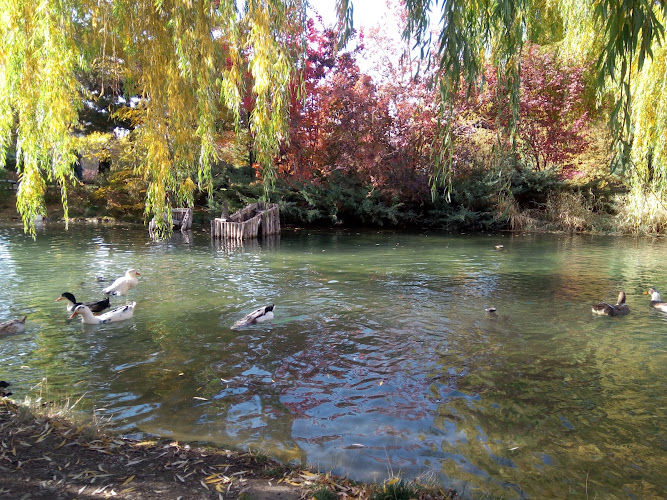
Ata Park Botanical Garden
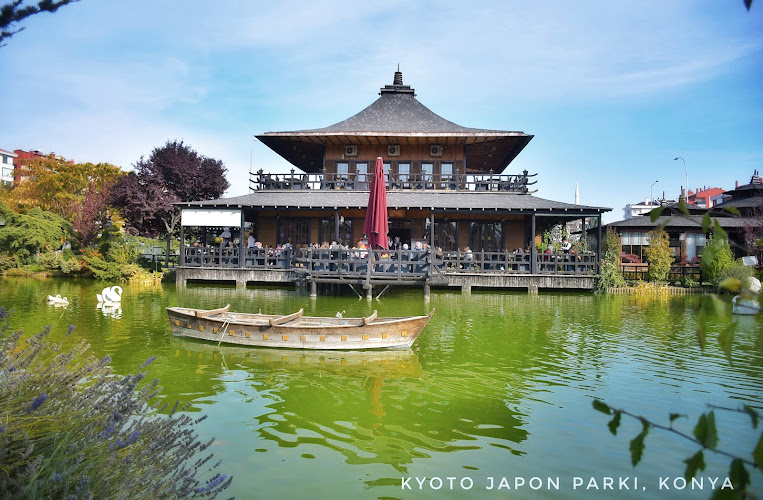
Kyoto Japanese Park

Kızıl Kale - Red Castle
Find Accommodations Nearby
Recommended Tours & Activities
Visitor Reviews
There are no reviews yet. Be the first one to write one.
Share Your Experience
Have you visited Istanbul Museum of the History of Science and Technology in Islam? Help other travelers by leaving a review.