

Israeli Air Force Museum
About Israeli Air Force Museum
Description
The Israeli Air Force Museum, known locally as מוזיאון חיל-האוויר, sits at Hatzerim, Israel and serves as a living chronicle of the state's aerial history. The museum is presented as a nature reserve of the air force and invites visitors to follow paths through hardware and heroism: some 150 aircraft are displayed, ranging from the fragile Messerschmitt used in the 1948 War of Independence to modern fighters like the Phantom, the indigenous Lavi prototype, and several Boeing airframes. The collection reads like a timeline—metal, paint, and patched-up pride—telling stories about technological leaps, tactical thinking, and the people who flew and maintained these machines.
Operated primarily by a mission to preserve, research, and communicate the heritage of the Israeli Air Force, the museum functions as a national center for history and memory. It is open to the public by prior arrangement, which keeps it quieter and more focused than many urban museums; that has a special charm for people who like to take their time. The setting at Hatzerim itself is subtly meaningful: it is close to active air bases and training grounds, so one can occasionally watch contemporary jets streak by while standing next to aircraft that were cutting-edge decades ago. For visitors who love military history, aviation technology, or just plain good storytelling told in metal and rivets, this place is a must-see on a trip through southern Israel.
There’s honesty in the presentation. The exhibits include restored cockpits, engines, armaments and signage that explains each machine’s role in the Air Force’s evolution. Interactive displays and plaques are aimed at a broad audience, with special attention to younger visitors and veterans. The museum’s guiding principle is not only to display aircraft, but to create a bridge between generations—encouraging the public, and especially future air force members, to engage with the squadron histories and the ethos behind them.
Accessibility is taken seriously: the museum offers a wheelchair-accessible entrance, parking, and restrooms. Practical amenities are limited—there is no full-service restaurant on site—so planning ahead is advisable. Restrooms are available, and the layout of the campus, with outdoor walks between static displays, makes it easy to manage a comfortable visit for people traveling with children or those needing mobility aids.
Key Features
- Approximately 150 aircraft on display, including classic types such as the Messerschmitt, Phantom, Lavi, and several Boeing models.
- Outdoor walking trails that function as an open-air museum set within a nature-reserve atmosphere.
- Curated exhibits focusing on historical campaigns, aviation technology, and personal stories of air force personnel.
- Wheelchair-accessible facilities: entrance, parking, and restrooms are adapted to mobility needs.
- Educational programming geared toward schools, families, and veteran groups; tours available by prior appointment.
- Hands-on cockpit access on selected aircraft—an excellent chance for kids and aviation enthusiasts to sit where pilots once did.
- Photogenic displays: close-up access to aircraft surfaces, insignia, and engineering details that attract photographers and hobbyists.
- A mission-driven collection emphasizing preservation, research, and the transmission of heritage to future generations.
Best Time to Visit
The museum is best visited during the cooler months of the Israeli year—late autumn through spring—when daytime temperatures are comfortable for walking outdoors between exhibits. Weekdays are quieter than weekends and provide a more contemplative experience; because visits are arranged by appointment, visitors who plan ahead can often secure a guided slot that avoids crowds. Early morning visits are particularly pleasant: the light is ideal for photos, and the air feels fresher, which matters when spending a few hours outdoors examining metal and history.
For those who enjoy witnessing modern military aviation in tandem with historical displays, timing a visit to coincide with regular air base activity can add an extra thrill. But note: active flight schedules are subject to operational needs and security; the museum cannot guarantee seeing contemporary jets. Families should avoid the hottest midday hours in summer unless they are prepared with sun protection, water, and a flexible pace. Also, special commemorative events—memorial days, air force anniversaries or educational open days—offer richer programming, but these can draw larger crowds and require earlier booking. In short: book ahead, aim for morning or late afternoon in the cooler months, and factor in a guided tour to extract the most meaning from the visit.
How to Get There
Visitors traveling to Hatzerim should plan logistics in advance because the museum opens by appointment and is sited away from dense urban centers. Private car or taxi is the most straightforward option and gives the freedom to arrive at the scheduled time without hassle. There is ample parking, including spaces designed for wheelchair users, which makes arrival and departure painless for visitors with mobility needs. Public transport reaches the general area but may require transfers and a short taxi ride to the museum gates; for international travelers relying on buses, allow extra time and double-check schedules.
The museum’s location near active air bases means signage is clear once close, but GPS directions can sometimes be inconsistent—so it’s wise to confirm the exact meeting point when making an appointment. Many guided groups arrive by organized tour minibuses; for those who prefer a self-paced visit, renting a car provides the best flexibility. For overseas visitors renting a car, local driving is straightforward on primary roads, though rural signage varies. Remember to bring identification for security checks that may be requested at entry points near military areas.
Tips for Visiting
Practical suggestions make a visit more enjoyable. The museum is part outdoor, part exhibit halls, so layering clothes is smart: mornings can be cool, afternoons warm. Comfortable walking shoes are a must—the grounds are spread out and include paths that are better explored on foot. Visitors who like photos should bring a camera; the museum permits photography of static displays and close-up shots of cockpits, though drone use is typically restricted due to nearby military installations. If a visitor plans to sit in a cockpit, be ready to remove sharp objects and avoid wearing loose jewelry that may snag original controls.
Because the museum’s purpose extends beyond display—preservation, research, and education—respect for the artifacts is requested. That means no climbing on non-designated aircraft, no touching fragile instrumentation, and following staff directions during guided tours. Many exhibits carry personal stories: plaques and small displays recount heroics, losses, and the human side of operations, and these are best read slowly. The writer remembers a moment near an early jet where an elderly visitor quietly described recognizing a friend’s name on a memorial plaque; it was raw, unexpected, and gave the whole visit weight. Don’t rush past those quieter corners—this is where the museum’s mission to connect people and heritage shines.
Families with kids will find the museum rewarding. There are child-friendly displays and cockpit access that excite younger visitors, but activities are not endless playgrounds; bring snacks, water, and patience. Note the lack of an on-site restaurant—pack a picnic or plan to eat before or after the visit. For people needing mobility assistance, the museum’s wheelchair ramps and accessible restrooms are a relief; still, contacting the museum in advance to arrange specific help or to confirm accessible routes is recommended. If a visitor uses a wheelchair, caretakers should mention that when booking so staff can prepare assistance.
Guided tours are worth the time. Even a short guided walk adds context that signage alone cannot provide: anecdotes, little-known technical details, and stories of the crews that bring an aircraft’s past to life. The curator or volunteer guide often shares tidbits not found in print—like why a particular paint job was chosen, or how an engine was salvaged and restored. Those stories stick. The mix of technical description and personal narrative is the museum’s strong suit—don’t skip the commentary if offered.
Security and etiquette: as the site is tied closely to the Israeli Air Force, visitors should carry ID and expect basic security checks. Photography of certain areas might be restricted for operational security reasons; obey staff instructions. The crowd is typically respectful and curious, and the atmosphere leans toward reverence rather than mere spectacle. That said, children’s laughter is welcome—there’s a lot to marvel at here.
Finally, souvenirs and follow-up: there’s usually a modest gift shop with aviation-themed items, books, and memorabilia. Those items help support the museum’s preservation work, so buying something small is a nice way to leave a footprint behind. If visitors leave with an itch to learn more, the museum’s archival references and recommendations for further reading will point the way to deeper study—perfect for history buffs who want to keep digging after they’ve returned home.
Overall, the Israeli Air Force Museum at Hatzerim offers an immersive, often moving experience that combines aircraft, history, and human stories. For travelers planning a visit to the region, it’s a place to slow down, think about the cost and craft of air power, and to witness a national narrative told in aluminum and alloy. Book a slot, bring good walking shoes, and allow time. After all, the best moments are sometimes the ones spent standing quietly beside an old cockpit, imagining the hands that once gripped those controls.
Key Features
- Extensive outdoor collection of over 150 aircraft including historic fighters, transports, and helicopters
- Restored cockpits and walk-around exhibits that allow close-up viewing and photo opportunities
- On-site archival displays and artifacts: uniforms, instruments, weapons, and mission memorabilia
- Authentic setting within Hatzerim Airbase with active air operations visible and audible
- Small indoor exhibit spaces, gift shop and a café near the entrance (facilities can be limited)
More Details
Updated August 30, 2025
Table of Contents
Description
The Israeli Air Force Museum, known locally as מוזיאון חיל-האוויר, sits at Hatzerim, Israel and serves as a living chronicle of the state’s aerial history. The museum is presented as a nature reserve of the air force and invites visitors to follow paths through hardware and heroism: some 150 aircraft are displayed, ranging from the fragile Messerschmitt used in the 1948 War of Independence to modern fighters like the Phantom, the indigenous Lavi prototype, and several Boeing airframes. The collection reads like a timeline—metal, paint, and patched-up pride—telling stories about technological leaps, tactical thinking, and the people who flew and maintained these machines.
Operated primarily by a mission to preserve, research, and communicate the heritage of the Israeli Air Force, the museum functions as a national center for history and memory. It is open to the public by prior arrangement, which keeps it quieter and more focused than many urban museums; that has a special charm for people who like to take their time. The setting at Hatzerim itself is subtly meaningful: it is close to active air bases and training grounds, so one can occasionally watch contemporary jets streak by while standing next to aircraft that were cutting-edge decades ago. For visitors who love military history, aviation technology, or just plain good storytelling told in metal and rivets, this place is a must-see on a trip through southern Israel.
There’s honesty in the presentation. The exhibits include restored cockpits, engines, armaments and signage that explains each machine’s role in the Air Force’s evolution. Interactive displays and plaques are aimed at a broad audience, with special attention to younger visitors and veterans. The museum’s guiding principle is not only to display aircraft, but to create a bridge between generations—encouraging the public, and especially future air force members, to engage with the squadron histories and the ethos behind them.
Accessibility is taken seriously: the museum offers a wheelchair-accessible entrance, parking, and restrooms. Practical amenities are limited—there is no full-service restaurant on site—so planning ahead is advisable. Restrooms are available, and the layout of the campus, with outdoor walks between static displays, makes it easy to manage a comfortable visit for people traveling with children or those needing mobility aids.
Key Features
- Approximately 150 aircraft on display, including classic types such as the Messerschmitt, Phantom, Lavi, and several Boeing models.
- Outdoor walking trails that function as an open-air museum set within a nature-reserve atmosphere.
- Curated exhibits focusing on historical campaigns, aviation technology, and personal stories of air force personnel.
- Wheelchair-accessible facilities: entrance, parking, and restrooms are adapted to mobility needs.
- Educational programming geared toward schools, families, and veteran groups; tours available by prior appointment.
- Hands-on cockpit access on selected aircraft—an excellent chance for kids and aviation enthusiasts to sit where pilots once did.
- Photogenic displays: close-up access to aircraft surfaces, insignia, and engineering details that attract photographers and hobbyists.
- A mission-driven collection emphasizing preservation, research, and the transmission of heritage to future generations.
Best Time to Visit
The museum is best visited during the cooler months of the Israeli year—late autumn through spring—when daytime temperatures are comfortable for walking outdoors between exhibits. Weekdays are quieter than weekends and provide a more contemplative experience; because visits are arranged by appointment, visitors who plan ahead can often secure a guided slot that avoids crowds. Early morning visits are particularly pleasant: the light is ideal for photos, and the air feels fresher, which matters when spending a few hours outdoors examining metal and history.
For those who enjoy witnessing modern military aviation in tandem with historical displays, timing a visit to coincide with regular air base activity can add an extra thrill. But note: active flight schedules are subject to operational needs and security; the museum cannot guarantee seeing contemporary jets. Families should avoid the hottest midday hours in summer unless they are prepared with sun protection, water, and a flexible pace. Also, special commemorative events—memorial days, air force anniversaries or educational open days—offer richer programming, but these can draw larger crowds and require earlier booking. In short: book ahead, aim for morning or late afternoon in the cooler months, and factor in a guided tour to extract the most meaning from the visit.
How to Get There
Visitors traveling to Hatzerim should plan logistics in advance because the museum opens by appointment and is sited away from dense urban centers. Private car or taxi is the most straightforward option and gives the freedom to arrive at the scheduled time without hassle. There is ample parking, including spaces designed for wheelchair users, which makes arrival and departure painless for visitors with mobility needs. Public transport reaches the general area but may require transfers and a short taxi ride to the museum gates; for international travelers relying on buses, allow extra time and double-check schedules.
The museum’s location near active air bases means signage is clear once close, but GPS directions can sometimes be inconsistent—so it’s wise to confirm the exact meeting point when making an appointment. Many guided groups arrive by organized tour minibuses; for those who prefer a self-paced visit, renting a car provides the best flexibility. For overseas visitors renting a car, local driving is straightforward on primary roads, though rural signage varies. Remember to bring identification for security checks that may be requested at entry points near military areas.
Tips for Visiting
Practical suggestions make a visit more enjoyable. The museum is part outdoor, part exhibit halls, so layering clothes is smart: mornings can be cool, afternoons warm. Comfortable walking shoes are a must—the grounds are spread out and include paths that are better explored on foot. Visitors who like photos should bring a camera; the museum permits photography of static displays and close-up shots of cockpits, though drone use is typically restricted due to nearby military installations. If a visitor plans to sit in a cockpit, be ready to remove sharp objects and avoid wearing loose jewelry that may snag original controls.
Because the museum’s purpose extends beyond display—preservation, research, and education—respect for the artifacts is requested. That means no climbing on non-designated aircraft, no touching fragile instrumentation, and following staff directions during guided tours. Many exhibits carry personal stories: plaques and small displays recount heroics, losses, and the human side of operations, and these are best read slowly. The writer remembers a moment near an early jet where an elderly visitor quietly described recognizing a friend’s name on a memorial plaque; it was raw, unexpected, and gave the whole visit weight. Don’t rush past those quieter corners—this is where the museum’s mission to connect people and heritage shines.
Families with kids will find the museum rewarding. There are child-friendly displays and cockpit access that excite younger visitors, but activities are not endless playgrounds; bring snacks, water, and patience. Note the lack of an on-site restaurant—pack a picnic or plan to eat before or after the visit. For people needing mobility assistance, the museum’s wheelchair ramps and accessible restrooms are a relief; still, contacting the museum in advance to arrange specific help or to confirm accessible routes is recommended. If a visitor uses a wheelchair, caretakers should mention that when booking so staff can prepare assistance.
Guided tours are worth the time. Even a short guided walk adds context that signage alone cannot provide: anecdotes, little-known technical details, and stories of the crews that bring an aircraft’s past to life. The curator or volunteer guide often shares tidbits not found in print—like why a particular paint job was chosen, or how an engine was salvaged and restored. Those stories stick. The mix of technical description and personal narrative is the museum’s strong suit—don’t skip the commentary if offered.
Security and etiquette: as the site is tied closely to the Israeli Air Force, visitors should carry ID and expect basic security checks. Photography of certain areas might be restricted for operational security reasons; obey staff instructions. The crowd is typically respectful and curious, and the atmosphere leans toward reverence rather than mere spectacle. That said, children’s laughter is welcome—there’s a lot to marvel at here.
Finally, souvenirs and follow-up: there’s usually a modest gift shop with aviation-themed items, books, and memorabilia. Those items help support the museum’s preservation work, so buying something small is a nice way to leave a footprint behind. If visitors leave with an itch to learn more, the museum’s archival references and recommendations for further reading will point the way to deeper study—perfect for history buffs who want to keep digging after they’ve returned home.
Overall, the Israeli Air Force Museum at Hatzerim offers an immersive, often moving experience that combines aircraft, history, and human stories. For travelers planning a visit to the region, it’s a place to slow down, think about the cost and craft of air power, and to witness a national narrative told in aluminum and alloy. Book a slot, bring good walking shoes, and allow time. After all, the best moments are sometimes the ones spent standing quietly beside an old cockpit, imagining the hands that once gripped those controls.
Key Highlights
- Extensive outdoor collection of over 150 aircraft including historic fighters, transports, and helicopters
- Restored cockpits and walk-around exhibits that allow close-up viewing and photo opportunities
- On-site archival displays and artifacts: uniforms, instruments, weapons, and mission memorabilia
- Authentic setting within Hatzerim Airbase with active air operations visible and audible
- Small indoor exhibit spaces, gift shop and a café near the entrance (facilities can be limited)
Location
Places to Stay Near Israeli Air Force Museum
Find and Book a Tour
Explore More Travel Guides
No reviews found! Be the first to review!
Traveler Reviews for Israeli Air Force Museum
There are no reviews yet. Be the first one to write one.
Have you visited Israeli Air Force Museum? Help other travelers by sharing your review.
Nearby Attractions
You Might Also Like
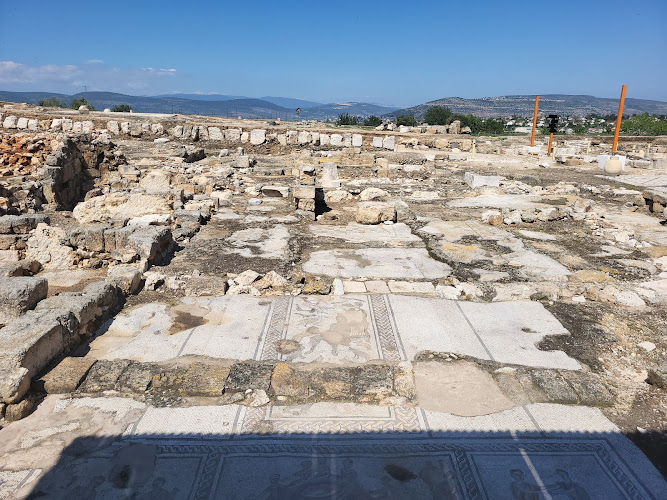
Tzipori National Park

HaBima Square

Nahal Mearot Nature Preserve
Find Accommodations Nearby
Recommended Tours & Activities
Visitor Reviews
There are no reviews yet. Be the first one to write one.
Share Your Experience
Have you visited Israeli Air Force Museum? Help other travelers by leaving a review.