
Tzipori National Park
About Tzipori National Park
Description
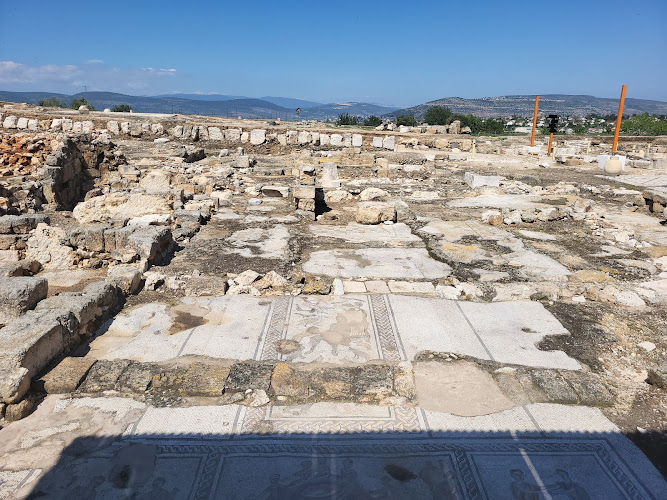
Tzipori National Park, set in the heart of Israel’s beautiful Lower Galilee, is a genuine gem for those who are intrigued by history layered with a dash of breathtaking scenery. Wandering around here sometimes feels almost like turning the pages of a gigantic, sunbaked history book. For those who have a thing for Roman mosaics or enjoy picturing ancient dramas playing out among weathered stones, this place will tick a lot of boxes. The remains are surprisingly well-preserved, and I still remember my first visit—feeling almost like an accidental archaeologist, marveling at floors crafted nearly two millennia ago.
You’ll come across the remains of a Roman theater echoing ancient performances, old Jewish ritual baths (mikvehs) that tap into centuries of spiritual life, and the imposing ruins of a Crusader-era fortress that’s prickly with untold stories. Don’t even get me started about the mosaics—really, the mosaics are showstoppers here. The so-called "Mona Lisa of the Galilee" mosaic startled me with its expressiveness and detail, and you have to see it in person to really get it.
Families find Tzipori National Park super kid-friendly, and honestly, what kid doesn't want to run around the remnants of a 2,000-year-old city? With smooth pathways, accessible facilities, picnic areas shaded by sprawling trees, and well-maintained hiking trails, it’s easy to spend a whole day here. If you’re someone who appreciates wide open skies, ancient ruins blooming with history, and mosaics that survived more centuries than entire countries, this is the sort of place that sticks with you long after you drive away.
Key Features
- Roman Theater: Seating about 4,500 in its day, this amphitheater hints at the larger-than-life Roman scene in Tzipori. Follow the old steps up for a view you won’t get in any city center.
- World-Class Mosaics: The floors here are covered in jaw-dropping mosaics—be sure not to miss the vibrant “Mona Lisa of the Galilee.” Some will make you wonder how colors that old haven’t faded.
- Crusader Fortress: Step into the stony shell of a medieval castle. Sometimes I just imagine knights tromping around, defending this hill from...well, whoever dared come up.
- Ancient Synagogue and Mikvehs: Explore remains that speak to the area’s Jewish community, complete with pristinely-kept ritual baths. It gives you a sense of the daily life that once thrived here.
- Kid-Friendly Hiking Trails: Wide, marked paths make it easy for families with children, and there are shorter routes for those who want to take things slow.
- Picnic Areas: There are shaded spots with tables; I always recommend bringing snacks or even a full picnic, because there’s nothing quite like lunch with a view of ancient stones.
- Accessibility: With wheelchair accessible entrances and parking, the park welcomes all visitors. Not every archaeological site is this considerate.
- Pet-Friendly: Dogs are allowed, so your four-legged companion can discover history with you.
- Modern Amenities: Onsite restrooms keep things comfortable, and the ability to pay with credit card or by phone makes things easier for travelers.
What’s special here? It’s how seamlessly daily life—ancient and modern—meets. One minute you'll be blown away by the artistry of a Roman bathhouse’s mosaics, and the next you might find families picnicking under pine trees, little ones tumbling through the grass. It feels lived-in, not frozen in time, and that sense of continuity gives Tzipori real warmth.
Best Time to Visit
If you’re asking when the park shines brightest, let me paint a real picture for you. In my experience, spring and autumn are prime time—late March to early May or October into November. The Galilean countryside goes all green and wildflowers bloom everywhere, so the whole site feels fresher. Summers get downright scorching, not to mention busy due to holidays, so unless you’re a true heat-seeker or love rubbing elbows with crowds, maybe dodge June through August. Winters can get chilly and rainy, but on clear days, it’s actually peaceful and misty, with way less foot traffic.
One little secret: Early morning is magical almost any time of year. Not only do you avoid the biggest tour buses—but the light slanting across the old stones makes photos pop like you wouldn’t believe. Bring a light jacket if you’re braving shoulder season, though; those breezes surprise you.
How to Get There
Getting to Tzipori National Park is a whole lot easier than deciphering one of those ancient floor mosaics (trust me, I’ve tried). If you’re driving, it’s well-signposted along the main Galilee roadways. Free parking is available right at the entrance, and since the lot’s pretty flat, you won’t have to drag your bags up any impossible slopes.
For public transport fans, intercity buses run regularly between major cities such as Haifa, Nazareth, and Tiberias, dropping you a short ride from the park grounds. A local taxi from the nearby town isn’t pricey, and can save you a good chunk of walking if you’re with family or bringing along a hefty picnic setup. If you’re coming from farther away, planning just a bit ahead pays off, especially during holiday weekends when things get busy quick.
My top tip for drivers—watch your GPS carefully; rural roads in Israel sometimes have you looping around charming but confusing little towns. I once ended up chatting with a grandfatherly local, who pointed me straight with nothing but a big smile and a few gestures. It’s those sort of off-the-map moments that stick with you, even more than the official signs sometimes.
Tips for Visiting
Planning a trip to Tzipori National Park? Here’s what I wish someone had clued me in on my first time out—and what I always pass along to friends:
- Wear Good Shoes: I know this sounds basic, but the paths are a mix of gravel and old stonework, so your flip-flops will not cut it. Sturdy sandals or actual hiking shoes are golden, especially if you’ll be pushing a stroller.
- Pack a Picnic: While there’s usually a basic snack stand, the freedom to toss your own feast onto a picnic table, under the gentle shade, can’t be beaten. Plus, kids inevitably get hungry about halfway through exploring.
- Sun Protection, Seriously: There’s a lot of open space, very little overhead cover, and Israeli sun that doesn’t mess around. Bring hats, sunscreen, and water—more than you think. I always end up lending my extra bottle to folks who underestimated the walk.
- Don't Rush: While you can sprint through in an hour, to really soak up the atmosphere—slow down, breathe deep, and let yourself imagine the bustling city that stood here. Extra time gives you a better shot at spotting wildlife, too (I still swear I saw a wild tortoise near the ancient spring one visit).
- Photo Opportunities: Bring your camera or phone fully charged. The mosaics photograph beautifully in early morning or late afternoon light, and there’s usually a breeze that creates a playful mood in your shots.
- Accessibility: If you or someone in your party has mobility needs, you’ll find wheelchair-accessible routes and facilities—which, frankly, is still rare in many archaeological parks.
- Bring Pets—but Leash Up: Dogs are allowed, but should be kept leashed at all times. Don’t forget some water and dog snacks, too; there isn’t much shade for them either.
- Guided Tours vs. Solo Wandering: You can join a guided tour (especially great for context if it’s your first ancient site), or roam free. Personally, I love exploring solo and letting curiosity lead, because sometimes the quietest corners are the most surprising.
- Payments: Go digital—credit card and phone payments are taken at the entrance, which is a small but welcome modern touch.
There’s a reason so many people leave Tzipori National Park content and maybe just a tiny bit awestruck. Give yourself the time and space to linger, ask questions, get dusty, and share a meal under the sky that covers thousands of years of stories. If you leave with sore feet and a phone full of ancient art, congratulations—you’ve done Tzipori right.
Key Features
- Key Features
- Best Time to Visit
- How to Get There
- Tips for Visiting
More Details
Updated July 6, 2025
Table of Contents
Description
Tzipori National Park, set in the heart of Israel’s beautiful Lower Galilee, is a genuine gem for those who are intrigued by history layered with a dash of breathtaking scenery. Wandering around here sometimes feels almost like turning the pages of a gigantic, sunbaked history book. For those who have a thing for Roman mosaics or enjoy picturing ancient dramas playing out among weathered stones, this place will tick a lot of boxes. The remains are surprisingly well-preserved, and I still remember my first visit—feeling almost like an accidental archaeologist, marveling at floors crafted nearly two millennia ago.
You’ll come across the remains of a Roman theater echoing ancient performances, old Jewish ritual baths (mikvehs) that tap into centuries of spiritual life, and the imposing ruins of a Crusader-era fortress that’s prickly with untold stories. Don’t even get me started about the mosaics—really, the mosaics are showstoppers here. The so-called “Mona Lisa of the Galilee” mosaic startled me with its expressiveness and detail, and you have to see it in person to really get it.
Families find Tzipori National Park super kid-friendly, and honestly, what kid doesn’t want to run around the remnants of a 2,000-year-old city? With smooth pathways, accessible facilities, picnic areas shaded by sprawling trees, and well-maintained hiking trails, it’s easy to spend a whole day here. If you’re someone who appreciates wide open skies, ancient ruins blooming with history, and mosaics that survived more centuries than entire countries, this is the sort of place that sticks with you long after you drive away.
Key Features
- Roman Theater: Seating about 4,500 in its day, this amphitheater hints at the larger-than-life Roman scene in Tzipori. Follow the old steps up for a view you won’t get in any city center.
- World-Class Mosaics: The floors here are covered in jaw-dropping mosaics—be sure not to miss the vibrant “Mona Lisa of the Galilee.” Some will make you wonder how colors that old haven’t faded.
- Crusader Fortress: Step into the stony shell of a medieval castle. Sometimes I just imagine knights tromping around, defending this hill from…well, whoever dared come up.
- Ancient Synagogue and Mikvehs: Explore remains that speak to the area’s Jewish community, complete with pristinely-kept ritual baths. It gives you a sense of the daily life that once thrived here.
- Kid-Friendly Hiking Trails: Wide, marked paths make it easy for families with children, and there are shorter routes for those who want to take things slow.
- Picnic Areas: There are shaded spots with tables; I always recommend bringing snacks or even a full picnic, because there’s nothing quite like lunch with a view of ancient stones.
- Accessibility: With wheelchair accessible entrances and parking, the park welcomes all visitors. Not every archaeological site is this considerate.
- Pet-Friendly: Dogs are allowed, so your four-legged companion can discover history with you.
- Modern Amenities: Onsite restrooms keep things comfortable, and the ability to pay with credit card or by phone makes things easier for travelers.
What’s special here? It’s how seamlessly daily life—ancient and modern—meets. One minute you’ll be blown away by the artistry of a Roman bathhouse’s mosaics, and the next you might find families picnicking under pine trees, little ones tumbling through the grass. It feels lived-in, not frozen in time, and that sense of continuity gives Tzipori real warmth.
Best Time to Visit
If you’re asking when the park shines brightest, let me paint a real picture for you. In my experience, spring and autumn are prime time—late March to early May or October into November. The Galilean countryside goes all green and wildflowers bloom everywhere, so the whole site feels fresher. Summers get downright scorching, not to mention busy due to holidays, so unless you’re a true heat-seeker or love rubbing elbows with crowds, maybe dodge June through August. Winters can get chilly and rainy, but on clear days, it’s actually peaceful and misty, with way less foot traffic.
One little secret: Early morning is magical almost any time of year. Not only do you avoid the biggest tour buses—but the light slanting across the old stones makes photos pop like you wouldn’t believe. Bring a light jacket if you’re braving shoulder season, though; those breezes surprise you.
How to Get There
Getting to Tzipori National Park is a whole lot easier than deciphering one of those ancient floor mosaics (trust me, I’ve tried). If you’re driving, it’s well-signposted along the main Galilee roadways. Free parking is available right at the entrance, and since the lot’s pretty flat, you won’t have to drag your bags up any impossible slopes.
For public transport fans, intercity buses run regularly between major cities such as Haifa, Nazareth, and Tiberias, dropping you a short ride from the park grounds. A local taxi from the nearby town isn’t pricey, and can save you a good chunk of walking if you’re with family or bringing along a hefty picnic setup. If you’re coming from farther away, planning just a bit ahead pays off, especially during holiday weekends when things get busy quick.
My top tip for drivers—watch your GPS carefully; rural roads in Israel sometimes have you looping around charming but confusing little towns. I once ended up chatting with a grandfatherly local, who pointed me straight with nothing but a big smile and a few gestures. It’s those sort of off-the-map moments that stick with you, even more than the official signs sometimes.
Tips for Visiting
Planning a trip to Tzipori National Park? Here’s what I wish someone had clued me in on my first time out—and what I always pass along to friends:
-
Wear Good Shoes:
I know this sounds basic, but the paths are a mix of gravel and old stonework, so your flip-flops will not cut it. Sturdy sandals or actual hiking shoes are golden, especially if you’ll be pushing a stroller. -
Pack a Picnic:
While there’s usually a basic snack stand, the freedom to toss your own feast onto a picnic table, under the gentle shade, can’t be beaten. Plus, kids inevitably get hungry about halfway through exploring. -
Sun Protection, Seriously:
There’s a lot of open space, very little overhead cover, and Israeli sun that doesn’t mess around. Bring hats, sunscreen, and water—more than you think. I always end up lending my extra bottle to folks who underestimated the walk. -
Don’t Rush:
While you can sprint through in an hour, to really soak up the atmosphere—slow down, breathe deep, and let yourself imagine the bustling city that stood here. Extra time gives you a better shot at spotting wildlife, too (I still swear I saw a wild tortoise near the ancient spring one visit). -
Photo Opportunities:
Bring your camera or phone fully charged. The mosaics photograph beautifully in early morning or late afternoon light, and there’s usually a breeze that creates a playful mood in your shots. -
Accessibility:
If you or someone in your party has mobility needs, you’ll find wheelchair-accessible routes and facilities—which, frankly, is still rare in many archaeological parks. -
Bring Pets—but Leash Up:
Dogs are allowed, but should be kept leashed at all times. Don’t forget some water and dog snacks, too; there isn’t much shade for them either. -
Guided Tours vs. Solo Wandering:
You can join a guided tour (especially great for context if it’s your first ancient site), or roam free. Personally, I love exploring solo and letting curiosity lead, because sometimes the quietest corners are the most surprising. -
Payments:
Go digital—credit card and phone payments are taken at the entrance, which is a small but welcome modern touch.
There’s a reason so many people leave Tzipori National Park content and maybe just a tiny bit awestruck. Give yourself the time and space to linger, ask questions, get dusty, and share a meal under the sky that covers thousands of years of stories. If you leave with sore feet and a phone full of ancient art, congratulations—you’ve done Tzipori right.
Key Highlights
- Key Features
- Best Time to Visit
- How to Get There
- Tips for Visiting
Location
Places to Stay Near Tzipori National Park
Find and Book a Tour
Explore More Travel Guides
No reviews found! Be the first to review!
Traveler Reviews for Tzipori National Park
There are no reviews yet. Be the first one to write one.
Have you visited Tzipori National Park? Help other travelers by sharing your review.
You Might Also Like

Hula Nature Reserve
Ben Shemen Forest

Gamla Nature Reserve
Find Accommodations Nearby
Recommended Tours & Activities
Visitor Reviews
There are no reviews yet. Be the first one to write one.
Share Your Experience
Have you visited Tzipori National Park? Help other travelers by leaving a review.