

İskenderun
About İskenderun
Description
İskenderun, tucked along Türkiye’s eastern Mediterranean coast, is one of those places that quietly surprises you. It’s not the kind of destination plastered all over travel brochures, yet once you’re there, it leaves a mark. The city hums with an easygoing rhythm—part seaside charm, part industrial energy, and a good dose of old-school Turkish hospitality. You can almost taste the salt in the air as you stroll along the waterfront promenade, where locals sip tea, chat, and watch the sun dip into the sea. I still remember the first time I visited—walking past the Atatürk Monument as the call to prayer echoed through the city. It felt like a moment frozen in time, a reminder that İskenderun is both modern and deeply rooted in its past.
The city, part of Hatay Province, has a rich tapestry of cultures. Greeks, Armenians, Arabs, and Turks have all left their imprint here, shaping its food, architecture, and traditions. You’ll notice it in the cuisine—especially in the famous İskenderun döner, which, honestly, tastes nothing like the versions you find elsewhere. There’s also a strong maritime identity; the port is one of Türkiye’s busiest, giving the city a cosmopolitan edge. Yet, despite its industrial side, İskenderun never loses its warmth. You’ll find family-run bakeries, fishermen mending nets, and kids playing football by the shore. It’s a real, lived-in city—not a polished resort—and that’s precisely what makes it so appealing.
Key Features
- Seaside Promenade: A favorite local hangout spot, ideal for evening walks and people-watching.
- Atatürk Monument: A striking landmark that reflects the city’s pride and history.
- Local Cuisine: Known for mouthwatering seafood, kebabs, and the original İskenderun döner.
- Cultural Diversity: A blend of Mediterranean, Middle Eastern, and Anatolian influences in daily life.
- Historical Sites: Nearby ruins and ancient settlements reveal the city’s deep historical roots.
- Harbor Views: A working port offering a glimpse into the city’s maritime heritage.
- Friendly Locals: Warm, chatty residents who love sharing stories and recommending hidden gems.
Best Time to Visit
If you’re not a fan of sweltering heat, avoid July and August. The Mediterranean sun can be relentless, and even the sea breeze feels like a warm hug you didn’t ask for. Spring (April to June) and autumn (September to early November) are the sweet spots. The weather is pleasant, the sea is still warm enough for a dip, and the crowds are thinner. I once visited in late October—perfect timing. The air was crisp in the mornings, the sunsets were golden, and the smell of roasted chestnuts filled the streets. Winter, on the other hand, can be mild but rainy. It’s actually a lovely time if you’re after a quieter, more local experience. You’ll get to see the city as it really is, without the usual tourist buzz.
How to Get There
Getting to İskenderun is easier than you might think. The nearest major airport is Hatay Airport, roughly 45 minutes away by car. There are regular flights from Istanbul, Ankara, and Izmir, making it accessible from just about anywhere in Türkiye. From the airport, you can grab a taxi, hop on a shuttle, or rent a car—driving along the coastal road is a treat in itself. If you’re coming from Adana or Gaziantep, buses run frequently and are both comfortable and affordable. I’ve done the bus route myself, and honestly, it’s a great way to see the countryside. For those who love a bit of adventure, taking the train from Adana offers scenic views of the Mediterranean landscape. Just remember to pack some snacks; Turkish train journeys are charming but not exactly speedy.
Tips for Visiting
First things first: bring your appetite. İskenderun is a food lover’s dream, and you’ll regret skipping a meal. Try the local seafood—especially grilled fish fresh from the harbor—and don’t miss the regional desserts like künefe. Trust me, it’s worth every calorie. Also, wear comfortable shoes. The city is best explored on foot, especially the old town and the promenade area. You’ll stumble upon tiny cafes, markets, and maybe a spontaneous street performance or two.
Another tip—learn a few Turkish phrases. Even a simple “teşekkür ederim” (thank you) goes a long way. The locals appreciate the effort, and you’ll often find doors (and hearts) open wider when you try. Safety-wise, İskenderun is generally calm and welcoming, but like anywhere, keep an eye on your belongings in crowded spots. The evenings are particularly magical, so don’t rush back to your hotel after sunset. Grab a tea from a seaside café, watch the ships drift by, and just enjoy the moment. That’s İskenderun at its best—unpretentious, authentic, and quietly beautiful.
One last thing: if you’re into photography, bring your camera or at least clear some space on your phone. The light here is something else. Early mornings have a soft, golden hue that makes everything look cinematic. And the sunsets? Let’s just say you’ll probably take more photos than you planned. But that’s part of the charm—İskenderun has a way of making you slow down, notice the details, and appreciate the small things. It’s not a city that shouts for attention; it whispers, and if you listen closely, you’ll find yourself falling for it.
So whether you’re passing through or planning a longer stay, İskenderun offers a slice of Türkiye that feels genuine and grounded. It’s a place where the sea meets the mountains, where history meets modern life, and where every corner tells a story. And honestly, that’s what travel should be about—connection, curiosity, and a few unexpected discoveries along the way.
Key Features
- Key Features
- Best Time to Visit
- How to Get There
- Tips for Visiting
More Details
Updated November 9, 2025
Table of Contents
Description
İskenderun, tucked along Türkiye’s eastern Mediterranean coast, is one of those places that quietly surprises you. It’s not the kind of destination plastered all over travel brochures, yet once you’re there, it leaves a mark. The city hums with an easygoing rhythm—part seaside charm, part industrial energy, and a good dose of old-school Turkish hospitality. You can almost taste the salt in the air as you stroll along the waterfront promenade, where locals sip tea, chat, and watch the sun dip into the sea. I still remember the first time I visited—walking past the Atatürk Monument as the call to prayer echoed through the city. It felt like a moment frozen in time, a reminder that İskenderun is both modern and deeply rooted in its past.
The city, part of Hatay Province, has a rich tapestry of cultures. Greeks, Armenians, Arabs, and Turks have all left their imprint here, shaping its food, architecture, and traditions. You’ll notice it in the cuisine—especially in the famous İskenderun döner, which, honestly, tastes nothing like the versions you find elsewhere. There’s also a strong maritime identity; the port is one of Türkiye’s busiest, giving the city a cosmopolitan edge. Yet, despite its industrial side, İskenderun never loses its warmth. You’ll find family-run bakeries, fishermen mending nets, and kids playing football by the shore. It’s a real, lived-in city—not a polished resort—and that’s precisely what makes it so appealing.
Key Features
- Seaside Promenade: A favorite local hangout spot, ideal for evening walks and people-watching.
- Atatürk Monument: A striking landmark that reflects the city’s pride and history.
- Local Cuisine: Known for mouthwatering seafood, kebabs, and the original İskenderun döner.
- Cultural Diversity: A blend of Mediterranean, Middle Eastern, and Anatolian influences in daily life.
- Historical Sites: Nearby ruins and ancient settlements reveal the city’s deep historical roots.
- Harbor Views: A working port offering a glimpse into the city’s maritime heritage.
- Friendly Locals: Warm, chatty residents who love sharing stories and recommending hidden gems.
Best Time to Visit
If you’re not a fan of sweltering heat, avoid July and August. The Mediterranean sun can be relentless, and even the sea breeze feels like a warm hug you didn’t ask for. Spring (April to June) and autumn (September to early November) are the sweet spots. The weather is pleasant, the sea is still warm enough for a dip, and the crowds are thinner. I once visited in late October—perfect timing. The air was crisp in the mornings, the sunsets were golden, and the smell of roasted chestnuts filled the streets. Winter, on the other hand, can be mild but rainy. It’s actually a lovely time if you’re after a quieter, more local experience. You’ll get to see the city as it really is, without the usual tourist buzz.
How to Get There
Getting to İskenderun is easier than you might think. The nearest major airport is Hatay Airport, roughly 45 minutes away by car. There are regular flights from Istanbul, Ankara, and Izmir, making it accessible from just about anywhere in Türkiye. From the airport, you can grab a taxi, hop on a shuttle, or rent a car—driving along the coastal road is a treat in itself. If you’re coming from Adana or Gaziantep, buses run frequently and are both comfortable and affordable. I’ve done the bus route myself, and honestly, it’s a great way to see the countryside. For those who love a bit of adventure, taking the train from Adana offers scenic views of the Mediterranean landscape. Just remember to pack some snacks; Turkish train journeys are charming but not exactly speedy.
Tips for Visiting
First things first: bring your appetite. İskenderun is a food lover’s dream, and you’ll regret skipping a meal. Try the local seafood—especially grilled fish fresh from the harbor—and don’t miss the regional desserts like künefe. Trust me, it’s worth every calorie. Also, wear comfortable shoes. The city is best explored on foot, especially the old town and the promenade area. You’ll stumble upon tiny cafes, markets, and maybe a spontaneous street performance or two.
Another tip—learn a few Turkish phrases. Even a simple “teşekkür ederim” (thank you) goes a long way. The locals appreciate the effort, and you’ll often find doors (and hearts) open wider when you try. Safety-wise, İskenderun is generally calm and welcoming, but like anywhere, keep an eye on your belongings in crowded spots. The evenings are particularly magical, so don’t rush back to your hotel after sunset. Grab a tea from a seaside café, watch the ships drift by, and just enjoy the moment. That’s İskenderun at its best—unpretentious, authentic, and quietly beautiful.
One last thing: if you’re into photography, bring your camera or at least clear some space on your phone. The light here is something else. Early mornings have a soft, golden hue that makes everything look cinematic. And the sunsets? Let’s just say you’ll probably take more photos than you planned. But that’s part of the charm—İskenderun has a way of making you slow down, notice the details, and appreciate the small things. It’s not a city that shouts for attention; it whispers, and if you listen closely, you’ll find yourself falling for it.
So whether you’re passing through or planning a longer stay, İskenderun offers a slice of Türkiye that feels genuine and grounded. It’s a place where the sea meets the mountains, where history meets modern life, and where every corner tells a story. And honestly, that’s what travel should be about—connection, curiosity, and a few unexpected discoveries along the way.
Key Highlights
- Key Features
- Best Time to Visit
- How to Get There
- Tips for Visiting
Location
Places to Stay Near İskenderun
Find and Book a Tour
Explore More Travel Guides
No reviews found! Be the first to review!
Traveler Reviews for İskenderun
There are no reviews yet. Be the first one to write one.
Have you visited İskenderun? Help other travelers by sharing your review.
You Might Also Like
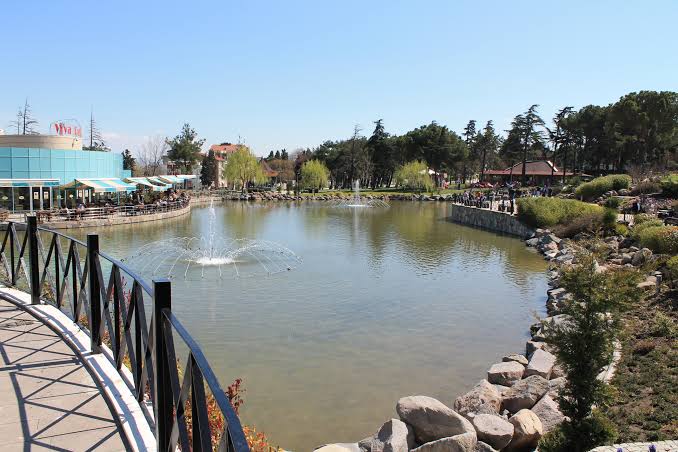
Atatürk Parkı Balıkesir
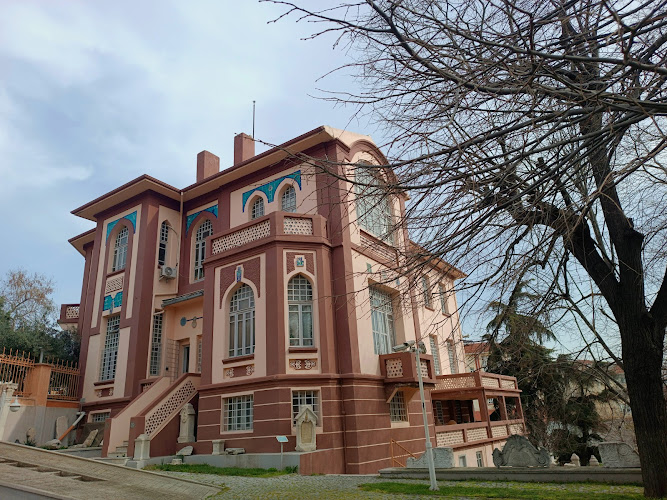
Tekirdağ Arkeoloji ve Etnografya Müzesi
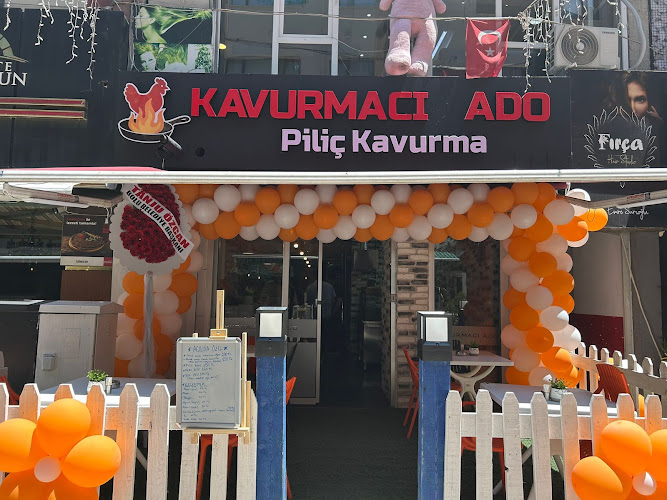
KAVURMACI ADO
Find Accommodations Nearby
Recommended Tours & Activities
Visitor Reviews
There are no reviews yet. Be the first one to write one.
Share Your Experience
Have you visited İskenderun? Help other travelers by leaving a review.