

Iquitos
About Iquitos
Description
Iquitos is one of those places that messes with your sense of geography. A full-sized city, home to nearly half a million people, and yet no roads connect it to the rest of Peru. You fly in or you arrive by boat, period. And that fact alone shapes everything about it. For travelers, Iquitos feels raw, a little chaotic, sometimes exhausting, but also deeply fascinating. It’s the main gateway to the northern Amazon, and you feel that immediately—the heat sticks, the air smells of river water and diesel, and there’s always something loud happening nearby.
The city sits along the Amazon River and acts as a launchpad for jungle lodges, river expeditions, and visits to Indigenous communities. But it’s not just a pit stop. Spend a few days here and you start noticing layers. In the historic center, especially around Plaza de Armas, there are old mansions from the rubber boom era, when absurd wealth flowed into Iquitos at the turn of the 20th century. European tiles, wrought iron balconies, faded elegance. Some buildings are beautifully restored, others crumbling in a way that feels honest rather than sad.
Then there’s Belén. And yeah, Belén deserves its reputation. The open-air market is intense in the best and worst ways. You’ll see fish you didn’t know existed, piles of medicinal roots, live chickens, and more noise than seems physically possible. The stilt houses along the Itaya River rise and fall with the water level, creating a floating neighborhood during the rainy season. It’s not polished tourism. It’s real life, and it can be uncomfortable. But it’s also unforgettable.
What makes Iquitos special is that it doesn’t perform for visitors. It just exists. And you’re the one who has to adapt. I remember my first evening here, sitting on a plastic chair with a cold beer, watching kids play soccer in the street while motor-taxis buzzed past like mosquitoes. I felt totally out of place, and weirdly at home at the same time. That’s Iquitos.
Key Features
- Gateway city to the northern Amazon rainforest, with access to jungle lodges and river expeditions
- Belén district’s massive open-air market and seasonal floating neighborhoods
- Historic architecture from the rubber boom era around Plaza de Armas
- Strong river culture, with daily life shaped by the Amazon and its tributaries
- Unique wildlife encounters even near the city, including pink river dolphins
- Rich mix of Indigenous traditions, modern Peruvian life, and colonial history
- No road access, making arrival by plane or boat part of the adventure
Best Time to Visit
The honest answer? There’s no perfect time, just trade-offs. Iquitos is hot and humid year-round. Expect temperatures hovering around 30°C (86°F) most days, with humidity that laughs at your deodorant. The main difference between seasons is rain and river levels.
The high-water season runs roughly from December to May. During this time, rivers swell and flood surrounding forests. This is actually fantastic for wildlife viewing from boats, since animals can move deeper into the jungle. Travel by canoe feels magical, gliding between tree trunks. But walking trails in jungle lodges may be limited, and rainstorms can roll in fast and hard.
The low-water season, from June to November, offers better hiking conditions and easier access to forest trails. Mosquitoes can be worse (yes, worse), and boat travel may take longer as water levels drop. But if you like walking and don’t mind sweating buckets, this might be your season.
Personally, I liked visiting during shoulder months like May or September. Fewer crowds, slightly less intense rain, and a rhythm that felt more local. Whatever month you choose, just accept that weather forecasts are suggestions, not promises.
How to Get There
Getting to Iquitos is part of its charm, and sometimes its frustration. There are no roads connecting it to the rest of Peru, so your options are air or river.
Most travelers arrive by plane from Lima. Flights are frequent and take about two hours. Landing in Iquitos is memorable—the green just goes on forever, and then suddenly, city. From the airport, it’s a short ride into town by taxi or mototaxi.
For the adventurous (or patient), river travel is possible from places like Pucallpa. This can take several days on a slow boat, sleeping in a hammock and sharing space with locals, chickens, and cargo. It’s not luxury, but it’s an experience you’ll talk about for years. I did it once, and while my back complained loudly, I wouldn’t trade the memories.
Once in the city, getting around is easy. Mototaxis are everywhere, cheap, and oddly fun. Just agree on the price before hopping in, and embrace the breeze—it’s your only relief from the heat.
Tips for Visiting
First thing: pack light, breathable clothing. You will sweat. A lot. Quick-dry fabrics are your friend, and so are sandals that can handle getting wet. Leave heavy jeans at home unless you enjoy discomfort.
Bug protection is not optional. Bring strong insect repellent and actually use it. Long sleeves in the evening help, even when it feels counterintuitive. And yes, you’ll still get bitten sometimes. It’s the Amazon, not a spa.
When exploring places like Belén, go with respect and awareness. A local guide can provide context and help you understand what you’re seeing beyond the surface. It’s not a zoo. People live and work there. I learned way more by listening than by snapping photos.
Cash is important. While some hotels and restaurants accept cards, many places don’t. ATMs exist but can be unreliable. Carry small bills for markets and mototaxis.
Food in Iquitos is an adventure. Try local dishes like juane or tacacho con cecina, but listen to your stomach. Ease into street food if you’re not used to it. I learned this the hard way and lost a day to my hotel room. Worth it? Maybe. Would I do it again? Probably, yeah.
If you plan to visit a jungle lodge, don’t overpack excursions into your schedule. Travel times are longer than they look on paper, and delays happen. Build in buffer days. Iquitos teaches patience whether you want it or not.
Lastly, come with an open mind. Iquitos isn’t polished, and it doesn’t try to be. It can feel rough around the edges, noisy, confusing, and overwhelming. But if you give it time, it rewards you with stories, encounters, and a deeper understanding of life along the Amazon. And that’s something no brochure can really explain until you’re there, sweating, smiling, and wondering how this city ever got under your skin so fast.
Key Features
- Gateway city to the northern Amazon rainforest, with access to jungle lodges and river expeditions
- Belén district’s massive open-air market and seasonal floating neighborhoods
- Historic architecture from the rubber boom era around Plaza de Armas
- Strong river culture, with daily life shaped by the Amazon and its tributaries
- Unique wildlife encounters even near the city, including pink river dolphins
- Rich mix of Indigenous traditions, modern Peruvian life, and colonial history
- No road access, making arrival by plane or boat part of the adventure
More Details
Updated December 31, 2025
Table of Contents
Description
Iquitos is one of those places that messes with your sense of geography. A full-sized city, home to nearly half a million people, and yet no roads connect it to the rest of Peru. You fly in or you arrive by boat, period. And that fact alone shapes everything about it. For travelers, Iquitos feels raw, a little chaotic, sometimes exhausting, but also deeply fascinating. It’s the main gateway to the northern Amazon, and you feel that immediately—the heat sticks, the air smells of river water and diesel, and there’s always something loud happening nearby.
The city sits along the Amazon River and acts as a launchpad for jungle lodges, river expeditions, and visits to Indigenous communities. But it’s not just a pit stop. Spend a few days here and you start noticing layers. In the historic center, especially around Plaza de Armas, there are old mansions from the rubber boom era, when absurd wealth flowed into Iquitos at the turn of the 20th century. European tiles, wrought iron balconies, faded elegance. Some buildings are beautifully restored, others crumbling in a way that feels honest rather than sad.
Then there’s Belén. And yeah, Belén deserves its reputation. The open-air market is intense in the best and worst ways. You’ll see fish you didn’t know existed, piles of medicinal roots, live chickens, and more noise than seems physically possible. The stilt houses along the Itaya River rise and fall with the water level, creating a floating neighborhood during the rainy season. It’s not polished tourism. It’s real life, and it can be uncomfortable. But it’s also unforgettable.
What makes Iquitos special is that it doesn’t perform for visitors. It just exists. And you’re the one who has to adapt. I remember my first evening here, sitting on a plastic chair with a cold beer, watching kids play soccer in the street while motor-taxis buzzed past like mosquitoes. I felt totally out of place, and weirdly at home at the same time. That’s Iquitos.
Key Features
- Gateway city to the northern Amazon rainforest, with access to jungle lodges and river expeditions
- Belén district’s massive open-air market and seasonal floating neighborhoods
- Historic architecture from the rubber boom era around Plaza de Armas
- Strong river culture, with daily life shaped by the Amazon and its tributaries
- Unique wildlife encounters even near the city, including pink river dolphins
- Rich mix of Indigenous traditions, modern Peruvian life, and colonial history
- No road access, making arrival by plane or boat part of the adventure
Best Time to Visit
The honest answer? There’s no perfect time, just trade-offs. Iquitos is hot and humid year-round. Expect temperatures hovering around 30°C (86°F) most days, with humidity that laughs at your deodorant. The main difference between seasons is rain and river levels.
The high-water season runs roughly from December to May. During this time, rivers swell and flood surrounding forests. This is actually fantastic for wildlife viewing from boats, since animals can move deeper into the jungle. Travel by canoe feels magical, gliding between tree trunks. But walking trails in jungle lodges may be limited, and rainstorms can roll in fast and hard.
The low-water season, from June to November, offers better hiking conditions and easier access to forest trails. Mosquitoes can be worse (yes, worse), and boat travel may take longer as water levels drop. But if you like walking and don’t mind sweating buckets, this might be your season.
Personally, I liked visiting during shoulder months like May or September. Fewer crowds, slightly less intense rain, and a rhythm that felt more local. Whatever month you choose, just accept that weather forecasts are suggestions, not promises.
How to Get There
Getting to Iquitos is part of its charm, and sometimes its frustration. There are no roads connecting it to the rest of Peru, so your options are air or river.
Most travelers arrive by plane from Lima. Flights are frequent and take about two hours. Landing in Iquitos is memorable—the green just goes on forever, and then suddenly, city. From the airport, it’s a short ride into town by taxi or mototaxi.
For the adventurous (or patient), river travel is possible from places like Pucallpa. This can take several days on a slow boat, sleeping in a hammock and sharing space with locals, chickens, and cargo. It’s not luxury, but it’s an experience you’ll talk about for years. I did it once, and while my back complained loudly, I wouldn’t trade the memories.
Once in the city, getting around is easy. Mototaxis are everywhere, cheap, and oddly fun. Just agree on the price before hopping in, and embrace the breeze—it’s your only relief from the heat.
Tips for Visiting
First thing: pack light, breathable clothing. You will sweat. A lot. Quick-dry fabrics are your friend, and so are sandals that can handle getting wet. Leave heavy jeans at home unless you enjoy discomfort.
Bug protection is not optional. Bring strong insect repellent and actually use it. Long sleeves in the evening help, even when it feels counterintuitive. And yes, you’ll still get bitten sometimes. It’s the Amazon, not a spa.
When exploring places like Belén, go with respect and awareness. A local guide can provide context and help you understand what you’re seeing beyond the surface. It’s not a zoo. People live and work there. I learned way more by listening than by snapping photos.
Cash is important. While some hotels and restaurants accept cards, many places don’t. ATMs exist but can be unreliable. Carry small bills for markets and mototaxis.
Food in Iquitos is an adventure. Try local dishes like juane or tacacho con cecina, but listen to your stomach. Ease into street food if you’re not used to it. I learned this the hard way and lost a day to my hotel room. Worth it? Maybe. Would I do it again? Probably, yeah.
If you plan to visit a jungle lodge, don’t overpack excursions into your schedule. Travel times are longer than they look on paper, and delays happen. Build in buffer days. Iquitos teaches patience whether you want it or not.
Lastly, come with an open mind. Iquitos isn’t polished, and it doesn’t try to be. It can feel rough around the edges, noisy, confusing, and overwhelming. But if you give it time, it rewards you with stories, encounters, and a deeper understanding of life along the Amazon. And that’s something no brochure can really explain until you’re there, sweating, smiling, and wondering how this city ever got under your skin so fast.
Key Highlights
- Gateway city to the northern Amazon rainforest, with access to jungle lodges and river expeditions
- Belén district’s massive open-air market and seasonal floating neighborhoods
- Historic architecture from the rubber boom era around Plaza de Armas
- Strong river culture, with daily life shaped by the Amazon and its tributaries
- Unique wildlife encounters even near the city, including pink river dolphins
- Rich mix of Indigenous traditions, modern Peruvian life, and colonial history
- No road access, making arrival by plane or boat part of the adventure
Location
Places to Stay Near Iquitos
Find and Book a Tour
Explore More Travel Guides
No reviews found! Be the first to review!
Traveler Reviews for Iquitos
There are no reviews yet. Be the first one to write one.
Have you visited Iquitos? Help other travelers by sharing your review.
You Might Also Like
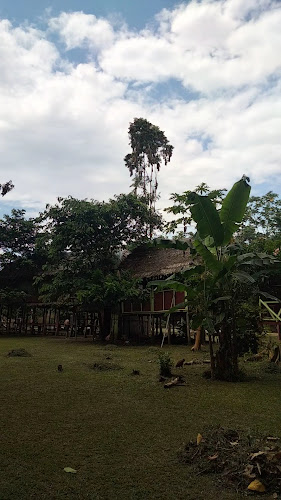
Shirampari Botanic Garden
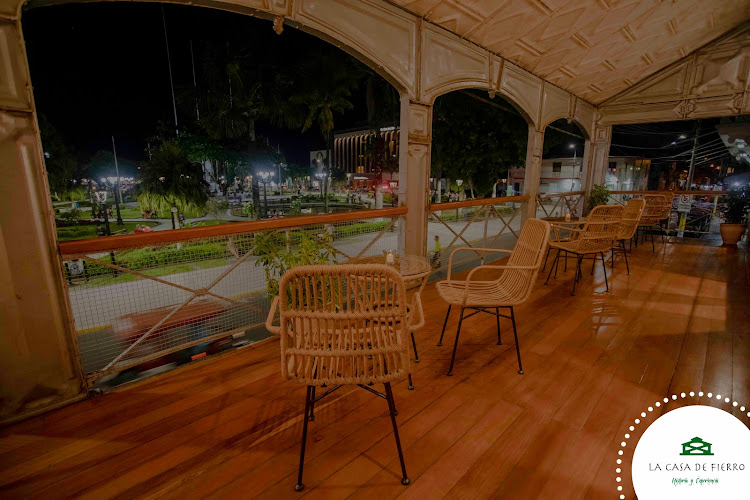
Casa de Fierro

Playa Muyuna
Find Accommodations Nearby
Recommended Tours & Activities
Visitor Reviews
There are no reviews yet. Be the first one to write one.
Share Your Experience
Have you visited Iquitos? Help other travelers by leaving a review.