
International Swimming Hall of Fame Museum
About International Swimming Hall of Fame Museum
Key Features
More Details
Updated April 15, 2024
International Swimming Hall of Fame and Museum – Arquitectonica Architecture
## International Swimming Hall of Fame Museum (Fort Lauderdale): what it is, what’s open now, and how to visit smart
If you’re the kind of traveler who likes places with a clear point of view—and a real connection to local identity—the International Swimming Hall of Fame (ISHOF) is worth putting on your Fort Lauderdale list. It’s positioned right on the beachside strip and tied directly to the city’s long-running relationship with competitive aquatics. It’s also a spot where you can make a quick stop (30–60 minutes) or turn it into a longer “sports history + beach walk” block.
One important caveat up front: the museum experience is currently in transition. ISHOF states the east museum is partially open and the west museum is closed for construction, with reopening timing TBD. Hall of Fame That changes how you should plan your visit (more on that below).
—
## Quick facts (from your listing + official sources)
– Name: International Swimming Hall of Fame Museum
– Address: 1 Hall of Fame Dr, Fort Lauderdale, FL 33316 Lauderdale
– City: Fort Lauderdale
– Coordinates: 26.1164589, -80.1075565 (your provided data)
– Rating: 4.5 (your provided data)
– What it recognizes: ISHOF honors people and contributors across aquatic disciplines including swimming, diving, water polo, artistic swimming, marathon (open water), masters, and Paralympics, with honorees selected via a nomination process and an independent selection committee. Hall of Fame
– Museum status right now: East museum partially open; west museum closed for construction (reopening TBD). Hall of Fame
– Historic notes: ISHOF dates to 1964, and its museum opened to the public in December 1969 in Fort Lauderdale; ISHOF also notes that in 1969 FINA designated it the “Official Repository for Aquatic History.”
—
## What to expect on-site (without guessing what’s currently on display)
Even when the museum footprint is reduced, ISHOF still functions as a “memory bank” for aquatic sport: it’s a hall of fame plus a museum program, not just a trophy case. The core idea is preservation + recognition—honorees, historical materials, and a public-facing interpretation layer that connects athletes and moments to the evolution of swimming and other aquatic disciplines. Hall of Fame
### The big practical implication of “partially open”
Because ISHOF explicitly says only part of the museum is open right now, you should treat this as:
– A focused visit rather than an all-afternoon museum crawl
– Something that pairs well with Fort Lauderdale Beach time, a walk, or another nearby stop
– A place to visit if you’re especially interested in aquatics history, elite sport, or you’re traveling with someone who is
If you’re traveling with kids or non-swimmers, this can still work—just set expectations: it’s likely best as a short, high-interest stop rather than the “main event” of the day while construction is ongoing. Hall of Fame
—
## How to plan your visit so you don’t get burned by outdated info
This is one of those attractions where hours, access points, and what’s available inside can change—especially during construction and facility upgrades.
### What’s confirmed vs. what you should verify
Confirmed by ISHOF:
– Partial museum access (east)
– West museum closed
– Reopening timeline not announced (TBD) Hall of Fame
What you should verify day-of (because it can change):
– Exact public entry point for the museum area
– Current hours and any event-related restrictions (meets, rentals, closures)
– Any temporary exhibit or gallery closures
ISHOF specifically notes the Fort Lauderdale Aquatics Center (FLAC) opened in late 2022 after revitalization work and says to contact FLAC for hours of operation. Hall of Fame
✅ Outdated-data flag: You will see opening hours and ticket prices listed across third-party sites. Because ISHOF states the museum is in a construction phase and directs visitors to FLAC for operational hours, treat third-party hours/pricing as non-authoritative unless they’re confirmed by ISHOF/FLAC the same week. Hall of Fame
—
## Why this place matters in Fort Lauderdale (context that makes the visit better)
Fort Lauderdale isn’t just “a beach city that happens to have a sports museum.” The Aquatic Center and Hall of Fame site have hosted high-level competition for decades, and the modern facility has been the focus of major revitalization and continued event scheduling—evidence that the location is still part of the living competitive ecosystem, not only a historical archive. Hall of Fame
That matters because it changes the vibe:
– You’re not visiting a museum about sport in isolation.
– You’re visiting a museum/hall-of-fame embedded in an active aquatic complex (which can be exciting, or occasionally disruptive if an event is underway). Hall of Fame
—
## A simple, high-payoff way to do it: the “90-minute ISHOF block”
If you want the visit to feel complete even with partial museum access, plan it as a compact loop:
1. Start with the museum portion that’s open (east side per ISHOF). Hall of Fame
2. Spend a few minutes outside: the setting and surrounding complex are part of the story (you’re effectively on the seam between sport history and a functioning aquatic venue).
3. Walk out to the beach right after—this is one of those rare “museum → ocean” transitions that makes Fort Lauderdale feel like itself.
This format also makes the visit easier for mixed-interest groups: swimmers get meaning; everyone else still gets a pleasant, coastal stop without feeling trapped inside.
—
## Accessibility + inclusivity notes (what’s responsible to say without speculating)
I’m not going to guess about the current state of ramps, elevators, or interior pathways during construction. What is responsible to plan for:
– Construction periods can change circulation routes and entrances. Verify current access needs (mobility devices, stroller routes) before arriving, especially if someone in your group relies on step-free access. Hall of Fame
– If you’re traveling with kids, older adults, or anyone sensitive to heat, remember you’re in coastal South Florida: short indoor stops plus shade breaks are often the most comfortable way to structure the day.
—
## Two contextual internal links (use if they exist on RealJourneyTravels.com)
(These are suggested placements—swap the URLs to match your site structure.)
– Pair this visit with a broader planning guide: RealJourneyTravels.com Fort Lauderdale itinerary / things-to-do hub (example: /fort-lauderdale/things-to-do/).
– Add a “nearby logistics” link for readers: Parking + beach access tips for Fort Lauderdale Beach (example: /fort-lauderdale/fort-lauderdale-beach-guide/).
—
## Bottom line: who should prioritize ISHOF (and who can skip it)
### Prioritize it if:
– You care about Olympic/competitive sport history, coaching culture, or aquatic disciplines beyond just swimming (water polo, diving, artistic swimming, open water, masters, Paralympics). Hall of Fame
– You like attractions that connect to a real local identity, not a generic “museum experience”
– You want a stop that pairs cleanly with beach time
### Consider skipping (or keeping it optional) if:
– You’re trying to stack only “big-ticket” attractions and you don’t have personal interest in aquatics
– You want a museum that reliably fills multiple hours—construction + partial opening makes that less predictable right now. Hall of Fame
If you want, paste your RealJourneyTravels.com existing Fort Lauderdale URL structure (or your preferred internal link slugs), and I’ll drop the two internal links in with perfect anchor text and zero “SEO-looking” phrasing.
Table of Contents
Key Highlights
International Swimming Hall of Fame Museum
Location
Places to Stay Near International Swimming Hall of Fame Museum
Find and Book a Tour
Explore More Travel Guides
No reviews found! Be the first to review!
Traveler Reviews for International Swimming Hall of Fame Museum
There are no reviews yet. Be the first one to write one.
Have you visited International Swimming Hall of Fame Museum? Help other travelers by sharing your review.
You Might Also Like
Bayview Park
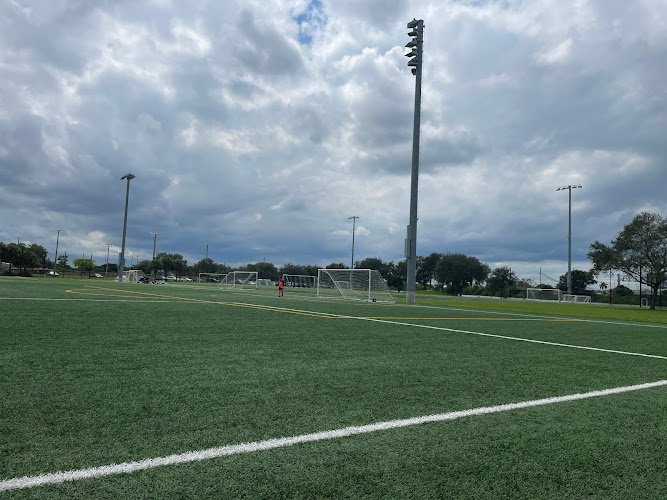
Mills Pond Park

Roosevelt Gardens Park
Find Accommodations Nearby
Recommended Tours & Activities
Visitor Reviews
There are no reviews yet. Be the first one to write one.
Share Your Experience
Have you visited International Swimming Hall of Fame Museum? Help other travelers by leaving a review.