
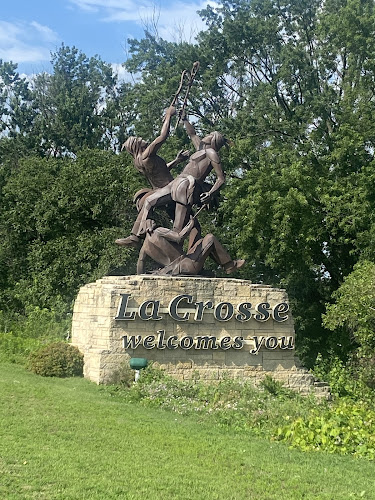
Indian La Crosse Player Statue
About Indian La Crosse Player Statue
Description
The Indian La Crosse Player Statue stands as a powerful tribute to the indigenous origins of America's fastest-growing sport. This remarkable historical landmark captures the essence of lacrosse's deep cultural roots, honoring the Native American communities who developed this sacred game centuries before European settlers arrived on the continent. What strikes visitors most about this statue is how it perfectly embodies the spiritual connection between lacrosse and Native American heritage. The sculptor clearly understood that lacrosse wasn't just a game to indigenous peoples - it was a ceremonial practice, a way to resolve conflicts, and sometimes called "the Creator's game." When you stand before this bronze figure, you can almost feel the weight of that history. I've always found it fascinating how lacrosse was originally played with hundreds of participants across fields that stretched for miles. The statue manages to capture that sense of movement and energy in a single frozen moment. The player's stance suggests both power and grace, qualities that define the sport even today. The craftsmanship really shines through in the details. From the traditional wooden stick - similar to those made by artisans like Alfred Warner Jacques, who was renowned for his authentic lacrosse stick construction - to the period-appropriate clothing, every element tells a story. Jacques, who passed away in 2023, was one of the last master craftsmen who understood the traditional methods of creating these essential tools of the game. But what makes this statue truly special isn't just its artistic merit. It serves as an educational focal point, helping visitors understand how Native American innovations shaped modern sports culture. The statue reminds us that long before lacrosse became popular in prep schools and colleges, it was a sacred practice among the Haudenosaunee (Iroquois) and other tribal nations.Key Features
The Indian La Crosse Player Statue offers several distinctive elements that make it a must-see destination for history enthusiasts and sports fans alike: • Authentic period details including traditional wooden lacrosse stick design that reflects centuries-old craftsmanship techniques • Bronze construction that weathers beautifully, developing a natural patina that adds character over time • Dynamic pose capturing the fluid motion characteristic of lacrosse gameplay • Wheelchair accessible entrance ensuring all visitors can appreciate this important cultural landmark • Kid-friendly environment making it an excellent educational stop for families • Historically accurate clothing and equipment representing pre-colonial Native American athletic traditions • Strategic positioning that allows for excellent photography opportunities from multiple angles • Interpretive potential that sparks conversations about indigenous contributions to American culture • Durable materials designed to withstand various weather conditions while maintaining visual impact • Symbolic representation of the spiritual aspects of lacrosse as practiced by Native American communities The statue's design choices reflect careful research into authentic Native American lacrosse traditions. And honestly, that attention to detail makes all the difference when you're trying to connect with the deeper meaning behind the artwork.Best Time to Visit
Timing your visit to the Indian La Crosse Player Statue can significantly enhance your experience, though this landmark offers something meaningful regardless of when you arrive. Spring emerges as the ideal season for most travelers. The weather's comfortable, perfect for spending time outdoors examining the statue's intricate details without feeling rushed by extreme temperatures. Plus, spring coincides with traditional lacrosse season, making your visit feel more connected to the sport's ongoing legacy. Early morning visits, particularly around 8-10 AM, provide the best lighting for photography. The statue's bronze surface catches the morning sun beautifully, creating dramatic shadows that highlight the sculptural details. I've noticed that morning visits also tend to be quieter, giving you more space for reflection and contemplation. Summer brings longer daylight hours, which is great if you're combining this stop with other area attractions. However, the bronze can get quite hot in direct sunlight, so afternoon visits might be less comfortable. If you do visit during summer, early morning or late afternoon work best. Fall offers its own charm, especially if there are trees nearby that change colors. The contrast between autumn foliage and the statue's bronze tones creates striking visual compositions. Winter visits have a contemplative quality that some find particularly moving. There's something powerful about seeing this tribute to an ancient game while surrounded by the quiet of a winter landscape. Weekdays generally offer more peaceful experiences than weekends. But honestly, the statue's impact doesn't diminish much even when other visitors are present - it's substantial enough to command attention regardless.How to Get There
Reaching the Indian La Crosse Player Statue requires some planning, but the journey adds to the overall experience of connecting with this piece of sporting and cultural history. Most visitors find that driving provides the most flexibility for exploring the statue and surrounding area at their own pace. The landmark features wheelchair accessible entrances, so mobility considerations have been thoughtfully addressed in the site's design. Public transportation options vary depending on your starting location, but many travelers find that ride-sharing services offer convenient door-to-door access. This can be particularly helpful if you're unfamiliar with the local area or prefer not to worry about parking. For those staying at nearby hotels, some locations may be within walking distance. I always recommend checking with local visitor centers or tourism offices, as they often have updated information about the most efficient routes and any temporary access changes. The statue's location makes it an excellent addition to broader historical or cultural tours of the region. Many visitors successfully combine their trip here with visits to other Native American cultural sites or sports-related landmarks. If you're planning to visit during peak tourist seasons, arriving earlier in the day typically means easier parking and less crowded conditions for photography and quiet contemplation. Consider downloading offline maps to your phone before heading out, especially if you're traveling through areas with spotty cell coverage. Having backup navigation helps ensure you don't miss this meaningful landmark.Tips for Visiting
Making the most of your visit to the Indian La Crosse Player Statue involves some practical considerations that can significantly enhance your experience. Bring a good camera or ensure your phone is fully charged - you'll want to capture the statue from multiple angles. The bronze work includes subtle details that become more apparent through photography, and different lighting conditions throughout the day reveal various aspects of the craftsmanship. Wear comfortable walking shoes, even though the statue itself might not require extensive hiking. You'll likely want to circle the piece several times to fully appreciate the sculptor's work from different perspectives. Pack weather-appropriate clothing, especially if you're visiting during transitional seasons when temperatures can change quickly. The statue's outdoor location means you'll be exposed to whatever Mother Nature has in store. Consider bringing a small notebook or using your phone to jot down thoughts or questions that arise during your visit. Many people find that seeing this tribute to Native American lacrosse traditions sparks curiosity about indigenous history and culture that they want to explore further. If you're traveling with children, this presents an excellent opportunity to discuss the importance of recognizing and respecting Native American contributions to American culture. The statue's kid-friendly nature makes it an engaging educational tool. Research basic lacrosse history before your visit. Understanding the game's sacred significance to Native American communities will deepen your appreciation for what the statue represents. Don't rush your visit. This isn't just a photo opportunity - it's a chance to reflect on the complex history of indigenous peoples and their lasting cultural contributions. Be respectful in your behavior and photographs. Remember that this statue honors sacred traditions and represents real cultural heritage, not just athletic achievement. Consider visiting local museums or cultural centers afterward to continue learning about Native American history and the evolution of lacrosse from ceremonial practice to modern sport.Key Features
- Key Features
- Best Time to Visit
- How to Get There
- Tips for Visiting
More Details
Updated September 24, 2025
Table of Contents
Description
The Indian La Crosse Player Statue stands as a powerful tribute to the indigenous origins of America’s fastest-growing sport. This remarkable historical landmark captures the essence of lacrosse’s deep cultural roots, honoring the Native American communities who developed this sacred game centuries before European settlers arrived on the continent.
What strikes visitors most about this statue is how it perfectly embodies the spiritual connection between lacrosse and Native American heritage. The sculptor clearly understood that lacrosse wasn’t just a game to indigenous peoples – it was a ceremonial practice, a way to resolve conflicts, and sometimes called “the Creator’s game.” When you stand before this bronze figure, you can almost feel the weight of that history.
I’ve always found it fascinating how lacrosse was originally played with hundreds of participants across fields that stretched for miles. The statue manages to capture that sense of movement and energy in a single frozen moment. The player’s stance suggests both power and grace, qualities that define the sport even today.
The craftsmanship really shines through in the details. From the traditional wooden stick – similar to those made by artisans like Alfred Warner Jacques, who was renowned for his authentic lacrosse stick construction – to the period-appropriate clothing, every element tells a story. Jacques, who passed away in 2023, was one of the last master craftsmen who understood the traditional methods of creating these essential tools of the game.
But what makes this statue truly special isn’t just its artistic merit. It serves as an educational focal point, helping visitors understand how Native American innovations shaped modern sports culture. The statue reminds us that long before lacrosse became popular in prep schools and colleges, it was a sacred practice among the Haudenosaunee (Iroquois) and other tribal nations.
Key Features
The Indian La Crosse Player Statue offers several distinctive elements that make it a must-see destination for history enthusiasts and sports fans alike:
• Authentic period details including traditional wooden lacrosse stick design that reflects centuries-old craftsmanship techniques
• Bronze construction that weathers beautifully, developing a natural patina that adds character over time
• Dynamic pose capturing the fluid motion characteristic of lacrosse gameplay
• Wheelchair accessible entrance ensuring all visitors can appreciate this important cultural landmark
• Kid-friendly environment making it an excellent educational stop for families
• Historically accurate clothing and equipment representing pre-colonial Native American athletic traditions
• Strategic positioning that allows for excellent photography opportunities from multiple angles
• Interpretive potential that sparks conversations about indigenous contributions to American culture
• Durable materials designed to withstand various weather conditions while maintaining visual impact
• Symbolic representation of the spiritual aspects of lacrosse as practiced by Native American communities
The statue’s design choices reflect careful research into authentic Native American lacrosse traditions. And honestly, that attention to detail makes all the difference when you’re trying to connect with the deeper meaning behind the artwork.
Best Time to Visit
Timing your visit to the Indian La Crosse Player Statue can significantly enhance your experience, though this landmark offers something meaningful regardless of when you arrive.
Spring emerges as the ideal season for most travelers. The weather’s comfortable, perfect for spending time outdoors examining the statue’s intricate details without feeling rushed by extreme temperatures. Plus, spring coincides with traditional lacrosse season, making your visit feel more connected to the sport’s ongoing legacy.
Early morning visits, particularly around 8-10 AM, provide the best lighting for photography. The statue’s bronze surface catches the morning sun beautifully, creating dramatic shadows that highlight the sculptural details. I’ve noticed that morning visits also tend to be quieter, giving you more space for reflection and contemplation.
Summer brings longer daylight hours, which is great if you’re combining this stop with other area attractions. However, the bronze can get quite hot in direct sunlight, so afternoon visits might be less comfortable. If you do visit during summer, early morning or late afternoon work best.
Fall offers its own charm, especially if there are trees nearby that change colors. The contrast between autumn foliage and the statue’s bronze tones creates striking visual compositions.
Winter visits have a contemplative quality that some find particularly moving. There’s something powerful about seeing this tribute to an ancient game while surrounded by the quiet of a winter landscape.
Weekdays generally offer more peaceful experiences than weekends. But honestly, the statue’s impact doesn’t diminish much even when other visitors are present – it’s substantial enough to command attention regardless.
How to Get There
Reaching the Indian La Crosse Player Statue requires some planning, but the journey adds to the overall experience of connecting with this piece of sporting and cultural history.
Most visitors find that driving provides the most flexibility for exploring the statue and surrounding area at their own pace. The landmark features wheelchair accessible entrances, so mobility considerations have been thoughtfully addressed in the site’s design.
Public transportation options vary depending on your starting location, but many travelers find that ride-sharing services offer convenient door-to-door access. This can be particularly helpful if you’re unfamiliar with the local area or prefer not to worry about parking.
For those staying at nearby hotels, some locations may be within walking distance. I always recommend checking with local visitor centers or tourism offices, as they often have updated information about the most efficient routes and any temporary access changes.
The statue’s location makes it an excellent addition to broader historical or cultural tours of the region. Many visitors successfully combine their trip here with visits to other Native American cultural sites or sports-related landmarks.
If you’re planning to visit during peak tourist seasons, arriving earlier in the day typically means easier parking and less crowded conditions for photography and quiet contemplation.
Consider downloading offline maps to your phone before heading out, especially if you’re traveling through areas with spotty cell coverage. Having backup navigation helps ensure you don’t miss this meaningful landmark.
Tips for Visiting
Making the most of your visit to the Indian La Crosse Player Statue involves some practical considerations that can significantly enhance your experience.
Bring a good camera or ensure your phone is fully charged – you’ll want to capture the statue from multiple angles. The bronze work includes subtle details that become more apparent through photography, and different lighting conditions throughout the day reveal various aspects of the craftsmanship.
Wear comfortable walking shoes, even though the statue itself might not require extensive hiking. You’ll likely want to circle the piece several times to fully appreciate the sculptor’s work from different perspectives.
Pack weather-appropriate clothing, especially if you’re visiting during transitional seasons when temperatures can change quickly. The statue’s outdoor location means you’ll be exposed to whatever Mother Nature has in store.
Consider bringing a small notebook or using your phone to jot down thoughts or questions that arise during your visit. Many people find that seeing this tribute to Native American lacrosse traditions sparks curiosity about indigenous history and culture that they want to explore further.
If you’re traveling with children, this presents an excellent opportunity to discuss the importance of recognizing and respecting Native American contributions to American culture. The statue’s kid-friendly nature makes it an engaging educational tool.
Research basic lacrosse history before your visit. Understanding the game’s sacred significance to Native American communities will deepen your appreciation for what the statue represents.
Don’t rush your visit. This isn’t just a photo opportunity – it’s a chance to reflect on the complex history of indigenous peoples and their lasting cultural contributions.
Be respectful in your behavior and photographs. Remember that this statue honors sacred traditions and represents real cultural heritage, not just athletic achievement.
Consider visiting local museums or cultural centers afterward to continue learning about Native American history and the evolution of lacrosse from ceremonial practice to modern sport.
Key Highlights
- Key Features
- Best Time to Visit
- How to Get There
- Tips for Visiting
Location
Places to Stay Near Indian La Crosse Player Statue
Find and Book a Tour
Explore More Travel Guides
No reviews found! Be the first to review!
Traveler Reviews for Indian La Crosse Player Statue
There are no reviews yet. Be the first one to write one.
Have you visited Indian La Crosse Player Statue? Help other travelers by sharing your review.
You Might Also Like

The Great Escape of La Crosse
Copeland Park
Roesler Park
Find Accommodations Nearby
Recommended Tours & Activities
Visitor Reviews
There are no reviews yet. Be the first one to write one.
Share Your Experience
Have you visited Indian La Crosse Player Statue? Help other travelers by leaving a review.