
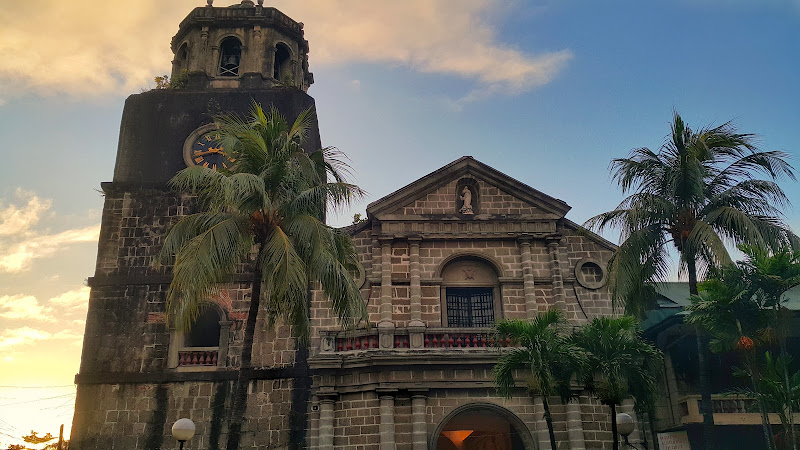
Immaculate Conception Cathedral of Pasig
About Immaculate Conception Cathedral of Pasig
Description
The Immaculate Conception Cathedral of Pasig, more commonly called Pasig Cathedral, is one of those places that feels like it has seen everything—centuries of history, countless weddings, baptisms, and quiet prayers whispered in its pews. Built originally in the late 1500s by Augustinian missionaries, it has grown and changed along with the city around it. The structure you see today is a blend of Baroque and Neoclassical styles, with sturdy stone walls and a façade that looks both solemn and inviting. For travelers, it’s not just a religious site but also a cultural landmark that tells the story of Pasig itself.
Walking into the cathedral, you can’t help but notice how the air feels different—cooler, calmer, like the noise of the city outside has been muted. The interior is spacious but not overwhelming, with high ceilings and intricate details that reward a slower gaze. I remember the first time I stepped inside, I was struck by the faint scent of candles and old wood, and it instantly reminded me of visiting my grandmother’s parish as a child. It’s that mix of nostalgia and reverence that makes the cathedral stand out among Metro Manila’s many churches.
Most people who come here leave with a positive impression. They talk about the peaceful atmosphere, the sense of history, and the way the cathedral still feels alive with community activity. Of course, like any public place, it has its quirks—sometimes the area around it can get crowded, and parking isn’t always the easiest. But those little inconveniences fade once you’re inside, especially if you’re the type who enjoys soaking in centuries-old architecture and the quiet rhythm of church life.
Key Features
- Historic origins dating back to 1573, making it one of the oldest churches in Pasig
- Architectural blend of Baroque and Neoclassical design, restored after World War II
- Serves as the episcopal seat of the Diocese of Pasig
- Houses a small museum with religious artifacts, including antique vestments and relics
- Wheelchair accessible entrance, restrooms, and parking lot for inclusive access
- Active parish life with regular Mass schedules, processions, and community events
- Quiet atmosphere for prayer and reflection despite being in a busy city center
Best Time to Visit
If you’re planning to visit, mornings are usually the best. The light streaming through the windows is softer, and the cathedral feels less crowded. Sundays, of course, are bustling with parishioners, so unless you want to experience the energy of a full Mass, you might prefer a weekday. December is particularly special because of the Simbang Gabi tradition, when the church is lit up and filled with people attending early morning Masses. It’s a cultural experience as much as a spiritual one. Personally, I like visiting on a quiet weekday afternoon, when you can sit in the pews and just take it all in without distraction.
How to Get There
Reaching the cathedral is straightforward if you’re already in Metro Manila. Public transportation options like jeepneys and buses pass nearby, and ride-hailing apps make it even easier if you’re not familiar with local routes. If you’re driving, just be prepared for the usual Manila traffic—give yourself extra time, especially during rush hour. Once you arrive, the cathedral is hard to miss, as it stands right by the town plaza, surrounded by everyday city life. I’d suggest not rushing the trip; half the experience is in seeing how the cathedral sits right in the middle of Pasig’s daily rhythm.
Tips for Visiting
Here are a few things I’ve learned from my own visits that might help you make the most of yours:
- Dress modestly – It’s a functioning cathedral, so respectful clothing is expected. No need to overdress, just keep it appropriate.
- Plan around Mass times – If you want to explore and take in the architecture, avoid peak Mass hours. But if you want to experience the community spirit, attending Mass can be memorable.
- Bring small change – For candle offerings or donations, it’s handy to have coins or small bills.
- Take your time – Don’t just snap a photo and leave. Sit for a while, watch the light shift across the altar, and let the atmosphere sink in.
- Explore nearby – The plaza around the cathedral has its own charm, with local vendors and a slice of everyday Pasig life.
- Be patient with parking – It can be tricky, especially on weekends. If you can, try commuting instead; it saves you the hassle.
At the end of the day, the Immaculate Conception Cathedral of Pasig isn’t just about bricks and mortar—it’s about the stories, the faith, and the sense of continuity it gives to the community. Whether you’re a history buff, a practicing Catholic, or simply a traveler looking for a quiet stop in the middle of Metro Manila, this cathedral has something meaningful to offer. And honestly, sometimes the best part is just sitting still inside, letting the centuries of prayers and voices settle around you.
Key Features
- Historic origins dating back to 1573, making it one of the oldest churches in Pasig
- Architectural blend of Baroque and Neoclassical design, restored after World War II
- Serves as the episcopal seat of the Diocese of Pasig
- Houses a small museum with religious artifacts, including antique vestments and relics
- Wheelchair accessible entrance, restrooms, and parking lot for inclusive access
- Active parish life with regular Mass schedules, processions, and community events
- Quiet atmosphere for prayer and reflection despite being in a busy city center
More Details
Updated September 23, 2025
Table of Contents
- Description
- Key Features
- Best Time to Visit
- How to Get There
- Tips for Visiting
- Key Highlights
- Location
- Places to Stay Near Immaculate Conception Cathedral of Pasig
- Find and Book a Tour
- Explore More Travel Guides
- Nearby Places You Might Like
- Traveler Reviews for Immaculate Conception Cathedral of Pasig
- Share Your Experience
Description
The Immaculate Conception Cathedral of Pasig, more commonly called Pasig Cathedral, is one of those places that feels like it has seen everything—centuries of history, countless weddings, baptisms, and quiet prayers whispered in its pews. Built originally in the late 1500s by Augustinian missionaries, it has grown and changed along with the city around it. The structure you see today is a blend of Baroque and Neoclassical styles, with sturdy stone walls and a façade that looks both solemn and inviting. For travelers, it’s not just a religious site but also a cultural landmark that tells the story of Pasig itself.
Walking into the cathedral, you can’t help but notice how the air feels different—cooler, calmer, like the noise of the city outside has been muted. The interior is spacious but not overwhelming, with high ceilings and intricate details that reward a slower gaze. I remember the first time I stepped inside, I was struck by the faint scent of candles and old wood, and it instantly reminded me of visiting my grandmother’s parish as a child. It’s that mix of nostalgia and reverence that makes the cathedral stand out among Metro Manila’s many churches.
Most people who come here leave with a positive impression. They talk about the peaceful atmosphere, the sense of history, and the way the cathedral still feels alive with community activity. Of course, like any public place, it has its quirks—sometimes the area around it can get crowded, and parking isn’t always the easiest. But those little inconveniences fade once you’re inside, especially if you’re the type who enjoys soaking in centuries-old architecture and the quiet rhythm of church life.
Key Features
- Historic origins dating back to 1573, making it one of the oldest churches in Pasig
- Architectural blend of Baroque and Neoclassical design, restored after World War II
- Serves as the episcopal seat of the Diocese of Pasig
- Houses a small museum with religious artifacts, including antique vestments and relics
- Wheelchair accessible entrance, restrooms, and parking lot for inclusive access
- Active parish life with regular Mass schedules, processions, and community events
- Quiet atmosphere for prayer and reflection despite being in a busy city center
Best Time to Visit
If you’re planning to visit, mornings are usually the best. The light streaming through the windows is softer, and the cathedral feels less crowded. Sundays, of course, are bustling with parishioners, so unless you want to experience the energy of a full Mass, you might prefer a weekday. December is particularly special because of the Simbang Gabi tradition, when the church is lit up and filled with people attending early morning Masses. It’s a cultural experience as much as a spiritual one. Personally, I like visiting on a quiet weekday afternoon, when you can sit in the pews and just take it all in without distraction.
How to Get There
Reaching the cathedral is straightforward if you’re already in Metro Manila. Public transportation options like jeepneys and buses pass nearby, and ride-hailing apps make it even easier if you’re not familiar with local routes. If you’re driving, just be prepared for the usual Manila traffic—give yourself extra time, especially during rush hour. Once you arrive, the cathedral is hard to miss, as it stands right by the town plaza, surrounded by everyday city life. I’d suggest not rushing the trip; half the experience is in seeing how the cathedral sits right in the middle of Pasig’s daily rhythm.
Tips for Visiting
Here are a few things I’ve learned from my own visits that might help you make the most of yours:
- Dress modestly – It’s a functioning cathedral, so respectful clothing is expected. No need to overdress, just keep it appropriate.
- Plan around Mass times – If you want to explore and take in the architecture, avoid peak Mass hours. But if you want to experience the community spirit, attending Mass can be memorable.
- Bring small change – For candle offerings or donations, it’s handy to have coins or small bills.
- Take your time – Don’t just snap a photo and leave. Sit for a while, watch the light shift across the altar, and let the atmosphere sink in.
- Explore nearby – The plaza around the cathedral has its own charm, with local vendors and a slice of everyday Pasig life.
- Be patient with parking – It can be tricky, especially on weekends. If you can, try commuting instead; it saves you the hassle.
At the end of the day, the Immaculate Conception Cathedral of Pasig isn’t just about bricks and mortar—it’s about the stories, the faith, and the sense of continuity it gives to the community. Whether you’re a history buff, a practicing Catholic, or simply a traveler looking for a quiet stop in the middle of Metro Manila, this cathedral has something meaningful to offer. And honestly, sometimes the best part is just sitting still inside, letting the centuries of prayers and voices settle around you.
Key Highlights
- Historic origins dating back to 1573, making it one of the oldest churches in Pasig
- Architectural blend of Baroque and Neoclassical design, restored after World War II
- Serves as the episcopal seat of the Diocese of Pasig
- Houses a small museum with religious artifacts, including antique vestments and relics
- Wheelchair accessible entrance, restrooms, and parking lot for inclusive access
- Active parish life with regular Mass schedules, processions, and community events
- Quiet atmosphere for prayer and reflection despite being in a busy city center
Location
Places to Stay Near Immaculate Conception Cathedral of Pasig
Find and Book a Tour
Explore More Travel Guides
No reviews found! Be the first to review!
Traveler Reviews for Immaculate Conception Cathedral of Pasig
There are no reviews yet. Be the first one to write one.
Have you visited Immaculate Conception Cathedral of Pasig? Help other travelers by sharing your review.
You Might Also Like
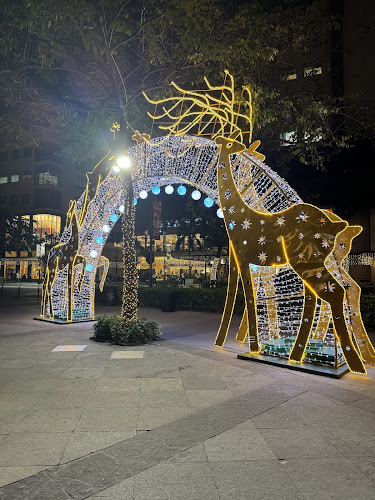
Capitol Commons Park
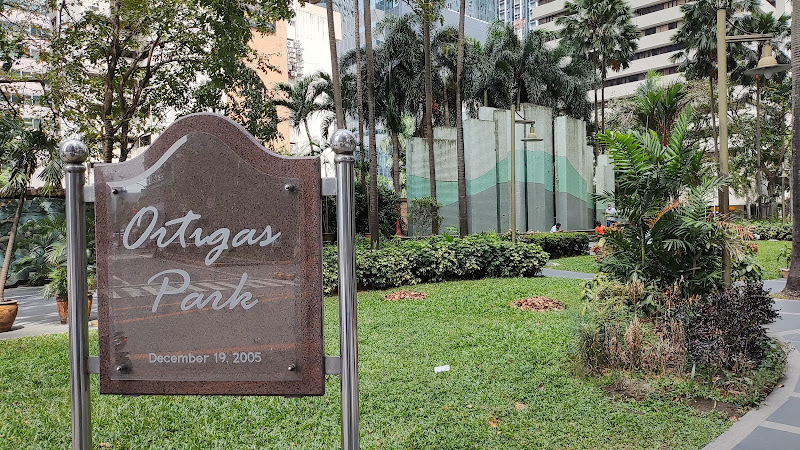
Ortigas Park
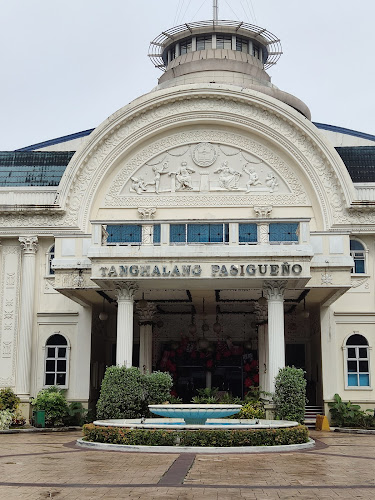
Pasig Revolving Tower
Find Accommodations Nearby
Recommended Tours & Activities
Visitor Reviews
There are no reviews yet. Be the first one to write one.
Share Your Experience
Have you visited Immaculate Conception Cathedral of Pasig? Help other travelers by leaving a review.