

Bahay na Tisa
About Bahay na Tisa
Description
Bahay na Tisa is one of those places in Metro Manila that quietly holds centuries of memory within its walls. Built in the early 1850s by Don Cecilio Tech y Cabrera, this ancestral home is the oldest surviving bahay na bato in Pasig. Locals call it the “House of Tiles” because of its clay roof tiles, but what makes it really stand out isn’t just its architecture—it’s the stories it has witnessed. From being a family residence for seven generations to serving as a meeting place during the Martial Law years, the house has seen both the ordinary and extraordinary sides of Philippine history.
Walking inside, you’ll notice how time seems to slow down. The wooden floors creak under your step, the capiz shell windows filter the sunlight into a soft golden glow, and the old furniture whispers of a life that was once lived here. Some people feel a sense of nostalgia, even if they’ve never been inside a bahay na bato before. Others simply admire the craftsmanship, the way stone and wood were combined to withstand generations of wear. And yes, there are folks who say it feels a little eerie at night—but that’s part of the charm of old houses, isn’t it?
Most visitors leave with a sense of awe, but like any place, not everyone will be completely swept away. Some might feel it’s smaller than expected or that it’s just another old house. But for history buffs, architecture lovers, or anyone curious about Filipino heritage, Bahay na Tisa is a rare gem worth stepping into. It’s not just a tourist attraction—it’s a living reminder of Pasig’s roots and resilience.
Key Features
- Oldest surviving bahay na bato in Pasig, built in the 1850s
- Clay-tiled roof that gives the house its iconic name
- Capiz shell windows and hardwood floors that reflect Spanish colonial design
- Served as home to seven generations of the Tech family
- Historical role as a meeting place during Martial Law
- Declared an Important Cultural Property in the Philippines
- Authentic antique furniture and heirlooms on display
- Family-friendly destination for kids to learn about history
Best Time to Visit
If you’re planning a trip, mornings are usually the best time. The light streaming through the capiz windows is softer, and the air feels cooler, which makes walking around more pleasant. Weekdays tend to be quieter compared to weekends, so you’ll have more space to explore without feeling rushed. I personally prefer visiting during the cooler months from December to February—less humidity means you can linger longer without feeling sticky. That said, the house is open year-round, so don’t stress too much if your schedule doesn’t line up with the “perfect” season. Each visit has its own unique atmosphere.
How to Get There
Reaching Bahay na Tisa is fairly straightforward if you’re already in Metro Manila. Public transportation is an option—jeepneys and tricycles pass nearby, and it’s not far from major roads. For travelers unfamiliar with the area, a rideshare app or taxi is the simplest way to get dropped off right at the entrance. If you’re driving, just be prepared for narrow streets and limited parking, which is pretty common in older city neighborhoods. Honestly, I’d suggest leaving the car behind if you can, because navigating Pasig traffic can test anyone’s patience.
Tips for Visiting
Here are a few things to keep in mind so your visit goes smoothly:
- Plan ahead: It’s wise to check if tours or visits require advance booking. Some days may be reserved for private events or restoration work.
- Bring kids along: The house is surprisingly engaging for children, especially if they’re curious about old objects and stories from the past.
- Mind your step: The wooden floors are sturdy but can be uneven. Comfortable shoes help a lot.
- Photography: Most visitors love taking photos here, but always ask before snapping away, especially inside.
- Respect the space: Remember this is not just a museum—it’s a heritage site with deep cultural value. Treat it with care.
- Stay hydrated: Manila heat can be draining, so carry water with you, especially if you’re touring other spots nearby.
One last thought: don’t rush. Take your time to really look around, run your hand along the cool stone walls, peek through the old windows, and imagine the lives that have passed through this house. That’s where the magic of Bahay na Tisa truly comes alive.
Key Features
- Oldest surviving bahay na bato in Pasig, built in the 1850s
- Clay-tiled roof that gives the house its iconic name
- Capiz shell windows and hardwood floors that reflect Spanish colonial design
- Served as home to seven generations of the Tech family
- Historical role as a meeting place during Martial Law
- Declared an Important Cultural Property in the Philippines
- Authentic antique furniture and heirlooms on display
- Family-friendly destination for kids to learn about history
More Details
Updated September 23, 2025
Table of Contents
Description
Bahay na Tisa is one of those places in Metro Manila that quietly holds centuries of memory within its walls. Built in the early 1850s by Don Cecilio Tech y Cabrera, this ancestral home is the oldest surviving bahay na bato in Pasig. Locals call it the “House of Tiles” because of its clay roof tiles, but what makes it really stand out isn’t just its architecture—it’s the stories it has witnessed. From being a family residence for seven generations to serving as a meeting place during the Martial Law years, the house has seen both the ordinary and extraordinary sides of Philippine history.
Walking inside, you’ll notice how time seems to slow down. The wooden floors creak under your step, the capiz shell windows filter the sunlight into a soft golden glow, and the old furniture whispers of a life that was once lived here. Some people feel a sense of nostalgia, even if they’ve never been inside a bahay na bato before. Others simply admire the craftsmanship, the way stone and wood were combined to withstand generations of wear. And yes, there are folks who say it feels a little eerie at night—but that’s part of the charm of old houses, isn’t it?
Most visitors leave with a sense of awe, but like any place, not everyone will be completely swept away. Some might feel it’s smaller than expected or that it’s just another old house. But for history buffs, architecture lovers, or anyone curious about Filipino heritage, Bahay na Tisa is a rare gem worth stepping into. It’s not just a tourist attraction—it’s a living reminder of Pasig’s roots and resilience.
Key Features
- Oldest surviving bahay na bato in Pasig, built in the 1850s
- Clay-tiled roof that gives the house its iconic name
- Capiz shell windows and hardwood floors that reflect Spanish colonial design
- Served as home to seven generations of the Tech family
- Historical role as a meeting place during Martial Law
- Declared an Important Cultural Property in the Philippines
- Authentic antique furniture and heirlooms on display
- Family-friendly destination for kids to learn about history
Best Time to Visit
If you’re planning a trip, mornings are usually the best time. The light streaming through the capiz windows is softer, and the air feels cooler, which makes walking around more pleasant. Weekdays tend to be quieter compared to weekends, so you’ll have more space to explore without feeling rushed. I personally prefer visiting during the cooler months from December to February—less humidity means you can linger longer without feeling sticky. That said, the house is open year-round, so don’t stress too much if your schedule doesn’t line up with the “perfect” season. Each visit has its own unique atmosphere.
How to Get There
Reaching Bahay na Tisa is fairly straightforward if you’re already in Metro Manila. Public transportation is an option—jeepneys and tricycles pass nearby, and it’s not far from major roads. For travelers unfamiliar with the area, a rideshare app or taxi is the simplest way to get dropped off right at the entrance. If you’re driving, just be prepared for narrow streets and limited parking, which is pretty common in older city neighborhoods. Honestly, I’d suggest leaving the car behind if you can, because navigating Pasig traffic can test anyone’s patience.
Tips for Visiting
Here are a few things to keep in mind so your visit goes smoothly:
- Plan ahead: It’s wise to check if tours or visits require advance booking. Some days may be reserved for private events or restoration work.
- Bring kids along: The house is surprisingly engaging for children, especially if they’re curious about old objects and stories from the past.
- Mind your step: The wooden floors are sturdy but can be uneven. Comfortable shoes help a lot.
- Photography: Most visitors love taking photos here, but always ask before snapping away, especially inside.
- Respect the space: Remember this is not just a museum—it’s a heritage site with deep cultural value. Treat it with care.
- Stay hydrated: Manila heat can be draining, so carry water with you, especially if you’re touring other spots nearby.
One last thought: don’t rush. Take your time to really look around, run your hand along the cool stone walls, peek through the old windows, and imagine the lives that have passed through this house. That’s where the magic of Bahay na Tisa truly comes alive.
Key Highlights
- Oldest surviving bahay na bato in Pasig, built in the 1850s
- Clay-tiled roof that gives the house its iconic name
- Capiz shell windows and hardwood floors that reflect Spanish colonial design
- Served as home to seven generations of the Tech family
- Historical role as a meeting place during Martial Law
- Declared an Important Cultural Property in the Philippines
- Authentic antique furniture and heirlooms on display
- Family-friendly destination for kids to learn about history
Location
Places to Stay Near Bahay na Tisa
Find and Book a Tour
Explore More Travel Guides
No reviews found! Be the first to review!
Traveler Reviews for Bahay na Tisa
There are no reviews yet. Be the first one to write one.
Have you visited Bahay na Tisa? Help other travelers by sharing your review.
You Might Also Like
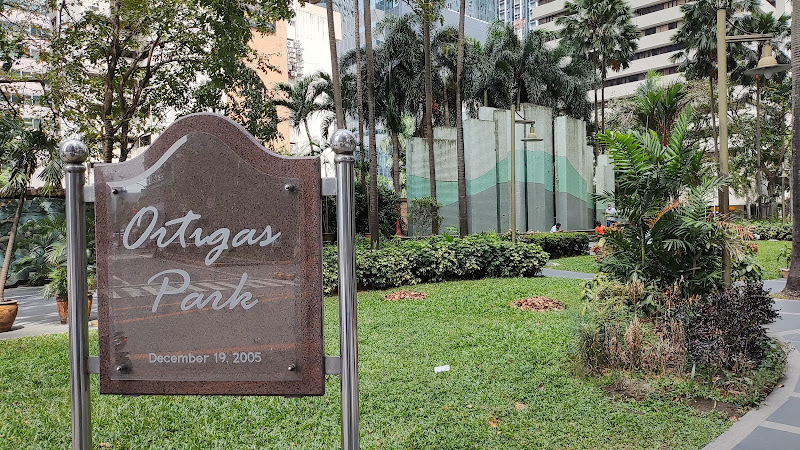
Ortigas Park

Pasig Rainforest Park

Metro Card Club
Find Accommodations Nearby
Recommended Tours & Activities
Visitor Reviews
There are no reviews yet. Be the first one to write one.
Share Your Experience
Have you visited Bahay na Tisa? Help other travelers by leaving a review.