
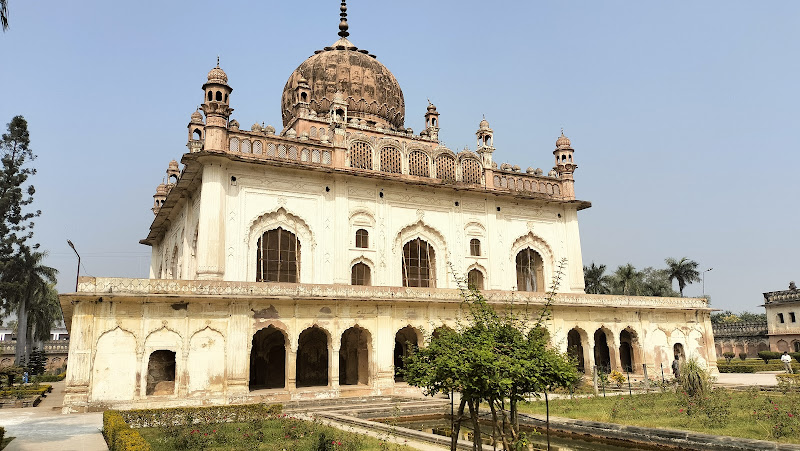
Imambada Gulab Bari – Tomb of Shuja-ud-daula
About Imambada Gulab Bari – Tomb of Shuja-ud-daula
Description
If history could sing (and honestly, I sometimes wish it would), the Imambada Gulab Bari – Tomb of Shuja-ud-daula would belt out a tune with both elegance and a dash of mystery. I’ve wandered plenty of so-called “hidden gems” across India, but few strike that fascinating balance between majesty and serenity quite like this marvel in Faizabad. Locals know it, travelers stumble upon it (often leaving pleasantly surprised), and even those less interested in history often come away with memories worth sharing.
Constructed in the late 18th century as the burial place of Nawab Shuja-ud-daula, the third Nawab of Awadh, Gulab Bari is more than just a tomb – it’s an experience soaked in stories, architectural wonders, and the faint fragrance of heritage roses (assuming you catch it at their blooming peak). The place doesn’t try to impress with grand bragging rights; it’s compelling because of its quiet grandeur and real charm. There’s an honesty to it, a kind of stately stubbornness that’s stood the test of time and weather. In my experience, none of the hype feels far-fetched.
Now, I’ll be straight with you – some visitors have quibbled about ups and downs such as cleanliness or occasional crowding (mostly during festival days). But stroll the manicured garden paths, watch the curious play of sunlight on old Mughal arches, and you’ll probably find it’s easier to focus on what dazzles rather than what doesn’t. I’ve seen amateur photographers twirl their cameras, searching for the perfect angle – the light here often obliges. I once saw a group of university students sketching by a peaceful water tank, and a local grandmother pointing out stories to a wide-eyed child. Gulab Bari is, in a word, real. It speaks to history buffs, families with energetic kids, and dreamy souls who wish they were born a few centuries too late.
Key Features
- Architectural Marvel: Mughal-inspired domes, soaring minarets, and finely detailed arches that tell their own story. If you have even a passing interest in architecture, you’ll be in awe. I’m not exaggerating – the symmetry is hypnotic, and the blend of Persian and Indian styles feels both grand and intimate.
- Gorgeous Rose Gardens: “Gulab” means rose and for good reason. Even if you don’t have a green thumb, there’s just something about wandering through rows of old rose bushes here, many believed to be as old as the monument itself. I recommend bringing your camera or just soaking it in with all your senses.
- Historic Tomb of Shuja-ud-daula: At its heart lies the grand tomb—a resting place with stories etched into every stone. History and power literally resonate from this spot. I personally get chills every time I step inside.
- Water Features and Pools: Ornate tanks and tranquil pools reflecting the structure—perfect for a meditative pause or an artful photo-opp, especially late afternoon when light softens.
- Family-friendly Environment: Wide, open lawns and plenty of shade mean you can bring the kids or enjoy a leisurely picnic beneath the trees. I’ve watched families spread blankets and just relax without a care in the world.
- Onsite Services: There’s easy access to onsite support—think minor repairs for electronics, which always strikes me as a quirky bonus for a place so seeped in the past. You might smile too when you see the quiet coexistence of old and new.
- Accessibility: Wheelchair accessible entrance and parking, making it genuinely open for everyone. My aunt, who needs a wheelchair, found it surprisingly easy to navigate—often rare for heritage sites in India.
- Spiritual and Cultural Events: The Imambada is still a living site, hosting religious gatherings and festivals. Visiting during a major Islamic occasion feels electric (though be prepared for crowds and a slightly different vibe).
Best Time to Visit
Let’s talk real world logistics. Gulab Bari is best enjoyed when you’re not sweltering under peak summer sun, or getting your shoes soaked during rainy spells. In my view, November to March is the sweet spot—that’s when the winter air turns crisp, the skies are clear, and the famed roses are at their aromatic best.
Early mornings on a winter day? The dew catching the first sunlight makes the gardens shimmer. Late afternoons are another favorite; the light angles just right, and you might catch sight of local children running across the lawns, their laughter adding a soundtrack to history.
Avoid major festival weeks if you’d rather experience quiet and reflection, but if you love the buzz and want to witness living heritage, planning a visit during Muharram can be an unforgettable experience (albeit bustling, so pack your patience and excitement in equal measure).
How to Get There
So you’re plotting the journey—let me make this as straightforward as I can. The Imambada Gulab Bari sits along a pretty well-known stretch of State Highway 9 in Faizabad, so you’re not exactly “hacking through jungle,” so to speak. If you’re coming by train, Faizabad Junction is your gateway—just a quick auto or rickshaw ride from there. For those cruising in from Lucknow or Varanasi, state-run buses and private vehicles make this an easy day-trip option (just don’t trust Google Maps blindly—ask a chai wallah or a local if you’re unsure; the hospitality here is legendary!).
If, like me, you appreciate road trips, the drive from Lucknow is about two hours with a straight shot along NH 28. I do suggest having your favorite playlist handy and maybe packing a stash of snacks, because you’ll want to stop and snap some roadside shots. Parking is usually available near the main entrance and, as I found, is spacious enough for even large family vehicles.
One of my favorite memories? Hopping onto a cycle rickshaw from the Faizabad station – a bumpy, laughter-filled ride that set the mood for the day. Sometimes the journey is half the story!
Tips for Visiting
- Bring a little curiosity. Read up, ask questions, and chat with the friendly caretakers—they’re walking encyclopedias and have some of the best stories!
- Wear comfortable shoes. The stone paths and garden walks are meant for slow, meandering exploration. Leave the stilettos at home—trust me, I’ve seen more than one visitor regret a fashion-first approach!
- Photography is encouraged… politely. The play of light and shadow, especially near the tomb and pools, is dazzling. But please avoid flash photography in sensitive areas, out of respect for tradition and other visitors.
- Respect the site’s significance. This isn’t just an old building—it’s an active religious site. Modest clothing is a must, and keep voices low in the tomb area.
- Plan your timing. Aim for mornings if you crave tranquility, or evenings for that golden hour photo. Remember, weekends and festivals may bring more crowds.
- Hydrate and snack smartly. There aren’t loads of food stalls inside, so pack a reusable water bottle and small eats if you plan a long stroll (just dispose of rubbish thoughtfully—let’s keep it as gorgeous for the next traveler!).
- Check accessibility needs in advance. Though the site is wheelchair friendly and kids generally have a blast, some garden paths can be uneven—worth considering if you’re traveling with elders or very young children.
- Combine your trip. If you’ve got time, pair your visit with other Faizabad gems—like Bahu Begum Ka Maqbara or the riverside ghats. Makes for a full day of exploration, with a slice of history at every turn.
- Be patient with ups and downs. Like any historic spot, not every corner is pristine and not every guide is fluent; embrace the imperfections—it’s all part of the adventure. I’ve found that the more open you are, the richer the experience becomes.
In the end, Imambada Gulab Bari is the kind of place where stories are layered as thick as autumn leaves, and every visitor adds a little more flavor to its legacy. Whether you visit seeking tranquility, chasing Instagram likes, or just hoping to see something new, there’s a real richness waiting—one you don’t often find on the main tourist track. So go ahead, make your own memories; you’ll be glad you did.
Key Features
- Key Features
- Best Time to Visit
- How to Get There
- Tips for Visiting
More Details
Updated June 9, 2025
Table of Contents
- Description
- Key Features
- Best Time to Visit
- How to Get There
- Tips for Visiting
- Key Highlights
- Location
- Places to Stay Near Imambada Gulab Bari - Tomb of Shuja-ud-daula
- Find and Book a Tour
- Explore More Travel Guides
- Nearby Places You Might Like
- Traveler Reviews for Imambada Gulab Bari – Tomb of Shuja-ud-daula
- Share Your Experience
Description
If history could sing (and honestly, I sometimes wish it would), the Imambada Gulab Bari – Tomb of Shuja-ud-daula would belt out a tune with both elegance and a dash of mystery. I’ve wandered plenty of so-called “hidden gems” across India, but few strike that fascinating balance between majesty and serenity quite like this marvel in Faizabad. Locals know it, travelers stumble upon it (often leaving pleasantly surprised), and even those less interested in history often come away with memories worth sharing.
Constructed in the late 18th century as the burial place of Nawab Shuja-ud-daula, the third Nawab of Awadh, Gulab Bari is more than just a tomb – it’s an experience soaked in stories, architectural wonders, and the faint fragrance of heritage roses (assuming you catch it at their blooming peak). The place doesn’t try to impress with grand bragging rights; it’s compelling because of its quiet grandeur and real charm. There’s an honesty to it, a kind of stately stubbornness that’s stood the test of time and weather. In my experience, none of the hype feels far-fetched.
Now, I’ll be straight with you – some visitors have quibbled about ups and downs such as cleanliness or occasional crowding (mostly during festival days). But stroll the manicured garden paths, watch the curious play of sunlight on old Mughal arches, and you’ll probably find it’s easier to focus on what dazzles rather than what doesn’t. I’ve seen amateur photographers twirl their cameras, searching for the perfect angle – the light here often obliges. I once saw a group of university students sketching by a peaceful water tank, and a local grandmother pointing out stories to a wide-eyed child. Gulab Bari is, in a word, real. It speaks to history buffs, families with energetic kids, and dreamy souls who wish they were born a few centuries too late.
Key Features
- Architectural Marvel: Mughal-inspired domes, soaring minarets, and finely detailed arches that tell their own story. If you have even a passing interest in architecture, you’ll be in awe. I’m not exaggerating – the symmetry is hypnotic, and the blend of Persian and Indian styles feels both grand and intimate.
- Gorgeous Rose Gardens: “Gulab” means rose and for good reason. Even if you don’t have a green thumb, there’s just something about wandering through rows of old rose bushes here, many believed to be as old as the monument itself. I recommend bringing your camera or just soaking it in with all your senses.
- Historic Tomb of Shuja-ud-daula: At its heart lies the grand tomb—a resting place with stories etched into every stone. History and power literally resonate from this spot. I personally get chills every time I step inside.
- Water Features and Pools: Ornate tanks and tranquil pools reflecting the structure—perfect for a meditative pause or an artful photo-opp, especially late afternoon when light softens.
- Family-friendly Environment: Wide, open lawns and plenty of shade mean you can bring the kids or enjoy a leisurely picnic beneath the trees. I’ve watched families spread blankets and just relax without a care in the world.
- Onsite Services: There’s easy access to onsite support—think minor repairs for electronics, which always strikes me as a quirky bonus for a place so seeped in the past. You might smile too when you see the quiet coexistence of old and new.
- Accessibility: Wheelchair accessible entrance and parking, making it genuinely open for everyone. My aunt, who needs a wheelchair, found it surprisingly easy to navigate—often rare for heritage sites in India.
- Spiritual and Cultural Events: The Imambada is still a living site, hosting religious gatherings and festivals. Visiting during a major Islamic occasion feels electric (though be prepared for crowds and a slightly different vibe).
Best Time to Visit
Let’s talk real world logistics. Gulab Bari is best enjoyed when you’re not sweltering under peak summer sun, or getting your shoes soaked during rainy spells. In my view, November to March is the sweet spot—that’s when the winter air turns crisp, the skies are clear, and the famed roses are at their aromatic best.
Early mornings on a winter day? The dew catching the first sunlight makes the gardens shimmer. Late afternoons are another favorite; the light angles just right, and you might catch sight of local children running across the lawns, their laughter adding a soundtrack to history.
Avoid major festival weeks if you’d rather experience quiet and reflection, but if you love the buzz and want to witness living heritage, planning a visit during Muharram can be an unforgettable experience (albeit bustling, so pack your patience and excitement in equal measure).
How to Get There
So you’re plotting the journey—let me make this as straightforward as I can. The Imambada Gulab Bari sits along a pretty well-known stretch of State Highway 9 in Faizabad, so you’re not exactly “hacking through jungle,” so to speak. If you’re coming by train, Faizabad Junction is your gateway—just a quick auto or rickshaw ride from there. For those cruising in from Lucknow or Varanasi, state-run buses and private vehicles make this an easy day-trip option (just don’t trust Google Maps blindly—ask a chai wallah or a local if you’re unsure; the hospitality here is legendary!).
If, like me, you appreciate road trips, the drive from Lucknow is about two hours with a straight shot along NH 28. I do suggest having your favorite playlist handy and maybe packing a stash of snacks, because you’ll want to stop and snap some roadside shots. Parking is usually available near the main entrance and, as I found, is spacious enough for even large family vehicles.
One of my favorite memories? Hopping onto a cycle rickshaw from the Faizabad station – a bumpy, laughter-filled ride that set the mood for the day. Sometimes the journey is half the story!
Tips for Visiting
- Bring a little curiosity. Read up, ask questions, and chat with the friendly caretakers—they’re walking encyclopedias and have some of the best stories!
- Wear comfortable shoes. The stone paths and garden walks are meant for slow, meandering exploration. Leave the stilettos at home—trust me, I’ve seen more than one visitor regret a fashion-first approach!
- Photography is encouraged… politely. The play of light and shadow, especially near the tomb and pools, is dazzling. But please avoid flash photography in sensitive areas, out of respect for tradition and other visitors.
- Respect the site’s significance. This isn’t just an old building—it’s an active religious site. Modest clothing is a must, and keep voices low in the tomb area.
- Plan your timing. Aim for mornings if you crave tranquility, or evenings for that golden hour photo. Remember, weekends and festivals may bring more crowds.
- Hydrate and snack smartly. There aren’t loads of food stalls inside, so pack a reusable water bottle and small eats if you plan a long stroll (just dispose of rubbish thoughtfully—let’s keep it as gorgeous for the next traveler!).
- Check accessibility needs in advance. Though the site is wheelchair friendly and kids generally have a blast, some garden paths can be uneven—worth considering if you’re traveling with elders or very young children.
- Combine your trip. If you’ve got time, pair your visit with other Faizabad gems—like Bahu Begum Ka Maqbara or the riverside ghats. Makes for a full day of exploration, with a slice of history at every turn.
- Be patient with ups and downs. Like any historic spot, not every corner is pristine and not every guide is fluent; embrace the imperfections—it’s all part of the adventure. I’ve found that the more open you are, the richer the experience becomes.
In the end, Imambada Gulab Bari is the kind of place where stories are layered as thick as autumn leaves, and every visitor adds a little more flavor to its legacy. Whether you visit seeking tranquility, chasing Instagram likes, or just hoping to see something new, there’s a real richness waiting—one you don’t often find on the main tourist track. So go ahead, make your own memories; you’ll be glad you did.
Key Highlights
- Key Features
- Best Time to Visit
- How to Get There
- Tips for Visiting
Location
Places to Stay Near Imambada Gulab Bari - Tomb of Shuja-ud-daula
Find and Book a Tour
Explore More Travel Guides
No reviews found! Be the first to review!
Traveler Reviews for Imambada Gulab Bari – Tomb of Shuja-ud-daula
There are no reviews yet. Be the first one to write one.
Have you visited Imambada Gulab Bari – Tomb of Shuja-ud-daula? Help other travelers by sharing your review.
You Might Also Like
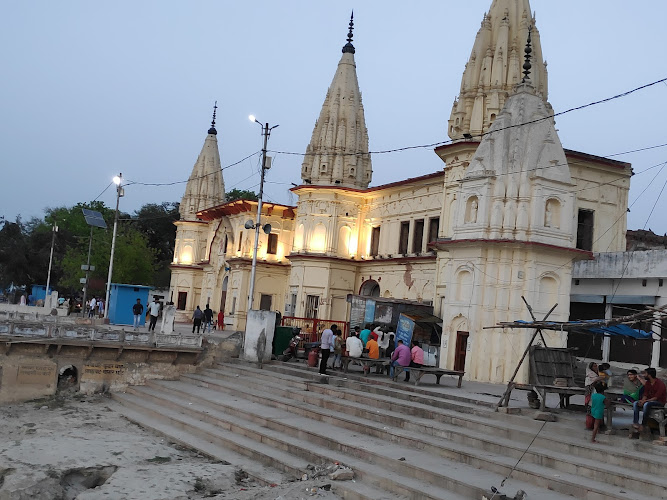
Guptar Ghat
Kaushalpuri Phase-1 Park & Water Tank
Maharaja Bali Park
Find Accommodations Nearby
Recommended Tours & Activities
Visitor Reviews
There are no reviews yet. Be the first one to write one.
Share Your Experience
Have you visited Imambada Gulab Bari – Tomb of Shuja-ud-daula? Help other travelers by leaving a review.