
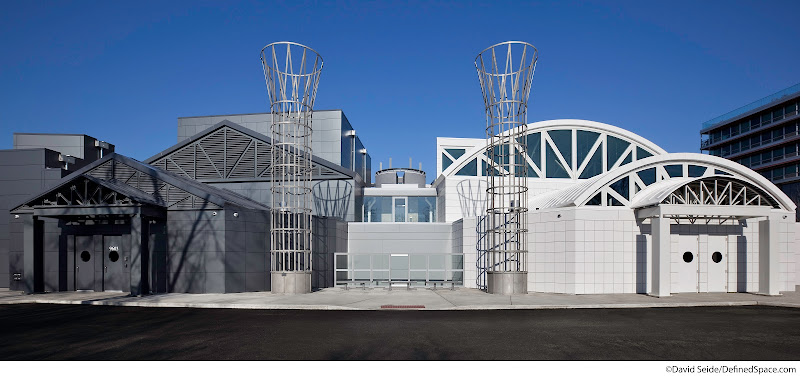
Illinois Holocaust Museum & Education Center
About Illinois Holocaust Museum & Education Center
Description
If you’ve ever wanted to truly understand the ripples of history in a very real, raw, and honest way, the Illinois Holocaust Museum & Education Center should be high on your list of must-sees. This isn’t your run-of-the-mill, glass-case-with-dusty-artifacts type of place. From the moment you walk through those (very accessible) doors, there’s this almost tangible gravity—a quiet respectfulness humming beneath conversations, guided tours, the occasional child’s question echoing off the polished floors.
The museum delivers a powerful experience centered on stories of Holocaust survivors, resistance, and hope, but avoids the trap of feeling like just a collection of tragic facts. Instead, you’re walking through thoughtfully designed exhibitions dripping with details—actual survivor testimonies, immersive environments, sometimes even live performances or theater pieces that, if you let them, will stick in your head for days after you leave. The Docent-led tours are particularly impactful; I’ve had one museum volunteer who, no joke, connected every gallery back to his personal family history. It’s hard not to feel moved.
The historic focus is obvious, but the Illinois Holocaust Museum goes further—especially if you’re bringing kids or teens. The Youth Exhibition is interactive and designed for younger minds, blending hands-on learning (think: activities and multimedia) with some real talk about bullying, identity, and standing up for what’s right. And honestly, even if you're a full-on grownup, you’ll pick up something new here. On one visit, I watched a whole school group—normally an energetic bunch—grow absolutely silent in front of the interactive survivor holograms. You’ll see what I mean.
But there’s still a feeling of hope and resilience that permeates every gallery, thanks to the stories shared by survivors, many of whom still pop in for Q&A events. It’s emotionally heavy, for sure, but nothing about it feels exploitative or sensationalistic. You leave changed, but not devastated. Inspired, maybe.
And practical note, for my fellow planners: it’s brilliantly accessible. Wheelchairs, accessible restrooms, thoughtfully marked paths—all checked off. Even the museum shop (stocking some great literature, by the way) is easy to navigate. The only downside? Sometimes it gets busy, especially during school trips, but it’s a sign the next generation is learning, and that matters.
There are one or two exhibits that might not meet everyone’s expectations if you’re hoping for a traditional “artifact-heavy” museum, but for me, it’s the stories—and the humans behind them—that hit the hardest.
Key Features
- Immersive Permanent Exhibitions: Walk through deeply moving galleries chronicling Jewish life before, during, and after the Holocaust, with a focus on survivor stories.
- Survivor Testimonies & Interactive Holograms: Experience firsthand accounts via cutting-edge, interactive technology—ask digital survivors your own questions.
- Live Performances & Theater: Regularly scheduled live events that bring history to the stage in gripping fashion.
- Youth & Student-Focused Interactive Exhibits: Dedicated spaces appeal to younger minds; hands-on learning activities on empathy, social justice, and standing up to prejudice.
- Docent-Led and Self-Guided Tours: Choose your own pace, or opt for an expert-guided experience to connect the dots between history and today’s world.
- Wheelchair Accessibility: Designed for inclusivity throughout—entrances, parking, and restrooms are all accessible.
- Museum Gift Shop: Thoughtful books, memorabilia, educational toys, and unique finds supporting the mission.
- Onsite Restrooms: Clean and numerous, always a plus if you’re spending a few hours soaking it all in.
- Frequent Special Events: Talks, film showings, and panel discussions on timely issues about human rights, antisemitism, and history.
- Ample Parking: Free or low-cost, with accessible spots conveniently close to the entrance, so no wandering around in the cold, thankfully.
Best Time to Visit
Alright, let me spill the beans: if you want the most serene, contemplative experience, weekdays in the late morning or early afternoon are your golden ticket. Avoid Mondays, though—the museum is closed then. And if you’re the spontaneous type, beware, Saturdays and Sundays can get surprisingly busy (think: local families, out-of-town tourists, and the occasional bus of students), making things a bit crowded in the more interactive spaces.
If you’re hoping to catch a live event or a survivor talk, check the event schedule before you go—sometimes they’ll pack out the theater or a gallery, and honestly, catching a survivor speak is something you won’t soon forget. Around Holocaust Remembrance Day (late April or early May) and International Holocaust Remembrance Day (January 27), things are both busier and heavier—but the commemorative events are incredibly moving and worth planning around if you can handle the crowds.
If you’re trying to avoid running into lots of school groups, steer clear of weekday mornings during the school year. Otherwise, anytime the weather is chilly or damp is a great excuse to come in and immerse yourself for a few hours—Illinois weather can be a bit moody, so having a meaningful indoor spot like this nearby is sort of a gift.
How to Get There
So, you’re plotting your route to this cornerstone of Chicago-area history? Here’s the scoop from someone who’s made the trek more than a couple times. If you’re driving, it’s a breeze—right off a major road, with plenty of parking (including accessible spots, which is a relief when wrangling kids, strollers, or wheelchairs). The signage is clear, and you won’t struggle to find a spot.
Public transit is doable, though a tad less convenient. Chicago’s CTA and Metra systems can get you within a reasonable distance, but you’ll likely need to grab a bus or rideshare for the last portion. Pro tip: check Google Maps or your rideshare app for current ETA—sometimes there’s traffic, and you don’t want to miss a timed-entry slot.
Biking is possible if you’re in the area, but honestly, the roads around the museum can feel a bit suburban and busy. I haven’t tried the bike racks myself (the good old minivan wins out most days), but I’ve seen plenty of riders lock up near the entrance.
And let’s be real—if you’re looking to pair this museum with other attractions, you’ll pretty much need a car. But if it’s your main stop that day, public transit, a rideshare, or buddy’s minivan all get the job done just fine.
Tips for Visiting
You want the most out of your visit? Here’s my unofficial, somewhat opinionated guide—culled from both my own experiences and those hard-earned wisdoms from fellow repeat visitors:
- Book Tickets In Advance: Trust me, this is one where a bit of advance planning pays off. Not just for the entry slot (which sometimes sells out, especially during school trips or on weekends), but because some of the special exhibitions and survivor events are ticketed separately. Don’t risk missing out.
- Budget Enough Time: Even if you think you’re a “quick museum person,” give yourself at least 2-3 hours, especially if you want to linger over testimonies or catch a live performance.
- Bring Tissues (No, Really): I’m a grown adult and still got choked up more than once—some of these stories hit harder than you think and that’s okay.
- Check the Calendar for Events: Periodic talks, theater events, or guest speakers can turn a normal day into something unforgettable. Some aren’t heavily advertised, so double check before you go.
- Consider the Kids’ Experience: The Youth Exhibition is a great entry point for kids (usually ages 8+ and up, in my opinion), but if your crew is sensitive, preview the gallery notes to see what’s age-appropriate.
- Accessibility is Excellent: Need a wheelchair or have mobility concerns? The facility is very accessible, and staff are genuinely helpful without being overbearing.
- No Onsite Restaurant: Eat before you go, or pack snacks for after—though there’s plenty of seating in the lobby to regroup and reflect post-visit.
- Gift Shop is Worth a Peek: Seriously, I’ve found moving books, thoughtful gifts, and a few surprising finds. Good spot for a little decompression (and maybe a coffee mug or two) before you leave.
- Mind the Emotional Impact: If you’re visiting with family or kiddos, plan time afterward to process together. Might be a good day to follow with something uplifting or relaxing nearby.
- Photography Rules: Double check signage
Key Features
- Key Features
- Best Time to Visit
- How to Get There
- Tips for Visiting
More Details
Updated June 26, 2025
Table of Contents
- Description
- Key Features
- Best Time to Visit
- How to Get There
- Tips for Visiting
- Key Highlights
- Location
- Places to Stay Near Illinois Holocaust Museum & Education Center
- Find and Book a Tour
- Explore More Travel Guides
- Nearby Places You Might Like
- Traveler Reviews for Illinois Holocaust Museum & Education Center
- Share Your Experience
Description
If you’ve ever wanted to truly understand the ripples of history in a very real, raw, and honest way, the Illinois Holocaust Museum & Education Center should be high on your list of must-sees. This isn’t your run-of-the-mill, glass-case-with-dusty-artifacts type of place. From the moment you walk through those (very accessible) doors, there’s this almost tangible gravity—a quiet respectfulness humming beneath conversations, guided tours, the occasional child’s question echoing off the polished floors.
The museum delivers a powerful experience centered on stories of Holocaust survivors, resistance, and hope, but avoids the trap of feeling like just a collection of tragic facts. Instead, you’re walking through thoughtfully designed exhibitions dripping with details—actual survivor testimonies, immersive environments, sometimes even live performances or theater pieces that, if you let them, will stick in your head for days after you leave. The Docent-led tours are particularly impactful; I’ve had one museum volunteer who, no joke, connected every gallery back to his personal family history. It’s hard not to feel moved.
The historic focus is obvious, but the Illinois Holocaust Museum goes further—especially if you’re bringing kids or teens. The Youth Exhibition is interactive and designed for younger minds, blending hands-on learning (think: activities and multimedia) with some real talk about bullying, identity, and standing up for what’s right. And honestly, even if you’re a full-on grownup, you’ll pick up something new here. On one visit, I watched a whole school group—normally an energetic bunch—grow absolutely silent in front of the interactive survivor holograms. You’ll see what I mean.
But there’s still a feeling of hope and resilience that permeates every gallery, thanks to the stories shared by survivors, many of whom still pop in for Q&A events. It’s emotionally heavy, for sure, but nothing about it feels exploitative or sensationalistic. You leave changed, but not devastated. Inspired, maybe.
And practical note, for my fellow planners: it’s brilliantly accessible. Wheelchairs, accessible restrooms, thoughtfully marked paths—all checked off. Even the museum shop (stocking some great literature, by the way) is easy to navigate. The only downside? Sometimes it gets busy, especially during school trips, but it’s a sign the next generation is learning, and that matters.
There are one or two exhibits that might not meet everyone’s expectations if you’re hoping for a traditional “artifact-heavy” museum, but for me, it’s the stories—and the humans behind them—that hit the hardest.
Key Features
- Immersive Permanent Exhibitions: Walk through deeply moving galleries chronicling Jewish life before, during, and after the Holocaust, with a focus on survivor stories.
- Survivor Testimonies & Interactive Holograms: Experience firsthand accounts via cutting-edge, interactive technology—ask digital survivors your own questions.
- Live Performances & Theater: Regularly scheduled live events that bring history to the stage in gripping fashion.
- Youth & Student-Focused Interactive Exhibits: Dedicated spaces appeal to younger minds; hands-on learning activities on empathy, social justice, and standing up to prejudice.
- Docent-Led and Self-Guided Tours: Choose your own pace, or opt for an expert-guided experience to connect the dots between history and today’s world.
- Wheelchair Accessibility: Designed for inclusivity throughout—entrances, parking, and restrooms are all accessible.
- Museum Gift Shop: Thoughtful books, memorabilia, educational toys, and unique finds supporting the mission.
- Onsite Restrooms: Clean and numerous, always a plus if you’re spending a few hours soaking it all in.
- Frequent Special Events: Talks, film showings, and panel discussions on timely issues about human rights, antisemitism, and history.
- Ample Parking: Free or low-cost, with accessible spots conveniently close to the entrance, so no wandering around in the cold, thankfully.
Best Time to Visit
Alright, let me spill the beans: if you want the most serene, contemplative experience, weekdays in the late morning or early afternoon are your golden ticket. Avoid Mondays, though—the museum is closed then. And if you’re the spontaneous type, beware, Saturdays and Sundays can get surprisingly busy (think: local families, out-of-town tourists, and the occasional bus of students), making things a bit crowded in the more interactive spaces.
If you’re hoping to catch a live event or a survivor talk, check the event schedule before you go—sometimes they’ll pack out the theater or a gallery, and honestly, catching a survivor speak is something you won’t soon forget. Around Holocaust Remembrance Day (late April or early May) and International Holocaust Remembrance Day (January 27), things are both busier and heavier—but the commemorative events are incredibly moving and worth planning around if you can handle the crowds.
If you’re trying to avoid running into lots of school groups, steer clear of weekday mornings during the school year. Otherwise, anytime the weather is chilly or damp is a great excuse to come in and immerse yourself for a few hours—Illinois weather can be a bit moody, so having a meaningful indoor spot like this nearby is sort of a gift.
How to Get There
So, you’re plotting your route to this cornerstone of Chicago-area history? Here’s the scoop from someone who’s made the trek more than a couple times. If you’re driving, it’s a breeze—right off a major road, with plenty of parking (including accessible spots, which is a relief when wrangling kids, strollers, or wheelchairs). The signage is clear, and you won’t struggle to find a spot.
Public transit is doable, though a tad less convenient. Chicago’s CTA and Metra systems can get you within a reasonable distance, but you’ll likely need to grab a bus or rideshare for the last portion. Pro tip: check Google Maps or your rideshare app for current ETA—sometimes there’s traffic, and you don’t want to miss a timed-entry slot.
Biking is possible if you’re in the area, but honestly, the roads around the museum can feel a bit suburban and busy. I haven’t tried the bike racks myself (the good old minivan wins out most days), but I’ve seen plenty of riders lock up near the entrance.
And let’s be real—if you’re looking to pair this museum with other attractions, you’ll pretty much need a car. But if it’s your main stop that day, public transit, a rideshare, or buddy’s minivan all get the job done just fine.
Tips for Visiting
You want the most out of your visit? Here’s my unofficial, somewhat opinionated guide—culled from both my own experiences and those hard-earned wisdoms from fellow repeat visitors:
- Book Tickets In Advance: Trust me, this is one where a bit of advance planning pays off. Not just for the entry slot (which sometimes sells out, especially during school trips or on weekends), but because some of the special exhibitions and survivor events are ticketed separately. Don’t risk missing out.
- Budget Enough Time: Even if you think you’re a “quick museum person,” give yourself at least 2-3 hours, especially if you want to linger over testimonies or catch a live performance.
- Bring Tissues (No, Really): I’m a grown adult and still got choked up more than once—some of these stories hit harder than you think and that’s okay.
- Check the Calendar for Events: Periodic talks, theater events, or guest speakers can turn a normal day into something unforgettable. Some aren’t heavily advertised, so double check before you go.
- Consider the Kids’ Experience: The Youth Exhibition is a great entry point for kids (usually ages 8+ and up, in my opinion), but if your crew is sensitive, preview the gallery notes to see what’s age-appropriate.
- Accessibility is Excellent: Need a wheelchair or have mobility concerns? The facility is very accessible, and staff are genuinely helpful without being overbearing.
- No Onsite Restaurant: Eat before you go, or pack snacks for after—though there’s plenty of seating in the lobby to regroup and reflect post-visit.
- Gift Shop is Worth a Peek: Seriously, I’ve found moving books, thoughtful gifts, and a few surprising finds. Good spot for a little decompression (and maybe a coffee mug or two) before you leave.
- Mind the Emotional Impact: If you’re visiting with family or kiddos, plan time afterward to process together. Might be a good day to follow with something uplifting or relaxing nearby.
- Photography Rules: Double check signage
Key Highlights
- Key Features
- Best Time to Visit
- How to Get There
- Tips for Visiting
Location
Places to Stay Near Illinois Holocaust Museum & Education Center
Find and Book a Tour
Explore More Travel Guides
No reviews found! Be the first to review!
Traveler Reviews for Illinois Holocaust Museum & Education Center
There are no reviews yet. Be the first one to write one.
Have you visited Illinois Holocaust Museum & Education Center? Help other travelers by sharing your review.
You Might Also Like
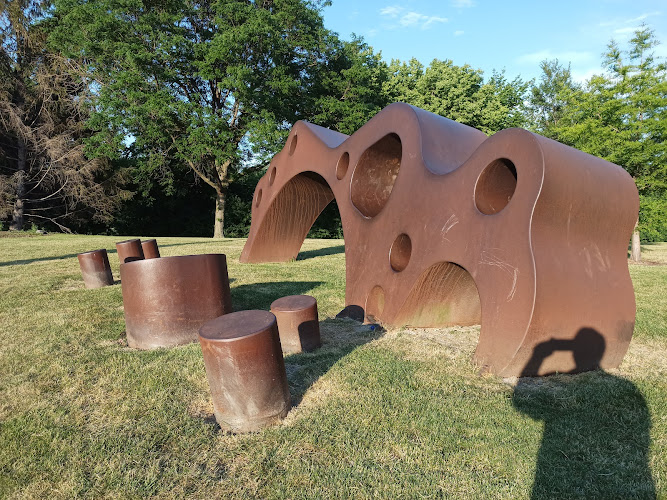
Skokie Northshore Sculpture Park

Winnebago Park

Oakton Community Center
Find Accommodations Nearby
Recommended Tours & Activities
Visitor Reviews
There are no reviews yet. Be the first one to write one.
Share Your Experience
Have you visited Illinois Holocaust Museum & Education Center? Help other travelers by leaving a review.