
Iglesia de Santo Tomás
About Iglesia de Santo Tomás
Key Features
More Details
Updated April 16, 2024
## Iglesia de Santo Tomás (Chichicastenango, Guatemala): what to know before you go
Iglesia de Santo Tomás sits on the main plaza of Chichicastenango in Guatemala’s western highlands and is widely cited as one of the clearest public examples of religious syncretism in the country—Catholic practice interwoven with ongoing K’iche’ Maya ritual life. The church is commonly dated to the mid-16th century and is frequently described as being built on (or atop) a pre-Columbian temple platform.
If you’re planning a visit, the headline is simple: this is not just a historic building. It’s an active sacred site where you may see incense, candles, and ritual activity—sometimes on the church steps, sometimes in and around the plaza—especially on market days. Planet
—
## Quick facts you can rely on
– Name: Iglesia de Santo Tomás (often “Santo Tomás Church”)
– Where: Plaza/market area, Chichicastenango, El Quiché, Guatemala (your pin: WVRQ+QGC, 5a Avenida)
– Why it’s famous: A long-documented blend of Catholic and Maya religious practice, visible in everyday ritual behavior at/around the church. Planet
– The “18 steps” detail: Frequently described as 18 steps with symbolic meaning linked to the Maya calendar (commonly framed as representing its “months”).
> Data note (important): Travel sources disagree on exact market days (many say Thursdays & Sundays, some say Tuesdays & Sundays). Treat any “best day” advice as variable and verify locally or with your lodging before you plan transport. Maya Time
—
## Why this church feels different from “just another colonial church”
### Syncretism you can actually see
Multiple mainstream travel references describe rituals at Santo Tomás as distinctly Maya in character—even though it is a Roman Catholic church. That matters because it changes how you should visit: you’re entering a space where religious life is not staged and not primarily “for visitors.” Planet
### The plaza context matters
Santo Tomás is positioned right where Chichicastenango’s market activity concentrates. Museum and travel references explicitly link the church to the surrounding market-day flow of people arriving from villages in the region. In practice, the church and the market are experienced as one cultural landscape, not two separate “attractions.” Maya Time
—
## A practical way to experience Santo Tomás respectfully
### 1) Start outside: the steps, the air, the rhythm
The steps are often the first place visitors notice offerings—candles, incense, and people moving with a purpose that has nothing to do with photography. If you see ritual activity:
– Give space (don’t block the stairs or hover).
– Keep your voice down.
– Assume some people may not want to be photographed—and default to not photographing individuals during ritual unless you have clear consent.
This isn’t “extra polite”—it’s baseline respect for living religious practice. Planet
### 2) Inside: behave like you would in someone else’s sanctuary
Because reputable guides note that ritual activity can occur in the church as well, your best approach is:
– Move slowly, stay to the edges, and don’t treat interior spaces like a viewing platform.
– Avoid flash photography.
– If you see candles/incense burning as part of a ritual, don’t step over or around people’s offerings.
(Exact rules can vary by day and by what’s happening; defer to signage and local guidance.)
### 3) Pair it with the plaza rather than rushing off
Many people try to “do the church” in 10 minutes. A better use of time is to treat it as your anchor point for understanding Chichicastenango’s civic-religious center: watch how the plaza functions, how people flow in on market days, and how the church and market coexist.
—
## Best time to visit (with an honesty check)
### Market-day energy vs. non-market-day quiet
– Market days: More movement, more sensory overload, and often more visible ceremonial life around the plaza. Maya Time
– Non-market days: Potentially calmer, easier to absorb details without navigating heavy foot traffic.
### The market-day mismatch you should know about
You’ll see conflicting claims online about which days are “the” market days. Some sources describe Thursdays and Sundays; other guides report Tuesdays and Sundays. Don’t build a tight itinerary around a single blog’s certainty—confirm locally. Maya Time
—
## What to look for (without inventing details)
### The “18 steps” interpretation
The 18-step symbolism is repeatedly referenced in travel and reference sources. It’s commonly explained through the lens of the Maya calendar. Whether you treat that as literal “one step = one month” or as a broader symbolic framing, the repeated point is that the staircase is part of what makes the church a hybrid cultural site in popular understanding.
### The lived religious layer
Smithsonian-affiliated content and major guidebooks emphasize that rituals here can be “more distinctly Maya than Catholic.” Even if you don’t catch a specific ceremony, this framing helps you interpret what you’re seeing (candles, incense, movement patterns, and the way people claim space). Maya Time
—
## How to fit Santo Tomás into a smarter Chichicastenango plan
If you want your visit to feel informed—not drive-by—use this sequencing:
1. Arrive early (before peak crowding if it’s a market day).
2. Walk the plaza perimeter first; get oriented.
3. Approach the church steps with patience—observe before entering.
4. Enter the church briefly, then step back out and let the context land.
5. Explore the market area after you’ve seen the church; you’ll read the market differently once you understand the plaza’s sacred dimension.
—
## Two contextual internal links (add your RealJourneyTravels URLs)
I can’t safely claim specific RJT URLs exist on your site without seeing them, but these are the two most natural internal-link placements for SEO + user journey:
– Internal link #1 (context: planning the visit): Chichicastenango travel guide (anchor text: “Chichicastenango travel guide”)
– Internal link #2 (context: broader itinerary building): Guatemala Highlands itinerary (anchor text: “Guatemala Highlands itinerary”)
If you share your actual slugs, I’ll drop in exact internal URLs and adjust anchor text to match your site’s taxonomy.
—
## FAQ (only what’s supportable)
### Is Iglesia de Santo Tomás mainly historical, or is it active?
It’s an active Catholic church, and multiple reputable references describe ongoing ritual activity connected to Maya religious practice in/around the site. Planet
### Is it located near the famous Chichicastenango market?
Yes—sources describe the church as being on the plaza/market area and closely tied to market-day flows. Planet
### What’s the deal with the 18 steps?
A widely repeated explanation is that the church has 18 steps, with symbolic meaning linked to the Maya calendar.
—
Table of Contents
Key Highlights
Iglesia de Santo Tomás
Location
Places to Stay Near Iglesia de Santo Tomás
Find and Book a Tour
Explore More Travel Guides
No reviews found! Be the first to review!
Traveler Reviews for Iglesia de Santo Tomás
There are no reviews yet. Be the first one to write one.
Have you visited Iglesia de Santo Tomás? Help other travelers by sharing your review.
You Might Also Like
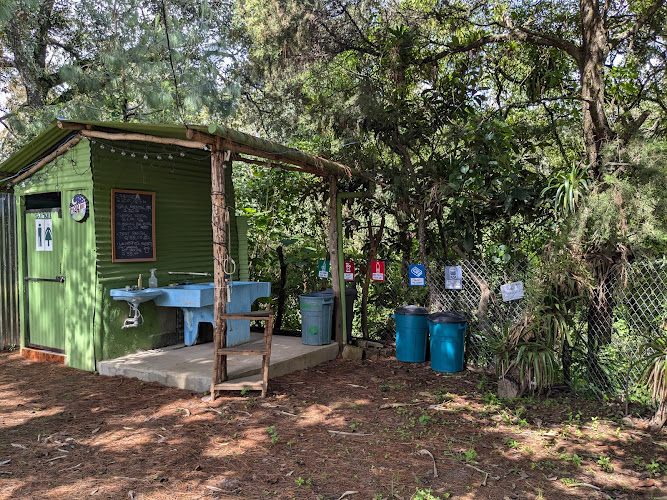
Ecological Park Recreational Vehicle RV, Casa Tzocomá
Chichicastenango Market
Chulumal Segundo
Find Accommodations Nearby
Recommended Tours & Activities
Visitor Reviews
There are no reviews yet. Be the first one to write one.
Share Your Experience
Have you visited Iglesia de Santo Tomás? Help other travelers by leaving a review.