
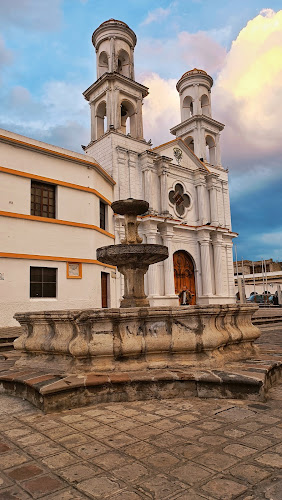
Iglesia De Santo Domingo
About Iglesia De Santo Domingo
Description
Let’s get this out of the way: I’ve seen my fair share of churches, but Iglesia De Santo Domingo in Latacunga, Ecuador really stands on its own, no contest. At first glance, this Catholic church might seem like just another historic building, but beneath that classic façade—those stark white walls and the iconic twin bell towers—you’ll find stories, quirks, and little bursts of life that keep folks (tourists and locals alike) coming back for more. I remember wandering up to the entrance, expecting to just snap a couple photos and dash off for coffee, but somehow I ended up sticking around for over an hour, entranced by the way sunlight filters through the stained glass, throwing jewel-toned puddles on the ancient tile floor. And don’t even get me started on the woodwork inside—real craft. No two pews are alike if you take a closer look.
There’s history baked into every stone, too. Locals whispered that during old festivals, whole families would gather right out front, trading laughter and stories after Sunday mass. That tradition still lingers today—the church square isn’t just a place for worship, but a meeting point of past and present, hope and memory. And if you’re nosy like me, ask around about the secret legends of Latacunga; some say there’s more to the church’s foundation than meets the eye. What I loved most was the vibe—yes, impressive architecture, but never so stuffy that you feel out of place. Whether you’re spiritual, a history buff, or just in for the prettiness, this place gets under your skin in the best way.
It’s worth mentioning, too, that Iglesia De Santo Domingo is actively part of its community. I noticed locals using its recycling point (yep: they accept clothing for recycling—how’s that for progressive, huh?) and making use of the wheelchair-accessible entrance. The church manages to be welcoming to all without making a big song and dance about it. Subtle solidarity, not standing on ceremony.
Key Features
- Historic colonial architecture: Ornate stonework, intricate wooden interiors, and tall bell towers that dominate the cityscape. Each detail has a story… or three.
- Stained glass windows: If you visit midday, you’ll be treated to a light show right on the floor. The colors—honestly, I’ve never seen blue quite like that before.
- Strong community presence: Locals come here not just for mass but as a gathering spot for all sorts of events—from lively religious festivals to the quieter moments of day-to-day life.
- Clothing recycling drop-off: A somewhat rare amenity at historical sites, this helps travelers lighten their load for the rest of their journey (or maybe just do a little good on the way).
- Wheelchair accessible entrance: No steps or narrow doors barring your way, which is more than you can say for too many old churches in South America.
- Scenic plaza views: Peek out from the church and take in the bustle of Latacunga’s central streets—peek-a-boo moments with flower vendors, buskers, and families out for an ice cream.
- Atmospheric interior: Cool shade, candle-scented air, comforting echo—whether for prayer or reflection, or just hiding from the midday sun, it’s a lovely slice of calm.
Best Time to Visit
Okay, let’s be real. Ecuador sits right on the equator, so you don’t get dramatic seasonal changes, but that’s good news for travelers: you can’t really time it wrong. That said, Latacunga does have its dry and wet phases—visit between June and September if you fancy the lowest odds of rain. I swung by in late August, and the afternoons were postcard-perfect, full of that pearly Andean light. But hear me out: the real magic hits during local festivals. If your trip coincides with the Fiesta de la Mama Negra (usually in September and November), you’re in for a mad, colorful dose of local tradition—some of it spills right onto the church steps, transforming the plaza into a whirlwind of costumes, food, and dancing.
If you’re the contemplative type (or just want to avoid crowds), a weekday morning is your best bet. You’ll have more space to yourself and a better chance of chatting up a kind church caretaker or two. And sometimes midweek, the plaza hums with a quieter, more authentic energy—local teens sharing snacks, old friends arguing about football scores, and the odd street vendor selling warm empanadas. Bring an appetite and an open mind whenever you drop by.
How to Get There
Now, getting to Iglesia De Santo Domingo isn’t hard—after all, it sits smack-dab in the center of Latacunga, and the city isn’t the type where you get hopelessly lost (unless you’re me ignoring Google Maps and chasing street art). Quick tip: most travelers arrive in Latacunga by bus from Quito or Ambato—easy, cheap, and with some of those wild Andean switchback views that make your stomach drop and your camera finger trigger-happy. The main bus terminal is a quick taxi or a brisk walk away from the church. If you’ve got your luggage, spring for the cab—it won’t break the bank and, trust me, rolling a suitcase over cobblestones is not as romantic as it sounds.
For the old-school adventurers: Latacunga is walkable. Seriously, once you’re in the city center, just head toward the plaza with the white bell towers looming ever-present on the skyline. The streets are generally safe, and it’s kind of fun weaving through the local chaos—kids with schoolbooks, fruit stalls, shoeshiners, the works. If you’re using a rideshare app, plug in the name of the church and you’ll be dropped off right at the accessible entrance. Want to catch a bus? Just hop any central route heading for Parque Vicente León and hop off once the towers come into sight.
Tips for Visiting
Here’s where I spill the real beans, learned the hard way (and the slightly embarrassing way, but that’s for another day...).
- Dress appropriately: Modesty counts—men, leave the tank tops at home; women, maybe throw on a scarf or light sweater, especially during services. You’ll fit in better and avoid the delicate raised eyebrow from the abuelita at the door.
- Photography etiquette: Photos are usually fine, but it’s good manners to hold back during mass and when services are happening. No one likes a tourist with a noisy shutter when they’re deep in prayer.
- Try the recycling point: If your backpack’s stuffed and you can spare an old shirt, toss it in the collection—it’s a little gesture, but hey, every bit helps.
- Accessibility: Take advantage of the wheelchair-friendly entrance if you need it; it’s wide and ramped, perfect for wheelchairs or strollers (I wish more historic places did this!).
- Watch your step: Those beautiful old tiles? Gorgeous, yes, but can be slippery when wet. And I mean, really slippery. Trust me, my sneaker nearly did an accidental cha-cha one drizzly morning.
- Mind the crowds: Big festival? Amazing energy, but also means more people. If crowds aren’t your jam, visit early (before 10 a.m.) or late afternoon when things mellow out.
- Open hours: They can change with church events—I once got locked out and ended up having a lovely chat (as well as some mystery cookies) with a local family while waiting for the afternoon reopening. If you can, double-check at your hotel or ask friendly locals.
- Soak in the plaza scene: Don’t rush. Buy a snack, people-watch, or sketch the view—the plaza life here is half the fun and all the flavor.
Final thought? Bring curiosity and a sense of respect. This place isn’t just beautiful—it’s living, breathing, a little rough around the edges, and richer for it. If you’ve got a wandering heart and a good pair of shoes, Iglesia De Santo Domingo is a gem you’ll remember long after you’ve moved on to the next stop on your Ecuadorian adventure. And who knows—maybe you’ll end up lingering on those plaza steps, caught up in the same magic I found.
Key Features
- Key Features
- Best Time to Visit
- How to Get There
- Tips for Visiting
More Details
Updated June 9, 2025
Table of Contents
Description
Let’s get this out of the way: I’ve seen my fair share of churches, but Iglesia De Santo Domingo in Latacunga, Ecuador really stands on its own, no contest. At first glance, this Catholic church might seem like just another historic building, but beneath that classic façade—those stark white walls and the iconic twin bell towers—you’ll find stories, quirks, and little bursts of life that keep folks (tourists and locals alike) coming back for more. I remember wandering up to the entrance, expecting to just snap a couple photos and dash off for coffee, but somehow I ended up sticking around for over an hour, entranced by the way sunlight filters through the stained glass, throwing jewel-toned puddles on the ancient tile floor. And don’t even get me started on the woodwork inside—real craft. No two pews are alike if you take a closer look.
There’s history baked into every stone, too. Locals whispered that during old festivals, whole families would gather right out front, trading laughter and stories after Sunday mass. That tradition still lingers today—the church square isn’t just a place for worship, but a meeting point of past and present, hope and memory. And if you’re nosy like me, ask around about the secret legends of Latacunga; some say there’s more to the church’s foundation than meets the eye. What I loved most was the vibe—yes, impressive architecture, but never so stuffy that you feel out of place. Whether you’re spiritual, a history buff, or just in for the prettiness, this place gets under your skin in the best way.
It’s worth mentioning, too, that Iglesia De Santo Domingo is actively part of its community. I noticed locals using its recycling point (yep: they accept clothing for recycling—how’s that for progressive, huh?) and making use of the wheelchair-accessible entrance. The church manages to be welcoming to all without making a big song and dance about it. Subtle solidarity, not standing on ceremony.
Key Features
- Historic colonial architecture: Ornate stonework, intricate wooden interiors, and tall bell towers that dominate the cityscape. Each detail has a story… or three.
- Stained glass windows: If you visit midday, you’ll be treated to a light show right on the floor. The colors—honestly, I’ve never seen blue quite like that before.
- Strong community presence: Locals come here not just for mass but as a gathering spot for all sorts of events—from lively religious festivals to the quieter moments of day-to-day life.
- Clothing recycling drop-off: A somewhat rare amenity at historical sites, this helps travelers lighten their load for the rest of their journey (or maybe just do a little good on the way).
- Wheelchair accessible entrance: No steps or narrow doors barring your way, which is more than you can say for too many old churches in South America.
- Scenic plaza views: Peek out from the church and take in the bustle of Latacunga’s central streets—peek-a-boo moments with flower vendors, buskers, and families out for an ice cream.
- Atmospheric interior: Cool shade, candle-scented air, comforting echo—whether for prayer or reflection, or just hiding from the midday sun, it’s a lovely slice of calm.
Best Time to Visit
Okay, let’s be real. Ecuador sits right on the equator, so you don’t get dramatic seasonal changes, but that’s good news for travelers: you can’t really time it wrong. That said, Latacunga does have its dry and wet phases—visit between June and September if you fancy the lowest odds of rain. I swung by in late August, and the afternoons were postcard-perfect, full of that pearly Andean light. But hear me out: the real magic hits during local festivals. If your trip coincides with the Fiesta de la Mama Negra (usually in September and November), you’re in for a mad, colorful dose of local tradition—some of it spills right onto the church steps, transforming the plaza into a whirlwind of costumes, food, and dancing.
If you’re the contemplative type (or just want to avoid crowds), a weekday morning is your best bet. You’ll have more space to yourself and a better chance of chatting up a kind church caretaker or two. And sometimes midweek, the plaza hums with a quieter, more authentic energy—local teens sharing snacks, old friends arguing about football scores, and the odd street vendor selling warm empanadas. Bring an appetite and an open mind whenever you drop by.
How to Get There
Now, getting to Iglesia De Santo Domingo isn’t hard—after all, it sits smack-dab in the center of Latacunga, and the city isn’t the type where you get hopelessly lost (unless you’re me ignoring Google Maps and chasing street art). Quick tip: most travelers arrive in Latacunga by bus from Quito or Ambato—easy, cheap, and with some of those wild Andean switchback views that make your stomach drop and your camera finger trigger-happy. The main bus terminal is a quick taxi or a brisk walk away from the church. If you’ve got your luggage, spring for the cab—it won’t break the bank and, trust me, rolling a suitcase over cobblestones is not as romantic as it sounds.
For the old-school adventurers: Latacunga is walkable. Seriously, once you’re in the city center, just head toward the plaza with the white bell towers looming ever-present on the skyline. The streets are generally safe, and it’s kind of fun weaving through the local chaos—kids with schoolbooks, fruit stalls, shoeshiners, the works. If you’re using a rideshare app, plug in the name of the church and you’ll be dropped off right at the accessible entrance. Want to catch a bus? Just hop any central route heading for Parque Vicente León and hop off once the towers come into sight.
Tips for Visiting
Here’s where I spill the real beans, learned the hard way (and the slightly embarrassing way, but that’s for another day…).
- Dress appropriately: Modesty counts—men, leave the tank tops at home; women, maybe throw on a scarf or light sweater, especially during services. You’ll fit in better and avoid the delicate raised eyebrow from the abuelita at the door.
- Photography etiquette: Photos are usually fine, but it’s good manners to hold back during mass and when services are happening. No one likes a tourist with a noisy shutter when they’re deep in prayer.
- Try the recycling point: If your backpack’s stuffed and you can spare an old shirt, toss it in the collection—it’s a little gesture, but hey, every bit helps.
- Accessibility: Take advantage of the wheelchair-friendly entrance if you need it; it’s wide and ramped, perfect for wheelchairs or strollers (I wish more historic places did this!).
- Watch your step: Those beautiful old tiles? Gorgeous, yes, but can be slippery when wet. And I mean, really slippery. Trust me, my sneaker nearly did an accidental cha-cha one drizzly morning.
- Mind the crowds: Big festival? Amazing energy, but also means more people. If crowds aren’t your jam, visit early (before 10 a.m.) or late afternoon when things mellow out.
- Open hours: They can change with church events—I once got locked out and ended up having a lovely chat (as well as some mystery cookies) with a local family while waiting for the afternoon reopening. If you can, double-check at your hotel or ask friendly locals.
- Soak in the plaza scene: Don’t rush. Buy a snack, people-watch, or sketch the view—the plaza life here is half the fun and all the flavor.
Final thought? Bring curiosity and a sense of respect. This place isn’t just beautiful—it’s living, breathing, a little rough around the edges, and richer for it. If you’ve got a wandering heart and a good pair of shoes, Iglesia De Santo Domingo is a gem you’ll remember long after you’ve moved on to the next stop on your Ecuadorian adventure. And who knows—maybe you’ll end up lingering on those plaza steps, caught up in the same magic I found.
Key Highlights
- Key Features
- Best Time to Visit
- How to Get There
- Tips for Visiting
Location
Places to Stay Near Iglesia De Santo Domingo
Find and Book a Tour
Explore More Travel Guides
No reviews found! Be the first to review!
Traveler Reviews for Iglesia De Santo Domingo
There are no reviews yet. Be the first one to write one.
Have you visited Iglesia De Santo Domingo? Help other travelers by sharing your review.
You Might Also Like
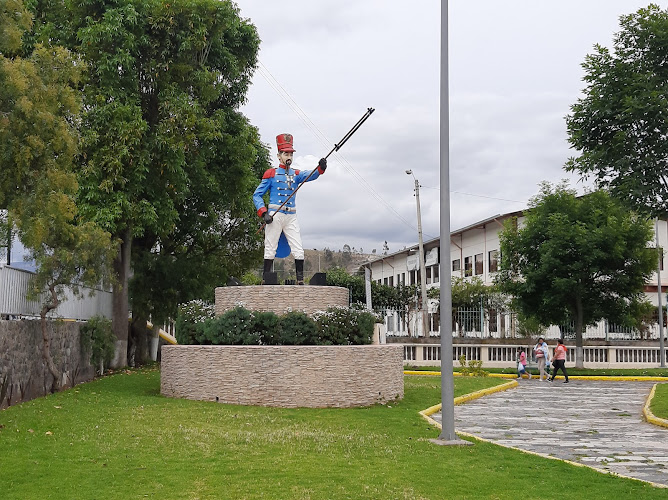
Parque Las Réplicas
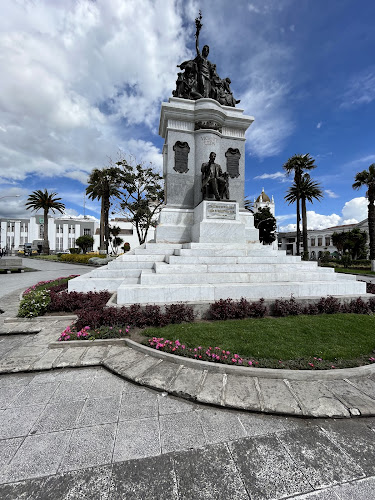
Vicente Leon Park
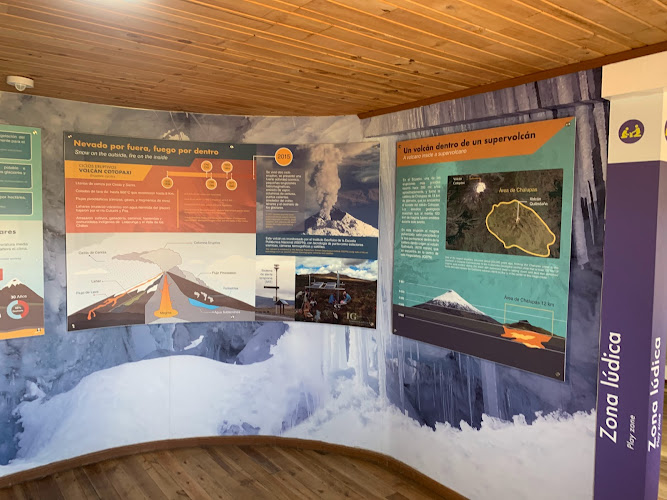
Cotopaxi Visitors Center
Find Accommodations Nearby
Recommended Tours & Activities
Visitor Reviews
There are no reviews yet. Be the first one to write one.
Share Your Experience
Have you visited Iglesia De Santo Domingo? Help other travelers by leaving a review.