
Iglesia de San Lucas
About Iglesia de San Lucas
Key Features
More Details
Updated April 15, 2024
## Iglesia de San Lucas (Colán, Paita Province): what it is, why it matters, and how to visit respectfully
If you’re plotting a north-coast Peru route through Piura Region, Iglesia de San Lucas is one of those stops that changes the tone of a trip. Not because it’s flashy, but because it forces you to recalibrate your timeline. This church is in Colán (district capital), in Paita Province, Piura Department, and its construction is widely dated to the 16th century, with work reported as starting in 1535—a reason it’s often discussed among the oldest surviving churches in South America.
### Quick facts (grounded in published sources)
– Name: Iglesia de San Lucas (Colán)
– Where: Colán, Province of Paita, Department of Piura, Peru
– Coordinates (from your dataset): -5.0072846, -81.0576382 (points you to Colán area near the coast)
– Historical framing: construction said to begin in 1535; frequently described as among the oldest conserved in South America
– Heritage status: declared Monumento Histórico Nacional (National Historical Monument) in January 1983
—
## First: a small but important data correction (so your post stays accurate)
Your input lists city = “Paita.” In practice, the church is in Colán, which is within Paita Province (so “Paita” can be correct at the province level, but not as the locality). If you label it as “Paita city,” readers may end up navigating to the wrong place. Wikipedia and local writeups consistently describe the church as located in Colán (district capital).
Recommendation for your metadata:
– Keep: Province/administrative area = Paita
– Set: Locality / town = Colán (often “San Lucas de Colán” appears in tourism contexts)
—
## Why Iglesia de San Lucas is historically significant (without myth-making)
A lot of online descriptions drift into “first this” and “oldest that” without carefully defining the claim. The safest way to present it is:
1. It’s a very early colonial-era Catholic church on Peru’s northern coast, located in Colán.
2. Construction is commonly dated to 1535, which explains why it’s repeatedly framed as one of the oldest surviving churches in South America.
3. It’s also described as being built over a pre-Hispanic sacred site, associated in sources with the Tallán cultural context. This matters because it reflects a broader colonial pattern: new sacred architecture placed on earlier ceremonial ground.
When you write this section, keep the language precise:
– Say “construction is commonly dated to…” rather than asserting absolute primacy claims you can’t fully verify from primary documentation in-hand.
– If you mention “first church on the South Pacific coast,” attribute it as “often described as…” and cite a reputable outlet covering that framing.
—
## What you’ll notice on-site (practical, observable details)
Even if you’re not doing a deep architecture read, there are a few elements that help visitors understand what they’re seeing:
– Material and structure notes commonly referenced include a stone base and interior wood elements; Wikipedia mentions limestone and four turned wooden columns.
– The building is frequently discussed as “antigua” (old/aged), and visitors sometimes note visible wear—so your article can advise readers to move carefully and respect any restricted areas, especially if preservation work is underway.
If you want a safe, factual “what it feels like” paragraph without guessing details:
– Emphasize the scale (not a mega-cathedral), the coastal setting, and the sense of layered history implied by the site’s timeline and heritage designation. Keep it grounded in what sources say about its age and cultural placement.
—
## How to get there (and what to combine it with)
Most travelers approach Colán as part of a Piura-region coastal loop.
– Colán is in Paita Province, and it’s often visited in connection with beach time in Colán (you’ll see “Colán Beach” paired with the church in travel listings).
– If you’re coming from Piura city or Paita, treat the church as a short cultural stop that pairs well with a slower beach day rather than a rushed drive-by.
Planning tip that helps real people:
– If you’re relying on mobile data, preload the map pin (or save the Plus Code / coordinates) before you leave a major town—coverage can be inconsistent on coastal stretches.
—
## Visiting etiquette (inclusive, respectful, and still practical)
This is a functioning religious site for Catholics and a heritage site for everyone. The best travel writing here is direct and non-judgmental:
– Dress: Aim for respectful coverage (shoulders and longer shorts/skirts) if you plan to enter.
– Photography: Don’t assume photos are allowed everywhere—look for signage, and avoid photographing people at prayer without explicit consent.
– Accessibility: Older historic buildings can have uneven floors or steps; if anyone in your group has mobility considerations, frame it honestly: “expect heritage-site constraints” rather than promising accessibility you can’t verify from current on-the-ground info.
—
## What might be outdated (and how to flag it cleanly)
Some listings claim opening hours, phone numbers, or official websites—others explicitly say they don’t have that information yet.
Because hours and access can change due to services, local events, or conservation work, the safest editorial approach is:
– Do not publish specific opening hours unless you have a current official source.
– Add a “Before you go” line: “Hours can vary; consider checking locally in Colán or asking your accommodation.”
That keeps you accurate and reader-helpful without inventing details.
—
## Two contextual internal links (safe “if you have them” options)
You asked for two internal links “if possible.” Since I can’t confirm your exact RealJourneyTravels.com URL structure from the info provided, here are two internal-link placements you can attach to existing pages in your system:
1. Piura Region guide (anchor suggestion: “Piura Region travel guide”) — use this in the “How to get there” section.
2. Paita guide or beaches near Colán (anchor suggestion: “Paita Province & Colán beach logistics”) — use this right after the “combine it with beach time” paragraph.
If you share your preferred destination slug pattern (e.g., /destinations/peru/piura/), I can output the exact URLs in-line.
—
## Suggested SEO angles and semantic keywords (no stuffing)
Use these naturally in headings and descriptive sentences:
– San Lucas de Colán, Colán Peru, Paita Province, Piura Region, historic church, colonial-era church, National Historical Monument (Peru), religious heritage site, north coast Peru
—
## Source-backed blurb you can reuse as a “TL;DR” in your intro
Iglesia de San Lucas is a Catholic church in Colán (Paita Province, Piura) commonly dated to 1535 and designated a National Historical Monument in 1983—an essential stop if you care about early colonial history on Peru’s northern coast.
Table of Contents
Key Highlights
Iglesia de San Lucas
Location
Places to Stay Near Iglesia de San Lucas
Find and Book a Tour
Explore More Travel Guides
No reviews found! Be the first to review!
Traveler Reviews for Iglesia de San Lucas
There are no reviews yet. Be the first one to write one.
Have you visited Iglesia de San Lucas? Help other travelers by sharing your review.
You Might Also Like
tongo Park
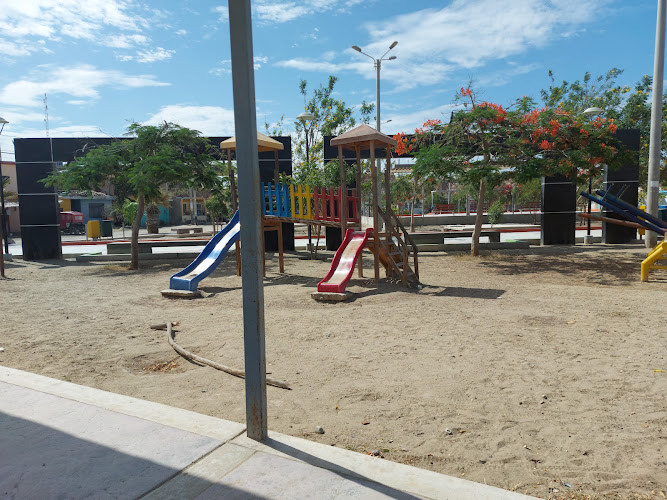
Quiñones Paita Park
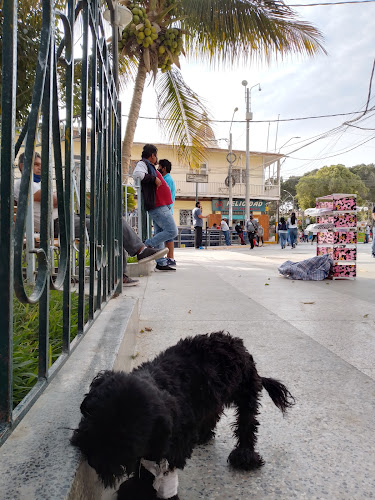
CENTRAL DE PAITA Park
Find Accommodations Nearby
Recommended Tours & Activities
Visitor Reviews
There are no reviews yet. Be the first one to write one.
Share Your Experience
Have you visited Iglesia de San Lucas? Help other travelers by leaving a review.