
Iglesia de San Lorenzo
About Iglesia de San Lorenzo
Key Features
More Details
Updated April 15, 2024
Fotos de las Iglesias de Pamplona – Navarra – España
## Iglesia de San Lorenzo (Pamplona): what to see, why it matters, and how to visit well
Iglesia de San Lorenzo sits on Calle Mayor, 74 (31001 Pamplona-Iruña), right on the edge of Pamplona’s Casco Antiguo.
If you’re choosing one church to step into in Pamplona, San Lorenzo earns its spot because it contains the Chapel of San Fermín—the city’s key devotional focal point during the San Fermín festivities.
### Quick facts (verified)
– Name: Iglesia de San Lorenzo / Parroquia San Lorenzo
– Address: C/ Mayor, 74, 31001 Pamplona-Iruña
– What it’s best known for: Capilla de San Fermín inside the church
– Chapel visiting hours (commonly published): 08:30–12:30 and 17:30–20:30 (daily/holidays)
– Coordinates (from your dataset): 42.8169033, -1.6491471
– Rating (from your dataset): 4.6 — ratings change; treat as time-sensitive, not a fixed fact.
> Outdated-data flag: Opening hours and access rules can change around services, weddings, and festival days. The sources above publish a consistent schedule, but always double-check close to your visit.
—
## Why San Lorenzo is different from “just another church stop”
San Lorenzo’s significance in Pamplona isn’t abstract—it’s calendar-driven. The Chapel of San Fermín is where the city’s religious observances gather momentum during the festival period, and official tourism information specifically notes the chapel’s role and what happens to the saint’s image during the celebrations.
Inside the chapel, you’ll find a much-venerated half-length sculpture of San Fermín, described by Pamplona’s official tourism site as polychrome wood with silver trim, dated to the late 15th century.
That same official source also states the image was placed on the altar on 6 July 1717, and that it leaves the chapel only once a year—7 July—for the main procession.
Bottom line: if your Pamplona trip touches early July—or you’re trying to understand why the city’s geography revolves around San Fermín—San Lorenzo is a high-signal visit.
—
## The Chapel of San Fermín: what to look for (and what you’re actually seeing)
The chapel is not just “adjacent.” It’s a purpose-built devotional space attached to the parish church, and the city’s official tourism page gives unusually precise dates: the chapel was built between 1696 and 1717.
An academic program page from the University of Navarra also frames that same construction window as an ~21-year process beginning with the first stone on 29 August 1696 and culminating with the enthronement of the image on 7 July 1717. of Navarra
### How to experience it in 10 minutes (without rushing it)
– Enter and pause before moving right: the chapel is positioned to the right as you enter, per the city tourism description.
– Go straight to the altar sightline: you’re here for the San Fermín image and the setting built to “house” it.
– Look for visual cues of periodic ceremony: the image’s annual removal for the procession is part of why the space feels “ready” for ritual, not just daily prayer.
—
## When to visit (timing that actually improves the experience)
### Best time of day
If you want quiet, aim for the earlier part of the published morning window. The chapel schedule is widely stated as 08:30–12:30 and 17:30–20:30.
### Best time of year
– Early July: If you’re in Pamplona for San Fermín, this is the spiritual anchor point the festival keeps referencing. The city tourism page explicitly ties the image’s movement to the 7 July procession.
– Outside festival season: You’ll typically get more space and time to look carefully, but services and parish events can still affect access.
—
## Practical visiting notes (access, etiquette, and friction reducers)
### Entry and cost
Official visitor info for the chapel is commonly presented as free entry / open visit, alongside the published hours. Pamplona
### Accessibility
A Pamplona visitor site explicitly states the site is accessible for people with reduced mobility. Pamplona
As always with historic churches, accessibility can vary by exact doorway/threshold and by what areas are open that day—so treat this as “aimed to be accessible,” not a guarantee of every corner.
### Behavior that keeps you from feeling intrusive
– If a service is underway, stand at the back and keep movement minimal (standard church etiquette).
– Keep your voice low; don’t block anyone approaching the chapel altar.
– If photography is allowed at that moment, avoid flash and avoid photographing people at prayer.
> I’m not claiming a specific photography policy because I didn’t find an authoritative “yes/no” rule in the official sources above—policies can change, and churches often decide day-by-day.
—
## A short “what else is nearby” walk plan
San Lorenzo is positioned on Calle Mayor, which makes it easy to connect with a Casco Antiguo walk.
A clean, low-effort route is:
1. Start at San Lorenzo (chapel first).
2. Continue along Calle Mayor into the Old Town core.
3. Use the area around the old town for pintxos/coffee once you’ve done the quiet interior visit.
(That route is practical guidance rather than a claim about an official itinerary.)
—
## Suggested internal links (site-dependent, contextual)
You asked for two internal links “if possible,” but I can’t verify your RealJourneyTravels.com URL structure from the information provided. Here are contextual internal-link placements you can map to your existing slugs:
– “Best things to do in Pamplona (Old Town walking route)” — place after the intro paragraph when you mention Casco Antiguo.
– “San Fermín festival guide (history, dates, procession etiquette)” — place in the section explaining the image leaving the chapel on 7 July.
If you paste your Pamplona hub URL(s), I can convert these into exact anchors that match your taxonomy.
—
## What I’m deliberately not asserting (to keep this 100% factual)
– Exact architectural style of the entire church building (sources discuss the chapel clearly; broader descriptions vary by source quality).
– Exact build dates for the full church structure beyond what’s tied to the chapel and parish listings.
– Guaranteed photo rules, queue behavior, or current crowd levels.
—
## Visitor checklist (copy/paste)
– Confirm chapel hours close to your visit date (especially around July).
– Go first thing in the morning window if you want calm.
– Enter, turn right, and prioritize the chapel altar sightline.
– If you’re in town on 7 July, know the image’s procession connection is explicitly documented.
If you want, paste the RealJourneyTravels.com Pamplona category URL (or your preferred internal slugs), and I’ll output a fully publish-ready article version with the two internal links inserted cleanly in-context.
Table of Contents
Key Highlights
Iglesia de San Lorenzo
Location
Places to Stay Near Iglesia de San Lorenzo
Find and Book a Tour
Explore More Travel Guides
No reviews found! Be the first to review!
Traveler Reviews for Iglesia de San Lorenzo
There are no reviews yet. Be the first one to write one.
Have you visited Iglesia de San Lorenzo? Help other travelers by sharing your review.
You Might Also Like

Museum of Navarre
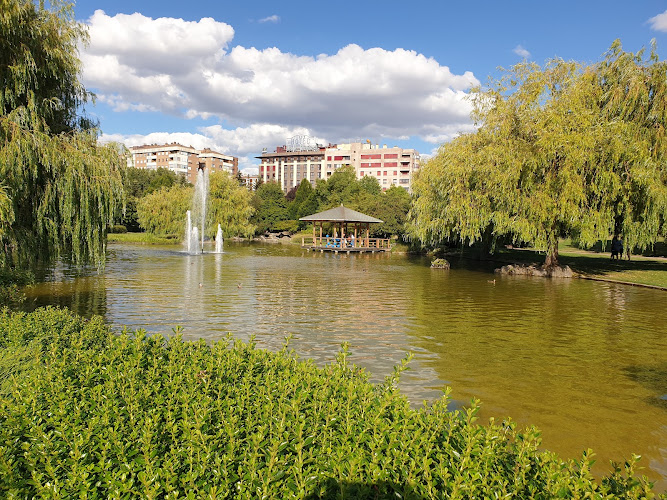
Parque yamaguchi
Cuenta Atrás San Fermin
Find Accommodations Nearby
Recommended Tours & Activities
Visitor Reviews
There are no reviews yet. Be the first one to write one.
Share Your Experience
Have you visited Iglesia de San Lorenzo? Help other travelers by leaving a review.