Description
Visitors will find rotating photography shows and contemporary art exhibitions that often spotlight both Spanish and international voices. Curators favor series that provoke questions about history, identity, and daily life, and the staging is usually clean and considered. The museum also programs music, dance and theater performances in adjacent spaces, making it possible to pair a daytime gallery walkthrough with an evening show. That mix gives the place a lively heartbeat across seasons.
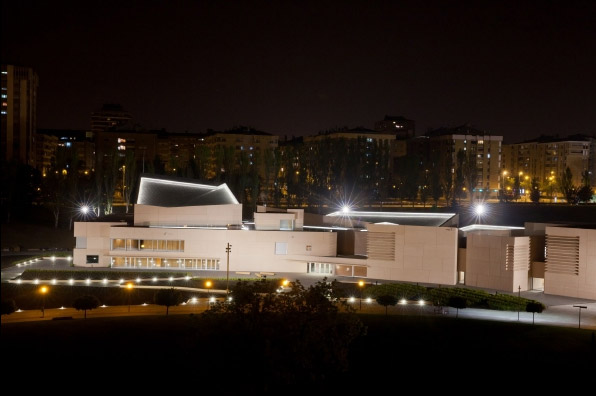
The building itself is pragmatic and modern; it doesn’t shout for attention and that’s part of its charm. Natural light and uncluttered galleries make it easy to take one’s time. The onsite restaurant and free parking make logistics simpler — which, if one is honest, can make or break a cultural day trip. For families, there are kid-friendly exhibitions and accessible routes throughout, so it’s not just for serious art students. Expect thoughtful signage, clear pathways, and staff who generally help without hovering.
Not every visit will feel perfect. Some exhibitions attract strong praise while others divide opinion. That’s okay — variety is part of the point. The museum tends to appeal to visitors who enjoy slow-looking and thoughtful programming rather than blockbuster spectacle. Photographers and lovers of contemporary art will likely linger longer; others might stop by for the live events. Either way, the experience is often seen as a high-quality, well-run cultural stop on a Pamplona itinerary.
Best Time to Visit
The best time to visit depends on what kind of experience a visitor is after. For quiet gallery time, weekday mornings — right after opening — are ideal. The light in the galleries around mid-morning is often particularly flattering for photography displays. If someone prefers a more social scene, Saturday afternoons and early evenings align with popular performance nights and attract a local crowd post-work. And if there’s a specific temporary exhibition or a performance by a visiting ensemble, those dates fill up quickly, so booking ahead really does help.
Seasonal notes: spring and autumn are the sweet spots. The campus is livelier then, but not overwhelmingly crowded. Summer can be quieter in Pamplona overall because many students and locals travel, and that means easier parking and less queuing. Winter brings shorter daylight hours which change how certain installations read, sometimes revealing new subtleties. So, the experience shifts subtly with the calendar — in other words, every season has its perks.
How to Get There
The University Museum of Navarra sits within the university campus, making it straightforward to reach whether arriving by car, public transport, or on foot from nearby neighborhoods. Drivers will appreciate the free parking lot; spots are usually available, though they can fill during evening performances or major exhibitions. For that reason, arriving early is a smart move on busy days.
Public transport to the campus is frequent from Pamplona city center. Buses that serve the university route stop within a short walk of the museum, and the trip from the center typically takes under 20 minutes depending on traffic. Walking from central Pamplona is doable if one enjoys a 25–35 minute stroll, and that walk is pleasant if the weather cooperates. Cyclists will find the campus bike-friendly, and there’s space to secure a bicycle near the museum entrance.
For travelers coming from outside Pamplona, the city’s train and bus stations link well with local buses to the university campus. Taxi and rideshare options are reliable and drop-off points near the museum are convenient if one prefers door-to-door travel. International visitors coming by car should note that driving regulations and parking signage in Navarra are clear, but it’s worth keeping local driving norms in mind, especially around university bustle times.
Tips for Visiting
Buy tickets in advance for popular shows and exhibitions. The museum encourages advance booking for major exhibitions and for live performances. It’s not always mandatory, but when a new photography retrospective or a visiting theater company is scheduled, spaces can fill faster than anticipated. Booking ahead saves disappointment — and time. This is one of those places where planning a little reduces stress and increases enjoyment.
Arrive with time to spare. The onsite restaurant is a low-pressure spot to reflect on what one has seen, and the museum’s layout rewards slow exploration. A rushed visit rarely does justice to the photography series and installations on display. If one has an hour, it’s best used sitting with a single room rather than darting through everything. The museum’s programming often invites more than a glance.
Accessibility really works here. Wheelchair users and those with mobility concerns will find a thoughtful approach to access. A visitor who needs assistance should feel comfortable asking staff — they usually provide helpful directions and can point out quieter routes through the galleries. Families with small children will also find facilities that accommodate stroller access and restroom needs.
Expect mixed reception across exhibitions. The museum curates a range of shows: some will impress deeply, others might feel experimental, and a handful might not land with every viewer. That diversity is part of its mission. The best strategy is to read a little about current shows before visiting and decide whether the themes sound appealing. If a show seems like it might be challenging, treat it as an opportunity rather than a problem. Sometimes the oddest show sparks the most interesting conversations on the walk home.
Photography rules vary. Many exhibitions will allow non-flash photography for personal use, but some installations and live performances ban photos entirely. The museum posts clear signage, and staff will kindly remind visitors of restrictions. When in doubt, ask. It’s better to ask once than to be shushed mid-shot.
Combine a gallery visit with a performance for a fuller experience. The on-campus programming often synchronizes exhibitions and live events thematically; pairing the two can create a richer, layered day. Check the calendar in advance and book performance tickets early if the pairing matters to you. Also — this is a tiny, personal tip — bringing a small notebook to jot down a few impressions can turn a casual visit into a memorable one. The writer (a habitual scribbler) still has notes from a late-afternoon photo show that sparked an idea months later.
Keep an eye on temporary exhibitions. While the museum maintains a steady program of contemporary photography and art, it also hosts special shows that rarely return. If there’s a particular photographer or curator on the docket, don’t procrastinate. Those one-off shows tend to be the ones that locals remember for years.
Finally, be mindful of timing if visiting with children. The museum is kid-friendly, but very young children may not sit through a performance. The museum’s family-oriented days and workshops, when available, are better bets for a multi-generational outing. And if you or your group prefer an informative visit, guided tours can add context and provoke questions that enhance the visit. They’re not always available, but when they are, they’re worth considering.
All in all, the University Museum of Navarra is a thoughtfully run cultural hub on Pamplona’s university grounds that rewards curiosity and patience. It isn’t trying to be the loudest or the flashiest museum in the region; instead it quietly gives space for contemporary artists, photographers and performers to experiment, and for visitors to respond. That low-key confidence is part of its appeal. If planning a cultural stop in Pamplona, allot enough time, check the program, and go with a curiosity about contemporary artistic practice — chances are good the visit will be unexpectedly worthwhile.
 Real Journey Travels