
Iglesia de San Blas
About Iglesia de San Blas
Key Features
More Details
Updated April 16, 2024
Iglesia de San Blas (church) – Caminos de Pasión – Un viaje apasionante …
## Iglesia de San Blas (Carmona, Sevilla): what it is, why it matters, and what to look for
– Name: Iglesia de San Blas
– Town: Carmona (Province of Seville, Andalusia, Spain)
– Address (as provided): C. Saltillo, 1D, 41410 Carmona, Sevilla, España
– Coordinates (as provided): 37.4752253, -5.6401924
This church sits in Carmona’s historic Jewish quarter area (“judería”) and is presented by local tourism sources as one of the city’s notable heritage churches. Turismo
### Jump to a section
– Where the church sits in Carmona
– A quick timeline of the building
– What to notice inside: vaults, retable, chapel
– Details people miss: doors and sacristy objects
– Why it’s worth the stop in a Carmona itinerary
– Visitor info and what may go out of date
—
## Where the church sits in Carmona
Local Carmona tourism material places Iglesia de San Blas in the judería neighborhood, and notes it is close to the Palacio del Saltillo area. Turismo A separate regional heritage listing also frames it within Carmona (Seville, Andalusia). Film Commission
Because Carmona’s old town is dense and historically layered, sources sometimes describe the setting by small squares/streets (for example, “Plazuela de San Blas” in one heritage entry) rather than using one single postal-format address. de Pasión Your provided address and coordinates place it in the same San Blas/Jewish quarter zone.
—
## A quick timeline of the building
Multiple heritage/tourism sources agree on a multi-phase construction history:
– Initial construction begins under King Pedro I of Castile (Peter of Castile / Pedro I). de Pasión
– That early phase is described as making use of remains of an earlier synagogue. de Pasión
– A Mudéjar section is attributed to the 16th century in one detailed church description. de Pasión
– The building is described as remodelled in the 18th century, and the tower is associated with that later phase in at least one heritage description. de Pasión
– A Seville tourism page summarizes it as built in the first half of the 16th century and renovated in the 18th century. Sevilla
Taken together, the consistent picture is: late-medieval origins + 16th-century Mudéjar fabric + 18th-century Baroque-era updating, which is exactly the sort of “layer-cake” you expect in Carmona’s religious architecture. de Pasión
—
## What to notice inside: vaults, retable, chapel
### The nave vaulting (a structural “tell”)
Carmona tourism text describes a clear division in the ceiling treatments:
– Central nave: a half-barrel vault (“bóveda de medio cañón”)
– Side naves: groin vaults (“bóvedas de aristas”) Turismo
This matters because it helps you read the interior quickly: you’re looking at a space where later vaulting solutions sit over an older plan form.
### The main retable (altar screen)
Both the Carmona tourism description and the Caminos de Pasión entry highlight the main retable as a standout feature, described as Baroque in layout/design. Turismo
(Individual figures present on a retable can vary by how a source summarizes it; if you’re documenting iconography for publication, verify in-person or via an official catalog rather than relying on a single secondary summary.)
### The Gothic chapel (a surprising contrast)
One detailed description calls out a Gothic chapel built by Fernando Caro, with a sexpartite vault (a rib-vault pattern divided into six sections). de Pasión
That same source says the chapel displays Eslava Rubio’s “Jesus Christ of the Expiration” sculpture. de Pasión
If you enjoy reading churches as “styles in conversation,” this is one of the easiest places in San Blas to feel the shift between Gothic vocabulary and later updates.
—
## Details people miss: doors and sacristy objects
Two smaller-scale elements are explicitly highlighted in a heritage description and are worth looking for because they’re not always foregrounded in quick tourist visits:
– 16th-century doors with marquetry (inlaid woodwork). de Pasión
– An aquamanile in the sacristy (a vessel historically associated with handwashing in liturgical contexts). de Pasión
These are the kinds of details that reward a slower loop around the building rather than a straight walk to the main altar and back.
—
## Why it’s worth the stop in a Carmona itinerary
From an itinerary-planning point of view, Iglesia de San Blas is compelling for one core reason: it’s described across tourism/heritage sources as a church whose significance lies in how many periods it holds at once—from origins tied to Pedro I and synagogue remains, through Mudéjar and later 18th-century interventions, plus a Gothic chapel feature called out as notable. de Pasión
That makes it a strong complement to Carmona’s broader historic center experience, especially if your goal is to understand Carmona as more than a single “style” town.
—
## Visitor info and what may go out of date
– Opening hours, access, and liturgical schedules can change (seasonally, around services, or for local events). For the most stable starting point, Carmona’s official tourism page for the church is the right reference to check close to your visit. Turismo
– If you’re building publish-ready content that includes practical visiting logistics, treat times and special openings as date-stamped information and re-verify before publishing (even if a post elsewhere lists specifics), because these details are inherently time-sensitive. Turismo
Table of Contents
Key Highlights
Iglesia de San Blas
Location
Places to Stay Near Iglesia de San Blas
Find and Book a Tour
Explore More Travel Guides
No reviews found! Be the first to review!
Traveler Reviews for Iglesia de San Blas
There are no reviews yet. Be the first one to write one.
Have you visited Iglesia de San Blas? Help other travelers by sharing your review.
You Might Also Like
Carmona Bike Tours
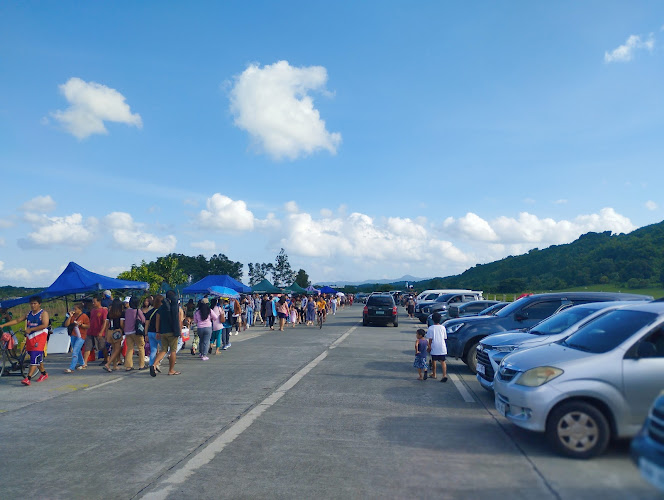
Davilan Food Park
Convento de las Descalzas
Find Accommodations Nearby
Recommended Tours & Activities
Visitor Reviews
There are no reviews yet. Be the first one to write one.
Share Your Experience
Have you visited Iglesia de San Blas? Help other travelers by leaving a review.