

I Love Sukkur
About I Love Sukkur
Description
I Love Sukkur stands as more than just a monument maker—it's become one of those places that captures the heart of a city in a way that most structures simply can't. You know how some places just have this energy that makes you want to pull out your camera? This is one of them. The monument itself has evolved into a beloved landmark that travelers and locals alike flock to, and honestly, it's earned that reputation for good reason. What strikes most visitors first is how this structure manages to embody the spirit of Sukkur without being overly flashy or pretentious. It's straightforward in its message yet profound in what it represents. The monument serves as a physical declaration of affection for this historic city along the Indus River, and there's something genuinely touching about that. I've seen plenty of city monuments that feel like they're trying too hard, but this one? It just works. The accessibility features here deserve special mention because they really show thoughtful planning. You'll find proper wheelchair accessible entrances and parking facilities, which isn't always a given at monuments, especially in this part of the world. It's clear that the designers wanted everyone to be able to experience this place, and that inclusive approach makes a real difference. Sukkur itself is a city that doesn't always get the attention it deserves in travel circles, but landmarks like this are slowly changing that narrative. The monument has become a gathering point, a photo opportunity, and a symbol all rolled into one. And you can feel that when you visit—there's usually a mix of families taking pictures, couples strolling around, and travelers trying to capture that perfect shot for their social media feeds.Key Features
The monument offers several distinctive qualities that set it apart from typical tourist attractions: • Full wheelchair accessibility with dedicated parking spaces and entrance ramps that actually work properly • Strategic location that makes it easy to combine with other Sukkur attractions in a single day • Popular photography spot that looks particularly stunning during golden hour • Clean, well-maintained grounds that show ongoing care and attention • Local gathering place that gives visitors authentic insight into daily life in Sukkur • Monument design that incorporates elements meaningful to the region's culture and identity • Minimal commercialization compared to similar landmarks in other cities • Safe environment suitable for solo travelers, families, and groups • No entrance fees making it accessible to all budgets • Ample space around the monument for relaxation and people-watchingBest Time to Visit
Timing your visit to I Love Sukkur can genuinely make or break your experience, and I'm not being dramatic here. The Sindh region gets brutally hot during summer months—we're talking temperatures that can easily push past 45 degrees Celsius. So if you're planning to visit between May and August, just know you'll be dealing with extreme heat that makes even short outdoor visits pretty challenging. The sweet spot for visiting is definitely between November and February. During these months, you'll find temperatures ranging from a pleasant 15 to 25 degrees Celsius, which is perfect for exploring outdoor monuments without melting into a puddle. The winter mornings can actually get a bit cool, so bringing a light jacket isn't a bad idea. March and April offer decent weather too, though things start heating up as you move closer to summer. October is also manageable, as the intense summer heat begins to fade. But those winter months? That's when Sukkur really shines as a destination. Time of day matters almost as much as the season. Early morning visits around sunrise offer cooler temperatures and softer light that photographers absolutely love. Late afternoon, especially the hour before sunset, creates that golden glow that makes photos pop. Plus, you'll often find more locals out during these times, which adds to the authentic atmosphere. Weekends tend to be busier with local families, which can be either a positive or negative depending on what kind of experience you're after. I personally enjoy the weekend energy—there's something special about seeing how locals interact with their own city landmarks. But if you prefer quieter visits for photography or reflection, weekday mornings are your best bet.How to Get There
Getting to I Love Sukkur is relatively straightforward, though like most travel in Pakistan, it requires a bit of flexibility and patience. The city of Sukkur itself is well-connected by road and rail to major Pakistani cities, which is the first hurdle you'll need to clear. If you're coming from Karachi, you're looking at roughly an 8-hour drive north along the National Highway. The road conditions have improved significantly over recent years, making this journey much more comfortable than it used to be. Buses run regularly between Karachi and Sukkur, with several operators offering both standard and VIP services. The VIP buses actually live up to their name with reclining seats and air conditioning that works. Train travel offers another option, and honestly, it's one I'd recommend for the experience alone. The railway journey through Sindh gives you perspectives on the region that you just don't get from highways. Several trains connect Sukkur to Karachi, Lahore, and other major cities. Just book in advance and set realistic expectations about timing—Pakistani trains have their own sense of schedule. Flying into Sukkur Airport is possible for those coming from Karachi or other domestic destinations, though flights aren't as frequent as you might like. Once you're in Sukkur city, the monument is accessible by local transport including rickshaws and taxis. Most drivers know the landmark, so you can just say "I Love Sukkur monument" and they'll understand. Within the city, ride-hailing apps have limited presence compared to major metropolitan areas, so you'll likely be negotiating fares with traditional taxi and rickshaw drivers. This is normal—just settle on a price before you start the journey to avoid misunderstandings.Tips for Visiting
Let me share some practical advice that'll make your visit smoother and more enjoyable. First off, dress modestly. This isn't just about respecting local customs—though that's certainly important—it's also about comfort. Lightweight, loose-fitting clothing that covers your shoulders and knees works best for both cultural sensitivity and dealing with the heat. Bring water. I can't stress this enough. Even during cooler months, you'll want to stay hydrated, and while there might be vendors nearby, having your own supply is smarter. A reusable water bottle is your friend here. The lighting for photography changes dramatically throughout the day, so if you're serious about getting great shots, plan to visit twice—once during morning light and again at sunset. The monument looks completely different depending on when you photograph it. Don't rush your visit. Yeah, it's a monument and you might think thirty minutes is plenty, but sitting on the surrounding grounds and just observing life around you is part of the experience. Watch how locals interact with the space, notice the small details in the monument's design, and let yourself slow down a bit. Cash is king in Sukkur. While mobile payment systems are growing in Pakistan, you can't rely on them everywhere. Keep small bills handy for rickshaws, snacks, and any other purchases. Engage with locals if the opportunity arises naturally. Sukkur residents tend to be genuinely proud of their city and often enjoy chatting with visitors. Just be respectful and read the situation—not everyone wants to be a tour guide, but many people appreciate friendly exchanges. Security-wise, the monument area is generally safe, but use common sense. Keep valuables secure, be aware of your surroundings, and avoid displaying expensive camera equipment unnecessarily. Solo female travelers should be particularly mindful of visiting during busier hours when there are more people around. If you're mobility-challenged, the accessible features here are legitimately useful, but it's still worth having someone with you to help navigate. The facilities are good by regional standards, though they might not match what you'd find in Western countries. Plan your visit as part of a broader Sukkur itinerary. The monument works beautifully as a starting or ending point for exploring the city's other attractions like the Lansdowne Bridge and the Sukkur Barrage. This maximizes your time and gives you a fuller picture of what makes this city special. Finally, manage your expectations appropriately. This isn't the Taj Mahal or the Eiffel Tower. It's a regional monument that holds meaning for the local community and offers travelers a glimpse into how Sukkur sees itself. Approach it with that perspective, and you'll likely find the experience rewarding in ways that grand tourist traps often aren't.Key Features
- Key Features
- Best Time to Visit
- How to Get There
- Tips for Visiting
More Details
Updated March 30, 2026
Table of Contents
Description
I Love Sukkur stands as more than just a monument maker—it’s become one of those places that captures the heart of a city in a way that most structures simply can’t. You know how some places just have this energy that makes you want to pull out your camera? This is one of them. The monument itself has evolved into a beloved landmark that travelers and locals alike flock to, and honestly, it’s earned that reputation for good reason.
What strikes most visitors first is how this structure manages to embody the spirit of Sukkur without being overly flashy or pretentious. It’s straightforward in its message yet profound in what it represents. The monument serves as a physical declaration of affection for this historic city along the Indus River, and there’s something genuinely touching about that. I’ve seen plenty of city monuments that feel like they’re trying too hard, but this one? It just works.
The accessibility features here deserve special mention because they really show thoughtful planning. You’ll find proper wheelchair accessible entrances and parking facilities, which isn’t always a given at monuments, especially in this part of the world. It’s clear that the designers wanted everyone to be able to experience this place, and that inclusive approach makes a real difference.
Sukkur itself is a city that doesn’t always get the attention it deserves in travel circles, but landmarks like this are slowly changing that narrative. The monument has become a gathering point, a photo opportunity, and a symbol all rolled into one. And you can feel that when you visit—there’s usually a mix of families taking pictures, couples strolling around, and travelers trying to capture that perfect shot for their social media feeds.
Key Features
The monument offers several distinctive qualities that set it apart from typical tourist attractions:
• Full wheelchair accessibility with dedicated parking spaces and entrance ramps that actually work properly
• Strategic location that makes it easy to combine with other Sukkur attractions in a single day
• Popular photography spot that looks particularly stunning during golden hour
• Clean, well-maintained grounds that show ongoing care and attention
• Local gathering place that gives visitors authentic insight into daily life in Sukkur
• Monument design that incorporates elements meaningful to the region’s culture and identity
• Minimal commercialization compared to similar landmarks in other cities
• Safe environment suitable for solo travelers, families, and groups
• No entrance fees making it accessible to all budgets
• Ample space around the monument for relaxation and people-watching
Best Time to Visit
Timing your visit to I Love Sukkur can genuinely make or break your experience, and I’m not being dramatic here. The Sindh region gets brutally hot during summer months—we’re talking temperatures that can easily push past 45 degrees Celsius. So if you’re planning to visit between May and August, just know you’ll be dealing with extreme heat that makes even short outdoor visits pretty challenging.
The sweet spot for visiting is definitely between November and February. During these months, you’ll find temperatures ranging from a pleasant 15 to 25 degrees Celsius, which is perfect for exploring outdoor monuments without melting into a puddle. The winter mornings can actually get a bit cool, so bringing a light jacket isn’t a bad idea.
March and April offer decent weather too, though things start heating up as you move closer to summer. October is also manageable, as the intense summer heat begins to fade. But those winter months? That’s when Sukkur really shines as a destination.
Time of day matters almost as much as the season. Early morning visits around sunrise offer cooler temperatures and softer light that photographers absolutely love. Late afternoon, especially the hour before sunset, creates that golden glow that makes photos pop. Plus, you’ll often find more locals out during these times, which adds to the authentic atmosphere.
Weekends tend to be busier with local families, which can be either a positive or negative depending on what kind of experience you’re after. I personally enjoy the weekend energy—there’s something special about seeing how locals interact with their own city landmarks. But if you prefer quieter visits for photography or reflection, weekday mornings are your best bet.
How to Get There
Getting to I Love Sukkur is relatively straightforward, though like most travel in Pakistan, it requires a bit of flexibility and patience. The city of Sukkur itself is well-connected by road and rail to major Pakistani cities, which is the first hurdle you’ll need to clear.
If you’re coming from Karachi, you’re looking at roughly an 8-hour drive north along the National Highway. The road conditions have improved significantly over recent years, making this journey much more comfortable than it used to be. Buses run regularly between Karachi and Sukkur, with several operators offering both standard and VIP services. The VIP buses actually live up to their name with reclining seats and air conditioning that works.
Train travel offers another option, and honestly, it’s one I’d recommend for the experience alone. The railway journey through Sindh gives you perspectives on the region that you just don’t get from highways. Several trains connect Sukkur to Karachi, Lahore, and other major cities. Just book in advance and set realistic expectations about timing—Pakistani trains have their own sense of schedule.
Flying into Sukkur Airport is possible for those coming from Karachi or other domestic destinations, though flights aren’t as frequent as you might like. Once you’re in Sukkur city, the monument is accessible by local transport including rickshaws and taxis. Most drivers know the landmark, so you can just say “I Love Sukkur monument” and they’ll understand.
Within the city, ride-hailing apps have limited presence compared to major metropolitan areas, so you’ll likely be negotiating fares with traditional taxi and rickshaw drivers. This is normal—just settle on a price before you start the journey to avoid misunderstandings.
Tips for Visiting
Let me share some practical advice that’ll make your visit smoother and more enjoyable. First off, dress modestly. This isn’t just about respecting local customs—though that’s certainly important—it’s also about comfort. Lightweight, loose-fitting clothing that covers your shoulders and knees works best for both cultural sensitivity and dealing with the heat.
Bring water. I can’t stress this enough. Even during cooler months, you’ll want to stay hydrated, and while there might be vendors nearby, having your own supply is smarter. A reusable water bottle is your friend here.
The lighting for photography changes dramatically throughout the day, so if you’re serious about getting great shots, plan to visit twice—once during morning light and again at sunset. The monument looks completely different depending on when you photograph it.
Don’t rush your visit. Yeah, it’s a monument and you might think thirty minutes is plenty, but sitting on the surrounding grounds and just observing life around you is part of the experience. Watch how locals interact with the space, notice the small details in the monument’s design, and let yourself slow down a bit.
Cash is king in Sukkur. While mobile payment systems are growing in Pakistan, you can’t rely on them everywhere. Keep small bills handy for rickshaws, snacks, and any other purchases.
Engage with locals if the opportunity arises naturally. Sukkur residents tend to be genuinely proud of their city and often enjoy chatting with visitors. Just be respectful and read the situation—not everyone wants to be a tour guide, but many people appreciate friendly exchanges.
Security-wise, the monument area is generally safe, but use common sense. Keep valuables secure, be aware of your surroundings, and avoid displaying expensive camera equipment unnecessarily. Solo female travelers should be particularly mindful of visiting during busier hours when there are more people around.
If you’re mobility-challenged, the accessible features here are legitimately useful, but it’s still worth having someone with you to help navigate. The facilities are good by regional standards, though they might not match what you’d find in Western countries.
Plan your visit as part of a broader Sukkur itinerary. The monument works beautifully as a starting or ending point for exploring the city’s other attractions like the Lansdowne Bridge and the Sukkur Barrage. This maximizes your time and gives you a fuller picture of what makes this city special.
Finally, manage your expectations appropriately. This isn’t the Taj Mahal or the Eiffel Tower. It’s a regional monument that holds meaning for the local community and offers travelers a glimpse into how Sukkur sees itself. Approach it with that perspective, and you’ll likely find the experience rewarding in ways that grand tourist traps often aren’t.
Key Highlights
- Key Features
- Best Time to Visit
- How to Get There
- Tips for Visiting
Location
Places to Stay Near I Love Sukkur
Find and Book a Tour
Explore More Travel Guides
No reviews found! Be the first to review!
I Love Sukkur is a prominent Monument maker located in Sukkur.
Visit us at: Loung Bhatti, Sukkur, Sindh, Pakistan.
Traveler Reviews for I Love Sukkur
There are no reviews yet. Be the first one to write one.
Have you visited I Love Sukkur? Help other travelers by sharing your review.
You Might Also Like

City Point Park سٽي پوائنٽ پارڪ
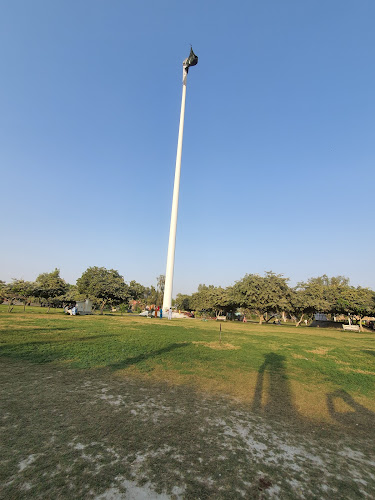
ZA Bhutto Park And Walking Track
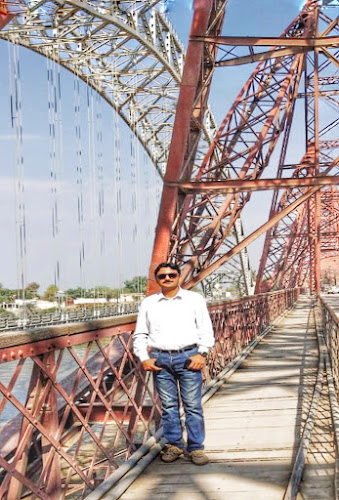
Ayub Bridge
Find Accommodations Nearby
Recommended Tours & Activities
Visitor Reviews
There are no reviews yet. Be the first one to write one.
Share Your Experience
Have you visited I Love Sukkur? Help other travelers by leaving a review.