Ayub Bridge
About Ayub Bridge
Description
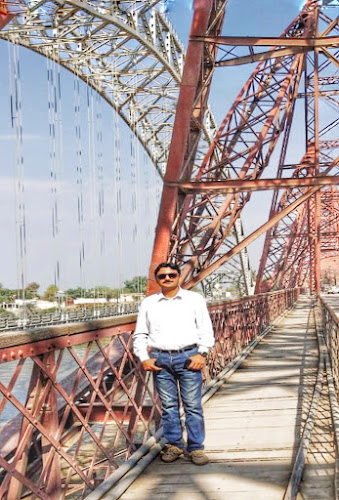
The Ayub Bridge stands as a testament to Pakistan's engineering prowess and historical significance, spanning the mighty Indus River and connecting communities that have relied on this crossing for decades. Named after former President Field Marshal Ayub Khan, this impressive structure has become more than just a functional piece of infrastructure—it's evolved into a landmark that tells the story of Pakistan's development and the strategic importance of the Indus River region. When you first lay eyes on this bridge, you'll notice how it stretches across the churning waters below with an almost stoic determination. I remember the first time I crossed it, the way the wind whipped through the car windows and how you could feel the slight tremor of heavy vehicles passing in the opposite direction. It's one of those experiences that reminds you just how powerful nature is and how humans have learned to work with it rather than against it. The bridge serves as a critical transportation link in the region, facilitating trade, commerce, and daily commutes for thousands of people. But beyond its practical purpose, there's something almost meditative about standing on or near this structure and watching the Indus flow beneath. The river has been the lifeblood of civilizations for millennia, and this bridge represents our modern attempt to harness and navigate that ancient power. What makes Ayub Bridge particularly interesting from a traveler's perspective is its dual nature. It's simultaneously a working piece of infrastructure that you might cross without a second thought and a destination worthy of appreciation in its own right. The surrounding landscape offers glimpses into rural Pakistani life that you won't find in the glossy travel brochures, and that's precisely what makes it authentic.Key Features
The Ayub Bridge offers several distinctive characteristics that make it worth including in your travel itinerary: • Spans one of the world's longest rivers, the Indus, providing spectacular views of the waterway that has sustained civilizations since ancient times • Strategic location that connects major transportation routes, making it an important junction for understanding regional geography and movement patterns • Engineering design that has withstood decades of use, seasonal flooding, and the harsh climate of the region • Opportunity to observe daily life as locals, farmers, and traders cross regularly, offering authentic cultural insights • Photographic potential during golden hour when the sun casts long shadows across the water and illuminates the bridge's structure • Historical significance tied to Pakistan's post-independence development era and the vision of modernization that characterized the 1960s • Vantage point for bird watching, particularly during migration seasons when various species follow the Indus corridor • Access to nearby communities and markets that receive less tourist traffic, allowing for more genuine interactions • The rhythmic flow of the Indus beneath creates a natural soundtrack that's both powerful and peaceful • Connection to the greater story of how infrastructure shaped Pakistan's economic and social development in the latter half of the 20th centuryBest Time to Visit
Timing your visit to Ayub Bridge really does matter, and I can't stress this enough. The region experiences extreme temperature variations throughout the year, and the character of the Indus itself changes dramatically with the seasons. The absolute best time to visit is between October and March, when temperatures are more manageable and you won't feel like you're melting into the pavement. I made the mistake once of visiting in July, and let me tell you, standing on a metal and concrete bridge under the blazing Pakistani sun isn't an experience I'd recommend to anyone. The heat reflects off every surface, and even locals tend to avoid unnecessary outdoor activities during peak summer months. Winter months, particularly November through February, offer crisp, clear days that are perfect for photography. The light during this period has a quality that photographers absolutely love—it's softer, more golden, and creates stunning contrasts against the water. And the air quality tends to be better too, giving you clearer views of the surrounding landscape. Early mornings are magical regardless of the season you choose. There's something special about watching the bridge come to life as the sun rises, with local traffic beginning to pick up and the mist rising from the Indus. If you're an early riser like me, you'll appreciate how peaceful it is before the heat and bustle of midday arrive. The monsoon season, typically July through September, presents a different kind of spectacle. The Indus swells considerably during this period, and while it's impressive to witness the river's power, it can also be slightly unnerving. The water rushes beneath with incredible force, and you can feel the bridge respond to the pressure. It's not dangerous, but it definitely gives you a healthy respect for the forces at play. Spring, particularly March and April, offers pleasant weather and blooming vegetation along the riverbanks. This period strikes a nice balance between the cooler winter months and the scorching summer ahead.How to Get There
Getting to Ayub Bridge requires a bit of planning, but it's definitely accessible for travelers willing to venture off the typical tourist circuits. The bridge's location means you'll need to approach it as part of a broader exploration of the region rather than as an isolated destination. If you're coming from a major city, your best bet is to arrange private transportation or hire a driver who knows the area. Public transportation exists, but it can be unpredictable and may not drop you at the exact location you want. I've found that having a local driver not only makes navigation easier but also provides valuable cultural context and safety. The road conditions approaching the bridge vary considerably. Main highways are generally well-maintained, but as you get closer, you might encounter stretches that are less smooth. During monsoon season, some approach roads can become muddy or partially flooded, so checking current conditions before you set out is wise. For international travelers, you'll want to fly into the nearest major airport and plan for several hours of ground transportation. The journey itself can be part of the adventure—you'll pass through agricultural areas, small towns, and landscapes that give you a real sense of the region's character. Local buses and vans do service routes that cross the bridge, and if you're comfortable with basic travel in Pakistan, this can be an economical option. The experience of traveling with locals going about their daily business offers insights you simply can't get from organized tours. But be prepared for crowded conditions and flexible schedules. Motorcycle enthusiasts sometimes include the bridge as part of longer riding routes through Pakistan. If this appeals to you, make sure your bike is in excellent condition and you're prepared for varying road quality. GPS coordinates work reasonably well in this area, though having offline maps downloaded is smart since cellular coverage can be spotty in some stretches.Tips for Visiting
Here's where I share some hard-won wisdom from my own experiences and those of fellow travelers who've made the journey to Ayub Bridge. First and foremost, dress appropriately for both the climate and cultural context. Lightweight, modest clothing works best—you want to stay cool while respecting local norms. Women should bring a scarf or shawl that can cover the head if needed. And seriously, invest in good sunglasses and sunscreen. The glare off the water and concrete can be intense. Bring water. More water than you think you'll need, actually. Dehydration sneaks up on you, especially if you're doing any walking around the area or spending time in the sun photographing the bridge. I always carry at least two liters per person when visiting infrastructure sites like this. If photography is your goal, a polarizing filter for your camera will dramatically improve your shots of the water. The filter cuts through glare and brings out the colors and textures of the Indus in ways that unfiltered photos simply can't capture. Early morning and late afternoon provide the best light, as I mentioned earlier. Safety-wise, be aware of traffic patterns if you're walking near or on the bridge. Vehicles don't always expect pedestrians, and the mix of cars, trucks, motorcycles, and occasionally livestock means you need to stay alert. There usually isn't a dedicated walkway, so plan accordingly. Interacting with locals can enrich your visit tremendously. Many people who regularly cross the bridge are friendly and curious about visitors. A few basic Urdu phrases go a long way in establishing rapport. Even if conversations are limited by language barriers, smiles and respectful gestures communicate plenty. Don't expect tourist facilities at the bridge itself. This isn't a developed tourist site with vendors, restrooms, or information plaques. It's a working bridge serving a practical purpose. The nearest towns will have basic amenities, so plan your bathroom breaks and meal stops accordingly. If you're visiting during Friday prayers or major Islamic holidays, traffic patterns change significantly as people travel to mosques or family gatherings. This can actually be interesting to observe, but be respectful of the religious significance and avoid scheduling tight timelines during these periods. Security checkpoints exist on some routes in the region. Always carry your passport and any necessary permits. Be polite and patient with security personnel—they're doing their jobs, and cooperation makes everything smoother. Consider the bridge as one stop in a larger itinerary exploring the Indus region rather than the sole purpose of your trip. This approach reduces pressure to "get the perfect experience" at any single location and allows you to appreciate what each place offers naturally. Finally, manage your expectations. Ayub Bridge isn't a postcard-perfect monument with manicured surroundings. It's a real, working piece of infrastructure in a developing region. The beauty lies in its authenticity, its connection to daily life, and its role in the larger story of Pakistan's development. If you approach it with curiosity rather than a checklist mentality, you'll find the experience genuinely rewarding.Key Features
- Key Features
- Best Time to Visit
- How to Get There
- Tips for Visiting
More Details
Updated March 30, 2026
Table of Contents
Description
The Ayub Bridge stands as a testament to Pakistan’s engineering prowess and historical significance, spanning the mighty Indus River and connecting communities that have relied on this crossing for decades. Named after former President Field Marshal Ayub Khan, this impressive structure has become more than just a functional piece of infrastructure—it’s evolved into a landmark that tells the story of Pakistan’s development and the strategic importance of the Indus River region.
When you first lay eyes on this bridge, you’ll notice how it stretches across the churning waters below with an almost stoic determination. I remember the first time I crossed it, the way the wind whipped through the car windows and how you could feel the slight tremor of heavy vehicles passing in the opposite direction. It’s one of those experiences that reminds you just how powerful nature is and how humans have learned to work with it rather than against it.
The bridge serves as a critical transportation link in the region, facilitating trade, commerce, and daily commutes for thousands of people. But beyond its practical purpose, there’s something almost meditative about standing on or near this structure and watching the Indus flow beneath. The river has been the lifeblood of civilizations for millennia, and this bridge represents our modern attempt to harness and navigate that ancient power.
What makes Ayub Bridge particularly interesting from a traveler’s perspective is its dual nature. It’s simultaneously a working piece of infrastructure that you might cross without a second thought and a destination worthy of appreciation in its own right. The surrounding landscape offers glimpses into rural Pakistani life that you won’t find in the glossy travel brochures, and that’s precisely what makes it authentic.
Key Features
The Ayub Bridge offers several distinctive characteristics that make it worth including in your travel itinerary:
• Spans one of the world’s longest rivers, the Indus, providing spectacular views of the waterway that has sustained civilizations since ancient times
• Strategic location that connects major transportation routes, making it an important junction for understanding regional geography and movement patterns
• Engineering design that has withstood decades of use, seasonal flooding, and the harsh climate of the region
• Opportunity to observe daily life as locals, farmers, and traders cross regularly, offering authentic cultural insights
• Photographic potential during golden hour when the sun casts long shadows across the water and illuminates the bridge’s structure
• Historical significance tied to Pakistan’s post-independence development era and the vision of modernization that characterized the 1960s
• Vantage point for bird watching, particularly during migration seasons when various species follow the Indus corridor
• Access to nearby communities and markets that receive less tourist traffic, allowing for more genuine interactions
• The rhythmic flow of the Indus beneath creates a natural soundtrack that’s both powerful and peaceful
• Connection to the greater story of how infrastructure shaped Pakistan’s economic and social development in the latter half of the 20th century
Best Time to Visit
Timing your visit to Ayub Bridge really does matter, and I can’t stress this enough. The region experiences extreme temperature variations throughout the year, and the character of the Indus itself changes dramatically with the seasons.
The absolute best time to visit is between October and March, when temperatures are more manageable and you won’t feel like you’re melting into the pavement. I made the mistake once of visiting in July, and let me tell you, standing on a metal and concrete bridge under the blazing Pakistani sun isn’t an experience I’d recommend to anyone. The heat reflects off every surface, and even locals tend to avoid unnecessary outdoor activities during peak summer months.
Winter months, particularly November through February, offer crisp, clear days that are perfect for photography. The light during this period has a quality that photographers absolutely love—it’s softer, more golden, and creates stunning contrasts against the water. And the air quality tends to be better too, giving you clearer views of the surrounding landscape.
Early mornings are magical regardless of the season you choose. There’s something special about watching the bridge come to life as the sun rises, with local traffic beginning to pick up and the mist rising from the Indus. If you’re an early riser like me, you’ll appreciate how peaceful it is before the heat and bustle of midday arrive.
The monsoon season, typically July through September, presents a different kind of spectacle. The Indus swells considerably during this period, and while it’s impressive to witness the river’s power, it can also be slightly unnerving. The water rushes beneath with incredible force, and you can feel the bridge respond to the pressure. It’s not dangerous, but it definitely gives you a healthy respect for the forces at play.
Spring, particularly March and April, offers pleasant weather and blooming vegetation along the riverbanks. This period strikes a nice balance between the cooler winter months and the scorching summer ahead.
How to Get There
Getting to Ayub Bridge requires a bit of planning, but it’s definitely accessible for travelers willing to venture off the typical tourist circuits. The bridge’s location means you’ll need to approach it as part of a broader exploration of the region rather than as an isolated destination.
If you’re coming from a major city, your best bet is to arrange private transportation or hire a driver who knows the area. Public transportation exists, but it can be unpredictable and may not drop you at the exact location you want. I’ve found that having a local driver not only makes navigation easier but also provides valuable cultural context and safety.
The road conditions approaching the bridge vary considerably. Main highways are generally well-maintained, but as you get closer, you might encounter stretches that are less smooth. During monsoon season, some approach roads can become muddy or partially flooded, so checking current conditions before you set out is wise.
For international travelers, you’ll want to fly into the nearest major airport and plan for several hours of ground transportation. The journey itself can be part of the adventure—you’ll pass through agricultural areas, small towns, and landscapes that give you a real sense of the region’s character.
Local buses and vans do service routes that cross the bridge, and if you’re comfortable with basic travel in Pakistan, this can be an economical option. The experience of traveling with locals going about their daily business offers insights you simply can’t get from organized tours. But be prepared for crowded conditions and flexible schedules.
Motorcycle enthusiasts sometimes include the bridge as part of longer riding routes through Pakistan. If this appeals to you, make sure your bike is in excellent condition and you’re prepared for varying road quality.
GPS coordinates work reasonably well in this area, though having offline maps downloaded is smart since cellular coverage can be spotty in some stretches.
Tips for Visiting
Here’s where I share some hard-won wisdom from my own experiences and those of fellow travelers who’ve made the journey to Ayub Bridge.
First and foremost, dress appropriately for both the climate and cultural context. Lightweight, modest clothing works best—you want to stay cool while respecting local norms. Women should bring a scarf or shawl that can cover the head if needed. And seriously, invest in good sunglasses and sunscreen. The glare off the water and concrete can be intense.
Bring water. More water than you think you’ll need, actually. Dehydration sneaks up on you, especially if you’re doing any walking around the area or spending time in the sun photographing the bridge. I always carry at least two liters per person when visiting infrastructure sites like this.
If photography is your goal, a polarizing filter for your camera will dramatically improve your shots of the water. The filter cuts through glare and brings out the colors and textures of the Indus in ways that unfiltered photos simply can’t capture. Early morning and late afternoon provide the best light, as I mentioned earlier.
Safety-wise, be aware of traffic patterns if you’re walking near or on the bridge. Vehicles don’t always expect pedestrians, and the mix of cars, trucks, motorcycles, and occasionally livestock means you need to stay alert. There usually isn’t a dedicated walkway, so plan accordingly.
Interacting with locals can enrich your visit tremendously. Many people who regularly cross the bridge are friendly and curious about visitors. A few basic Urdu phrases go a long way in establishing rapport. Even if conversations are limited by language barriers, smiles and respectful gestures communicate plenty.
Don’t expect tourist facilities at the bridge itself. This isn’t a developed tourist site with vendors, restrooms, or information plaques. It’s a working bridge serving a practical purpose. The nearest towns will have basic amenities, so plan your bathroom breaks and meal stops accordingly.
If you’re visiting during Friday prayers or major Islamic holidays, traffic patterns change significantly as people travel to mosques or family gatherings. This can actually be interesting to observe, but be respectful of the religious significance and avoid scheduling tight timelines during these periods.
Security checkpoints exist on some routes in the region. Always carry your passport and any necessary permits. Be polite and patient with security personnel—they’re doing their jobs, and cooperation makes everything smoother.
Consider the bridge as one stop in a larger itinerary exploring the Indus region rather than the sole purpose of your trip. This approach reduces pressure to “get the perfect experience” at any single location and allows you to appreciate what each place offers naturally.
Finally, manage your expectations. Ayub Bridge isn’t a postcard-perfect monument with manicured surroundings. It’s a real, working piece of infrastructure in a developing region. The beauty lies in its authenticity, its connection to daily life, and its role in the larger story of Pakistan’s development. If you approach it with curiosity rather than a checklist mentality, you’ll find the experience genuinely rewarding.
Key Highlights
- Key Features
- Best Time to Visit
- How to Get There
- Tips for Visiting
Location
Places to Stay Near Ayub Bridge
Find and Book a Tour
Explore More Travel Guides
No reviews found! Be the first to review!
Ayub Bridge is a prominent Attractions located in Sukkur.
Visit us at: MVVQ+G8R, Indus River, Sukkur, Sindh, Pakistan.
Traveler Reviews for Ayub Bridge
There are no reviews yet. Be the first one to write one.
Have you visited Ayub Bridge? Help other travelers by sharing your review.
Find Accommodations Nearby
Recommended Tours & Activities
Visitor Reviews
There are no reviews yet. Be the first one to write one.
Share Your Experience
Have you visited Ayub Bridge? Help other travelers by leaving a review.
