Indus Dolphin Conservation Centre
About Indus Dolphin Conservation Centre
Description
The Indus Dolphin Conservation Centre stands as one of Pakistan's most remarkable wildlife facilities dedicated to protecting the endangered Indus river dolphin, also known as the bhulan. This specialized center works tirelessly to preserve one of the world's rarest freshwater dolphin species, and honestly, it's about time more travelers knew about this hidden gem along the mighty Indus River. I remember reading about these dolphins years ago and being absolutely fascinated that such creatures existed in a river system most people associate with ancient civilizations rather than unique marine life. The center itself serves multiple purposes - it's part research facility, part rescue operation, and part educational hub for visitors who want to understand the complex challenges facing these remarkable animals. What makes this place genuinely special is its hands-on approach to conservation. You're not just looking at exhibits behind glass or reading plaques on walls. The staff here are genuinely passionate about their work, and that enthusiasm becomes infectious when you spend time at the facility. The Indus dolphin population has faced serious threats over the decades, from pollution to fishing practices to habitat fragmentation, and this center represents a critical frontline in the battle to keep these dolphins from disappearing entirely. The facility welcomes families with children, which I think is crucial because conservation efforts need the next generation on board. And let me tell you, watching kids get excited about protecting wildlife they've never heard of before? That's pretty powerful stuff. The center manages to balance scientific rigor with accessibility, making complex ecological concepts understandable without dumbing things down too much.Key Features
The Indus Dolphin Conservation Centre offers several distinctive features that set it apart from typical tourist attractions:- Direct Dolphin Research Observation: Visitors can learn about ongoing research projects tracking dolphin populations throughout the Indus River system. The center maintains detailed records of individual dolphins and their behavioral patterns.
- Educational Programs: Interactive sessions explain the unique echolocation abilities of Indus dolphins, which are functionally blind and navigate entirely through sound - a fascinating adaptation to the murky river waters.
- Rescue and Rehabilitation Facilities: The center occasionally houses dolphins that have been stranded in canals or injured, providing medical care before release back into suitable habitats.
- River Ecosystem Exhibits: Displays showcasing the broader Indus River ecosystem help visitors understand how dolphin conservation connects to larger environmental issues affecting the region.
- Community Outreach Information: Learn about programs working with local fishing communities to develop dolphin-friendly practices that protect both livelihoods and wildlife.
- Photo Documentation Archives: Extensive photographic records showing the evolution of conservation efforts and individual dolphin identification over years of monitoring.
- Child-Friendly Activities: Specially designed programs help younger visitors grasp conservation concepts through storytelling and interactive elements that don't feel like a lecture.
Best Time to Visit
Timing your visit to the Indus Dolphin Conservation Centre requires thinking about both weather conditions and dolphin activity patterns. The optimal period falls between October and March, when temperatures along the Indus River become more manageable for outdoor activities. Summer months from May through August can be brutally hot in this region - we're talking temperatures that regularly exceed 40 degrees Celsius, which makes extended outdoor time pretty uncomfortable. Winter months offer the additional advantage of clearer river waters in some sections, though the Indus remains quite turbid year-round. The cooler weather also means you'll have more energy to fully explore the facility and potentially participate in any field observation opportunities that might be available. But here's something most guides won't tell you - the monsoon season from July to September brings its own unique perspective. While it's hot and humid, this is when the river truly comes alive with increased water flow. If you can handle the climate, you'll see the ecosystem at its most dynamic. The center's staff are often dealing with increased rescue situations during this period as water levels change rapidly, which can offer unexpected insights into their emergency response protocols. Early mornings work best regardless of season. The facility typically opens around 9 AM, but arriving right when they open means you'll beat any potential crowds and get more personalized attention from the staff. Plus, the river itself is often calmer in early morning hours, creating better conditions for any observation activities. Weekdays generally see fewer visitors than weekends, especially during school holiday periods when Pakistani families visit in larger numbers. Not that crowds are usually overwhelming here - this isn't exactly a mainstream tourist destination yet - but if you prefer a quieter, more contemplative experience, aim for Tuesday through Thursday.How to Get There
Getting to the Indus Dolphin Conservation Centre requires some planning since it's not located in a major urban center. The facility sits along the Indus River in an area that's accessible but definitely off the typical tourist circuit. Most visitors approach from Sukkur, one of the larger cities in Sindh province. From Sukkur, you're looking at roughly an hour's drive depending on exact location and road conditions. The journey itself offers glimpses of rural Sindh that many travelers never see - agricultural lands, small villages, and of course, views of the Indus River itself. If you're coming from Karachi, budget for a solid 6-7 hour drive or consider the overnight train to Sukkur, which I'd actually recommend. There's something about train travel in Pakistan that just feels right, you know? You'll see the landscape change gradually, have time to chat with local passengers, and arrive relatively refreshed compared to a marathon road journey. For international travelers, flying into either Karachi or Islamabad and then making your way to Sukkur represents the most practical approach. Sukkur has a small airport with limited domestic connections, so check current flight schedules well in advance. Hiring a local driver with knowledge of the area makes the most sense for the final leg of the journey. Public transportation exists but can be complicated if you're unfamiliar with local routes and don't speak Urdu or Sindhi. Your hotel in Sukkur can typically arrange transportation, though you'll want to confirm this when booking. The roads leading to the center are generally in decent condition, but this is rural Pakistan - expect the occasional pothole and be prepared for slower-than-expected travel times. Agricultural vehicles, livestock, and other local traffic all share the roads here.Tips for Visiting
Making the most of your visit to the Indus Dolphin Conservation Centre requires some practical preparation. First off, dress appropriately for both the climate and cultural context. Lightweight, breathable clothing that covers your shoulders and knees works best. Pakistan is a conservative country, and showing respect through modest dress opens more doors and creates better interactions with staff and local communities. Bring more water than you think you'll need. Seriously, hydration in this climate isn't optional, and facilities for purchasing drinks might be limited. A refillable water bottle serves you well here, and helps reduce plastic waste in an area where environmental protection is literally the whole point. Photography enthusiasts should definitely bring cameras, but ask permission before photographing staff or any rescue animals. The center appreciates documentation of their work, but there are protocols around photographing dolphins undergoing treatment or rehabilitation. Flash photography is generally discouraged around the animals, which makes sense when you consider how sensitive their echolocation is. Consider bringing a small donation if you're able. Conservation work operates on tight budgets everywhere, and facilities like this one survive on a combination of government support, international grants, and public contributions. Even modest amounts help support ongoing research and rescue operations. Don't expect luxury facilities or extensive tourist infrastructure. This is a working conservation center first and a tourist attraction second. Bathroom facilities are basic, there probably isn't a gift shop selling stuffed dolphin toys, and you won't find a café serving cappuccinos. Bring snacks if you have specific dietary needs or preferences. Engage with the staff. These folks possess incredible knowledge about Indus dolphins and river ecology. Ask questions, express genuine interest, and you'll likely get far more from your visit than any guidebook could provide. I've found that conservation workers appreciate visitors who actually care about the work rather than just treating it as another checkbox on an itinerary. Plan for at least 2-3 hours minimum. Rushing through defeats the purpose. This isn't a place where you take a few quick photos and leave - the value lies in understanding the conservation challenges and the dedicated efforts to address them. If you're visiting with children, prep them beforehand about what to expect. This isn't a zoo or aquarium with guaranteed dolphin sightings. Depending on current circumstances, there might or might not be dolphins at the facility. The education and conservation message remains valuable regardless, but managing expectations helps avoid disappointment. Check current operating hours and any closure dates before making the journey. Conservation centers sometimes close for specific research activities or due to staffing limitations. A quick phone call or email inquiry saves you from arriving to locked doors after several hours of travel. Finally, approach your visit with patience and realistic expectations. This center operates in challenging circumstances with limited resources to protect one of the world's most endangered cetaceans. The experience might feel rough around the edges compared to Western wildlife facilities, but the authenticity and importance of the work happening here far outweigh any lack of polish.Key Features
- Specialized exhibits on Indus river dolphin biology and threats
- Guided boat safaris on the Indus for dolphin watching
- Educational programs and community outreach initiatives
- Riverside viewing platforms and interpretive signage
- Nearby Lab-e-Mehran park setting with scenic river views
More Details
Updated March 30, 2026
Table of Contents
Description
The Indus Dolphin Conservation Centre stands as one of Pakistan’s most remarkable wildlife facilities dedicated to protecting the endangered Indus river dolphin, also known as the bhulan. This specialized center works tirelessly to preserve one of the world’s rarest freshwater dolphin species, and honestly, it’s about time more travelers knew about this hidden gem along the mighty Indus River.
I remember reading about these dolphins years ago and being absolutely fascinated that such creatures existed in a river system most people associate with ancient civilizations rather than unique marine life. The center itself serves multiple purposes – it’s part research facility, part rescue operation, and part educational hub for visitors who want to understand the complex challenges facing these remarkable animals.
What makes this place genuinely special is its hands-on approach to conservation. You’re not just looking at exhibits behind glass or reading plaques on walls. The staff here are genuinely passionate about their work, and that enthusiasm becomes infectious when you spend time at the facility. The Indus dolphin population has faced serious threats over the decades, from pollution to fishing practices to habitat fragmentation, and this center represents a critical frontline in the battle to keep these dolphins from disappearing entirely.
The facility welcomes families with children, which I think is crucial because conservation efforts need the next generation on board. And let me tell you, watching kids get excited about protecting wildlife they’ve never heard of before? That’s pretty powerful stuff. The center manages to balance scientific rigor with accessibility, making complex ecological concepts understandable without dumbing things down too much.
Key Features
The Indus Dolphin Conservation Centre offers several distinctive features that set it apart from typical tourist attractions:
- Direct Dolphin Research Observation: Visitors can learn about ongoing research projects tracking dolphin populations throughout the Indus River system. The center maintains detailed records of individual dolphins and their behavioral patterns.
- Educational Programs: Interactive sessions explain the unique echolocation abilities of Indus dolphins, which are functionally blind and navigate entirely through sound – a fascinating adaptation to the murky river waters.
- Rescue and Rehabilitation Facilities: The center occasionally houses dolphins that have been stranded in canals or injured, providing medical care before release back into suitable habitats.
- River Ecosystem Exhibits: Displays showcasing the broader Indus River ecosystem help visitors understand how dolphin conservation connects to larger environmental issues affecting the region.
- Community Outreach Information: Learn about programs working with local fishing communities to develop dolphin-friendly practices that protect both livelihoods and wildlife.
- Photo Documentation Archives: Extensive photographic records showing the evolution of conservation efforts and individual dolphin identification over years of monitoring.
- Child-Friendly Activities: Specially designed programs help younger visitors grasp conservation concepts through storytelling and interactive elements that don’t feel like a lecture.
Best Time to Visit
Timing your visit to the Indus Dolphin Conservation Centre requires thinking about both weather conditions and dolphin activity patterns. The optimal period falls between October and March, when temperatures along the Indus River become more manageable for outdoor activities. Summer months from May through August can be brutally hot in this region – we’re talking temperatures that regularly exceed 40 degrees Celsius, which makes extended outdoor time pretty uncomfortable.
Winter months offer the additional advantage of clearer river waters in some sections, though the Indus remains quite turbid year-round. The cooler weather also means you’ll have more energy to fully explore the facility and potentially participate in any field observation opportunities that might be available.
But here’s something most guides won’t tell you – the monsoon season from July to September brings its own unique perspective. While it’s hot and humid, this is when the river truly comes alive with increased water flow. If you can handle the climate, you’ll see the ecosystem at its most dynamic. The center’s staff are often dealing with increased rescue situations during this period as water levels change rapidly, which can offer unexpected insights into their emergency response protocols.
Early mornings work best regardless of season. The facility typically opens around 9 AM, but arriving right when they open means you’ll beat any potential crowds and get more personalized attention from the staff. Plus, the river itself is often calmer in early morning hours, creating better conditions for any observation activities.
Weekdays generally see fewer visitors than weekends, especially during school holiday periods when Pakistani families visit in larger numbers. Not that crowds are usually overwhelming here – this isn’t exactly a mainstream tourist destination yet – but if you prefer a quieter, more contemplative experience, aim for Tuesday through Thursday.
How to Get There
Getting to the Indus Dolphin Conservation Centre requires some planning since it’s not located in a major urban center. The facility sits along the Indus River in an area that’s accessible but definitely off the typical tourist circuit.
Most visitors approach from Sukkur, one of the larger cities in Sindh province. From Sukkur, you’re looking at roughly an hour’s drive depending on exact location and road conditions. The journey itself offers glimpses of rural Sindh that many travelers never see – agricultural lands, small villages, and of course, views of the Indus River itself.
If you’re coming from Karachi, budget for a solid 6-7 hour drive or consider the overnight train to Sukkur, which I’d actually recommend. There’s something about train travel in Pakistan that just feels right, you know? You’ll see the landscape change gradually, have time to chat with local passengers, and arrive relatively refreshed compared to a marathon road journey.
For international travelers, flying into either Karachi or Islamabad and then making your way to Sukkur represents the most practical approach. Sukkur has a small airport with limited domestic connections, so check current flight schedules well in advance.
Hiring a local driver with knowledge of the area makes the most sense for the final leg of the journey. Public transportation exists but can be complicated if you’re unfamiliar with local routes and don’t speak Urdu or Sindhi. Your hotel in Sukkur can typically arrange transportation, though you’ll want to confirm this when booking.
The roads leading to the center are generally in decent condition, but this is rural Pakistan – expect the occasional pothole and be prepared for slower-than-expected travel times. Agricultural vehicles, livestock, and other local traffic all share the roads here.
Tips for Visiting
Making the most of your visit to the Indus Dolphin Conservation Centre requires some practical preparation. First off, dress appropriately for both the climate and cultural context. Lightweight, breathable clothing that covers your shoulders and knees works best. Pakistan is a conservative country, and showing respect through modest dress opens more doors and creates better interactions with staff and local communities.
Bring more water than you think you’ll need. Seriously, hydration in this climate isn’t optional, and facilities for purchasing drinks might be limited. A refillable water bottle serves you well here, and helps reduce plastic waste in an area where environmental protection is literally the whole point.
Photography enthusiasts should definitely bring cameras, but ask permission before photographing staff or any rescue animals. The center appreciates documentation of their work, but there are protocols around photographing dolphins undergoing treatment or rehabilitation. Flash photography is generally discouraged around the animals, which makes sense when you consider how sensitive their echolocation is.
Consider bringing a small donation if you’re able. Conservation work operates on tight budgets everywhere, and facilities like this one survive on a combination of government support, international grants, and public contributions. Even modest amounts help support ongoing research and rescue operations.
Don’t expect luxury facilities or extensive tourist infrastructure. This is a working conservation center first and a tourist attraction second. Bathroom facilities are basic, there probably isn’t a gift shop selling stuffed dolphin toys, and you won’t find a café serving cappuccinos. Bring snacks if you have specific dietary needs or preferences.
Engage with the staff. These folks possess incredible knowledge about Indus dolphins and river ecology. Ask questions, express genuine interest, and you’ll likely get far more from your visit than any guidebook could provide. I’ve found that conservation workers appreciate visitors who actually care about the work rather than just treating it as another checkbox on an itinerary.
Plan for at least 2-3 hours minimum. Rushing through defeats the purpose. This isn’t a place where you take a few quick photos and leave – the value lies in understanding the conservation challenges and the dedicated efforts to address them.
If you’re visiting with children, prep them beforehand about what to expect. This isn’t a zoo or aquarium with guaranteed dolphin sightings. Depending on current circumstances, there might or might not be dolphins at the facility. The education and conservation message remains valuable regardless, but managing expectations helps avoid disappointment.
Check current operating hours and any closure dates before making the journey. Conservation centers sometimes close for specific research activities or due to staffing limitations. A quick phone call or email inquiry saves you from arriving to locked doors after several hours of travel.
Finally, approach your visit with patience and realistic expectations. This center operates in challenging circumstances with limited resources to protect one of the world’s most endangered cetaceans. The experience might feel rough around the edges compared to Western wildlife facilities, but the authenticity and importance of the work happening here far outweigh any lack of polish.
Key Highlights
- Specialized exhibits on Indus river dolphin biology and threats
- Guided boat safaris on the Indus for dolphin watching
- Educational programs and community outreach initiatives
- Riverside viewing platforms and interpretive signage
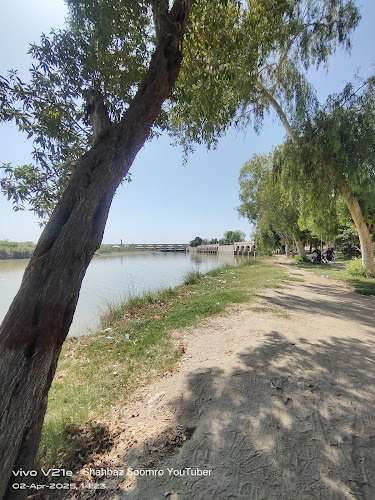
- Nearby Lab-e-Mehran park setting with scenic river views
Location
Places to Stay Near Indus Dolphin Conservation Centre
Find and Book a Tour
Explore More Travel Guides
No reviews found! Be the first to review!
Indus Dolphin Conservation Centre is a prominent attractions located in Sukkur.
Visit us at: MVP3+838 Lab-e-Mehran, Sukkur, Sindh, Pakistan.
Traveler Reviews for Indus Dolphin Conservation Centre
There are no reviews yet. Be the first one to write one.
Have you visited Indus Dolphin Conservation Centre? Help other travelers by sharing your review.
Nearby Attractions
Find Accommodations Nearby
Recommended Tours & Activities
Visitor Reviews
There are no reviews yet. Be the first one to write one.
Share Your Experience
Have you visited Indus Dolphin Conservation Centre? Help other travelers by leaving a review.
