
Hoyvíksgarður
About Hoyvíksgarður
Description
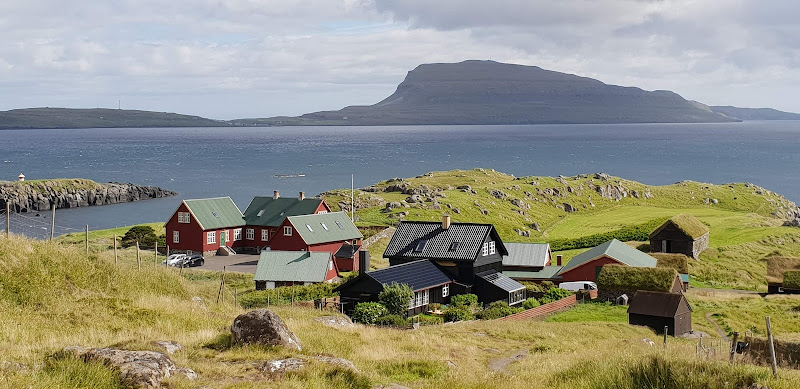
Hoyvíksgarður is one of those places that quietly sneaks up on you. It’s not flashy or grand in the way big city museums often are, but it has this calm, grounded presence that makes you stop and breathe for a moment. Set just outside of Tórshavn, surrounded by the rolling green hills and the salty breath of the North Atlantic, this historic Faroese farmhouse feels like stepping into another century—because, well, it kind of is. Built in 1812, the house and its outbuildings have seen over two hundred years of Faroese life unfold, from the days of horse-drawn carts to the hum of modern cars passing nearby.
What makes Hoyvíksgarður special isn’t just its age—it’s the way it captures the essence of traditional Faroese living. The main farmhouse, carefully maintained and staged to resemble a 1920s household, offers a glimpse into the rhythms of daily life before electricity and convenience took over. There’s something deeply human about seeing the worn wooden floors, the simple furniture, and the tools that once shaped the lives of the people who lived here. You can almost imagine the smell of freshly baked rye bread or the sound of the wind sneaking through the cracks in the old walls.
I remember the first time I visited, it was a bit windy (as it often is in the Faroes) and the clouds were hanging low. The grass around the farm shimmered with dew, and the air smelled faintly of the sea. Walking through the barn and the smithy, I couldn’t help but think of how many generations had worked these same spaces—tending animals, mending tools, storing potatoes for the long winter months. It’s humbling, honestly. And while it’s a museum now, it doesn’t feel sterile or overly curated. It feels alive, as if the family just stepped out for a moment and might return any second.
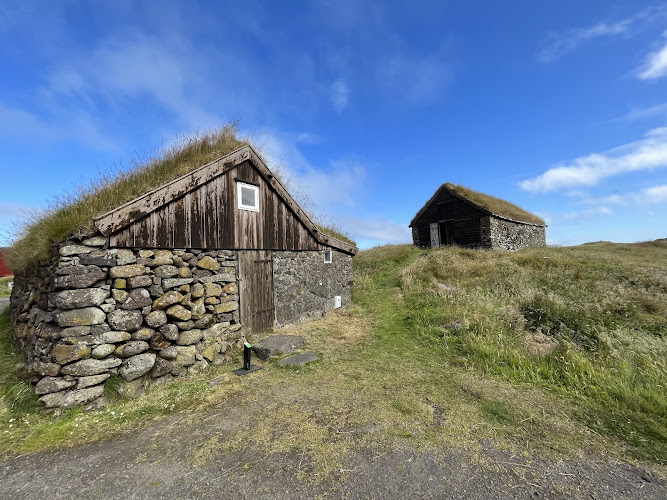
Hoyvíksgarður also serves as an open-air museum, which makes it more dynamic than your typical indoor exhibit. You’re not just looking at artifacts behind glass; you’re walking through them, breathing the same air, touching the same wood. The site includes several outbuildings—a barn, a smithy, a potato house, and more—all restored with care and authenticity. Together, they paint a vivid picture of rural Faroese life, full of hard work, community, and resilience.
It’s worth noting that while the site itself isn’t wheelchair accessible and the terrain can be uneven, the experience is still deeply rewarding for those who can make the visit. Families often bring their kids here, and it’s surprisingly engaging for them too—perhaps because it feels like a little time-travel adventure. The staff are friendly and knowledgeable, always ready to share stories or answer questions. You can tell they genuinely care about preserving this piece of Faroese heritage.
There’s a quiet magic in Hoyvíksgarður. It’s not the kind that shouts for attention, but the kind that lingers with you long after you’ve left. For travelers who appreciate authenticity, history, and the simple beauty of a well-told story, this place is a must-see.
Key Features
- Authentic Faroese Farmhouse: Built in 1812 and restored to reflect a 1920s household, offering a genuine look at traditional Faroese domestic life.
- Open-Air Museum: Visitors can explore multiple outbuildings including a barn, smithy, and potato house, each with original tools and furnishings.
- Scenic Surroundings: Located just outside Tórshavn, the area offers stunning views of the Faroese countryside and coastline.
- Family-Friendly: Discounts for children and plenty of open space make it a great educational outing for families.
- Cultural Insight: Provides a rare opportunity to understand how Faroese people lived, worked, and adapted to the island’s rugged environment.
- Seasonal Opening: Open from May 1st to September 30th, aligning with the Faroese summer season.
- LGBTQ+ Friendly Environment: Welcoming to all visitors, reflecting the inclusive spirit of the Faroe Islands.
- Free Street Parking: Convenient and accessible parking near the site.
Best Time to Visit
Hoyvíksgarður opens its doors during the Faroese summer, from May through September. This timing isn’t random—it’s when the islands come alive with long daylight hours, mild temperatures, and a sense of openness that makes exploring much more enjoyable. If you’ve ever been to the Faroe Islands in winter, you’ll know that the weather can be... let’s say “challenging.” So, summer is definitely the sweet spot.
Personally, I’d recommend visiting in late June or early July. The grass is lush, the sheep are out grazing, and the air feels crisp but not cold. You’ll also have the benefit of those endless Nordic evenings when the light lingers until nearly midnight. It’s surreal, really—standing outside the farmhouse, the sun still hanging low over the horizon, painting everything in gold.
If you’re the type who prefers fewer crowds (though “crowded” in the Faroes is still pretty quiet by most standards), consider going in early May or late September. The weather might be a touch cooler, but you’ll have more of the place to yourself, which adds to the atmosphere. Just remember to bring a good waterproof jacket—Faroese weather can change faster than you can say “Hoyvíksgarður.”
How to Get There
Getting to Hoyvíksgarður is refreshingly straightforward. It’s located just a short drive from central Tórshavn, which makes it an easy half-day trip if you’re staying in the capital. You can either take a taxi or drive yourself—there’s free street parking nearby, which is always a relief when traveling. Some visitors even choose to walk or cycle from Tórshavn, especially on a clear day. It’s about a 30–40 minute walk, depending on your pace, and the route gives you a nice glimpse of suburban Faroese life along the way.
Public transport is also an option, though schedules can vary seasonally. If you’re the type who enjoys a bit of spontaneity, hopping on a local bus can be a fun way to experience daily life on the islands. Just double-check the return times—you don’t want to be stranded in the mist (though honestly, even that would make for a good story).
Once you arrive, you’ll find the site clearly marked with signs and pathways leading to the main farmhouse. The layout is compact and easy to navigate, though some paths are grassy or uneven. If you’re planning to take photos—and you definitely should—try to arrive early in the day when the light is soft and the air feels fresh.
Tips for Visiting
Visiting Hoyvíksgarður isn’t just about ticking off another historical site—it’s about slowing down and really absorbing the atmosphere. Here are a few tips to make your visit even better:
- Bring layers: Even in summer, the Faroese weather can swing from sunshine to drizzle in minutes. A light jacket and sturdy shoes are your best friends.
- Take your time: Don’t rush through. Spend a few minutes in each building, look closely at the tools, the furniture, the small details. They tell stories if you let them.
- Chat with the staff: The people working here are passionate about Faroese history. Ask questions—they often share fascinating anecdotes you won’t find on the signs.
- Plan for daylight: The site is outdoors, so it’s best enjoyed during daylight hours. Morning visits tend to be quieter and more atmospheric.
- Pack a snack or thermos: There’s something delightful about sipping coffee while sitting on a stone wall overlooking the fields. Just remember to take your trash with you.
- Photography lovers, rejoice: The contrast of the dark wooden buildings against the green landscape is stunning. Bring your camera, but also take a few moments to just look without the lens.
- Mind your step: The paths can be uneven and sometimes slippery after rain. Good footwear will save you from an awkward tumble.
- Visit nearby attractions: Combine your trip with a stroll around Tórshavn or a drive along the coast—you’ll get a fuller sense of Faroese life past and present.
One last thing: don’t expect flashy exhibits or interactive screens here. Hoyvíksgarður’s charm lies in its simplicity. It’s about authenticity, about connecting with the quiet strength of the people who built their lives in these tough but beautiful islands. If you approach it with curiosity and respect, you’ll walk away with something far more valuable than a souvenir—you’ll carry a small piece of Faroese history with you.
And honestly, that’s the best kind of travel experience there is.
Key Features
- Key Features
- Best Time to Visit
- How to Get There
- Tips for Visiting
More Details
Updated October 8, 2025
Table of Contents
Description
Hoyvíksgarður is one of those places that quietly sneaks up on you. It’s not flashy or grand in the way big city museums often are, but it has this calm, grounded presence that makes you stop and breathe for a moment. Set just outside of Tórshavn, surrounded by the rolling green hills and the salty breath of the North Atlantic, this historic Faroese farmhouse feels like stepping into another century—because, well, it kind of is. Built in 1812, the house and its outbuildings have seen over two hundred years of Faroese life unfold, from the days of horse-drawn carts to the hum of modern cars passing nearby.
What makes Hoyvíksgarður special isn’t just its age—it’s the way it captures the essence of traditional Faroese living. The main farmhouse, carefully maintained and staged to resemble a 1920s household, offers a glimpse into the rhythms of daily life before electricity and convenience took over. There’s something deeply human about seeing the worn wooden floors, the simple furniture, and the tools that once shaped the lives of the people who lived here. You can almost imagine the smell of freshly baked rye bread or the sound of the wind sneaking through the cracks in the old walls.
I remember the first time I visited, it was a bit windy (as it often is in the Faroes) and the clouds were hanging low. The grass around the farm shimmered with dew, and the air smelled faintly of the sea. Walking through the barn and the smithy, I couldn’t help but think of how many generations had worked these same spaces—tending animals, mending tools, storing potatoes for the long winter months. It’s humbling, honestly. And while it’s a museum now, it doesn’t feel sterile or overly curated. It feels alive, as if the family just stepped out for a moment and might return any second.
Hoyvíksgarður also serves as an open-air museum, which makes it more dynamic than your typical indoor exhibit. You’re not just looking at artifacts behind glass; you’re walking through them, breathing the same air, touching the same wood. The site includes several outbuildings—a barn, a smithy, a potato house, and more—all restored with care and authenticity. Together, they paint a vivid picture of rural Faroese life, full of hard work, community, and resilience.
It’s worth noting that while the site itself isn’t wheelchair accessible and the terrain can be uneven, the experience is still deeply rewarding for those who can make the visit. Families often bring their kids here, and it’s surprisingly engaging for them too—perhaps because it feels like a little time-travel adventure. The staff are friendly and knowledgeable, always ready to share stories or answer questions. You can tell they genuinely care about preserving this piece of Faroese heritage.
There’s a quiet magic in Hoyvíksgarður. It’s not the kind that shouts for attention, but the kind that lingers with you long after you’ve left. For travelers who appreciate authenticity, history, and the simple beauty of a well-told story, this place is a must-see.
Key Features
- Authentic Faroese Farmhouse: Built in 1812 and restored to reflect a 1920s household, offering a genuine look at traditional Faroese domestic life.
- Open-Air Museum: Visitors can explore multiple outbuildings including a barn, smithy, and potato house, each with original tools and furnishings.
- Scenic Surroundings: Located just outside Tórshavn, the area offers stunning views of the Faroese countryside and coastline.
- Family-Friendly: Discounts for children and plenty of open space make it a great educational outing for families.
- Cultural Insight: Provides a rare opportunity to understand how Faroese people lived, worked, and adapted to the island’s rugged environment.
- Seasonal Opening: Open from May 1st to September 30th, aligning with the Faroese summer season.
- LGBTQ+ Friendly Environment: Welcoming to all visitors, reflecting the inclusive spirit of the Faroe Islands.
- Free Street Parking: Convenient and accessible parking near the site.
Best Time to Visit
Hoyvíksgarður opens its doors during the Faroese summer, from May through September. This timing isn’t random—it’s when the islands come alive with long daylight hours, mild temperatures, and a sense of openness that makes exploring much more enjoyable. If you’ve ever been to the Faroe Islands in winter, you’ll know that the weather can be… let’s say “challenging.” So, summer is definitely the sweet spot.
Personally, I’d recommend visiting in late June or early July. The grass is lush, the sheep are out grazing, and the air feels crisp but not cold. You’ll also have the benefit of those endless Nordic evenings when the light lingers until nearly midnight. It’s surreal, really—standing outside the farmhouse, the sun still hanging low over the horizon, painting everything in gold.
If you’re the type who prefers fewer crowds (though “crowded” in the Faroes is still pretty quiet by most standards), consider going in early May or late September. The weather might be a touch cooler, but you’ll have more of the place to yourself, which adds to the atmosphere. Just remember to bring a good waterproof jacket—Faroese weather can change faster than you can say “Hoyvíksgarður.”
How to Get There
Getting to Hoyvíksgarður is refreshingly straightforward. It’s located just a short drive from central Tórshavn, which makes it an easy half-day trip if you’re staying in the capital. You can either take a taxi or drive yourself—there’s free street parking nearby, which is always a relief when traveling. Some visitors even choose to walk or cycle from Tórshavn, especially on a clear day. It’s about a 30–40 minute walk, depending on your pace, and the route gives you a nice glimpse of suburban Faroese life along the way.
Public transport is also an option, though schedules can vary seasonally. If you’re the type who enjoys a bit of spontaneity, hopping on a local bus can be a fun way to experience daily life on the islands. Just double-check the return times—you don’t want to be stranded in the mist (though honestly, even that would make for a good story).
Once you arrive, you’ll find the site clearly marked with signs and pathways leading to the main farmhouse. The layout is compact and easy to navigate, though some paths are grassy or uneven. If you’re planning to take photos—and you definitely should—try to arrive early in the day when the light is soft and the air feels fresh.
Tips for Visiting
Visiting Hoyvíksgarður isn’t just about ticking off another historical site—it’s about slowing down and really absorbing the atmosphere. Here are a few tips to make your visit even better:
- Bring layers: Even in summer, the Faroese weather can swing from sunshine to drizzle in minutes. A light jacket and sturdy shoes are your best friends.
- Take your time: Don’t rush through. Spend a few minutes in each building, look closely at the tools, the furniture, the small details. They tell stories if you let them.
- Chat with the staff: The people working here are passionate about Faroese history. Ask questions—they often share fascinating anecdotes you won’t find on the signs.
- Plan for daylight: The site is outdoors, so it’s best enjoyed during daylight hours. Morning visits tend to be quieter and more atmospheric.
- Pack a snack or thermos: There’s something delightful about sipping coffee while sitting on a stone wall overlooking the fields. Just remember to take your trash with you.
- Photography lovers, rejoice: The contrast of the dark wooden buildings against the green landscape is stunning. Bring your camera, but also take a few moments to just look without the lens.
- Mind your step: The paths can be uneven and sometimes slippery after rain. Good footwear will save you from an awkward tumble.
- Visit nearby attractions: Combine your trip with a stroll around Tórshavn or a drive along the coast—you’ll get a fuller sense of Faroese life past and present.
One last thing: don’t expect flashy exhibits or interactive screens here. Hoyvíksgarður’s charm lies in its simplicity. It’s about authenticity, about connecting with the quiet strength of the people who built their lives in these tough but beautiful islands. If you approach it with curiosity and respect, you’ll walk away with something far more valuable than a souvenir—you’ll carry a small piece of Faroese history with you.
And honestly, that’s the best kind of travel experience there is.
Key Highlights
- Key Features
- Best Time to Visit
- How to Get There
- Tips for Visiting
Location
Places to Stay Near Hoyvíksgarður
Find and Book a Tour
Explore More Travel Guides
No reviews found! Be the first to review!
Traveler Reviews for Hoyvíksgarður
There are no reviews yet. Be the first one to write one.
Have you visited Hoyvíksgarður? Help other travelers by sharing your review.
You Might Also Like
Find Accommodations Nearby
Recommended Tours & Activities
Visitor Reviews
There are no reviews yet. Be the first one to write one.
Share Your Experience
Have you visited Hoyvíksgarður? Help other travelers by leaving a review.