
Howick Historical Village
About Howick Historical Village
Description
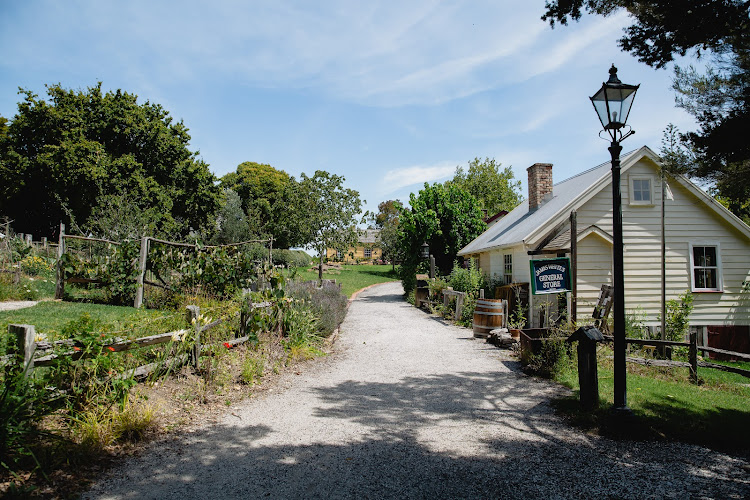
Howick Historical Village is one of those places that quietly surprises you. It doesn’t shout for attention. It just opens its gates and lets you wander into another century. Set out like a small colonial settlement, this open-air history museum recreates daily life in 19th-century New Zealand with a level of detail that feels thoughtful rather than theatrical. Old timber buildings line gentle paths, chickens sometimes roam where they please, and the air has that faint smell of wood, grass, and time passing. I remember my first visit thinking I’d breeze through in an hour. Three hours later, I was still poking around a general store, reading handwritten signs like I had nowhere else to be.
The village is made up of original and relocated historic buildings, not replicas pretending to be old. That matters. You feel it when you step into the colonial schoolhouse or the modest cottages where early settlers lived with fewer comforts and a lot more grit. Period clothing, tools, and household objects fill the spaces, giving context to how people cooked, learned, worked, and rested. And yes, some of it is confronting. Life was harder. Quieter too. And slower, in ways that make you question your own screen-heavy routines.
What stands out is how human the place feels. Staff and volunteers often dress in period attire, but it never tips into cheesy reenactment territory. Conversations happen naturally. Questions are welcomed. Kids get involved without being shushed. The village is also proudly women-owned and intentionally inclusive, which I personally appreciate. It creates a welcoming atmosphere where history isn’t gatekept or polished into something sterile. It’s history with fingerprints on it.
Beyond the museum aspect, Howick Historical Village doubles as a cultural center, event venue, picnic ground, and even a wedding location. On quieter days, it’s peaceful enough to hear birdsong and your own footsteps. On event days, especially during heritage festivals, it becomes lively, with demonstrations, music, and the occasional whiff of baking bread drifting through the air. Either way, it manages to balance education with simple enjoyment. And there’s a café on site, which, trust me, you’ll be grateful for after wandering dirt paths for a couple of hours.
Key Features
- Authentic colonial-era buildings including cottages, a church, a schoolhouse, and early commercial stores
- Extensive collection of period clothing, tools, furniture, and everyday artifacts displayed inside original structures
- Living history elements with staff and volunteers in period dress sharing stories and demonstrations
- Family-friendly layout with open spaces where kids can explore without constant supervision
- Onsite café and restrooms, plus picnic areas if you prefer to bring your own food
- Wheelchair accessible entrances, parking, restrooms, and wheelchair rentals available
- Gift shop stocked with locally inspired items, books, and old-fashioned treats
- Popular venue for cultural events, school visits, markets, and weddings
- Strong focus on inclusivity, being LGBTQ+ friendly and a transgender safe space
- Gardens and green spaces that change character with the seasons
Best Time to Visit
The village is worth visiting year-round, but timing can shape your experience quite a bit. Spring and early summer are personal favorites. The gardens come alive, the paths dry out, and there’s something hopeful about seeing heritage buildings surrounded by fresh blooms. Autumn is lovely too, especially if you like crisp air and quieter crowds. Winter has its own charm, but you’ll want a good jacket, and maybe gloves, since many buildings are true to their era and not exactly cozy.
If you enjoy events, check the calendar before you go. Heritage days, themed weekends, and school holiday programs bring extra energy and activities. That said, these days can be busier. If you’re like me and prefer wandering at your own pace, aim for a weekday morning. You’ll have space to linger, read every placard, and maybe strike up a longer chat with a guide without feeling rushed.
Weather matters here more than at indoor museums. While there are plenty of sheltered spaces, the village is outdoors, and rain changes the vibe. Not necessarily in a bad way. I once visited on a drizzly afternoon, and the creak of wooden floors and smell of damp earth somehow made everything feel more real. Still, comfortable shoes and a weather check will save you some grumbling.
How to Get There
Getting to Howick Historical Village is fairly straightforward, especially if you’re already exploring the greater Auckland area. Driving is the easiest option, and there’s ample parking on site, including accessible spaces. The roads leading in are well signposted, and you won’t find yourself stuck on some mysterious backroad wondering if you’ve gone too far. I’ve been there.
Public transport is doable too, though it takes a bit more planning. Buses run to the Howick area, and from there it’s a manageable walk or short rideshare trip to the village. If you’re visiting without a car, give yourself extra time. Rushing through a place like this defeats the point anyway.
For travelers building a day itinerary, the village pairs well with nearby coastal walks, local cafés, or a lazy afternoon picnic. It’s not the kind of attraction you squeeze between errands. It deserves a proper slot in your day, ideally when you’re not checking your watch every five minutes.
Tips for Visiting
First tip, and I say this with love: wear comfortable shoes. The paths are a mix of grass, gravel, and dirt, and you’ll be on your feet more than you expect. Second, give yourself at least two to three hours. Even if you think you’re not a history person, the place has a way of pulling you in. One building leads to another, and suddenly you’re reading about schooling practices from 150 years ago and comparing them to your own childhood. Or maybe that’s just me.
Bring kids? Let them roam a little. This isn’t a fragile museum full of glass cases. It’s designed for curiosity. Ask staff questions. They love it. And don’t skip the café. It’s a good spot to rest, refuel, and reflect on what you’ve seen. If you’re visiting during an event day, arrive earlier rather than later. Things tend to build momentum as the day goes on.
Accessibility is taken seriously here, which is refreshing. If you or someone in your group needs mobility support, take advantage of the wheelchair rentals and accessible facilities. It makes a real difference. And finally, slow down. Put your phone away for a bit. Sit on a bench. Listen. Places like Howick Historical Village aren’t about ticking boxes or grabbing photos for social media. They’re about stepping out of your own timeline and remembering that ordinary lives from the past shaped the world you’re walking through today. And honestly, that’s a gift worth taking your time with.
Key Features
- Authentic colonial-era buildings including cottages, a church, a schoolhouse, and early commercial stores
- Extensive collection of period clothing, tools, furniture, and everyday artifacts displayed inside original structures
- Living history elements with staff and volunteers in period dress sharing stories and demonstrations
- Family-friendly layout with open spaces where kids can explore without constant supervision
- Onsite café and restrooms, plus picnic areas if you prefer to bring your own food
- Wheelchair accessible entrances, parking, restrooms, and wheelchair rentals available
- Gift shop stocked with locally inspired items, books, and old-fashioned treats
- Popular venue for cultural events, school visits, markets, and weddings
Tours & Activities
GetYourGuide provides this tour inventory. We may earn a commission if you book through it; verify current availability, prices, and terms with the provider.
Visitor Reviews
There are no reviews yet. Be the first one to write one.
Share Your Experience
Have you visited Howick Historical Village? Help other travelers by leaving a review.