
Ambury Farm
About Ambury Farm
Description
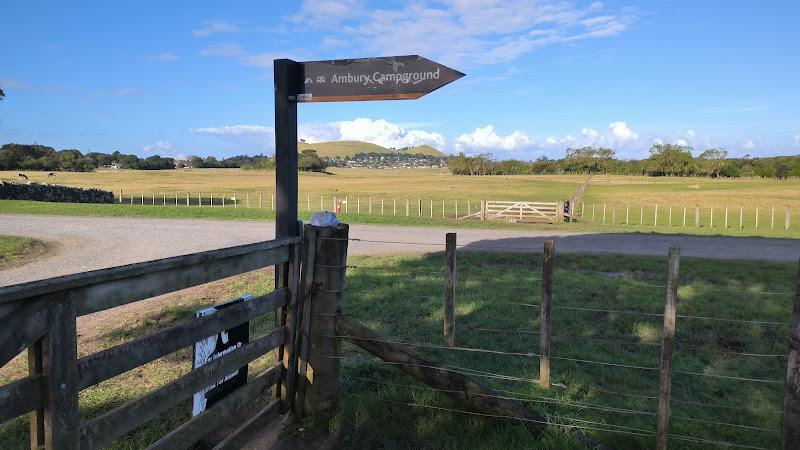
Ambury Farm is one of those places that quietly wins you over. It doesn’t shout for attention, and that’s part of the charm. Set within a working farm environment, this spot blends open green space, animals doing their everyday thing, and wide coastal views that somehow make you slow down without realizing it. It’s technically a farm, yes, but it also feels like a pause button on city life. And if you’re traveling through the area and craving something grounded, literal dirt-under-your-shoes kind of grounded, this is it.
What stands out straight away is that Ambury Farm isn’t pretending to be polished. You’ll smell hay, hear animals calling out to each other, and maybe step around a muddy patch or two. That’s real life here. I remember visiting on a breezy afternoon and thinking I’d just stay for a quick walk. Three hours later, I was still wandering, watching sheep do sheep things and chatting with a local family who come almost every weekend. That says a lot.
The farm operates as an educational and recreational space, which means you’ll see livestock like cows, pigs, sheep, goats, and poultry up close. But it never feels like a zoo. The animals have room, and visitors are encouraged to observe respectfully. There are clear signs explaining farming practices, seasonal changes, and animal care, which makes it especially appealing for travelers curious about how local agriculture actually works rather than some glossy postcard version of it.
Accessibility is thoughtfully handled too. Paths are generally wide and manageable, and there’s wheelchair-accessible entry and parking available. That matters more than people think. Travel should be inclusive, and Ambury Farm does a solid job here without making a fuss about it.
And then there’s the landscape. Parts of the farm open out toward the water, with long, low views that feel almost meditative. You might hear planes in the distance or the wind rushing through grass. It’s not silent, but it’s calm. I’ve had some of my best “thinking walks” here, the kind where you don’t check your phone once, which is saying something these days.
Key Features
- Working farm with sheep, cattle, pigs, goats, and poultry visible year-round
- Educational signage explaining farming practices and animal care
- Large open spaces ideal for walking, slow wandering, and picnics
- Coastal views that add a surprising scenic layer to a farm visit
- Wheelchair-accessible entrance and parking for inclusive access
- Onsite services that support day visitors without over-commercializing the space
- Family-friendly environment where kids can observe animals safely
- Less crowded feel compared to more famous attractions, even on weekends
Best Time to Visit
The beauty of Ambury Farm is that it changes with the seasons, and honestly, that’s half the reason to come back more than once. Spring is a favorite for many travelers, and I get why. This is when you’re most likely to see newborn animals wobbling around, which is equal parts adorable and slightly chaotic. The grass is greener, the air feels lighter, and everything seems to hum with energy.
Summer brings longer days and warmer weather, perfect for extended walks and lazy picnics. But a small heads-up from someone who’s been there sweating: bring sun protection. There’s plenty of open space, and shade can be patchy in areas. Early mornings or later afternoons are your best bet during hotter months.
Autumn is underrated here. The crowds thin out, the light gets softer, and the farm takes on a quieter mood. I once visited on an overcast autumn day and it felt almost cinematic, like the world had slowed down just for that afternoon. If you enjoy photography, this season is gold.
Winter is cooler and can be muddy, yes. But it’s also peaceful. If you don’t mind bundling up and wearing proper shoes, winter visits can feel incredibly intimate. Fewer people, more space, and that crisp air that wakes you up. Just check the weather before you go, because rain can change the experience quite a bit.
How to Get There
Getting to Ambury Farm is fairly straightforward, especially if you’re traveling by car. It’s well known among locals, so most navigation apps will guide you there without trouble. Parking is available and includes accessible options, which is a relief if you’re traveling with mobility needs or young kids who don’t love long walks from distant parking spots.
If you’re relying on public transport, it may take a bit more planning. You’ll likely need to combine bus routes with a short walk. That walk, though, can be part of the experience. You start noticing the shift from urban surroundings to more open land, and it sort of sets the mood before you even arrive.
For travelers cycling, the surrounding area can be enjoyable, but be mindful of traffic and weather. And if you’re on foot already exploring nearby neighborhoods, Ambury Farm can be a surprisingly rewarding detour, one that feels much farther from the city than it actually is.
Tips for Visiting
First tip, and I say this from experience: wear proper shoes. This is a working farm, not a manicured park. Paths can be uneven, muddy, or dusty depending on the season. I once wore white sneakers here. Bad idea. Learned my lesson the hard way.
Bring water and snacks, especially if you’re traveling with kids or planning to stay a while. There are onsite services, but the farm isn’t about convenience shopping. It’s about being present. A simple picnic goes a long way here, and there’s something oddly satisfying about eating a sandwich while watching cows graze nearby.
Respect the animals. This might sound obvious, but it’s worth repeating. Follow posted guidelines, don’t feed animals unless explicitly allowed, and keep a safe distance. The animals are calm, but they’re not props. Teaching kids this respect is actually one of the quiet strengths of visiting Ambury Farm.
Give yourself time. Don’t rush it. I’ve seen people breeze through in under an hour, and sure, you can do that. But you’ll miss the subtle stuff. The way the light changes. The rhythm of the farm. The conversations you might strike up with locals who know the place inside out.
If accessibility matters for you or someone you’re traveling with, you’ll be pleased to know that the farm makes a genuine effort here. Still, it’s smart to plan your route in advance and stick to the more accessible paths if needed.
And finally, manage expectations. Ambury Farm isn’t flashy. It’s not curated for social media trends. Some visitors leave wishing for more entertainment or cafés or guided tours. But if you come looking for authenticity, fresh air, and a glimpse into real farm life, you’ll probably leave feeling better than when you arrived. I usually do.
For travelers who want to step outside the usual itinerary and experience something honest and grounding, Ambury Farm quietly delivers. No hype, no pressure. Just space, animals, and a reminder that slowing down is sometimes the best part of the journey.
Key Features
- Working farm with sheep, cattle, pigs, goats, and poultry visible year-round
- Educational signage explaining farming practices and animal care
- Large open spaces ideal for walking, slow wandering, and picnics
- Coastal views that add a surprising scenic layer to a farm visit
- Wheelchair-accessible entrance and parking for inclusive access
- Onsite services that support day visitors without over-commercializing the space
- Family-friendly environment where kids can observe animals safely
- Less crowded feel compared to more famous attractions, even on weekends
Tours & Activities
GetYourGuide provides this tour inventory. We may earn a commission if you book through it; verify current availability, prices, and terms with the provider.
Visitor Reviews
There are no reviews yet. Be the first one to write one.
Share Your Experience
Have you visited Ambury Farm? Help other travelers by leaving a review.