
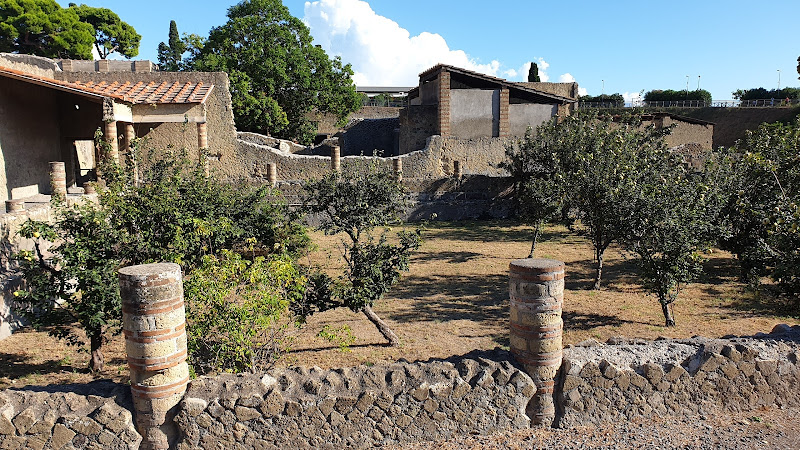
House of the Hotel
About House of the Hotel
Description
The House of the Hotel stands as one of those fascinating historical landmarks that somehow manages to slip under most tourists' radars – which honestly makes it even more special. This architectural gem represents a unique piece of hospitality history, showcasing how accommodation and community gathering spaces evolved over the centuries.
What strikes visitors most is the building's authentic preservation of period details that tell the story of travelers from bygone eras. The structure itself serves as a living museum, where each room and corridor whispers tales of guests who once sought refuge within these walls. And let me tell you, there's something genuinely moving about standing in spaces where countless journeys began and ended.
The House of the Hotel isn't just about admiring old architecture though – it's an immersive experience that connects modern travelers with the rich traditions of hospitality. The building maintains its original character while offering insights into how people lived, traveled, and connected with one another in different time periods. You'll find yourself imagining the conversations that echoed through these halls and the stories that unfolded behind each door.
Families particularly appreciate this destination because it offers educational value without feeling like a stuffy history lesson. Kids can explore the different rooms and levels while adults dive deeper into the historical significance. The interactive elements throughout the building help bring the past to life in ways that engage visitors of all ages.
Key Features
The House of the Hotel captivates visitors through several distinctive elements that set it apart from typical historical attractions:
- Original guest rooms – Preserved accommodations showing authentic period furnishings and layouts that demonstrate how travelers lived during different historical eras
- Historical reception areas – The original lobby and greeting spaces where guests were welcomed, complete with period-appropriate check-in procedures and guest registers
- Authentic dining spaces – Common areas where meals were shared, showcasing the social aspects of historical travel and community gathering
- Interactive exhibits – Hands-on displays that allow visitors to experience historical hotel operations and understand the evolution of hospitality services
- Architectural details – Original structural elements, decorative features, and building materials that showcase construction techniques from the property's era
- Period artifacts – Collections of actual items used by guests and staff, including luggage, personal belongings, and operational equipment
- Educational programs – Guided experiences that provide context about the social and economic conditions that shaped travel during the building's active period
- Photographic archives – Visual documentation showing the property's evolution and the people who made it their temporary home
Best Time to Visit
Timing your visit to the House of the Hotel can significantly impact your experience, and I've learned this from talking to other travelers who've been multiple times. The shoulder seasons – late spring through early summer and early fall – offer the most comfortable exploration conditions without overwhelming crowds.
Weekday visits typically provide a more intimate experience with the historical spaces. You'll have more time to absorb the atmosphere without feeling rushed by large tour groups. Tuesday through Thursday mornings are particularly ideal, as the natural lighting during these times enhances the architectural details and creates better photography opportunities.
Weather considerations play a role since parts of the building may have limited climate control to preserve historical integrity. Spring visits (April through May) offer pleasant temperatures for exploring multiple floors and outdoor areas. Fall months (September through October) provide similar comfort levels with the added bonus of fewer families with school-age children.
However, winter visits shouldn't be completely dismissed. The colder months create a more authentic atmosphere that mirrors how historical travelers experienced the building during harsh weather. Plus, you'll practically have the place to yourself, which allows for deeper reflection on the historical significance.
Special events and commemorative dates sometimes offer unique programming, but these can also mean larger crowds and advance ticket requirements. Check the calendar before planning your visit to decide whether you prefer standard touring or special programming experiences.
How to Get There
Reaching the House of the Hotel requires some planning, but the journey itself becomes part of the historical travel experience. Most visitors find that combining multiple transportation methods mirrors how historical guests would have approached their destination.
Public transportation serves the area reasonably well, though you'll need to walk the final portion of your journey. This walking approach actually enhances the experience – it gives you time to mentally transition from modern travel to historical exploration. The surrounding neighborhood retains much of its period character, so the approach feels like stepping back in time.
For those driving, parking availability varies by season and day of the week. The area wasn't designed for modern vehicle access, so expect to park several blocks away and walk. But honestly, this limitation works in the attraction's favor because it maintains the historical atmosphere without modern intrusions.
Regional transportation hubs connect reasonably well to the area, making day trips from larger cities quite feasible. Many visitors combine their trip to the House of the Hotel with other historical sites in the region, creating a comprehensive historical tourism experience.
Navigation apps sometimes struggle with the exact location due to the historical nature of the address system, so download offline maps or print directions before departure. The building's distinctive architecture makes it recognizable once you're in the general vicinity.
Tips for Visiting
Smart preparation transforms a good visit into an exceptional experience at the House of the Hotel. First and foremost, secure your tickets in advance – this isn't just a suggestion, it's practically essential. The limited capacity preserves the intimate historical atmosphere but means spontaneous visits often result in disappointment.
Wear comfortable walking shoes with good traction. Historical buildings weren't designed with modern safety standards, and you'll encounter original flooring materials, stairs with different dimensions than contemporary construction, and potentially uneven surfaces. I've seen too many visitors struggle because they prioritized style over practicality.
Bring layers of clothing regardless of the season. Different areas of the building maintain varying temperatures to preserve historical materials and structural integrity. What feels comfortable in the main reception area might feel quite different in upper floors or basement spaces.
Photography policies allow personal use images in most areas, but flash photography is restricted to protect sensitive materials and artifacts. Natural lighting changes throughout the day, so morning visits often provide better photographic opportunities in east-facing rooms while afternoon light enhances west-facing spaces.
Engage with any available docents or guides – their knowledge extends far beyond posted information and they often share stories that aren't included in standard materials. These conversations frequently become the most memorable part of the visit.
Plan for at least two hours for a thorough exploration. Rushing through diminishes the contemplative aspect that makes this attraction special. The House of the Hotel rewards visitors who take time to absorb the atmosphere and imagine the human stories that unfolded within these walls.
Consider visiting during different times of day if your schedule allows. Morning light, afternoon shadows, and even twilight hours each reveal different aspects of the building's character and help you understand how historical guests experienced these spaces throughout their stays.
Key Features
- Key Features
- Best Time to Visit
- How to Get There
- Tips for Visiting
More Details
Updated September 13, 2025
Table of Contents
Description
The House of the Hotel stands as one of those fascinating historical landmarks that somehow manages to slip under most tourists’ radars – which honestly makes it even more special. This architectural gem represents a unique piece of hospitality history, showcasing how accommodation and community gathering spaces evolved over the centuries.
What strikes visitors most is the building’s authentic preservation of period details that tell the story of travelers from bygone eras. The structure itself serves as a living museum, where each room and corridor whispers tales of guests who once sought refuge within these walls. And let me tell you, there’s something genuinely moving about standing in spaces where countless journeys began and ended.
The House of the Hotel isn’t just about admiring old architecture though – it’s an immersive experience that connects modern travelers with the rich traditions of hospitality. The building maintains its original character while offering insights into how people lived, traveled, and connected with one another in different time periods. You’ll find yourself imagining the conversations that echoed through these halls and the stories that unfolded behind each door.
Families particularly appreciate this destination because it offers educational value without feeling like a stuffy history lesson. Kids can explore the different rooms and levels while adults dive deeper into the historical significance. The interactive elements throughout the building help bring the past to life in ways that engage visitors of all ages.
Key Features
The House of the Hotel captivates visitors through several distinctive elements that set it apart from typical historical attractions:
- Original guest rooms – Preserved accommodations showing authentic period furnishings and layouts that demonstrate how travelers lived during different historical eras
- Historical reception areas – The original lobby and greeting spaces where guests were welcomed, complete with period-appropriate check-in procedures and guest registers
- Authentic dining spaces – Common areas where meals were shared, showcasing the social aspects of historical travel and community gathering
- Interactive exhibits – Hands-on displays that allow visitors to experience historical hotel operations and understand the evolution of hospitality services
- Architectural details – Original structural elements, decorative features, and building materials that showcase construction techniques from the property’s era
- Period artifacts – Collections of actual items used by guests and staff, including luggage, personal belongings, and operational equipment
- Educational programs – Guided experiences that provide context about the social and economic conditions that shaped travel during the building’s active period
- Photographic archives – Visual documentation showing the property’s evolution and the people who made it their temporary home
Best Time to Visit
Timing your visit to the House of the Hotel can significantly impact your experience, and I’ve learned this from talking to other travelers who’ve been multiple times. The shoulder seasons – late spring through early summer and early fall – offer the most comfortable exploration conditions without overwhelming crowds.
Weekday visits typically provide a more intimate experience with the historical spaces. You’ll have more time to absorb the atmosphere without feeling rushed by large tour groups. Tuesday through Thursday mornings are particularly ideal, as the natural lighting during these times enhances the architectural details and creates better photography opportunities.
Weather considerations play a role since parts of the building may have limited climate control to preserve historical integrity. Spring visits (April through May) offer pleasant temperatures for exploring multiple floors and outdoor areas. Fall months (September through October) provide similar comfort levels with the added bonus of fewer families with school-age children.
However, winter visits shouldn’t be completely dismissed. The colder months create a more authentic atmosphere that mirrors how historical travelers experienced the building during harsh weather. Plus, you’ll practically have the place to yourself, which allows for deeper reflection on the historical significance.
Special events and commemorative dates sometimes offer unique programming, but these can also mean larger crowds and advance ticket requirements. Check the calendar before planning your visit to decide whether you prefer standard touring or special programming experiences.
How to Get There
Reaching the House of the Hotel requires some planning, but the journey itself becomes part of the historical travel experience. Most visitors find that combining multiple transportation methods mirrors how historical guests would have approached their destination.
Public transportation serves the area reasonably well, though you’ll need to walk the final portion of your journey. This walking approach actually enhances the experience – it gives you time to mentally transition from modern travel to historical exploration. The surrounding neighborhood retains much of its period character, so the approach feels like stepping back in time.
For those driving, parking availability varies by season and day of the week. The area wasn’t designed for modern vehicle access, so expect to park several blocks away and walk. But honestly, this limitation works in the attraction’s favor because it maintains the historical atmosphere without modern intrusions.
Regional transportation hubs connect reasonably well to the area, making day trips from larger cities quite feasible. Many visitors combine their trip to the House of the Hotel with other historical sites in the region, creating a comprehensive historical tourism experience.
Navigation apps sometimes struggle with the exact location due to the historical nature of the address system, so download offline maps or print directions before departure. The building’s distinctive architecture makes it recognizable once you’re in the general vicinity.
Tips for Visiting
Smart preparation transforms a good visit into an exceptional experience at the House of the Hotel. First and foremost, secure your tickets in advance – this isn’t just a suggestion, it’s practically essential. The limited capacity preserves the intimate historical atmosphere but means spontaneous visits often result in disappointment.
Wear comfortable walking shoes with good traction. Historical buildings weren’t designed with modern safety standards, and you’ll encounter original flooring materials, stairs with different dimensions than contemporary construction, and potentially uneven surfaces. I’ve seen too many visitors struggle because they prioritized style over practicality.
Bring layers of clothing regardless of the season. Different areas of the building maintain varying temperatures to preserve historical materials and structural integrity. What feels comfortable in the main reception area might feel quite different in upper floors or basement spaces.
Photography policies allow personal use images in most areas, but flash photography is restricted to protect sensitive materials and artifacts. Natural lighting changes throughout the day, so morning visits often provide better photographic opportunities in east-facing rooms while afternoon light enhances west-facing spaces.
Engage with any available docents or guides – their knowledge extends far beyond posted information and they often share stories that aren’t included in standard materials. These conversations frequently become the most memorable part of the visit.
Plan for at least two hours for a thorough exploration. Rushing through diminishes the contemplative aspect that makes this attraction special. The House of the Hotel rewards visitors who take time to absorb the atmosphere and imagine the human stories that unfolded within these walls.
Consider visiting during different times of day if your schedule allows. Morning light, afternoon shadows, and even twilight hours each reveal different aspects of the building’s character and help you understand how historical guests experienced these spaces throughout their stays.
Key Highlights
- Key Features
- Best Time to Visit
- How to Get There
- Tips for Visiting
Location
Places to Stay Near House of the Hotel
Find and Book a Tour
Explore More Travel Guides
No reviews found! Be the first to review!
Traveler Reviews for House of the Hotel
There are no reviews yet. Be the first one to write one.
Have you visited House of the Hotel? Help other travelers by sharing your review.
You Might Also Like

Vesuvio National Park
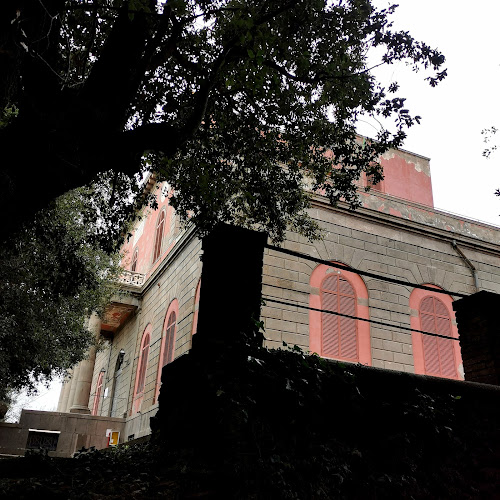
Osservatorio Vulcanologico Vesuviano - INGV
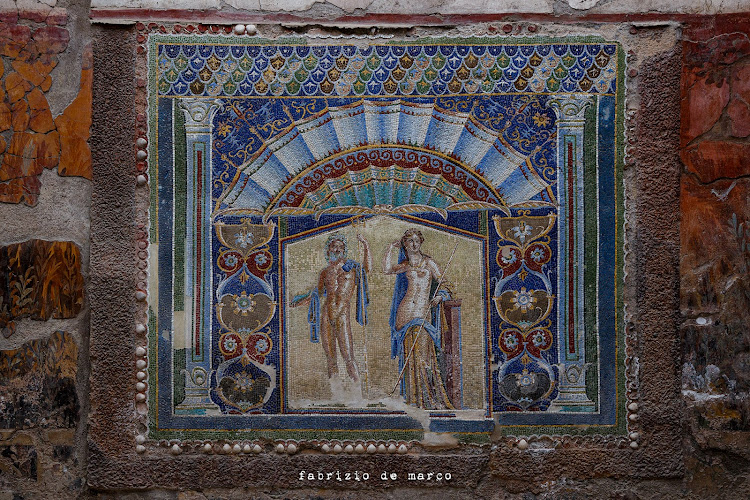
House of Neptune and Amphitrite
Find Accommodations Nearby
Recommended Tours & Activities
Visitor Reviews
There are no reviews yet. Be the first one to write one.
Share Your Experience
Have you visited House of the Hotel? Help other travelers by leaving a review.