Historic Richmond Town
About Historic Richmond Town
Description
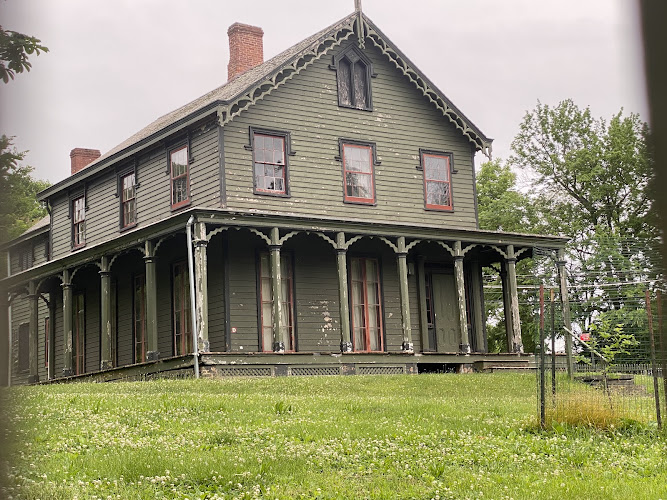
Historic Richmond Town sprawls across 100 acres of Staten Island's landscape, offering visitors a genuine glimpse into American history that stretches from the colonial period right through to modern times. This isn't your typical glass-case museum where you peer at artifacts from a distance. Instead, you'll find yourself walking through actual historic buildings, some dating back to the late 1600s, while costumed interpreters go about daily tasks much like people did centuries ago. The site brings together over 30 preserved buildings that were relocated here from across Staten Island to create what is essentially a living timeline of American domestic life. And honestly, there's something pretty special about stepping into a genuine 18th-century courthouse or watching a blacksmith work at his forge using techniques that haven't changed in 200 years. The interpreters really know their stuff, too – I've found they're usually happy to chat about everything from colonial cooking methods to the challenges of maintaining historical accuracy in their demonstrations. What sets this place apart from other historical museums is how it manages to tell the story of everyday Americans rather than just focusing on famous battles or prominent figures. You'll learn about merchants, farmers, craftspeople, and families who built their lives here over the past three centuries. The experience feels remarkably intimate compared to larger historical sites, and you can easily spend half a day wandering through different time periods without feeling rushed or overwhelmed.Key Features
The historic village contains an impressive collection of features that make it worth the trip: • Over 30 authentically restored historical buildings including homes, workshops, and public spaces representing three centuries of American architecture • Live demonstrations by costumed interpreters who practice traditional crafts like printing, carpentry, blacksmithing, and textile work throughout the day • The Voorlezer's House, dating back to around 1695, which holds the distinction of being the oldest known schoolhouse still standing in America • Seasonal events and programs including harvest festivals, historical reenactments, and holiday celebrations that bring different eras to life • A working farm that showcases agricultural practices from various historical periods, complete with heritage breed animals • The Historical Museum building housing rotating exhibitions that dive deeper into specific aspects of Staten Island and American history • Period gardens maintained using historical horticultural techniques and featuring plants that would have been grown during different eras • Theater performances that present historical dramas and educational programs suitable for various age groups • An onsite cafe and gift shop where you can grab refreshments and take home unique historical reproductions and local crafts • Comprehensive accessibility features including wheelchair-accessible entrances, parking, and restrooms throughout the site • Guided tours led by knowledgeable staff who can customize the experience based on your interests and time constraintsBest Time to Visit
Timing your visit to Historic Richmond Town can really make a difference in your experience. The site operates year-round, but each season brings its own advantages and considerations. Summer months from June through August see the most activity. All the buildings are open, interpreters are demonstrating crafts throughout the village, and the grounds look their best with the gardens in full bloom. But here's the thing – you'll be sharing the experience with school groups and summer camp visits, especially on weekdays. The heat can also be intense when you're walking between buildings without much shade. Fall, particularly September and October, might just be the sweet spot for visitors. The weather's comfortable for walking around outdoors, the autumn foliage adds gorgeous color to the historical setting, and harvest-themed events bring extra life to the site. You'll see demonstrations of apple pressing, food preservation techniques, and other seasonal activities that were crucial to historical survival. Plus, the crowds thin out once school's back in session. Spring offers another excellent window, especially if you're interested in seeing the historical gardens come to life. April and May feature mild temperatures and fewer visitors than summer. You might catch some rain, though, so pack accordingly. Winter visits have their own charm. The site hosts special holiday programs in December that showcase how different eras celebrated the season. January through March sees the fewest crowds, making it perfect for visitors who prefer a quieter, more contemplative experience. Just know that some buildings may have limited hours, and outdoor demonstrations become weather-dependent. Weekdays generally offer a more peaceful visit than weekends, though you'll want to check the schedule since some special demonstrations only happen on Saturdays and Sundays. The site typically opens at 1 PM on weekdays and 11 AM on weekends, but these hours can vary seasonally.How to Get There
Getting to Historic Richmond Town requires a bit of planning since Staten Island isn't exactly the most accessible borough for tourists, but it's definitely doable with several transportation options. If you're driving from Manhattan or Brooklyn, you'll take the Verrazano-Narrows Bridge to Staten Island, then follow local roads to the site. There's ample free parking available onsite, which honestly makes this one of the easier New York City attractions to visit by car. The drive from Midtown Manhattan typically takes 45 minutes to an hour depending on traffic, though that bridge can get backed up during rush hours. For those relying on public transportation, the journey's a bit more involved but perfectly manageable. Start by taking the Staten Island Ferry from Manhattan's Whitehall Terminal – that's the free ferry that runs 24/7 and offers fantastic views of the Statue of Liberty and Manhattan skyline. Once you arrive at the St. George Terminal on Staten Island, you'll need to catch the S74 bus, which stops right at Historic Richmond Town. The bus ride takes about 25-30 minutes. The entire journey from Manhattan to the site runs roughly an hour and a half, so factor that into your planning. Rideshare services like Uber and Lyft operate throughout Staten Island, and some visitors find it convenient to take the ferry over then grab a ride from the terminal. This cuts down on travel time compared to the bus and might make sense if you're traveling in a group where you can split the cost. Local visitors from other parts of Staten Island can access the site via several bus routes including the S54 and S57 in addition to the S74.Tips for Visiting
Walking through a 100-acre historical site requires some preparation, and I've picked up a few things that'll make your visit smoother. Wear comfortable walking shoes – and I can't stress this enough. You'll be covering significant ground on uneven paths, gravel walkways, and occasionally climbing stairs in historic buildings. Those cute sandals or fancy loafers? Save them for another day. Check the daily schedule when you arrive or even before you visit on their website. The craft demonstrations and special programs happen at specific times, and you'll want to plan your route through the village accordingly. The tinsmith might only be working in the morning while the printing demonstration happens in the afternoon. Missing these live demonstrations means missing out on what makes this place special. Bring water and snacks, though there is a cafe onsite. The walking between buildings, especially in warm weather, means you'll want to stay hydrated. And while the restaurant serves decent food, having some backup snacks helps if you're visiting with kids who suddenly get hungry between meal times. Plan for at least three to four hours if you want to see most of the significant buildings and catch a few demonstrations. Sure, you could rush through in two hours, but you'd be shortchanging yourself. This isn't a place to race through checking boxes off a list. Ask questions. The interpreters genuinely enjoy talking about their crafts and the historical periods they're representing. Some of the most interesting information I've gotten at historical sites came from just striking up conversations with the people in period costume. Photography is allowed throughout most of the site, but be respectful during demonstrations and when inside certain buildings. Flash photography might be restricted in some areas to protect artifacts. The gift shop actually stocks some interesting items beyond typical tourist souvenirs. You'll find historically accurate reproductions, local history books, and handcrafted items that make meaningful souvenirs or gifts. If you're visiting with children, pick up the family activity guide at the visitor center. It gives kids specific things to look for and questions to answer as they explore, which keeps them engaged rather than just trailing behind bored. Consider visiting during one of the special events. The site hosts seasonal festivals, historical reenactments, and themed programs throughout the year that add extra layers to the experience. The autumn harvest festival and holiday celebrations are particularly well done. Dress appropriately for the weather since you'll be outdoors much of the time. There's limited climate control in the historic buildings – they're maintained to reflect their original conditions, which means they can be chilly in winter and warm in summer. The accessibility features here are actually quite good compared to many historical sites. The main paths are paved and wheelchair accessible, and staff can provide information about which buildings have ramps or lifts available. Finally, don't try to see everything if you're feeling overwhelmed. It's better to spend quality time in fewer buildings, really absorbing the atmosphere and information, than to rush through every structure checking them off a mental list. Historic Richmond Town rewards slow, thoughtful exploration rather than frantic tourism.Key Features
- Key Features
- Best Time to Visit
- How to Get There
- Tips for Visiting
More Details
Updated March 30, 2026
Table of Contents
Description
Historic Richmond Town sprawls across 100 acres of Staten Island’s landscape, offering visitors a genuine glimpse into American history that stretches from the colonial period right through to modern times. This isn’t your typical glass-case museum where you peer at artifacts from a distance. Instead, you’ll find yourself walking through actual historic buildings, some dating back to the late 1600s, while costumed interpreters go about daily tasks much like people did centuries ago.
The site brings together over 30 preserved buildings that were relocated here from across Staten Island to create what is essentially a living timeline of American domestic life. And honestly, there’s something pretty special about stepping into a genuine 18th-century courthouse or watching a blacksmith work at his forge using techniques that haven’t changed in 200 years. The interpreters really know their stuff, too – I’ve found they’re usually happy to chat about everything from colonial cooking methods to the challenges of maintaining historical accuracy in their demonstrations.
What sets this place apart from other historical museums is how it manages to tell the story of everyday Americans rather than just focusing on famous battles or prominent figures. You’ll learn about merchants, farmers, craftspeople, and families who built their lives here over the past three centuries. The experience feels remarkably intimate compared to larger historical sites, and you can easily spend half a day wandering through different time periods without feeling rushed or overwhelmed.
Key Features
The historic village contains an impressive collection of features that make it worth the trip:
• Over 30 authentically restored historical buildings including homes, workshops, and public spaces representing three centuries of American architecture
• Live demonstrations by costumed interpreters who practice traditional crafts like printing, carpentry, blacksmithing, and textile work throughout the day
• The Voorlezer’s House, dating back to around 1695, which holds the distinction of being the oldest known schoolhouse still standing in America
• Seasonal events and programs including harvest festivals, historical reenactments, and holiday celebrations that bring different eras to life
• A working farm that showcases agricultural practices from various historical periods, complete with heritage breed animals
• The Historical Museum building housing rotating exhibitions that dive deeper into specific aspects of Staten Island and American history
• Period gardens maintained using historical horticultural techniques and featuring plants that would have been grown during different eras
• Theater performances that present historical dramas and educational programs suitable for various age groups
• An onsite cafe and gift shop where you can grab refreshments and take home unique historical reproductions and local crafts
• Comprehensive accessibility features including wheelchair-accessible entrances, parking, and restrooms throughout the site
• Guided tours led by knowledgeable staff who can customize the experience based on your interests and time constraints
Best Time to Visit
Timing your visit to Historic Richmond Town can really make a difference in your experience. The site operates year-round, but each season brings its own advantages and considerations.
Summer months from June through August see the most activity. All the buildings are open, interpreters are demonstrating crafts throughout the village, and the grounds look their best with the gardens in full bloom. But here’s the thing – you’ll be sharing the experience with school groups and summer camp visits, especially on weekdays. The heat can also be intense when you’re walking between buildings without much shade.
Fall, particularly September and October, might just be the sweet spot for visitors. The weather’s comfortable for walking around outdoors, the autumn foliage adds gorgeous color to the historical setting, and harvest-themed events bring extra life to the site. You’ll see demonstrations of apple pressing, food preservation techniques, and other seasonal activities that were crucial to historical survival. Plus, the crowds thin out once school’s back in session.
Spring offers another excellent window, especially if you’re interested in seeing the historical gardens come to life. April and May feature mild temperatures and fewer visitors than summer. You might catch some rain, though, so pack accordingly.
Winter visits have their own charm. The site hosts special holiday programs in December that showcase how different eras celebrated the season. January through March sees the fewest crowds, making it perfect for visitors who prefer a quieter, more contemplative experience. Just know that some buildings may have limited hours, and outdoor demonstrations become weather-dependent.
Weekdays generally offer a more peaceful visit than weekends, though you’ll want to check the schedule since some special demonstrations only happen on Saturdays and Sundays. The site typically opens at 1 PM on weekdays and 11 AM on weekends, but these hours can vary seasonally.
How to Get There
Getting to Historic Richmond Town requires a bit of planning since Staten Island isn’t exactly the most accessible borough for tourists, but it’s definitely doable with several transportation options.
If you’re driving from Manhattan or Brooklyn, you’ll take the Verrazano-Narrows Bridge to Staten Island, then follow local roads to the site. There’s ample free parking available onsite, which honestly makes this one of the easier New York City attractions to visit by car. The drive from Midtown Manhattan typically takes 45 minutes to an hour depending on traffic, though that bridge can get backed up during rush hours.
For those relying on public transportation, the journey’s a bit more involved but perfectly manageable. Start by taking the Staten Island Ferry from Manhattan’s Whitehall Terminal – that’s the free ferry that runs 24/7 and offers fantastic views of the Statue of Liberty and Manhattan skyline. Once you arrive at the St. George Terminal on Staten Island, you’ll need to catch the S74 bus, which stops right at Historic Richmond Town. The bus ride takes about 25-30 minutes. The entire journey from Manhattan to the site runs roughly an hour and a half, so factor that into your planning.
Rideshare services like Uber and Lyft operate throughout Staten Island, and some visitors find it convenient to take the ferry over then grab a ride from the terminal. This cuts down on travel time compared to the bus and might make sense if you’re traveling in a group where you can split the cost.
Local visitors from other parts of Staten Island can access the site via several bus routes including the S54 and S57 in addition to the S74.
Tips for Visiting
Walking through a 100-acre historical site requires some preparation, and I’ve picked up a few things that’ll make your visit smoother.
Wear comfortable walking shoes – and I can’t stress this enough. You’ll be covering significant ground on uneven paths, gravel walkways, and occasionally climbing stairs in historic buildings. Those cute sandals or fancy loafers? Save them for another day.
Check the daily schedule when you arrive or even before you visit on their website. The craft demonstrations and special programs happen at specific times, and you’ll want to plan your route through the village accordingly. The tinsmith might only be working in the morning while the printing demonstration happens in the afternoon. Missing these live demonstrations means missing out on what makes this place special.
Bring water and snacks, though there is a cafe onsite. The walking between buildings, especially in warm weather, means you’ll want to stay hydrated. And while the restaurant serves decent food, having some backup snacks helps if you’re visiting with kids who suddenly get hungry between meal times.
Plan for at least three to four hours if you want to see most of the significant buildings and catch a few demonstrations. Sure, you could rush through in two hours, but you’d be shortchanging yourself. This isn’t a place to race through checking boxes off a list.
Ask questions. The interpreters genuinely enjoy talking about their crafts and the historical periods they’re representing. Some of the most interesting information I’ve gotten at historical sites came from just striking up conversations with the people in period costume.
Photography is allowed throughout most of the site, but be respectful during demonstrations and when inside certain buildings. Flash photography might be restricted in some areas to protect artifacts.
The gift shop actually stocks some interesting items beyond typical tourist souvenirs. You’ll find historically accurate reproductions, local history books, and handcrafted items that make meaningful souvenirs or gifts.
If you’re visiting with children, pick up the family activity guide at the visitor center. It gives kids specific things to look for and questions to answer as they explore, which keeps them engaged rather than just trailing behind bored.
Consider visiting during one of the special events. The site hosts seasonal festivals, historical reenactments, and themed programs throughout the year that add extra layers to the experience. The autumn harvest festival and holiday celebrations are particularly well done.
Dress appropriately for the weather since you’ll be outdoors much of the time. There’s limited climate control in the historic buildings – they’re maintained to reflect their original conditions, which means they can be chilly in winter and warm in summer.
The accessibility features here are actually quite good compared to many historical sites. The main paths are paved and wheelchair accessible, and staff can provide information about which buildings have ramps or lifts available.
Finally, don’t try to see everything if you’re feeling overwhelmed. It’s better to spend quality time in fewer buildings, really absorbing the atmosphere and information, than to rush through every structure checking them off a mental list. Historic Richmond Town rewards slow, thoughtful exploration rather than frantic tourism.
Key Highlights
- Key Features
- Best Time to Visit
- How to Get There
- Tips for Visiting
Location
Places to Stay Near Historic Richmond Town
Find and Book a Tour
Explore More Travel Guides
No reviews found! Be the first to review!
Historic Richmond Town is a prominent museums located in Staten Island.
Traveler Reviews for Historic Richmond Town
There are no reviews yet. Be the first one to write one.
Have you visited Historic Richmond Town? Help other travelers by sharing your review.
Find Accommodations Nearby
Recommended Tours & Activities
Visitor Reviews
There are no reviews yet. Be the first one to write one.
Share Your Experience
Have you visited Historic Richmond Town? Help other travelers by leaving a review.
