About Hiratsuka Shrine

Description

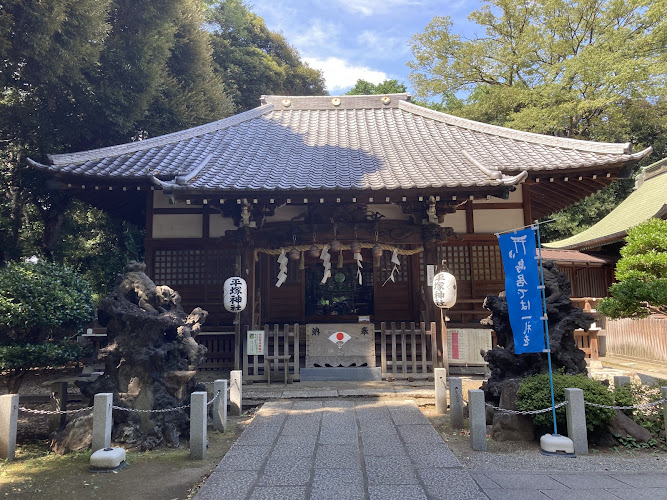
Hiratsuka Shrine represents one of those unexpected discoveries that makes traveling through Japan so rewarding. This Shinto shrine carries a historical weight that many visitors don't immediately recognize when they first approach its grounds. Connected to the legendary warrior Minamoto no Yoshiie, this sacred space offers travelers a glimpse into Japan's feudal past while maintaining its role as an active place of worship. The shrine sits quietly in its surroundings, and honestly, that's part of what makes it special. You won't find the massive crowds that descend upon some of Japan's more famous religious sites. Instead, what you'll encounter is an authentic experience where locals still come to pray, where the rituals feel genuine rather than performed for tourists. I remember visiting a similar smaller shrine years ago and being struck by how different the atmosphere felt compared to the bigger attractions – there's something about these places that just settles your mind in a way that's hard to describe. What makes Hiratsuka Shrine particularly interesting is its connection to Minamoto no Yoshiie, a samurai who lived during the Heian period and became something of a legend in Japanese military history. He was known for his tactical brilliance and his role in various conflicts that shaped medieval Japan. The shrine serves as a memorial to his legacy, and you can feel that martial history woven into the architecture and layout of the grounds. The physical space itself follows traditional Shinto architectural principles, with that distinctive combination of natural materials and precise craftsmanship that Japanese shrine builders have perfected over centuries. Walking through the grounds, visitors often comment on the peaceful atmosphere that pervades the area. And it's true – there's something about the way these spaces are designed that encourages contemplation and slows down your racing thoughts.

Key Features

  • Historical connection to Minamoto no Yoshiie, one of Japan's most celebrated samurai warriors from the Heian period
  • Traditional Shinto architecture showcasing authentic construction methods and design principles that have been maintained for generations
  • On-site parking facilities making it accessible for travelers with rental cars or those joining organized tours
  • Active worship site where visitors can observe genuine religious practices and participate in traditional Shinto rituals
  • Peaceful grounds that provide a contemplative atmosphere away from tourist crowds
  • Seasonal changes in the surrounding nature that transform the shrine's appearance throughout the year
  • Opportunity to purchase traditional omamori (protective amulets) and ema (wooden prayer plaques)
  • Main hall with intricate decorative elements reflecting feudal-era artistic sensibilities
  • Stone monuments and markers throughout the grounds providing historical context
  • Traditional torii gates marking the transition from mundane to sacred space

Best Time to Visit

Timing your visit to Hiratsuka Shrine can really enhance the experience, though I'll be honest – this isn't one of those places that becomes unbearable during peak season like some of the major temples in Kyoto. Still, knowing when to go can make a difference in what you'll see and feel. Spring brings the obvious attraction of cherry blossoms, and if there are sakura trees on or near the shrine grounds, you'll witness that magical transformation that happens across Japan. But here's the thing – everyone knows about cherry blossom season, so if you're looking for solitude, maybe consider the period just before or after peak bloom. Early April through mid-May also offers pleasant temperatures for walking around and exploring without the summer heat bearing down on you. Summer can be quite humid in this region of Japan, which makes early morning visits particularly appealing. If you can drag yourself out of bed around 7 or 8 AM, you'll catch the shrine at its most serene. The light filtering through the trees at that hour creates this ethereal quality that's difficult to capture in photographs but incredible to experience in person. Autumn might actually be my personal favorite time for visiting Shinto shrines. The fall foliage in Japan doesn't get quite as much international attention as the cherry blossoms, but it should. The reds, oranges, and yellows create a stunning backdrop, and the cooler temperatures make it comfortable to spend time wandering the grounds. Late October through November typically offers the best autumn colors, though exact timing varies from year to year. Winter visits have their own appeal. The crowds thin out considerably, and there's something special about seeing a shrine dusted with snow. New Year's is the major exception – that's when shrines across Japan become packed with people making their first prayers of the year. If you want to experience that tradition, go ahead and embrace the crowds. But if you prefer quietness, avoid the first few days of January. Weekday mornings generally offer the most peaceful experience regardless of season. Local visitors tend to stop by either very early or later in the afternoon, so mid-morning on a Tuesday or Wednesday typically means you'll have significant portions of the grounds to yourself.

How to Get There

Getting to Hiratsuka Shrine requires a bit of planning, but it's not overly complicated once you understand the transportation options available. The shrine's location makes it accessible for travelers staying in nearby cities, though you'll need to be somewhat intentional about your route. For those using public transportation, the journey typically involves train travel followed by either a bus ride or a walk. Japan's train system is remarkably efficient, and stations have English signage that makes navigation manageable even if you don't speak Japanese. From major cities in the region, you'll want to check the local train schedules and plan your route accordingly. The nearest stations will have information about bus connections or walking routes to the shrine. Having a rental car definitely simplifies the logistics, and this is where that on-site parking becomes really valuable. If you're planning to explore multiple shrines and temples in the area, having your own vehicle gives you the flexibility to move at your own pace without being constrained by bus schedules. Just remember that driving in Japan means staying on the left side of the road, and GPS in English is essential for navigation. Taxis are another option, though they can get expensive for longer distances. They work well if you're combining the shrine visit with other nearby attractions and want to create your own mini-tour without the hassle of deciphering bus routes. The drivers are professional and courteous, though English communication can be limited outside major tourist areas. For travelers who prefer organized experiences, some tour companies include smaller shrines like this one in their itineraries focused on historical or cultural themes. These tours handle all the transportation logistics and usually provide context about what you're seeing, which can enhance your understanding of the site's significance. Walking from nearby accommodations is possible if you're staying close by. Japanese cities and towns are generally very walkable, and sometimes the journey to a destination becomes as memorable as the destination itself. You'll pass through neighborhoods, see daily life unfold, and get a sense of the area that you'd miss if you just drove directly to the parking lot.

Tips for Visiting

Approaching your visit to Hiratsuka Shrine with some basic knowledge will help you feel more comfortable and ensure you respect the sacred nature of the space. These aren't rigid rules that'll get you kicked out if you make a mistake – Japanese people are generally very understanding with foreign visitors – but following these guidelines shows respect and enriches your experience. First off, understanding basic Shinto etiquette matters. At the purification fountain near the entrance, you'll see a pavilion with long-handled ladles. The ritual is simple: take a ladle with your right hand, fill it with water, and pour some over your left hand. Then switch hands and cleanse your right hand. Pour water into your left palm and rinse your mouth (don't drink directly from the ladle), then tilt the ladle vertically to let water run down the handle. It's a symbolic cleansing before entering the sacred space. When approaching the main hall, you'll notice a rope with bells attached. The proper way to pray involves bowing twice, clapping your hands twice, saying your prayer silently, then bowing once more. But honestly, if you're just there to observe and soak in the atmosphere, that's perfectly acceptable too. Not everyone who visits participates in the religious aspects, and that's understood. Dress appropriately without being overly formal. You don't need to wear a suit or anything like that, but showing up in beachwear or clothing with offensive imagery wouldn't be respectful. Comfortable walking shoes make sense since you'll be exploring the grounds, and remember that some areas might have gravel paths. Photography is generally permitted in shrine grounds, but always check for signs indicating restricted areas. The main worship hall might have limitations, and you should never photograph people who are actively praying without permission. I've seen tourists get so focused on capturing the perfect shot that they forget they're in a place where people are practicing their religion. Be mindful. Bringing small bills (100 yen coins especially) is useful if you want to make an offering or purchase amulets. Most shrines don't accept credit cards for these items, so having cash on hand prevents disappointment. Consider timing your visit to witness any special ceremonies or festivals if the shrine hosts them. These events provide incredible insight into living religious traditions, though they may also mean larger crowds. Check ahead if possible to see what might be happening during your visit. The on-site parking is convenient, but during festivals or busy periods it might fill up. Arriving earlier in the day generally ensures you'll find a spot without difficulty. Take your time exploring beyond just the main structures. Smaller shrines within the grounds, stone lanterns, monuments, and natural features all contribute to the overall experience. Some of my best memories from shrine visits come from quiet moments sitting on a bench, watching the interplay of light and shadow, listening to the sounds of leaves and distant prayers. If you want to purchase omamori (protective amulets), know that these aren't souvenirs in the traditional sense – they're considered to carry spiritual significance. Choose one that corresponds to your needs or hopes, whether that's safe travels, good health, or success in endeavors. They make meaningful gifts too, showing thoughtfulness in understanding Japanese customs. Finally, remember that this is a functioning place of worship, not a museum. The reverence shown by local visitors should guide your behavior. Speak softly, move thoughtfully, and allow yourself to absorb the atmosphere that's been cultivated over centuries. That's when these places reveal their real magic – not through Instagram-perfect photos, but through genuine presence and openness to experiencing something different from your everyday life.

Key Features

  • Heian-period origins and historical connections to regional samurai families
  • Picturesque tree-lined sando with seasonal cherry blossoms
  • Compact, well-preserved main hall and auxiliary shrines
  • Atmospheric, low-crowd setting ideal for photography and quiet reflection
  • Convenient location near Kami-Nakazato station and local museums/parks

More Details

Updated March 30, 2026

Description

Hiratsuka Shrine represents one of those unexpected discoveries that makes traveling through Japan so rewarding. This Shinto shrine carries a historical weight that many visitors don’t immediately recognize when they first approach its grounds. Connected to the legendary warrior Minamoto no Yoshiie, this sacred space offers travelers a glimpse into Japan’s feudal past while maintaining its role as an active place of worship.

The shrine sits quietly in its surroundings, and honestly, that’s part of what makes it special. You won’t find the massive crowds that descend upon some of Japan’s more famous religious sites. Instead, what you’ll encounter is an authentic experience where locals still come to pray, where the rituals feel genuine rather than performed for tourists. I remember visiting a similar smaller shrine years ago and being struck by how different the atmosphere felt compared to the bigger attractions – there’s something about these places that just settles your mind in a way that’s hard to describe.

What makes Hiratsuka Shrine particularly interesting is its connection to Minamoto no Yoshiie, a samurai who lived during the Heian period and became something of a legend in Japanese military history. He was known for his tactical brilliance and his role in various conflicts that shaped medieval Japan. The shrine serves as a memorial to his legacy, and you can feel that martial history woven into the architecture and layout of the grounds.

The physical space itself follows traditional Shinto architectural principles, with that distinctive combination of natural materials and precise craftsmanship that Japanese shrine builders have perfected over centuries. Walking through the grounds, visitors often comment on the peaceful atmosphere that pervades the area. And it’s true – there’s something about the way these spaces are designed that encourages contemplation and slows down your racing thoughts.

Key Features

  • Historical connection to Minamoto no Yoshiie, one of Japan’s most celebrated samurai warriors from the Heian period
  • Traditional Shinto architecture showcasing authentic construction methods and design principles that have been maintained for generations
  • On-site parking facilities making it accessible for travelers with rental cars or those joining organized tours
  • Active worship site where visitors can observe genuine religious practices and participate in traditional Shinto rituals
  • Peaceful grounds that provide a contemplative atmosphere away from tourist crowds
  • Seasonal changes in the surrounding nature that transform the shrine’s appearance throughout the year
  • Opportunity to purchase traditional omamori (protective amulets) and ema (wooden prayer plaques)
  • Main hall with intricate decorative elements reflecting feudal-era artistic sensibilities
  • Stone monuments and markers throughout the grounds providing historical context
  • Traditional torii gates marking the transition from mundane to sacred space

Best Time to Visit

Timing your visit to Hiratsuka Shrine can really enhance the experience, though I’ll be honest – this isn’t one of those places that becomes unbearable during peak season like some of the major temples in Kyoto. Still, knowing when to go can make a difference in what you’ll see and feel.

Spring brings the obvious attraction of cherry blossoms, and if there are sakura trees on or near the shrine grounds, you’ll witness that magical transformation that happens across Japan. But here’s the thing – everyone knows about cherry blossom season, so if you’re looking for solitude, maybe consider the period just before or after peak bloom. Early April through mid-May also offers pleasant temperatures for walking around and exploring without the summer heat bearing down on you.

Summer can be quite humid in this region of Japan, which makes early morning visits particularly appealing. If you can drag yourself out of bed around 7 or 8 AM, you’ll catch the shrine at its most serene. The light filtering through the trees at that hour creates this ethereal quality that’s difficult to capture in photographs but incredible to experience in person.

Autumn might actually be my personal favorite time for visiting Shinto shrines. The fall foliage in Japan doesn’t get quite as much international attention as the cherry blossoms, but it should. The reds, oranges, and yellows create a stunning backdrop, and the cooler temperatures make it comfortable to spend time wandering the grounds. Late October through November typically offers the best autumn colors, though exact timing varies from year to year.

Winter visits have their own appeal. The crowds thin out considerably, and there’s something special about seeing a shrine dusted with snow. New Year’s is the major exception – that’s when shrines across Japan become packed with people making their first prayers of the year. If you want to experience that tradition, go ahead and embrace the crowds. But if you prefer quietness, avoid the first few days of January.

Weekday mornings generally offer the most peaceful experience regardless of season. Local visitors tend to stop by either very early or later in the afternoon, so mid-morning on a Tuesday or Wednesday typically means you’ll have significant portions of the grounds to yourself.

How to Get There

Getting to Hiratsuka Shrine requires a bit of planning, but it’s not overly complicated once you understand the transportation options available. The shrine’s location makes it accessible for travelers staying in nearby cities, though you’ll need to be somewhat intentional about your route.

For those using public transportation, the journey typically involves train travel followed by either a bus ride or a walk. Japan’s train system is remarkably efficient, and stations have English signage that makes navigation manageable even if you don’t speak Japanese. From major cities in the region, you’ll want to check the local train schedules and plan your route accordingly. The nearest stations will have information about bus connections or walking routes to the shrine.

Having a rental car definitely simplifies the logistics, and this is where that on-site parking becomes really valuable. If you’re planning to explore multiple shrines and temples in the area, having your own vehicle gives you the flexibility to move at your own pace without being constrained by bus schedules. Just remember that driving in Japan means staying on the left side of the road, and GPS in English is essential for navigation.

Taxis are another option, though they can get expensive for longer distances. They work well if you’re combining the shrine visit with other nearby attractions and want to create your own mini-tour without the hassle of deciphering bus routes. The drivers are professional and courteous, though English communication can be limited outside major tourist areas.

For travelers who prefer organized experiences, some tour companies include smaller shrines like this one in their itineraries focused on historical or cultural themes. These tours handle all the transportation logistics and usually provide context about what you’re seeing, which can enhance your understanding of the site’s significance.

Walking from nearby accommodations is possible if you’re staying close by. Japanese cities and towns are generally very walkable, and sometimes the journey to a destination becomes as memorable as the destination itself. You’ll pass through neighborhoods, see daily life unfold, and get a sense of the area that you’d miss if you just drove directly to the parking lot.

Tips for Visiting

Approaching your visit to Hiratsuka Shrine with some basic knowledge will help you feel more comfortable and ensure you respect the sacred nature of the space. These aren’t rigid rules that’ll get you kicked out if you make a mistake – Japanese people are generally very understanding with foreign visitors – but following these guidelines shows respect and enriches your experience.

First off, understanding basic Shinto etiquette matters. At the purification fountain near the entrance, you’ll see a pavilion with long-handled ladles. The ritual is simple: take a ladle with your right hand, fill it with water, and pour some over your left hand. Then switch hands and cleanse your right hand. Pour water into your left palm and rinse your mouth (don’t drink directly from the ladle), then tilt the ladle vertically to let water run down the handle. It’s a symbolic cleansing before entering the sacred space.

When approaching the main hall, you’ll notice a rope with bells attached. The proper way to pray involves bowing twice, clapping your hands twice, saying your prayer silently, then bowing once more. But honestly, if you’re just there to observe and soak in the atmosphere, that’s perfectly acceptable too. Not everyone who visits participates in the religious aspects, and that’s understood.

Dress appropriately without being overly formal. You don’t need to wear a suit or anything like that, but showing up in beachwear or clothing with offensive imagery wouldn’t be respectful. Comfortable walking shoes make sense since you’ll be exploring the grounds, and remember that some areas might have gravel paths.

Photography is generally permitted in shrine grounds, but always check for signs indicating restricted areas. The main worship hall might have limitations, and you should never photograph people who are actively praying without permission. I’ve seen tourists get so focused on capturing the perfect shot that they forget they’re in a place where people are practicing their religion. Be mindful.

Bringing small bills (100 yen coins especially) is useful if you want to make an offering or purchase amulets. Most shrines don’t accept credit cards for these items, so having cash on hand prevents disappointment.

Consider timing your visit to witness any special ceremonies or festivals if the shrine hosts them. These events provide incredible insight into living religious traditions, though they may also mean larger crowds. Check ahead if possible to see what might be happening during your visit.

The on-site parking is convenient, but during festivals or busy periods it might fill up. Arriving earlier in the day generally ensures you’ll find a spot without difficulty.

Take your time exploring beyond just the main structures. Smaller shrines within the grounds, stone lanterns, monuments, and natural features all contribute to the overall experience. Some of my best memories from shrine visits come from quiet moments sitting on a bench, watching the interplay of light and shadow, listening to the sounds of leaves and distant prayers.

If you want to purchase omamori (protective amulets), know that these aren’t souvenirs in the traditional sense – they’re considered to carry spiritual significance. Choose one that corresponds to your needs or hopes, whether that’s safe travels, good health, or success in endeavors. They make meaningful gifts too, showing thoughtfulness in understanding Japanese customs.

Finally, remember that this is a functioning place of worship, not a museum. The reverence shown by local visitors should guide your behavior. Speak softly, move thoughtfully, and allow yourself to absorb the atmosphere that’s been cultivated over centuries. That’s when these places reveal their real magic – not through Instagram-perfect photos, but through genuine presence and openness to experiencing something different from your everyday life.

Key Highlights

  • Heian-period origins and historical connections to regional samurai families
  • Picturesque tree-lined sando with seasonal cherry blossoms
  • Compact, well-preserved main hall and auxiliary shrines
  • Atmospheric, low-crowd setting ideal for photography and quiet reflection
  • Convenient location near Kami-Nakazato station and local museums/parks

Location

Places to Stay Near Hiratsuka Shrine

Find and Book a Tour

Explore More Travel Guides

No reviews found! Be the first to review!

Hiratsuka Shrine is a prominent attractions located in Kita City.

Visit us at: 1 Chome-47-1 Kaminakazato, Kita City, Tokyo 114-0016, Japan.

Traveler Reviews for Hiratsuka Shrine

There are no reviews yet. Be the first one to write one.

Share Your Experience

Have you visited Hiratsuka Shrine? Help other travelers by sharing your review.

Nearby Attractions

Tokyo University of Science (local campuses and grounds) Former Furukawa Gardens (nearby garden and park spaces) Earthquake Science Museum (accessible local museum)

Find Accommodations Nearby

Recommended Tours & Activities

Visitor Reviews

There are no reviews yet. Be the first one to write one.

Share Your Experience

Have you visited Hiratsuka Shrine? Help other travelers by leaving a review.