About Kita City Asukayama Museum

Description

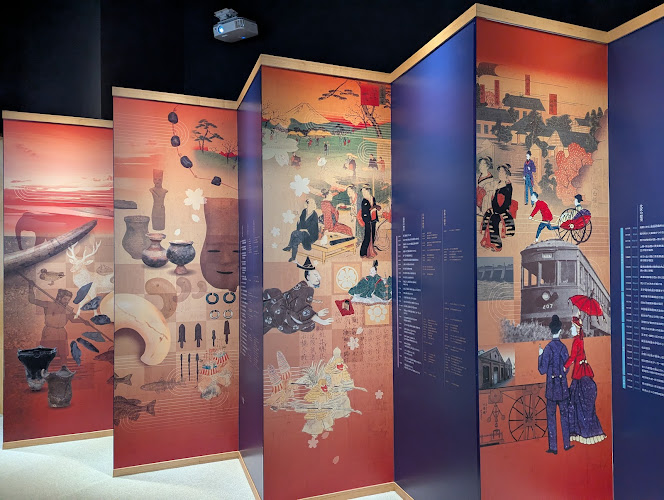
The Kita City Asukayama Museum offers travelers an authentic glimpse into one of Tokyo's most historically rich neighborhoods, and honestly, it's one of those places that doesn't get nearly enough attention in most travel guides. I've always thought that the best way to really understand a city is through its local museums, and this particular gem does exactly that for Kita City. Located within the beautiful Asukayama Park, the museum opened its doors in 1998 with a mission to preserve and showcase the cultural heritage of the Kita ward area. What makes this museum special is how it brings together archaeological finds, historical documents, and everyday objects that tell the story of ordinary people who lived in this part of Tokyo throughout the centuries. It's not trying to be the flashy, high-tech museum experience you might find in other parts of the city – and that's actually refreshing. The building itself was designed to complement the natural surroundings of Asukayama Park, which has been a favorite cherry blossom viewing spot since the Edo period. The museum's exhibits focus primarily on three main themes: the daily life of residents from the Edo period through modern times, the transformation of the local landscape, and the cultural traditions that shaped the community. And I have to say, they've done a thoughtful job of making historical content accessible without dumbing it down. What struck me most about this museum is its dedication to telling stories that bigger, more famous museums might overlook. You'll find reconstructed streetscapes from the Meiji and Taisho periods, displays of traditional crafts that were once common in the area, and fascinating details about how industrialization changed the neighborhood. The museum doesn't just show you artifacts behind glass – it creates contexts that help you understand what life was really like for people who called this area home.

Key Features

The museum packs quite a bit into its space, and visitors typically find several standout features that make the trip worthwhile:
  • Permanent exhibition halls showcasing Kita City's development from ancient times through the present day, with particularly strong sections on the Edo period
  • Life-size reconstructions of historical street scenes that let you step back in time and see what neighborhood shops and homes actually looked like
  • An impressive collection of archaeological artifacts excavated from sites throughout Kita ward, including pottery, tools, and other objects dating back thousands of years
  • Interactive displays designed specifically for younger visitors, making it genuinely family-friendly without being childish
  • Special exhibition spaces that rotate throughout the year, featuring everything from local artists to thematic historical displays
  • A well-curated collection of photographs documenting how the area transformed during the rapid modernization of the 20th century
  • Educational programs and workshops that run regularly, though you'll want to check their schedule in advance
  • Full accessibility features including wheelchair-accessible entrances, restrooms, and parking facilities
  • An on-site restaurant where you can grab a meal or snack before or after exploring the exhibits
  • English signage throughout most of the museum, though admittedly some sections have more comprehensive translations than others

Best Time to Visit

Timing your visit to the Kita City Asukayama Museum can actually enhance your experience quite a bit. The museum is open year-round except for Mondays and during the New Year holiday period, but certain times definitely offer advantages over others. Spring, particularly late March through early April, is undeniably the most popular time to visit because Asukayama Park transforms into one of Tokyo's premier cherry blossom viewing spots. If you're planning to combine your museum visit with hanami (cherry blossom viewing), just know that the park gets absolutely packed during peak bloom. The museum itself becomes busier too, but it's still manageable compared to the crowds outside. I'd recommend arriving early in the morning – maybe around opening time at 10 AM – to beat the heaviest crowds. But here's the thing: visiting during off-peak seasons has its own appeal. Autumn offers comfortable temperatures and the changing foliage in the park creates a beautiful backdrop without the intense crowds of spring. The museum feels more spacious, giving you time to really absorb the exhibits without feeling rushed by other visitors behind you. Winter months see the fewest tourists, which means you'll practically have the place to yourself on weekdays. It's colder, sure, but if you're someone who prefers a quieter, more contemplative museum experience, January through February might actually be your ideal time. Weekdays are generally quieter than weekends regardless of season. School groups sometimes visit during weekday mornings, particularly during the school year, but they usually clear out by early afternoon. If you want to avoid school groups entirely, visiting after 2 PM on weekdays works well.

How to Get There

Getting to the Kita City Asukayama Museum is straightforward thanks to Tokyo's excellent public transportation system, though first-time visitors sometimes get a bit confused about which exit to take. The closest train station is Oji Station, which is serviced by the JR Keihin-Tohoku Line. From Tokyo Station, it's about a 15-minute ride heading north toward Omiya. The museum sits just a few minutes walk from the station's south exit. And here's a fun detail that surprises most visitors: there's actually a free monorail called the Asukayama Park Monorail (locals call it the "Asuka-Park Rail") that runs from near the station entrance up the hill to the park area where the museum is located. It was installed to help elderly visitors and those with mobility challenges, but anyone can use it. The ride takes maybe a minute, but it's charming and practical. Alternatively, you can reach the area via the Tokyo Metro Namboku Line, getting off at Oji-Kamiya Station. From there, it's roughly a 5-minute walk to the park entrance. The Toden Arakawa Line (one of Tokyo's last remaining streetcar lines) also stops at Asukayama Station, which is right at the park's edge. Taking the streetcar is honestly one of the more enjoyable ways to arrive, as it feels like stepping back into an older version of Tokyo. For those driving, parking is available near the museum, including designated accessible parking spaces. However, parking can fill up quickly during cherry blossom season and on weekends, so public transportation usually proves more reliable.

Tips for Visiting

After learning about various visitor experiences, some practical advice can help you make the most of your time at the museum. First off, plan to spend at least 90 minutes to two hours here if you want to properly explore the permanent exhibitions. Rushing through in 30 minutes won't give you enough time to appreciate what the museum offers. If there's a special exhibition running, add another 30-45 minutes to your visit. The museum provides English audio guides for international visitors, and I'd strongly suggest using one. While many exhibits have English translations, the audio guide provides additional context that really enriches the experience. Some of the more nuanced historical details don't translate well in brief text panels, and the audio guide fills in those gaps. Photography is allowed in most areas, but flash photography is prohibited to protect the artifacts. Always check for signage in individual galleries, as some special exhibitions may have different rules. Combine your museum visit with exploring the rest of Asukayama Park. There are actually two other small museums in the park – the Paper Museum and the Shibusawa Memorial Museum – that you can visit on the same day if you're a museum enthusiast. The park itself has walking paths, play areas for children, and plenty of spots to sit and relax. The museum's restaurant is decent but not extraordinary. If you're particular about your meals, consider eating before or after your visit at one of the many restaurants near Oji Station. The station area has everything from casual ramen shops to more upscale dining options. Admission fees are quite reasonable – significantly cheaper than Tokyo's major museums – making this an excellent value for budget-conscious travelers. However, they only accept cash at the ticket counter, so come prepared. If you're visiting with children, grab one of the activity sheets available at the entrance. These worksheets turn the museum visit into a sort of scavenger hunt, keeping kids engaged with the exhibits. The museum really does cater well to families, despite being a history museum. Consider visiting on a day when you're also planning to explore the Oji area more broadly. The neighborhood has several temples, traditional shops, and the lovely Oji Inari Shrine nearby. Making a full day of exploring this less-touristy part of Tokyo gives you a different perspective on the city beyond the usual Shibuya-Shinjuku-Asakusa circuit that most travelers stick to.

Key Features

  • Permanent exhibition halls showcasing Kita City's development from ancient times through the present day, with particularly strong sections on the Edo period
  • Life-size reconstructions of historical street scenes that let you step back in time and see what neighborhood shops and homes actually looked like
  • An impressive collection of archaeological artifacts excavated from sites throughout Kita ward, including pottery, tools, and other objects dating back thousands of years
  • Interactive displays designed specifically for younger visitors, making it genuinely family-friendly without being childish
  • Special exhibition spaces that rotate throughout the year, featuring everything from local artists to thematic historical displays
  • A well-curated collection of photographs documenting how the area transformed during the rapid modernization of the 20th century
  • Educational programs and workshops that run regularly, though you'll want to check their schedule in advance
  • Full accessibility features including wheelchair-accessible entrances, restrooms, and parking facilities

More Details

Updated March 30, 2026

Description

The Kita City Asukayama Museum offers travelers an authentic glimpse into one of Tokyo’s most historically rich neighborhoods, and honestly, it’s one of those places that doesn’t get nearly enough attention in most travel guides. I’ve always thought that the best way to really understand a city is through its local museums, and this particular gem does exactly that for Kita City.

Located within the beautiful Asukayama Park, the museum opened its doors in 1998 with a mission to preserve and showcase the cultural heritage of the Kita ward area. What makes this museum special is how it brings together archaeological finds, historical documents, and everyday objects that tell the story of ordinary people who lived in this part of Tokyo throughout the centuries. It’s not trying to be the flashy, high-tech museum experience you might find in other parts of the city – and that’s actually refreshing.

The building itself was designed to complement the natural surroundings of Asukayama Park, which has been a favorite cherry blossom viewing spot since the Edo period. The museum’s exhibits focus primarily on three main themes: the daily life of residents from the Edo period through modern times, the transformation of the local landscape, and the cultural traditions that shaped the community. And I have to say, they’ve done a thoughtful job of making historical content accessible without dumbing it down.

What struck me most about this museum is its dedication to telling stories that bigger, more famous museums might overlook. You’ll find reconstructed streetscapes from the Meiji and Taisho periods, displays of traditional crafts that were once common in the area, and fascinating details about how industrialization changed the neighborhood. The museum doesn’t just show you artifacts behind glass – it creates contexts that help you understand what life was really like for people who called this area home.

Key Features

The museum packs quite a bit into its space, and visitors typically find several standout features that make the trip worthwhile:

  • Permanent exhibition halls showcasing Kita City’s development from ancient times through the present day, with particularly strong sections on the Edo period
  • Life-size reconstructions of historical street scenes that let you step back in time and see what neighborhood shops and homes actually looked like
  • An impressive collection of archaeological artifacts excavated from sites throughout Kita ward, including pottery, tools, and other objects dating back thousands of years
  • Interactive displays designed specifically for younger visitors, making it genuinely family-friendly without being childish
  • Special exhibition spaces that rotate throughout the year, featuring everything from local artists to thematic historical displays
  • A well-curated collection of photographs documenting how the area transformed during the rapid modernization of the 20th century
  • Educational programs and workshops that run regularly, though you’ll want to check their schedule in advance
  • Full accessibility features including wheelchair-accessible entrances, restrooms, and parking facilities
  • An on-site restaurant where you can grab a meal or snack before or after exploring the exhibits
  • English signage throughout most of the museum, though admittedly some sections have more comprehensive translations than others

Best Time to Visit

Timing your visit to the Kita City Asukayama Museum can actually enhance your experience quite a bit. The museum is open year-round except for Mondays and during the New Year holiday period, but certain times definitely offer advantages over others.

Spring, particularly late March through early April, is undeniably the most popular time to visit because Asukayama Park transforms into one of Tokyo’s premier cherry blossom viewing spots. If you’re planning to combine your museum visit with hanami (cherry blossom viewing), just know that the park gets absolutely packed during peak bloom. The museum itself becomes busier too, but it’s still manageable compared to the crowds outside. I’d recommend arriving early in the morning – maybe around opening time at 10 AM – to beat the heaviest crowds.

But here’s the thing: visiting during off-peak seasons has its own appeal. Autumn offers comfortable temperatures and the changing foliage in the park creates a beautiful backdrop without the intense crowds of spring. The museum feels more spacious, giving you time to really absorb the exhibits without feeling rushed by other visitors behind you.

Winter months see the fewest tourists, which means you’ll practically have the place to yourself on weekdays. It’s colder, sure, but if you’re someone who prefers a quieter, more contemplative museum experience, January through February might actually be your ideal time.

Weekdays are generally quieter than weekends regardless of season. School groups sometimes visit during weekday mornings, particularly during the school year, but they usually clear out by early afternoon. If you want to avoid school groups entirely, visiting after 2 PM on weekdays works well.

How to Get There

Getting to the Kita City Asukayama Museum is straightforward thanks to Tokyo’s excellent public transportation system, though first-time visitors sometimes get a bit confused about which exit to take.

The closest train station is Oji Station, which is serviced by the JR Keihin-Tohoku Line. From Tokyo Station, it’s about a 15-minute ride heading north toward Omiya. The museum sits just a few minutes walk from the station’s south exit. And here’s a fun detail that surprises most visitors: there’s actually a free monorail called the Asukayama Park Monorail (locals call it the “Asuka-Park Rail”) that runs from near the station entrance up the hill to the park area where the museum is located. It was installed to help elderly visitors and those with mobility challenges, but anyone can use it. The ride takes maybe a minute, but it’s charming and practical.

Alternatively, you can reach the area via the Tokyo Metro Namboku Line, getting off at Oji-Kamiya Station. From there, it’s roughly a 5-minute walk to the park entrance. The Toden Arakawa Line (one of Tokyo’s last remaining streetcar lines) also stops at Asukayama Station, which is right at the park’s edge. Taking the streetcar is honestly one of the more enjoyable ways to arrive, as it feels like stepping back into an older version of Tokyo.

For those driving, parking is available near the museum, including designated accessible parking spaces. However, parking can fill up quickly during cherry blossom season and on weekends, so public transportation usually proves more reliable.

Tips for Visiting

After learning about various visitor experiences, some practical advice can help you make the most of your time at the museum.

First off, plan to spend at least 90 minutes to two hours here if you want to properly explore the permanent exhibitions. Rushing through in 30 minutes won’t give you enough time to appreciate what the museum offers. If there’s a special exhibition running, add another 30-45 minutes to your visit.

The museum provides English audio guides for international visitors, and I’d strongly suggest using one. While many exhibits have English translations, the audio guide provides additional context that really enriches the experience. Some of the more nuanced historical details don’t translate well in brief text panels, and the audio guide fills in those gaps.

Photography is allowed in most areas, but flash photography is prohibited to protect the artifacts. Always check for signage in individual galleries, as some special exhibitions may have different rules.

Combine your museum visit with exploring the rest of Asukayama Park. There are actually two other small museums in the park – the Paper Museum and the Shibusawa Memorial Museum – that you can visit on the same day if you’re a museum enthusiast. The park itself has walking paths, play areas for children, and plenty of spots to sit and relax.

The museum’s restaurant is decent but not extraordinary. If you’re particular about your meals, consider eating before or after your visit at one of the many restaurants near Oji Station. The station area has everything from casual ramen shops to more upscale dining options.

Admission fees are quite reasonable – significantly cheaper than Tokyo’s major museums – making this an excellent value for budget-conscious travelers. However, they only accept cash at the ticket counter, so come prepared.

If you’re visiting with children, grab one of the activity sheets available at the entrance. These worksheets turn the museum visit into a sort of scavenger hunt, keeping kids engaged with the exhibits. The museum really does cater well to families, despite being a history museum.

Consider visiting on a day when you’re also planning to explore the Oji area more broadly. The neighborhood has several temples, traditional shops, and the lovely Oji Inari Shrine nearby. Making a full day of exploring this less-touristy part of Tokyo gives you a different perspective on the city beyond the usual Shibuya-Shinjuku-Asakusa circuit that most travelers stick to.

Key Highlights

  • Permanent exhibition halls showcasing Kita City's development from ancient times through the present day, with particularly strong sections on the Edo period
  • Life-size reconstructions of historical street scenes that let you step back in time and see what neighborhood shops and homes actually looked like
  • An impressive collection of archaeological artifacts excavated from sites throughout Kita ward, including pottery, tools, and other objects dating back thousands of years
  • Interactive displays designed specifically for younger visitors, making it genuinely family-friendly without being childish
  • Special exhibition spaces that rotate throughout the year, featuring everything from local artists to thematic historical displays
  • A well-curated collection of photographs documenting how the area transformed during the rapid modernization of the 20th century
  • Educational programs and workshops that run regularly, though you'll want to check their schedule in advance
  • Full accessibility features including wheelchair-accessible entrances, restrooms, and parking facilities

Location

Places to Stay Near Kita City Asukayama Museum

Find and Book a Tour

Explore More Travel Guides

No reviews found! Be the first to review!

Kita City Asukayama Museum is a prominent museums located in Kita City.

Visit us at: Japan, 〒115-0055 Tokyo, Kita City, Akabanenishi, 5 Chome−2−34 北区 ふるさと農家体験館.

Traveler Reviews for Kita City Asukayama Museum

There are no reviews yet. Be the first one to write one.

Share Your Experience

Have you visited Kita City Asukayama Museum? Help other travelers by sharing your review.

Find Accommodations Nearby

Recommended Tours & Activities

Visitor Reviews

There are no reviews yet. Be the first one to write one.

Share Your Experience

Have you visited Kita City Asukayama Museum? Help other travelers by leaving a review.