
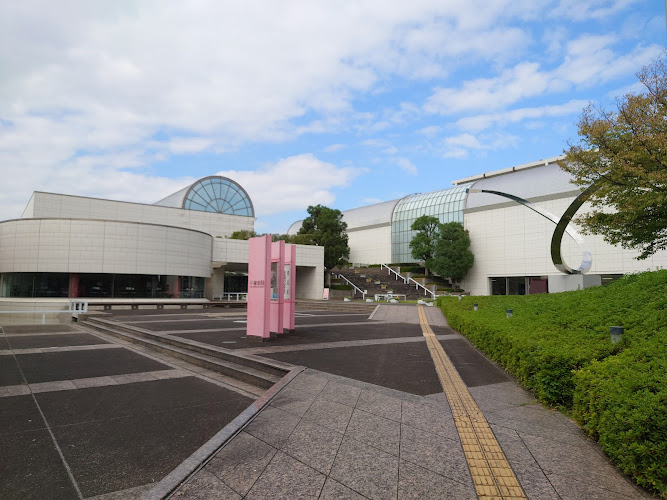
Hiratsuka Museum of Art
About Hiratsuka Museum of Art
Description
The Hiratsuka Museum of Art sits in Kanagawa prefecture as a quietly confident municipal art museum that focuses on modern and contemporary Japanese works while giving local artists a respectful platform. Visitors who appreciate prints, sculpture and thoughtfully curated temporary exhibitions will find the rooms compact but well-lit, the circulation easy to follow, and the overall mood intentionally calm. The museum has a practical, unflashy charm — not a blockbuster megastructure, but rather a sincere place where one can sit with a print or study a painting without being elbowed by a crowd.
Inside, the collection leans toward 20th-century and contemporary Japanese art, including prints and works tied to regional movements. There are often rotating special exhibitions that showcase both established names and emerging creators from the Shonan and greater Kanagawa area. In addition, small installations and sculptural pieces sometimes spill into an adjacent garden and park-like space, which gives the museum a nice indoor-outdoor rhythm. It is a comfortable fit for families, students and travelers who prefer deliberate viewing over hurried photo ops.
The museum is also noticeably accessible. Entrances and restrooms are wheelchair friendly, there is on-site parking, and amenities include a cafe or restaurant, public restrooms and complimentary Wi-Fi — small conveniences that actually make a long day of cultural exploration easier. Staff are generally helpful and, while English signage can be limited in places, the welcoming attitude makes up for it. In short, this is the kind of museum that rewards slow curiosity and a willingness to discover works that may not be on the big-city radar.
Fair-minded note: it is not huge. If someone arrives expecting a sprawling national gallery they may feel underwhelmed. But for visitors who want to experience a regional museum with solid programming, a decent permanent collection, and thoughtful temporary shows, it often exceeds expectations. The museum’s size is part of its strength: less walking, more lingering. The writer once spent nearly two hours inspecting a small series of woodblock-inspired prints in a gallery that seemed tiny at first glance — and walked out feeling like they’d been somewhere important. True story. It happens.
Key Features
- Focus on modern and contemporary Japanese art, with a notable selection of prints and regional works
- Rotating special exhibitions that highlight both established and emerging artists
- Compact galleries that make thoughtful viewing easy — good for shorter itineraries
- Wheelchair-accessible entrance, parking and restrooms for improved mobility access
- On-site restaurant/cafe for a relaxed break without leaving the building
- Free Wi-Fi and clean public restrooms — those little things that matter on travel days
- Family-friendly environment and programming that often welcomes children and students
- Nearby green space and occasional outdoor sculptures that extend the museum visit
- On-site parking for drivers and straightforward access for those combining a road trip through Kanagawa
- Informative labeling and exhibition notes (though sometimes primarily in Japanese)
Best Time to Visit
The museum is appealing year-round, but timing can improve the experience considerably. Spring and autumn offer the best combination of pleasant weather and easier travel in Kanagawa, so if someone has a flexible schedule those months are ideal. During spring, nearby parks and public spaces show their colors — cherry blossoms and fresh greenery — which complements a museum visit and makes for a more leisurely day out. In autumn, mild temperatures and the changing leaves provide a nice backdrop to the sculpture garden or outdoor walking areas.
Weekdays tend to be quieter than weekends. For those who want to really take their time with exhibits, visiting midweek in the morning right after opening often results in the most peaceful experience. Museums in regional cities sometimes stage special exhibitions or school group visits; these can be lively and fun, but if a visitor prefers solitude, avoiding school holidays and major local festivals is a good idea.
Finally, check the exhibition schedule before planning a trip. The museum’s temporary shows rotate regularly and are often the highlight; hitting the place while a noteworthy exhibition is on can turn a modest visit into a memorable one. That said, even the permanent displays tend to be carefully chosen and well maintained, so it’s rarely disappointing.
How to Get There
Access is straightforward whether arriving by car or public transport. The museum offers on-site parking, which is a boon for travelers exploring Kanagawa by rental car or driving from nearby cities. For those coming by train or bus, the museum is reachable through local transit connections. A short taxi or bus ride from the nearest station will usually do the trick if someone prefers to avoid a long walk.
Because Hiratsuka is part of the Shonan coastal area, visitors often combine the museum with nearby attractions — parks, beaches, and local markets — so planning a half- or full-day itinerary makes sense. If one is traveling from Tokyo, the journey is routinely doable as a day trip; travel times vary, of course, but Kanagawa prefecture’s rail and road networks make it an accessible option for people with modest time to spare.
Travel tip from the writer: when using local buses, keep some small change or an IC card handy. It’s a tiny thing but it saves that awkward scramble for exact fare — and yes, that scramble and short ride are part of the travel memory, but it’s nicer when it’s smooth. Also, if driving, arrive early on fair-weather weekends because popular nearby spots can fill up fast.
Tips for Visiting
Plan at least 60 to 90 minutes for a focused visit. That gives enough time to see the permanent collection and any special exhibition without rushing. If the cafe is appealing, leave extra time for a relaxed coffee break; sitting down after a gallery walk can be one of those underrated pleasures.
Buy tickets at the desk upon arrival and ask about audio guides or exhibition pamphlets. While English materials may be limited, staff often provide helpful explanations and will try to point out must-see pieces. It’s worth asking; a quick chat with staff can reveal an interesting backstory or a standout work that might otherwise be missed.
Keep an eye on seasonal programming aimed at families and students. These events are often interactive and well-executed, and they give a different kind of insight into the museum’s role in the community. For travelers with children, the museum can be unexpectedly kid-friendly — but bringing a small sketchbook or activity can help younger visitors engage with the art.
Photography policies vary by exhibition. In many cases photography is allowed without flash, but some special shows restrict it entirely. When in doubt, check signage or ask a staff member. Also, show respect for exhibits and other visitors: use quiet voices, and keep bags close. There’s nothing worse than that one loud tourist who forgets they’re in a gallery; be that considerate visitor instead.
If someone is interested in prints or the local art scene, linger in those galleries. The museum’s selection of prints and works by regional artists can be unexpectedly rewarding — often revealing themes and techniques that differ from what a person might see in Tokyo. These are the kinds of discoveries that lodge in memory, and sometimes even inspire a change of perspective.
Finally, combine the museum visit with nearby neighborhoods. A short walk around the area — whether to a park, a shrine, or a local market — helps round out the cultural experience and keeps the day from feeling like nothing but galleries. And if plans change, don’t sweat it: the compact size of the museum makes it easy to pop in and out without committing an entire day.
In short: the Hiratsuka Museum of Art is best enjoyed by those who appreciate careful curation, regional perspectives on modern art, and the small pleasures of a tidy museum visit. It’s accessible in practical ways, family-friendly, and quietly proud of the work it shows. For many travelers, it becomes a pleasant surprise — an art stop that quietly rewards curiosity and a slow, attentive gaze.
Key Features
- Focus on modern and contemporary Japanese art, with a notable selection of prints and regional works
- Rotating special exhibitions that highlight both established and emerging artists
- Compact galleries that make thoughtful viewing easy — good for shorter itineraries
- Wheelchair-accessible entrance, parking and restrooms for improved mobility access
- On-site restaurant/cafe for a relaxed break without leaving the building
- Free Wi-Fi and clean public restrooms — those little things that matter on travel days
- Family-friendly environment and programming that often welcomes children and students
- Nearby green space and occasional outdoor sculptures that extend the museum visit
More Details
Updated August 29, 2025
Table of Contents
Description
The Hiratsuka Museum of Art sits in Kanagawa prefecture as a quietly confident municipal art museum that focuses on modern and contemporary Japanese works while giving local artists a respectful platform. Visitors who appreciate prints, sculpture and thoughtfully curated temporary exhibitions will find the rooms compact but well-lit, the circulation easy to follow, and the overall mood intentionally calm. The museum has a practical, unflashy charm — not a blockbuster megastructure, but rather a sincere place where one can sit with a print or study a painting without being elbowed by a crowd.
Inside, the collection leans toward 20th-century and contemporary Japanese art, including prints and works tied to regional movements. There are often rotating special exhibitions that showcase both established names and emerging creators from the Shonan and greater Kanagawa area. In addition, small installations and sculptural pieces sometimes spill into an adjacent garden and park-like space, which gives the museum a nice indoor-outdoor rhythm. It is a comfortable fit for families, students and travelers who prefer deliberate viewing over hurried photo ops.
The museum is also noticeably accessible. Entrances and restrooms are wheelchair friendly, there is on-site parking, and amenities include a cafe or restaurant, public restrooms and complimentary Wi-Fi — small conveniences that actually make a long day of cultural exploration easier. Staff are generally helpful and, while English signage can be limited in places, the welcoming attitude makes up for it. In short, this is the kind of museum that rewards slow curiosity and a willingness to discover works that may not be on the big-city radar.
Fair-minded note: it is not huge. If someone arrives expecting a sprawling national gallery they may feel underwhelmed. But for visitors who want to experience a regional museum with solid programming, a decent permanent collection, and thoughtful temporary shows, it often exceeds expectations. The museum’s size is part of its strength: less walking, more lingering. The writer once spent nearly two hours inspecting a small series of woodblock-inspired prints in a gallery that seemed tiny at first glance — and walked out feeling like they’d been somewhere important. True story. It happens.
Key Features
- Focus on modern and contemporary Japanese art, with a notable selection of prints and regional works
- Rotating special exhibitions that highlight both established and emerging artists
- Compact galleries that make thoughtful viewing easy — good for shorter itineraries
- Wheelchair-accessible entrance, parking and restrooms for improved mobility access
- On-site restaurant/cafe for a relaxed break without leaving the building
- Free Wi-Fi and clean public restrooms — those little things that matter on travel days
- Family-friendly environment and programming that often welcomes children and students
- Nearby green space and occasional outdoor sculptures that extend the museum visit
- On-site parking for drivers and straightforward access for those combining a road trip through Kanagawa
- Informative labeling and exhibition notes (though sometimes primarily in Japanese)
Best Time to Visit
The museum is appealing year-round, but timing can improve the experience considerably. Spring and autumn offer the best combination of pleasant weather and easier travel in Kanagawa, so if someone has a flexible schedule those months are ideal. During spring, nearby parks and public spaces show their colors — cherry blossoms and fresh greenery — which complements a museum visit and makes for a more leisurely day out. In autumn, mild temperatures and the changing leaves provide a nice backdrop to the sculpture garden or outdoor walking areas.
Weekdays tend to be quieter than weekends. For those who want to really take their time with exhibits, visiting midweek in the morning right after opening often results in the most peaceful experience. Museums in regional cities sometimes stage special exhibitions or school group visits; these can be lively and fun, but if a visitor prefers solitude, avoiding school holidays and major local festivals is a good idea.
Finally, check the exhibition schedule before planning a trip. The museum’s temporary shows rotate regularly and are often the highlight; hitting the place while a noteworthy exhibition is on can turn a modest visit into a memorable one. That said, even the permanent displays tend to be carefully chosen and well maintained, so it’s rarely disappointing.
How to Get There
Access is straightforward whether arriving by car or public transport. The museum offers on-site parking, which is a boon for travelers exploring Kanagawa by rental car or driving from nearby cities. For those coming by train or bus, the museum is reachable through local transit connections. A short taxi or bus ride from the nearest station will usually do the trick if someone prefers to avoid a long walk.
Because Hiratsuka is part of the Shonan coastal area, visitors often combine the museum with nearby attractions — parks, beaches, and local markets — so planning a half- or full-day itinerary makes sense. If one is traveling from Tokyo, the journey is routinely doable as a day trip; travel times vary, of course, but Kanagawa prefecture’s rail and road networks make it an accessible option for people with modest time to spare.
Travel tip from the writer: when using local buses, keep some small change or an IC card handy. It’s a tiny thing but it saves that awkward scramble for exact fare — and yes, that scramble and short ride are part of the travel memory, but it’s nicer when it’s smooth. Also, if driving, arrive early on fair-weather weekends because popular nearby spots can fill up fast.
Tips for Visiting
Plan at least 60 to 90 minutes for a focused visit. That gives enough time to see the permanent collection and any special exhibition without rushing. If the cafe is appealing, leave extra time for a relaxed coffee break; sitting down after a gallery walk can be one of those underrated pleasures.
Buy tickets at the desk upon arrival and ask about audio guides or exhibition pamphlets. While English materials may be limited, staff often provide helpful explanations and will try to point out must-see pieces. It’s worth asking; a quick chat with staff can reveal an interesting backstory or a standout work that might otherwise be missed.
Keep an eye on seasonal programming aimed at families and students. These events are often interactive and well-executed, and they give a different kind of insight into the museum’s role in the community. For travelers with children, the museum can be unexpectedly kid-friendly — but bringing a small sketchbook or activity can help younger visitors engage with the art.
Photography policies vary by exhibition. In many cases photography is allowed without flash, but some special shows restrict it entirely. When in doubt, check signage or ask a staff member. Also, show respect for exhibits and other visitors: use quiet voices, and keep bags close. There’s nothing worse than that one loud tourist who forgets they’re in a gallery; be that considerate visitor instead.
If someone is interested in prints or the local art scene, linger in those galleries. The museum’s selection of prints and works by regional artists can be unexpectedly rewarding — often revealing themes and techniques that differ from what a person might see in Tokyo. These are the kinds of discoveries that lodge in memory, and sometimes even inspire a change of perspective.
Finally, combine the museum visit with nearby neighborhoods. A short walk around the area — whether to a park, a shrine, or a local market — helps round out the cultural experience and keeps the day from feeling like nothing but galleries. And if plans change, don’t sweat it: the compact size of the museum makes it easy to pop in and out without committing an entire day.
In short: the Hiratsuka Museum of Art is best enjoyed by those who appreciate careful curation, regional perspectives on modern art, and the small pleasures of a tidy museum visit. It’s accessible in practical ways, family-friendly, and quietly proud of the work it shows. For many travelers, it becomes a pleasant surprise — an art stop that quietly rewards curiosity and a slow, attentive gaze.
Key Highlights
- Focus on modern and contemporary Japanese art, with a notable selection of prints and regional works
- Rotating special exhibitions that highlight both established and emerging artists
- Compact galleries that make thoughtful viewing easy — good for shorter itineraries
- Wheelchair-accessible entrance, parking and restrooms for improved mobility access
- On-site restaurant/cafe for a relaxed break without leaving the building
- Free Wi-Fi and clean public restrooms — those little things that matter on travel days
- Family-friendly environment and programming that often welcomes children and students
- Nearby green space and occasional outdoor sculptures that extend the museum visit
Location
Places to Stay Near Hiratsuka Museum of Art
Find and Book a Tour
Explore More Travel Guides
No reviews found! Be the first to review!
Traveler Reviews for Hiratsuka Museum of Art
There are no reviews yet. Be the first one to write one.
Have you visited Hiratsuka Museum of Art? Help other travelers by sharing your review.
You Might Also Like
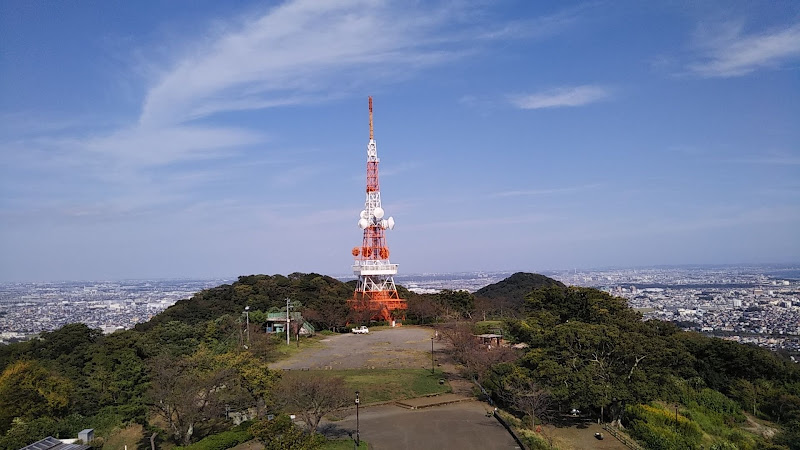
Komayama Park (Shonandaira)
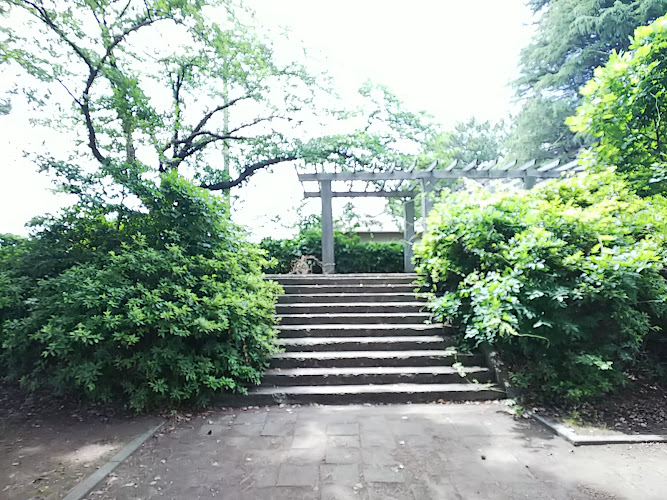
Yawata Park
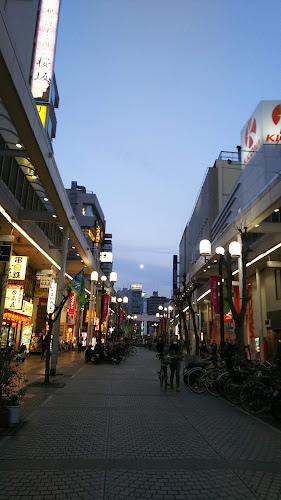
Hiratsuka
Find Accommodations Nearby
Recommended Tours & Activities
Visitor Reviews
There are no reviews yet. Be the first one to write one.
Share Your Experience
Have you visited Hiratsuka Museum of Art? Help other travelers by leaving a review.