

Handicraft Market
About Handicraft Market
Description
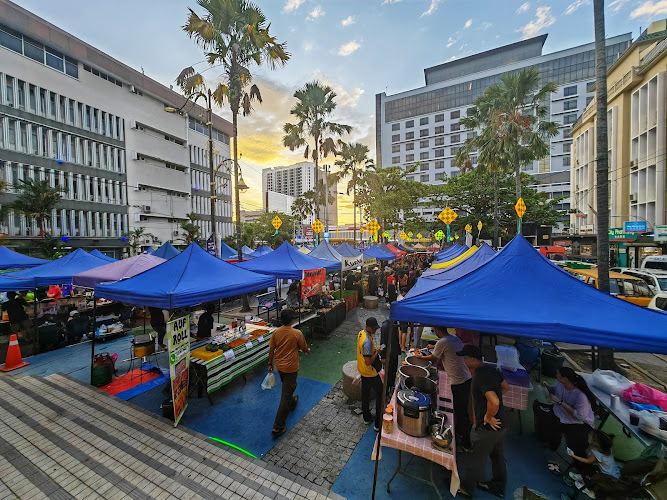
The Handicraft Market sits along the waterfront, creating an atmospheric shopping experience that merges traditional craftsmanship with the buzz of a night market environment. It's one of those places where the smell of grilled seafood mingles with the scent of incense from nearby stalls, and you'll find yourself wandering between tables laden with handmade jewelry, local textiles, and carved wooden souvenirs that actually tell a story about the region. Travelers who venture here discover more than just another tourist market. Sure, there are plenty of typical keepsakes and trinkets, but if you take time to explore the back sections and talk to the vendors, you'll uncover genuine artisan work that reflects generations of local craft traditions. I remember spending nearly three hours at a similar market once, completely losing track of time while watching an elderly craftsman demonstrate traditional metalworking techniques. That's the kind of unexpected magic these places can offer. The waterfront setting adds considerable appeal, especially during evening hours when cooler breezes roll in from the water and the market truly comes alive. Street food vendors set up their grills and woks, jewelry makers display their wares under strings of lights, and clothing stalls showcase everything from casual beach wear to more elaborate traditional garments. It's the kind of place where you might arrive planning to spend thirty minutes and suddenly realize two hours have vanished. What makes this market particularly interesting for visitors is its dual nature as both a functional seafood market and a tourist-oriented handicraft bazaar. Local families come here to buy their dinner while travelers browse for gifts and souvenirs, creating an authentic atmosphere that some purely tourist markets lack. The seafood section alone is worth exploring even if you're not planning to cook anything—watching the daily catch being sorted, cleaned, and sold provides genuine insight into coastal life and local culinary culture.Key Features
The market offers several distinctive features that set it apart from standard tourist shopping experiences: • Extensive handicraft selection featuring locally-made jewelry, textiles, wood carvings, and decorative items crafted by regional artisans • Fresh seafood market section where visitors can observe local purchasing habits and see the day's catch being prepared and sold • Diverse street food stalls serving regional specialties, grilled seafood, and traditional snacks that give travelers an authentic taste of local cuisine • Clothing vendors offering both casual tourist wear and traditional garments, with options ranging from inexpensive souvenirs to higher-quality pieces • Waterfront location providing pleasant views and cooling breezes, particularly enjoyable during evening market hours • Onsite restroom facilities, which honestly is more important than most people realize when planning a few hours of market exploration • Family-friendly environment where children can safely explore alongside parents while experiencing local culture • Opportunities to watch artisans at work, with some vendors demonstrating traditional craft techniques throughout the evening • Blend of tourist and local shoppers creating an atmosphere that feels less staged than purely tourist-focused markets • Reasonable prices with room for polite negotiation, though vendors here generally price fairly from the startBest Time to Visit
The market truly transforms as evening approaches, making late afternoon through early night the optimal visiting window. Most stalls begin setting up around 4 or 5 PM, with the market reaching full energy between 6 and 9 PM. And here's something travelers often miss—arriving around 5:30 PM gives you the advantage of exploring before peak crowds while still catching that golden hour light reflecting off the water. Weekends naturally draw larger crowds of both tourists and locals, creating a more energetic atmosphere but also meaning you'll navigate tighter spaces and potentially longer waits at popular food stalls. If you prefer a more relaxed browsing experience with easier conversations with vendors, weekday evenings offer better opportunities. Tuesday through Thursday tend to be quietest while still maintaining enough activity to keep things interesting. Seasonal considerations matter too. During peak tourist season, the market stays busier later into the evening, with vendors often remaining open past 10 PM. Off-season visits offer their own advantages though—vendors have more time for conversations, you'll find better deals, and the whole experience feels less rushed. I've found some of my best market experiences happened during shoulder seasons when I could actually discuss the craft techniques and cultural significance of items without feeling pressured by crowds. Weather plays a role since this is an outdoor waterfront venue. Rain can shut down portions of the market or at least make browsing less enjoyable, so check forecasts before planning your visit. Monsoon season brings obvious challenges, though some covered sections remain operational during light rain. The coolest months provide the most comfortable browsing conditions, particularly if you're not accustomed to tropical heat and humidity. Avoid visiting on major local holidays unless you specifically want that experience—the market either closes entirely or becomes so packed that actually shopping becomes challenging. But local festival periods can be fascinating times to visit if you don't mind crowds, as vendors often stock special items and the atmosphere takes on added cultural significance.How to Get There
Getting to the market presents several straightforward options depending on where you're staying and your comfort level with local transportation. Taxis and ride-sharing services offer the most direct route, and drivers generally know the market well enough that you won't need to provide detailed directions. Just be aware that during peak evening hours, traffic around the waterfront area can slow considerably. Public transportation provides a budget-friendly alternative, with local buses serving the waterfront district throughout the day and evening. You'll want to confirm which specific route serves the market area, as bus systems can be confusing for first-time visitors. The advantage of buses is experiencing how locals actually get around, plus you'll save significant money compared to private transportation. Many hotels and guesthouses in the surrounding area sit within walking distance, making an evening stroll to the market an enjoyable option. The waterfront promenade leading to the market offers pleasant views and a chance to observe daily life along the way. I always prefer walking to markets when feasible because you notice neighborhoods, street scenes, and small details that vanish when you're focused on navigating from inside a vehicle. Bicycle rentals represent another possibility if you're comfortable cycling in local traffic conditions and your accommodation provides secure bike storage for while you explore the market. Some travelers join organized tours that include market visits, though this limits your time and freedom to explore at your own pace. For those staying further away, consider combining your market visit with other waterfront attractions to maximize your journey. The surrounding area typically offers additional points of interest that make an evening in the district worthwhile beyond just the market itself.Tips for Visiting
Bring small bills and local currency since many vendors can't easily break large notes, and haggling becomes easier when you're dealing in smaller denominations. Though credit cards are becoming more common, cash remains king at most stalls, particularly for smaller purchases and street food. Start your visit by doing a complete walk-through before making purchases. I learned this lesson the hard way after buying what I thought was a unique carved box only to find identical ones three stalls over for half the price. Scoping out the entire market first gives you a sense of standard prices and quality ranges. Wear comfortable shoes because you'll be on your feet for hours, walking on uneven surfaces between stalls. And honestly, leave your fancy sandals at the hotel—markets can be messy, especially around the seafood and food stall areas. Bring a reusable shopping bag or small backpack for purchases. Not only is this environmentally conscious, but juggling multiple plastic bags while continuing to browse becomes frustrating quickly. Some vendors provide bags, but quality varies considerably. Photography is generally welcomed, but always ask permission before photographing vendors or artisans at work. Most appreciate the courtesy, and you'll often get better photo opportunities when you've established that brief connection. Try the street food, but exercise normal caution about choosing vendors. Stalls with steady customer flow generally serve fresher food, and watching how items are prepared helps you make informed decisions. Don't let fear prevent you from experiencing local cuisine, but use common sense about what you're comfortable trying. Bargaining is expected but should remain friendly and respectful. If a vendor won't meet your price, either accept theirs or walk away gracefully. Getting aggressive or insulting over a dollar or two reflects poorly and creates negative experiences for everyone involved. Visit the restroom facilities before you desperately need them, and carry tissues or hand sanitizer since supplies can run low during busy periods. Keep valuable items secure and maintain awareness of your surroundings, applying the same basic safety practices you'd use in any crowded public space. The market is generally safe, but opportunistic theft can happen anywhere tourists congregate. If you find an artisan whose work genuinely interests you, take time for conversation. Many vendors have fascinating stories about their crafts, family traditions, and the cultural significance of their work. These interactions often become more memorable than the items you purchase, and you might learn techniques or history that deepens your appreciation for what you're seeing. Consider purchasing early in your trip so you're not carrying souvenirs throughout your entire journey, or arrange for your accommodation to store purchases until departure. But also don't save market visits for your last evening—if you find something special, you want time to potentially return if needed. The Handicraft Market offers travelers an authentic window into local culture, craftsmanship, and culinary traditions while providing practical opportunities to find meaningful souvenirs and experience daily life beyond typical tourist attractions.Key Features
- Waterfront location with sunset views
- Wide selection of handicrafts: textiles, beadwork, woodcarving, shell items
- Evening/night market atmosphere with street food nearby
- Affordable souvenirs and opportunities to bargain
- Accessible central location near Kota Kinabalu town
More Details
Updated January 18, 2026
Table of Contents
Description
The Handicraft Market sits along the waterfront, creating an atmospheric shopping experience that merges traditional craftsmanship with the buzz of a night market environment. It’s one of those places where the smell of grilled seafood mingles with the scent of incense from nearby stalls, and you’ll find yourself wandering between tables laden with handmade jewelry, local textiles, and carved wooden souvenirs that actually tell a story about the region.
Travelers who venture here discover more than just another tourist market. Sure, there are plenty of typical keepsakes and trinkets, but if you take time to explore the back sections and talk to the vendors, you’ll uncover genuine artisan work that reflects generations of local craft traditions. I remember spending nearly three hours at a similar market once, completely losing track of time while watching an elderly craftsman demonstrate traditional metalworking techniques. That’s the kind of unexpected magic these places can offer.
The waterfront setting adds considerable appeal, especially during evening hours when cooler breezes roll in from the water and the market truly comes alive. Street food vendors set up their grills and woks, jewelry makers display their wares under strings of lights, and clothing stalls showcase everything from casual beach wear to more elaborate traditional garments. It’s the kind of place where you might arrive planning to spend thirty minutes and suddenly realize two hours have vanished.
What makes this market particularly interesting for visitors is its dual nature as both a functional seafood market and a tourist-oriented handicraft bazaar. Local families come here to buy their dinner while travelers browse for gifts and souvenirs, creating an authentic atmosphere that some purely tourist markets lack. The seafood section alone is worth exploring even if you’re not planning to cook anything—watching the daily catch being sorted, cleaned, and sold provides genuine insight into coastal life and local culinary culture.
Key Features
The market offers several distinctive features that set it apart from standard tourist shopping experiences:
• Extensive handicraft selection featuring locally-made jewelry, textiles, wood carvings, and decorative items crafted by regional artisans
• Fresh seafood market section where visitors can observe local purchasing habits and see the day’s catch being prepared and sold
• Diverse street food stalls serving regional specialties, grilled seafood, and traditional snacks that give travelers an authentic taste of local cuisine
• Clothing vendors offering both casual tourist wear and traditional garments, with options ranging from inexpensive souvenirs to higher-quality pieces
• Waterfront location providing pleasant views and cooling breezes, particularly enjoyable during evening market hours
• Onsite restroom facilities, which honestly is more important than most people realize when planning a few hours of market exploration
• Family-friendly environment where children can safely explore alongside parents while experiencing local culture
• Opportunities to watch artisans at work, with some vendors demonstrating traditional craft techniques throughout the evening
• Blend of tourist and local shoppers creating an atmosphere that feels less staged than purely tourist-focused markets
• Reasonable prices with room for polite negotiation, though vendors here generally price fairly from the start
Best Time to Visit
The market truly transforms as evening approaches, making late afternoon through early night the optimal visiting window. Most stalls begin setting up around 4 or 5 PM, with the market reaching full energy between 6 and 9 PM. And here’s something travelers often miss—arriving around 5:30 PM gives you the advantage of exploring before peak crowds while still catching that golden hour light reflecting off the water.
Weekends naturally draw larger crowds of both tourists and locals, creating a more energetic atmosphere but also meaning you’ll navigate tighter spaces and potentially longer waits at popular food stalls. If you prefer a more relaxed browsing experience with easier conversations with vendors, weekday evenings offer better opportunities. Tuesday through Thursday tend to be quietest while still maintaining enough activity to keep things interesting.
Seasonal considerations matter too. During peak tourist season, the market stays busier later into the evening, with vendors often remaining open past 10 PM. Off-season visits offer their own advantages though—vendors have more time for conversations, you’ll find better deals, and the whole experience feels less rushed. I’ve found some of my best market experiences happened during shoulder seasons when I could actually discuss the craft techniques and cultural significance of items without feeling pressured by crowds.
Weather plays a role since this is an outdoor waterfront venue. Rain can shut down portions of the market or at least make browsing less enjoyable, so check forecasts before planning your visit. Monsoon season brings obvious challenges, though some covered sections remain operational during light rain. The coolest months provide the most comfortable browsing conditions, particularly if you’re not accustomed to tropical heat and humidity.
Avoid visiting on major local holidays unless you specifically want that experience—the market either closes entirely or becomes so packed that actually shopping becomes challenging. But local festival periods can be fascinating times to visit if you don’t mind crowds, as vendors often stock special items and the atmosphere takes on added cultural significance.
How to Get There
Getting to the market presents several straightforward options depending on where you’re staying and your comfort level with local transportation. Taxis and ride-sharing services offer the most direct route, and drivers generally know the market well enough that you won’t need to provide detailed directions. Just be aware that during peak evening hours, traffic around the waterfront area can slow considerably.
Public transportation provides a budget-friendly alternative, with local buses serving the waterfront district throughout the day and evening. You’ll want to confirm which specific route serves the market area, as bus systems can be confusing for first-time visitors. The advantage of buses is experiencing how locals actually get around, plus you’ll save significant money compared to private transportation.
Many hotels and guesthouses in the surrounding area sit within walking distance, making an evening stroll to the market an enjoyable option. The waterfront promenade leading to the market offers pleasant views and a chance to observe daily life along the way. I always prefer walking to markets when feasible because you notice neighborhoods, street scenes, and small details that vanish when you’re focused on navigating from inside a vehicle.
Bicycle rentals represent another possibility if you’re comfortable cycling in local traffic conditions and your accommodation provides secure bike storage for while you explore the market. Some travelers join organized tours that include market visits, though this limits your time and freedom to explore at your own pace.
For those staying further away, consider combining your market visit with other waterfront attractions to maximize your journey. The surrounding area typically offers additional points of interest that make an evening in the district worthwhile beyond just the market itself.
Tips for Visiting
Bring small bills and local currency since many vendors can’t easily break large notes, and haggling becomes easier when you’re dealing in smaller denominations. Though credit cards are becoming more common, cash remains king at most stalls, particularly for smaller purchases and street food.
Start your visit by doing a complete walk-through before making purchases. I learned this lesson the hard way after buying what I thought was a unique carved box only to find identical ones three stalls over for half the price. Scoping out the entire market first gives you a sense of standard prices and quality ranges.
Wear comfortable shoes because you’ll be on your feet for hours, walking on uneven surfaces between stalls. And honestly, leave your fancy sandals at the hotel—markets can be messy, especially around the seafood and food stall areas.
Bring a reusable shopping bag or small backpack for purchases. Not only is this environmentally conscious, but juggling multiple plastic bags while continuing to browse becomes frustrating quickly. Some vendors provide bags, but quality varies considerably.
Photography is generally welcomed, but always ask permission before photographing vendors or artisans at work. Most appreciate the courtesy, and you’ll often get better photo opportunities when you’ve established that brief connection.
Try the street food, but exercise normal caution about choosing vendors. Stalls with steady customer flow generally serve fresher food, and watching how items are prepared helps you make informed decisions. Don’t let fear prevent you from experiencing local cuisine, but use common sense about what you’re comfortable trying.
Bargaining is expected but should remain friendly and respectful. If a vendor won’t meet your price, either accept theirs or walk away gracefully. Getting aggressive or insulting over a dollar or two reflects poorly and creates negative experiences for everyone involved.
Visit the restroom facilities before you desperately need them, and carry tissues or hand sanitizer since supplies can run low during busy periods.
Keep valuable items secure and maintain awareness of your surroundings, applying the same basic safety practices you’d use in any crowded public space. The market is generally safe, but opportunistic theft can happen anywhere tourists congregate.
If you find an artisan whose work genuinely interests you, take time for conversation. Many vendors have fascinating stories about their crafts, family traditions, and the cultural significance of their work. These interactions often become more memorable than the items you purchase, and you might learn techniques or history that deepens your appreciation for what you’re seeing.
Consider purchasing early in your trip so you’re not carrying souvenirs throughout your entire journey, or arrange for your accommodation to store purchases until departure. But also don’t save market visits for your last evening—if you find something special, you want time to potentially return if needed.
The Handicraft Market offers travelers an authentic window into local culture, craftsmanship, and culinary traditions while providing practical opportunities to find meaningful souvenirs and experience daily life beyond typical tourist attractions.
Key Highlights
- Waterfront location with sunset views
- Wide selection of handicrafts: textiles, beadwork, woodcarving, shell items
- Evening/night market atmosphere with street food nearby
- Affordable souvenirs and opportunities to bargain
- Accessible central location near Kota Kinabalu town
Location
Places to Stay Near Handicraft Market
Find and Book a Tour
Explore More Travel Guides
No reviews found! Be the first to review!
Traveler Reviews for Handicraft Market
There are no reviews yet. Be the first one to write one.
Have you visited Handicraft Market? Help other travelers by sharing your review.
Nearby Attractions
You Might Also Like

Mari Mari Cultural Village
Lintasan Deasoka

Kota Kinabalu Wetland Ramsar Site
Find Accommodations Nearby
Recommended Tours & Activities
Visitor Reviews
There are no reviews yet. Be the first one to write one.
Share Your Experience
Have you visited Handicraft Market? Help other travelers by leaving a review.