
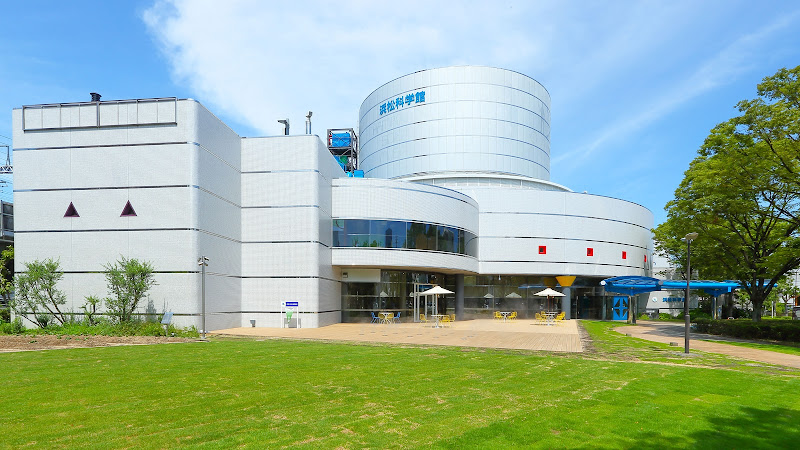
Hamamatsu Science Museum
About Hamamatsu Science Museum
Description
The Hamamatsu Science Museum is the kind of place that makes you feel like a kid again, even if you’re just tagging along with your own kids. Recently renovated, this science center has a polished, modern look but still keeps that playful, hands-on vibe that makes science fun instead of intimidating. It’s not a massive museum like you’d find in Tokyo or Osaka, but that’s part of its charm—you can actually take your time, explore at your own pace, and not feel like you’ve run a marathon by the end of the day.
Inside, the exhibits are divided into themes like nature, technology, sound, power, and space. Each section has interactive displays that invite you to push buttons, twist levers, or just stand there in awe as lights and sounds react to your movements. The planetarium is a highlight, offering shows that manage to be both entertaining and educational. And if you’ve ever tried explaining constellations to your kids under a real night sky, you’ll know how much easier it is when you can sit back in a comfy chair and let the experts do the storytelling.
Most visitors walk away impressed, especially families with children. Sure, a few people might find it a bit smaller than expected or wish for more English translations, but the overall atmosphere is welcoming, lively, and genuinely engaging. The staff often run live science shows and experiments, which adds that personal touch you don’t always get in larger, more commercialized attractions.
Key Features
- Interactive exhibits covering five main themes: nature, light, sound, power, and space
- A modern planetarium with daily shows for all ages
- Live science performances and workshops that bring experiments to life
- Kid-friendly installations designed to spark curiosity
- Wheelchair accessible entrance, parking, and restrooms
- On-site amenities including restrooms, Wi-Fi, a café, and a museum shop
Best Time to Visit
If you’re planning a trip, weekdays are usually the sweet spot. The museum can get crowded with school groups on weekends or during Japanese holidays, so visiting midweek gives you more breathing room to enjoy the exhibits. Spring and autumn tend to be the most comfortable seasons in Hamamatsu, with mild weather that makes wandering around the city before or after your museum stop much more enjoyable.
One thing to keep in mind is that the planetarium shows have scheduled times, so it’s worth checking the timetable in advance. Arriving earlier in the day gives you a better chance of grabbing tickets without stress. Personally, I love late mornings here—you get the buzz of activity without the overwhelming crowds, and by the time you’re done exploring, it’s the perfect excuse to grab lunch nearby.
How to Get There
Getting to the Hamamatsu Science Museum is pretty straightforward. It’s located close to Hamamatsu Station, which is a major stop on the JR Tokaido Shinkansen line. From the station, it’s just a short walk or a quick bus ride, so you don’t need to worry about complicated transfers. If you’re driving, there’s parking available, and it’s designed with accessibility in mind, so visitors with mobility needs won’t face too many hurdles.
For travelers already exploring Shizuoka Prefecture, Hamamatsu is easy to slot into your itinerary. It’s roughly an hour from Nagoya or Shizuoka City by train, so you could easily make it a half-day trip. And honestly, pairing the museum with a stroll through Hamamatsu Castle Park nearby makes for a pretty balanced day of history and science.
Tips for Visiting
Here are a few things I’ve learned—sometimes the hard way—that might make your visit a little smoother:
- Plan for at least 2–3 hours. The museum isn’t enormous, but if you want to see the planetarium and catch a live science show, time flies.
- Check the schedule. The planetarium shows and workshops run at specific times, so it’s smart to plan your visit around them.
- Bring the kids. This place is designed with children in mind, and honestly, watching their faces light up is half the fun.
- Don’t skip the café and shop. The café is handy for a quick break, and the shop has quirky science-themed souvenirs you won’t find elsewhere.
- Accessibility is solid. If you or someone in your group uses a wheelchair, you’ll find the facilities accommodating, from parking to restrooms.
- Expect some Japanese-only signage. While many exhibits are intuitive, not everything is translated. If you don’t read Japanese, just embrace the hands-on nature of it all—it’s still easy to enjoy.
One last thought: don’t go in expecting a huge, world-class science museum like you’d see in Tokyo. Think of it instead as a family-friendly, community-driven space that combines education with entertainment. If you approach it with that mindset, you’ll probably leave with a smile on your face and maybe even a new curiosity or two sparked along the way.
Key Features
- Interactive exhibits covering five main themes: nature, light, sound, power, and space
- A modern planetarium with daily shows for all ages
- Live science performances and workshops that bring experiments to life
- Kid-friendly installations designed to spark curiosity
- Wheelchair accessible entrance, parking, and restrooms
- On-site amenities including restrooms, Wi-Fi, a café, and a museum shop
More Details
Updated September 23, 2025
Table of Contents
Description
The Hamamatsu Science Museum is the kind of place that makes you feel like a kid again, even if you’re just tagging along with your own kids. Recently renovated, this science center has a polished, modern look but still keeps that playful, hands-on vibe that makes science fun instead of intimidating. It’s not a massive museum like you’d find in Tokyo or Osaka, but that’s part of its charm—you can actually take your time, explore at your own pace, and not feel like you’ve run a marathon by the end of the day.
Inside, the exhibits are divided into themes like nature, technology, sound, power, and space. Each section has interactive displays that invite you to push buttons, twist levers, or just stand there in awe as lights and sounds react to your movements. The planetarium is a highlight, offering shows that manage to be both entertaining and educational. And if you’ve ever tried explaining constellations to your kids under a real night sky, you’ll know how much easier it is when you can sit back in a comfy chair and let the experts do the storytelling.
Most visitors walk away impressed, especially families with children. Sure, a few people might find it a bit smaller than expected or wish for more English translations, but the overall atmosphere is welcoming, lively, and genuinely engaging. The staff often run live science shows and experiments, which adds that personal touch you don’t always get in larger, more commercialized attractions.
Key Features
- Interactive exhibits covering five main themes: nature, light, sound, power, and space
- A modern planetarium with daily shows for all ages
- Live science performances and workshops that bring experiments to life
- Kid-friendly installations designed to spark curiosity
- Wheelchair accessible entrance, parking, and restrooms
- On-site amenities including restrooms, Wi-Fi, a café, and a museum shop
Best Time to Visit
If you’re planning a trip, weekdays are usually the sweet spot. The museum can get crowded with school groups on weekends or during Japanese holidays, so visiting midweek gives you more breathing room to enjoy the exhibits. Spring and autumn tend to be the most comfortable seasons in Hamamatsu, with mild weather that makes wandering around the city before or after your museum stop much more enjoyable.
One thing to keep in mind is that the planetarium shows have scheduled times, so it’s worth checking the timetable in advance. Arriving earlier in the day gives you a better chance of grabbing tickets without stress. Personally, I love late mornings here—you get the buzz of activity without the overwhelming crowds, and by the time you’re done exploring, it’s the perfect excuse to grab lunch nearby.
How to Get There
Getting to the Hamamatsu Science Museum is pretty straightforward. It’s located close to Hamamatsu Station, which is a major stop on the JR Tokaido Shinkansen line. From the station, it’s just a short walk or a quick bus ride, so you don’t need to worry about complicated transfers. If you’re driving, there’s parking available, and it’s designed with accessibility in mind, so visitors with mobility needs won’t face too many hurdles.
For travelers already exploring Shizuoka Prefecture, Hamamatsu is easy to slot into your itinerary. It’s roughly an hour from Nagoya or Shizuoka City by train, so you could easily make it a half-day trip. And honestly, pairing the museum with a stroll through Hamamatsu Castle Park nearby makes for a pretty balanced day of history and science.
Tips for Visiting
Here are a few things I’ve learned—sometimes the hard way—that might make your visit a little smoother:
- Plan for at least 2–3 hours. The museum isn’t enormous, but if you want to see the planetarium and catch a live science show, time flies.
- Check the schedule. The planetarium shows and workshops run at specific times, so it’s smart to plan your visit around them.
- Bring the kids. This place is designed with children in mind, and honestly, watching their faces light up is half the fun.
- Don’t skip the café and shop. The café is handy for a quick break, and the shop has quirky science-themed souvenirs you won’t find elsewhere.
- Accessibility is solid. If you or someone in your group uses a wheelchair, you’ll find the facilities accommodating, from parking to restrooms.
- Expect some Japanese-only signage. While many exhibits are intuitive, not everything is translated. If you don’t read Japanese, just embrace the hands-on nature of it all—it’s still easy to enjoy.
One last thought: don’t go in expecting a huge, world-class science museum like you’d see in Tokyo. Think of it instead as a family-friendly, community-driven space that combines education with entertainment. If you approach it with that mindset, you’ll probably leave with a smile on your face and maybe even a new curiosity or two sparked along the way.
Key Highlights
- Interactive exhibits covering five main themes: nature, light, sound, power, and space
- A modern planetarium with daily shows for all ages
- Live science performances and workshops that bring experiments to life
- Kid-friendly installations designed to spark curiosity
- Wheelchair accessible entrance, parking, and restrooms
- On-site amenities including restrooms, Wi-Fi, a café, and a museum shop
Location
Places to Stay Near Hamamatsu Science Museum
Find and Book a Tour
Explore More Travel Guides
No reviews found! Be the first to review!
Traveler Reviews for Hamamatsu Science Museum
There are no reviews yet. Be the first one to write one.
Have you visited Hamamatsu Science Museum? Help other travelers by sharing your review.
You Might Also Like

Bentenjima Beach

Airpark JASDF Hamamatsu Air Base Museum

Fruit Park (Fruit Orchestra)
Find Accommodations Nearby
Recommended Tours & Activities
Visitor Reviews
There are no reviews yet. Be the first one to write one.
Share Your Experience
Have you visited Hamamatsu Science Museum? Help other travelers by leaving a review.