
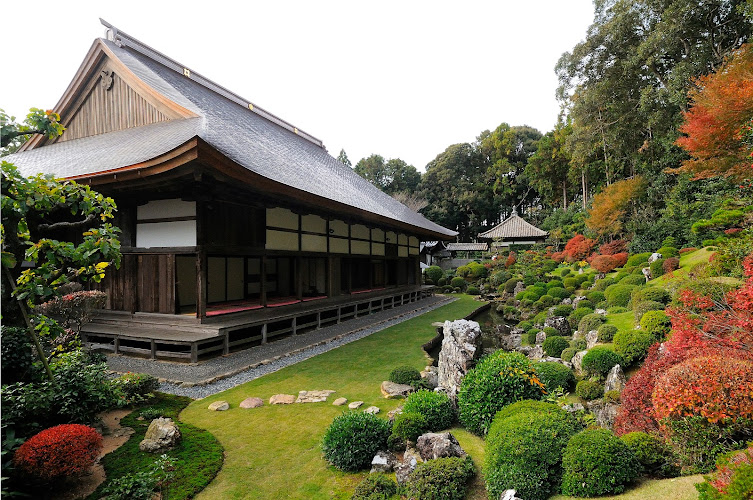
Ryōtan-ji Temple
About Ryōtan-ji Temple
Description
Ryōtan-ji Temple is one of those places that quietly sneaks up on you. Founded way back in 733, it has been standing through centuries of Japanese history, carrying with it a sense of calm that you don’t always find in the more crowded tourist spots. This Zen Buddhist temple is best known for its carefully maintained gardens, where rock formations and a reflective pond create a landscape that feels almost like a living painting. It’s not flashy, and that’s kind of the point—it’s about slowing down, breathing in the stillness, and letting your mind wander a little.
What makes Ryōtan-ji stand out isn’t just its age or its religious background, but the way it balances simplicity with quiet beauty. The gardens are meticulously arranged, yet they don’t feel forced. You might notice how the stones seem to be placed naturally, as if they’ve always belonged there. And the pond—well, it’s the kind of scene that makes you want to sit on a bench for an hour, doing nothing but watching the light shift across the water. Some visitors leave feeling underwhelmed, expecting something grander, but others walk away with a deep sense of peace. Honestly, it depends on what you’re looking for. If you’re chasing spectacle, this might not be your spot. But if you’re after reflection and a slower pace, Ryōtan-ji delivers.
Personally, I think part of the charm is that it hasn’t been overly commercialized. There are restrooms available, which is practical, but you won’t find flashy souvenir shops or loud crowds. Accessibility is a bit limited, as the entrance isn’t wheelchair-friendly, so that’s something to keep in mind. Still, the temple has a way of rewarding those who make the effort to visit. It’s a place where you can step away from the noise of Hamamatsu and just let yourself be present. And honestly, in a world that’s constantly buzzing, that’s a rare gift.
Key Features
- Founded in 733, making it one of the oldest Zen Buddhist temples in the region
- Beautifully maintained garden with rock formations and a serene pond
- A quiet, reflective atmosphere away from the busier tourist circuits
- Subtle landscaping that emphasizes natural harmony over grandeur
- Restrooms available on-site for visitors
- Limited accessibility as the entrance is not wheelchair-friendly
Best Time to Visit
The temple has a different personality depending on the season, and honestly, that’s part of its magic. Spring brings a touch of color as blossoms peek around the grounds, while summer gives the pond a lush, green frame. Autumn is arguably the most photogenic, with fiery leaves reflecting on the water, creating postcard-worthy scenes. Winter strips things back, leaving a minimalist beauty that feels even more Zen—bare branches against the stone garden can be strangely moving. If you’re not a fan of crowds, weekdays in the morning are your best bet. You’ll have more space to yourself, and the quiet is almost tangible.
How to Get There
Reaching Ryōtan-ji isn’t difficult, but it does take a little planning. From central Hamamatsu, local transport options like buses or trains will get you close, and then it’s a short walk to the temple grounds. Driving is also an option if you’re exploring Shizuoka Prefecture by car, and parking is usually available nearby. It’s not tucked away in some impossible-to-find corner, but it does feel removed enough that once you arrive, you’ll feel like you’ve stepped into a different rhythm of life.
Tips for Visiting
First off, don’t rush. This isn’t the kind of place you “check off” in 15 minutes. Give yourself time to sit, walk slowly, and just take it in. Bring comfortable shoes since you’ll likely be wandering around the grounds, and maybe even a notebook if you’re the type who likes to jot down thoughts when inspiration strikes. Photography is allowed, but try not to spend the whole visit behind your camera—sometimes the best memories are the ones you just sit with.
If you’re sensitive to accessibility issues, be aware that the entrance and pathways aren’t designed for wheelchairs, so plan accordingly. And while there are restrooms, there aren’t many other amenities, so maybe pack a bottle of water or a light snack for after your visit. One last thing: go with an open mind. Some travelers expect grandeur and leave disappointed, but if you approach Ryōtan-ji as a place for quiet reflection rather than spectacle, you’ll likely walk away with something more valuable than a few photos—you’ll carry a sense of calm with you long after you leave.
Key Features
- Founded in 733, making it one of the oldest Zen Buddhist temples in the region
- Beautifully maintained garden with rock formations and a serene pond
- A quiet, reflective atmosphere away from the busier tourist circuits
- Subtle landscaping that emphasizes natural harmony over grandeur
- Restrooms available on-site for visitors
- Limited accessibility as the entrance is not wheelchair-friendly
More Details
Updated September 23, 2025
Table of Contents
Description
Ryōtan-ji Temple is one of those places that quietly sneaks up on you. Founded way back in 733, it has been standing through centuries of Japanese history, carrying with it a sense of calm that you don’t always find in the more crowded tourist spots. This Zen Buddhist temple is best known for its carefully maintained gardens, where rock formations and a reflective pond create a landscape that feels almost like a living painting. It’s not flashy, and that’s kind of the point—it’s about slowing down, breathing in the stillness, and letting your mind wander a little.
What makes Ryōtan-ji stand out isn’t just its age or its religious background, but the way it balances simplicity with quiet beauty. The gardens are meticulously arranged, yet they don’t feel forced. You might notice how the stones seem to be placed naturally, as if they’ve always belonged there. And the pond—well, it’s the kind of scene that makes you want to sit on a bench for an hour, doing nothing but watching the light shift across the water. Some visitors leave feeling underwhelmed, expecting something grander, but others walk away with a deep sense of peace. Honestly, it depends on what you’re looking for. If you’re chasing spectacle, this might not be your spot. But if you’re after reflection and a slower pace, Ryōtan-ji delivers.
Personally, I think part of the charm is that it hasn’t been overly commercialized. There are restrooms available, which is practical, but you won’t find flashy souvenir shops or loud crowds. Accessibility is a bit limited, as the entrance isn’t wheelchair-friendly, so that’s something to keep in mind. Still, the temple has a way of rewarding those who make the effort to visit. It’s a place where you can step away from the noise of Hamamatsu and just let yourself be present. And honestly, in a world that’s constantly buzzing, that’s a rare gift.
Key Features
- Founded in 733, making it one of the oldest Zen Buddhist temples in the region
- Beautifully maintained garden with rock formations and a serene pond
- A quiet, reflective atmosphere away from the busier tourist circuits
- Subtle landscaping that emphasizes natural harmony over grandeur
- Restrooms available on-site for visitors
- Limited accessibility as the entrance is not wheelchair-friendly
Best Time to Visit
The temple has a different personality depending on the season, and honestly, that’s part of its magic. Spring brings a touch of color as blossoms peek around the grounds, while summer gives the pond a lush, green frame. Autumn is arguably the most photogenic, with fiery leaves reflecting on the water, creating postcard-worthy scenes. Winter strips things back, leaving a minimalist beauty that feels even more Zen—bare branches against the stone garden can be strangely moving. If you’re not a fan of crowds, weekdays in the morning are your best bet. You’ll have more space to yourself, and the quiet is almost tangible.
How to Get There
Reaching Ryōtan-ji isn’t difficult, but it does take a little planning. From central Hamamatsu, local transport options like buses or trains will get you close, and then it’s a short walk to the temple grounds. Driving is also an option if you’re exploring Shizuoka Prefecture by car, and parking is usually available nearby. It’s not tucked away in some impossible-to-find corner, but it does feel removed enough that once you arrive, you’ll feel like you’ve stepped into a different rhythm of life.
Tips for Visiting
First off, don’t rush. This isn’t the kind of place you “check off” in 15 minutes. Give yourself time to sit, walk slowly, and just take it in. Bring comfortable shoes since you’ll likely be wandering around the grounds, and maybe even a notebook if you’re the type who likes to jot down thoughts when inspiration strikes. Photography is allowed, but try not to spend the whole visit behind your camera—sometimes the best memories are the ones you just sit with.
If you’re sensitive to accessibility issues, be aware that the entrance and pathways aren’t designed for wheelchairs, so plan accordingly. And while there are restrooms, there aren’t many other amenities, so maybe pack a bottle of water or a light snack for after your visit. One last thing: go with an open mind. Some travelers expect grandeur and leave disappointed, but if you approach Ryōtan-ji as a place for quiet reflection rather than spectacle, you’ll likely walk away with something more valuable than a few photos—you’ll carry a sense of calm with you long after you leave.
Key Highlights
- Founded in 733, making it one of the oldest Zen Buddhist temples in the region
- Beautifully maintained garden with rock formations and a serene pond
- A quiet, reflective atmosphere away from the busier tourist circuits
- Subtle landscaping that emphasizes natural harmony over grandeur
- Restrooms available on-site for visitors
- Limited accessibility as the entrance is not wheelchair-friendly
Location
Places to Stay Near Ryōtan-ji Temple
Find and Book a Tour
Explore More Travel Guides
No reviews found! Be the first to review!
Traveler Reviews for Ryōtan-ji Temple
There are no reviews yet. Be the first one to write one.
Have you visited Ryōtan-ji Temple? Help other travelers by sharing your review.
You Might Also Like

Hamamatsu City Museum of Musical Instruments

Hamanako Garden Park

Hamamatsu Fruit Park Tokinosumika
Find Accommodations Nearby
Recommended Tours & Activities
Visitor Reviews
There are no reviews yet. Be the first one to write one.
Share Your Experience
Have you visited Ryōtan-ji Temple? Help other travelers by leaving a review.