Haitang Bay
About Haitang Bay
Description
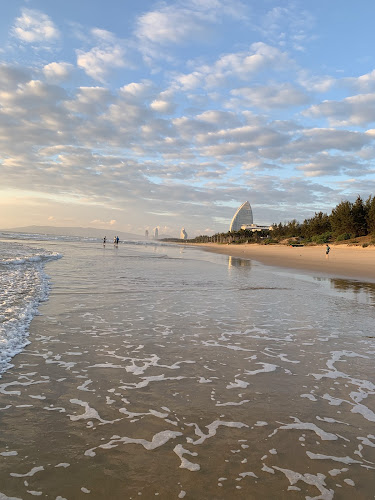
Haitang Bay sits along Sanya's southeastern coastline, and I'll be honest with you—when I first heard about this place, I thought it was just another beach trying to compete with the more famous Yalong Bay. But after spending time researching and talking to travelers who've actually been there, I've realized this bay has carved out its own identity entirely. The beach stretches roughly 25 kilometers, which is a serious amount of shoreline, and what makes it different is how it's managed to blend luxury development with surprisingly accessible public areas. The water here has this particular turquoise quality that changes throughout the day. And yes, I know every travel writer says that about tropical waters, but visitors consistently mention how clear it is compared to other Sanya beaches. You can actually see your feet when you're waist-deep, which isn't always a given at popular tourist spots. The sand is fine without being powdery, meaning it doesn't stick to everything you own—a small detail that matters when you're actually there. What struck me most about Haitang Bay is its relative newness as a developed tourist destination. While places like Yalong Bay have been on the tourist circuit for decades, Haitang Bay only really started seeing major development in the late 2000s. This means the infrastructure is modern, the resorts are built with contemporary standards, and everything feels less worn down than older resort areas. But that also means it lacks some of the local character you might find in more established neighborhoods.Key Features
- Duty-Free Shopping Complex – The Haitang Bay International Shopping Center is massive, offering one of the largest duty-free shopping experiences in China with brands you'd expect to pay premium prices for elsewhere
- Long Stretches of Uncrowded Beach – Despite the luxury resorts, you can still find sections of beach where it feels like you have the ocean to yourself, especially during weekday mornings
- Water Temperature Year-Round – The bay maintains swimmable temperatures throughout most of the year, ranging from about 20°C in winter to 29°C in summer
- Wuzhizhou Island Access – This nearby island is reachable by ferry and offers some of the best diving and snorkeling opportunities in the region
- Modern Resort Infrastructure – Hotels here have been built recently with attention to sustainability and luxury, featuring architectural designs that actually complement the natural landscape rather than fighting against it
- Quieter Atmosphere – Compared to Sanya Bay and Dadonghai, Haitang Bay attracts fewer package tour groups, which means a more relaxed vibe overall
- Coconut Palm Groves – Natural groves line portions of the beach, providing shade and that postcard-perfect tropical aesthetic
- Water Sports Facilities – From jet skiing to parasailing, the bay has developed proper facilities for various water activities with trained staff
Best Time to Visit
Here's where I need to be straight with you about Haitang Bay's weather patterns. The best time to visit falls between November and April, which I know sounds predictable for a tropical destination, but there are good reasons. During these months, temperatures hover between 18°C and 28°C, and you'll avoid the typhoon season that can disrupt travel plans between July and September. I've read accounts from travelers who visited in December and January, and they consistently mention how perfect the weather feels—warm enough for swimming but cool enough that you're not sweating through your clothes the moment you step outside. The humidity drops significantly during winter months too, which makes exploring the area much more comfortable. But here's something most guides won't tell you: if you can handle occasional rain and don't mind humidity, visiting in May or June can actually be quite nice. You'll find significantly lower hotel rates, fewer tourists crowding the beaches, and the water is already warm. Yes, there's a higher chance of rain, but it often comes in brief afternoon showers rather than all-day downpours. I think this trade-off is worth considering if you're traveling on a budget. The absolute worst time to visit is during Chinese Golden Week holidays in early October. The crowds intensify dramatically, prices skyrocket, and that peaceful beach experience you're imagining becomes nearly impossible to find. Even the usually quiet Haitang Bay sees a surge during this period. Summer months from June through August bring typhoon risks and intense heat. Temperatures can reach 35°C with oppressive humidity. If you do visit during summer, plan indoor activities during the hottest parts of the day and save beach time for early morning or late afternoon.How to Get There
Getting to Haitang Bay is actually more straightforward than it used to be, though you'll still need to plan your route carefully. Sanya Phoenix International Airport serves as your main entry point, and it's about 40 kilometers from Haitang Bay—roughly a 45-minute drive depending on traffic. From the airport, you've got several options. Taxis are readily available and should cost around 100-150 RMB, though I've heard stories of drivers trying to charge tourists double that, so it's worth having your hotel's address written in Chinese characters and being firm about using the meter. Many hotels in Haitang Bay offer airport shuttle services, and honestly, booking this in advance takes a lot of stress out of arrival day. If you're already in Sanya proper, public buses run between different bay areas. Bus routes 28 and 34 connect Sanya Bay to Haitang Bay, and the fare is incredibly cheap—usually under 10 RMB. The journey takes about an hour though, and during peak season the buses can get packed. I'd recommend this option if you're traveling light and don't mind a bit of adventure. A newer option that's gained popularity is taking the Hainan Eastern Ring Railway. The closest station to Haitang Bay is Lingshui Station, and from there you can catch a taxi or arrange pickup. This works particularly well if you're coming from Haikou or other parts of Hainan Island. Ride-sharing apps like Didi work in Sanya, and they're often cheaper than traditional taxis while providing more transparency on pricing. You'll need a Chinese phone number to set up an account, which can be tricky for international visitors.Tips for Visiting
Let me share some practical advice that goes beyond the usual "bring sunscreen" recommendations. First, understand that Haitang Bay is spread out—really spread out. Walking between resorts or to different beach sections isn't always practical. Renting a bicycle or electric scooter can transform your experience, giving you freedom to explore without relying on expensive taxis. Many resorts offer bike rentals, though the quality varies considerably. The duty-free shopping center deserves its own strategy. If you're planning to shop there, bring your passport and flight information—you'll need to show proof that you're leaving Hainan to qualify for duty-free prices. Also, purchases need to be made at least 24 hours before your departure, so don't leave it for your last day. I've read frustrated reviews from people who didn't know this and missed out entirely. Beach vendors do operate in public areas, selling everything from fresh coconuts to pearl jewelry. Bargaining is expected, and you should start at about 40% of their initial asking price. That said, the high-end resort areas have cracked down on beach vendors, so this is mainly relevant if you're exploring public beach sections. Water quality can vary after heavy rains, so check conditions before swimming. The resorts usually post flags indicating water safety, but public beaches don't always have this system. When in doubt, ask locals or hotel staff about current conditions. Food options outside the resorts are limited in Haitang Bay compared to other Sanya areas. The bay is still developing its restaurant scene beyond hotel dining. This means either budgeting for resort meals (which can get expensive quickly) or taking short trips to nearby areas for more affordable local food. There are some local seafood restaurants along the main road, but you'll need to venture away from the beachfront to find them. Bring a waterproof phone case or dry bag. Seriously. The combination of beach activities, potential rain showers, and water sports means your electronics are constantly at risk. I can't tell you how many travel stories I've read that include phones getting damaged by water. If you're interested in visiting Wuzhizhou Island, book your ferry tickets in advance during peak season. The island has a daily visitor cap, and tickets sell out frequently. Early morning departures offer the calmest seas and best diving visibility. Language barriers exist here more than in some other Chinese tourist destinations. Having a translation app downloaded and functional offline can save you considerable frustration. Key phrases for directions, food orders, and emergencies are worth learning before arrival. Finally, don't underestimate the sun intensity. Even on cloudy days, UV levels are high year-round. Reef-safe sunscreen is worth using both for your skin and to protect the marine ecosystems you might be swimming around. The bay rewards those who take time to explore beyond their resort grounds, but it also offers enough within individual properties that you could happily never leave if that's your vacation style. Understanding what kind of experience you want before booking will help you choose the right accommodation and plan activities that match your travel philosophy.Key Features
- Key Features
- Best Time to Visit
- How to Get There
- Tips for Visiting
More Details
Updated March 30, 2026
Table of Contents
Description
Haitang Bay sits along Sanya’s southeastern coastline, and I’ll be honest with you—when I first heard about this place, I thought it was just another beach trying to compete with the more famous Yalong Bay. But after spending time researching and talking to travelers who’ve actually been there, I’ve realized this bay has carved out its own identity entirely. The beach stretches roughly 25 kilometers, which is a serious amount of shoreline, and what makes it different is how it’s managed to blend luxury development with surprisingly accessible public areas.
The water here has this particular turquoise quality that changes throughout the day. And yes, I know every travel writer says that about tropical waters, but visitors consistently mention how clear it is compared to other Sanya beaches. You can actually see your feet when you’re waist-deep, which isn’t always a given at popular tourist spots. The sand is fine without being powdery, meaning it doesn’t stick to everything you own—a small detail that matters when you’re actually there.
What struck me most about Haitang Bay is its relative newness as a developed tourist destination. While places like Yalong Bay have been on the tourist circuit for decades, Haitang Bay only really started seeing major development in the late 2000s. This means the infrastructure is modern, the resorts are built with contemporary standards, and everything feels less worn down than older resort areas. But that also means it lacks some of the local character you might find in more established neighborhoods.
Key Features
- Duty-Free Shopping Complex – The Haitang Bay International Shopping Center is massive, offering one of the largest duty-free shopping experiences in China with brands you’d expect to pay premium prices for elsewhere
- Long Stretches of Uncrowded Beach – Despite the luxury resorts, you can still find sections of beach where it feels like you have the ocean to yourself, especially during weekday mornings
- Water Temperature Year-Round – The bay maintains swimmable temperatures throughout most of the year, ranging from about 20°C in winter to 29°C in summer
- Wuzhizhou Island Access – This nearby island is reachable by ferry and offers some of the best diving and snorkeling opportunities in the region
- Modern Resort Infrastructure – Hotels here have been built recently with attention to sustainability and luxury, featuring architectural designs that actually complement the natural landscape rather than fighting against it
- Quieter Atmosphere – Compared to Sanya Bay and Dadonghai, Haitang Bay attracts fewer package tour groups, which means a more relaxed vibe overall
- Coconut Palm Groves – Natural groves line portions of the beach, providing shade and that postcard-perfect tropical aesthetic
- Water Sports Facilities – From jet skiing to parasailing, the bay has developed proper facilities for various water activities with trained staff
Best Time to Visit
Here’s where I need to be straight with you about Haitang Bay’s weather patterns. The best time to visit falls between November and April, which I know sounds predictable for a tropical destination, but there are good reasons. During these months, temperatures hover between 18°C and 28°C, and you’ll avoid the typhoon season that can disrupt travel plans between July and September.
I’ve read accounts from travelers who visited in December and January, and they consistently mention how perfect the weather feels—warm enough for swimming but cool enough that you’re not sweating through your clothes the moment you step outside. The humidity drops significantly during winter months too, which makes exploring the area much more comfortable.
But here’s something most guides won’t tell you: if you can handle occasional rain and don’t mind humidity, visiting in May or June can actually be quite nice. You’ll find significantly lower hotel rates, fewer tourists crowding the beaches, and the water is already warm. Yes, there’s a higher chance of rain, but it often comes in brief afternoon showers rather than all-day downpours. I think this trade-off is worth considering if you’re traveling on a budget.
The absolute worst time to visit is during Chinese Golden Week holidays in early October. The crowds intensify dramatically, prices skyrocket, and that peaceful beach experience you’re imagining becomes nearly impossible to find. Even the usually quiet Haitang Bay sees a surge during this period.
Summer months from June through August bring typhoon risks and intense heat. Temperatures can reach 35°C with oppressive humidity. If you do visit during summer, plan indoor activities during the hottest parts of the day and save beach time for early morning or late afternoon.
How to Get There
Getting to Haitang Bay is actually more straightforward than it used to be, though you’ll still need to plan your route carefully. Sanya Phoenix International Airport serves as your main entry point, and it’s about 40 kilometers from Haitang Bay—roughly a 45-minute drive depending on traffic.
From the airport, you’ve got several options. Taxis are readily available and should cost around 100-150 RMB, though I’ve heard stories of drivers trying to charge tourists double that, so it’s worth having your hotel’s address written in Chinese characters and being firm about using the meter. Many hotels in Haitang Bay offer airport shuttle services, and honestly, booking this in advance takes a lot of stress out of arrival day.
If you’re already in Sanya proper, public buses run between different bay areas. Bus routes 28 and 34 connect Sanya Bay to Haitang Bay, and the fare is incredibly cheap—usually under 10 RMB. The journey takes about an hour though, and during peak season the buses can get packed. I’d recommend this option if you’re traveling light and don’t mind a bit of adventure.
A newer option that’s gained popularity is taking the Hainan Eastern Ring Railway. The closest station to Haitang Bay is Lingshui Station, and from there you can catch a taxi or arrange pickup. This works particularly well if you’re coming from Haikou or other parts of Hainan Island.
Ride-sharing apps like Didi work in Sanya, and they’re often cheaper than traditional taxis while providing more transparency on pricing. You’ll need a Chinese phone number to set up an account, which can be tricky for international visitors.
Tips for Visiting
Let me share some practical advice that goes beyond the usual “bring sunscreen” recommendations. First, understand that Haitang Bay is spread out—really spread out. Walking between resorts or to different beach sections isn’t always practical. Renting a bicycle or electric scooter can transform your experience, giving you freedom to explore without relying on expensive taxis. Many resorts offer bike rentals, though the quality varies considerably.
The duty-free shopping center deserves its own strategy. If you’re planning to shop there, bring your passport and flight information—you’ll need to show proof that you’re leaving Hainan to qualify for duty-free prices. Also, purchases need to be made at least 24 hours before your departure, so don’t leave it for your last day. I’ve read frustrated reviews from people who didn’t know this and missed out entirely.
Beach vendors do operate in public areas, selling everything from fresh coconuts to pearl jewelry. Bargaining is expected, and you should start at about 40% of their initial asking price. That said, the high-end resort areas have cracked down on beach vendors, so this is mainly relevant if you’re exploring public beach sections.
Water quality can vary after heavy rains, so check conditions before swimming. The resorts usually post flags indicating water safety, but public beaches don’t always have this system. When in doubt, ask locals or hotel staff about current conditions.
Food options outside the resorts are limited in Haitang Bay compared to other Sanya areas. The bay is still developing its restaurant scene beyond hotel dining. This means either budgeting for resort meals (which can get expensive quickly) or taking short trips to nearby areas for more affordable local food. There are some local seafood restaurants along the main road, but you’ll need to venture away from the beachfront to find them.
Bring a waterproof phone case or dry bag. Seriously. The combination of beach activities, potential rain showers, and water sports means your electronics are constantly at risk. I can’t tell you how many travel stories I’ve read that include phones getting damaged by water.
If you’re interested in visiting Wuzhizhou Island, book your ferry tickets in advance during peak season. The island has a daily visitor cap, and tickets sell out frequently. Early morning departures offer the calmest seas and best diving visibility.
Language barriers exist here more than in some other Chinese tourist destinations. Having a translation app downloaded and functional offline can save you considerable frustration. Key phrases for directions, food orders, and emergencies are worth learning before arrival.
Finally, don’t underestimate the sun intensity. Even on cloudy days, UV levels are high year-round. Reef-safe sunscreen is worth using both for your skin and to protect the marine ecosystems you might be swimming around.
The bay rewards those who take time to explore beyond their resort grounds, but it also offers enough within individual properties that you could happily never leave if that’s your vacation style. Understanding what kind of experience you want before booking will help you choose the right accommodation and plan activities that match your travel philosophy.
Key Highlights
- Key Features
- Best Time to Visit
- How to Get There
- Tips for Visiting
Location
Places to Stay Near Haitang Bay
Find and Book a Tour
Explore More Travel Guides
No reviews found! Be the first to review!
Haitang Bay is a prominent Attractions located in Sanya.
Visit us at: “It is a very large square and can do many things.”.
Traveler Reviews for Haitang Bay
There are no reviews yet. Be the first one to write one.
Have you visited Haitang Bay? Help other travelers by sharing your review.
Find Accommodations Nearby
Recommended Tours & Activities
Visitor Reviews
There are no reviews yet. Be the first one to write one.
Share Your Experience
Have you visited Haitang Bay? Help other travelers by leaving a review.
