
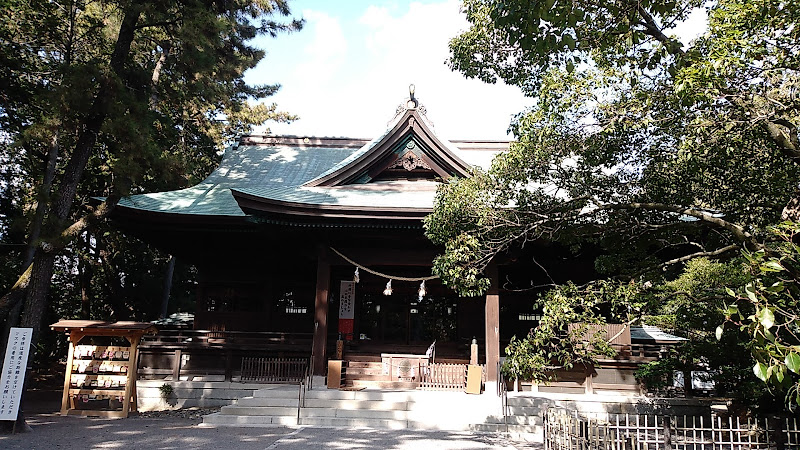
Hachimancho
About Hachimancho
Description
Hachimancho in Omihachiman feels like stepping into a chapter of Japan’s history that still breathes in the present day. The district is known for its old-world charm, where traditional merchant houses, canals, and shrines weave together a story of culture, trade, and everyday life that has carried on for centuries. It’s not polished to perfection like some tourist-heavy spots, and that’s exactly what makes it so appealing. You can wander down quiet streets, peek into family-run shops, and feel like you’ve stumbled across something that hasn’t been overly staged for visitors. Some corners may feel a little worn, but that only adds to the authenticity. It’s a place where the past and present hold hands, and if you slow down enough, you’ll notice details that would otherwise slip by—like the sound of water trickling through the canals or the smell of fresh sweets drifting from a tiny confectionery shop.
Travelers who enjoy a balance of history and everyday life will find Hachimancho rewarding. It isn’t a flashy destination, but it has a quiet confidence. The atmosphere is calm, yet the stories it holds are rich and layered. There’s a sense of discovery here, like each winding street is waiting to share a new perspective. While some visitors may expect grand attractions and leave underwhelmed, those who appreciate subtlety and authenticity will likely fall in love with its understated beauty.
Key Features
- Historic canals that once supported trade and now create a peaceful walking environment
- Traditional Edo-period style architecture that has been carefully preserved
- Local shrines and temples offering a glimpse into spiritual traditions
- Small, family-run shops selling regional crafts and foods
- Seasonal festivals, including traditional dances and water-related celebrations
- Scenic views that change with the seasons, from cherry blossoms in spring to fiery leaves in autumn
Best Time to Visit
The best time to visit Hachimancho depends on what kind of experience you’re after. Spring is magical with cherry blossoms reflecting in the canals, and it’s hard not to stop every few steps just to take it all in. Summer brings festivals, including lively traditional dances that spill into the streets, though the heat and humidity can be intense. Autumn is perhaps the most photogenic season, with crisp air and vibrant foliage making every corner look like a postcard. Winter is quieter and less crowded, with a slower pace that lets you enjoy the town without distraction—though it can feel a bit sleepy for those seeking energy and bustle. Personally, I’d recommend autumn if you want that perfect mix of scenery, atmosphere, and comfort.
How to Get There
Reaching Hachimancho is fairly straightforward if you’re traveling within Japan. From Kyoto or Osaka, you can take a train to Omihachiman Station, which is the closest rail stop. From there, local buses or a short taxi ride will bring you directly into the historic district. If you’re already in Shiga Prefecture, cycling is another option—many travelers enjoy riding through the countryside to reach the area, and the journey itself becomes part of the experience. For those driving, parking can be found nearby, but be prepared for narrow streets that might test your patience if you’re not used to Japanese roads. Honestly, I’d say public transport is the least stressful way to go.
Tips for Visiting
Take your time. This isn’t the kind of place you rush through with a checklist. Wander aimlessly, and don’t be afraid to duck into side streets—some of the best surprises are off the main path. Bring cash, as many of the smaller shops and food stalls won’t accept cards. Comfortable shoes are a must; the streets are best explored on foot, and you’ll likely end up walking more than you expect. If you’re into photography, visit early in the morning or late in the afternoon when the light is soft and the crowds are thinner.
One more thing: be respectful of the locals. This is a living neighborhood, not just a tourist attraction. People are going about their daily routines, and a little courtesy goes a long way. Smile, greet shopkeepers, and don’t be shy about trying local snacks or crafts. It’s those small interactions that make the experience memorable. And if you’re lucky enough to catch a festival, join in. Even if you don’t know the steps to the dance, the joy is in participating. That’s the kind of memory you’ll carry home long after the trip is over.
Key Features
- Historic canals that once supported trade and now create a peaceful walking environment
- Traditional Edo-period style architecture that has been carefully preserved
- Local shrines and temples offering a glimpse into spiritual traditions
- Small, family-run shops selling regional crafts and foods
- Seasonal festivals, including traditional dances and water-related celebrations
- Scenic views that change with the seasons, from cherry blossoms in spring to fiery leaves in autumn
More Details
Updated September 23, 2025
Table of Contents
Description
Hachimancho in Omihachiman feels like stepping into a chapter of Japan’s history that still breathes in the present day. The district is known for its old-world charm, where traditional merchant houses, canals, and shrines weave together a story of culture, trade, and everyday life that has carried on for centuries. It’s not polished to perfection like some tourist-heavy spots, and that’s exactly what makes it so appealing. You can wander down quiet streets, peek into family-run shops, and feel like you’ve stumbled across something that hasn’t been overly staged for visitors. Some corners may feel a little worn, but that only adds to the authenticity. It’s a place where the past and present hold hands, and if you slow down enough, you’ll notice details that would otherwise slip by—like the sound of water trickling through the canals or the smell of fresh sweets drifting from a tiny confectionery shop.
Travelers who enjoy a balance of history and everyday life will find Hachimancho rewarding. It isn’t a flashy destination, but it has a quiet confidence. The atmosphere is calm, yet the stories it holds are rich and layered. There’s a sense of discovery here, like each winding street is waiting to share a new perspective. While some visitors may expect grand attractions and leave underwhelmed, those who appreciate subtlety and authenticity will likely fall in love with its understated beauty.
Key Features
- Historic canals that once supported trade and now create a peaceful walking environment
- Traditional Edo-period style architecture that has been carefully preserved
- Local shrines and temples offering a glimpse into spiritual traditions
- Small, family-run shops selling regional crafts and foods
- Seasonal festivals, including traditional dances and water-related celebrations
- Scenic views that change with the seasons, from cherry blossoms in spring to fiery leaves in autumn
Best Time to Visit
The best time to visit Hachimancho depends on what kind of experience you’re after. Spring is magical with cherry blossoms reflecting in the canals, and it’s hard not to stop every few steps just to take it all in. Summer brings festivals, including lively traditional dances that spill into the streets, though the heat and humidity can be intense. Autumn is perhaps the most photogenic season, with crisp air and vibrant foliage making every corner look like a postcard. Winter is quieter and less crowded, with a slower pace that lets you enjoy the town without distraction—though it can feel a bit sleepy for those seeking energy and bustle. Personally, I’d recommend autumn if you want that perfect mix of scenery, atmosphere, and comfort.
How to Get There
Reaching Hachimancho is fairly straightforward if you’re traveling within Japan. From Kyoto or Osaka, you can take a train to Omihachiman Station, which is the closest rail stop. From there, local buses or a short taxi ride will bring you directly into the historic district. If you’re already in Shiga Prefecture, cycling is another option—many travelers enjoy riding through the countryside to reach the area, and the journey itself becomes part of the experience. For those driving, parking can be found nearby, but be prepared for narrow streets that might test your patience if you’re not used to Japanese roads. Honestly, I’d say public transport is the least stressful way to go.
Tips for Visiting
Take your time. This isn’t the kind of place you rush through with a checklist. Wander aimlessly, and don’t be afraid to duck into side streets—some of the best surprises are off the main path. Bring cash, as many of the smaller shops and food stalls won’t accept cards. Comfortable shoes are a must; the streets are best explored on foot, and you’ll likely end up walking more than you expect. If you’re into photography, visit early in the morning or late in the afternoon when the light is soft and the crowds are thinner.
One more thing: be respectful of the locals. This is a living neighborhood, not just a tourist attraction. People are going about their daily routines, and a little courtesy goes a long way. Smile, greet shopkeepers, and don’t be shy about trying local snacks or crafts. It’s those small interactions that make the experience memorable. And if you’re lucky enough to catch a festival, join in. Even if you don’t know the steps to the dance, the joy is in participating. That’s the kind of memory you’ll carry home long after the trip is over.
Key Highlights
- Historic canals that once supported trade and now create a peaceful walking environment
- Traditional Edo-period style architecture that has been carefully preserved
- Local shrines and temples offering a glimpse into spiritual traditions
- Small, family-run shops selling regional crafts and foods
- Seasonal festivals, including traditional dances and water-related celebrations
- Scenic views that change with the seasons, from cherry blossoms in spring to fiery leaves in autumn
Location
Places to Stay Near Hachimancho
Find and Book a Tour
Explore More Travel Guides
No reviews found! Be the first to review!
Traveler Reviews for Hachimancho
There are no reviews yet. Be the first one to write one.
Have you visited Hachimancho? Help other travelers by sharing your review.
You Might Also Like
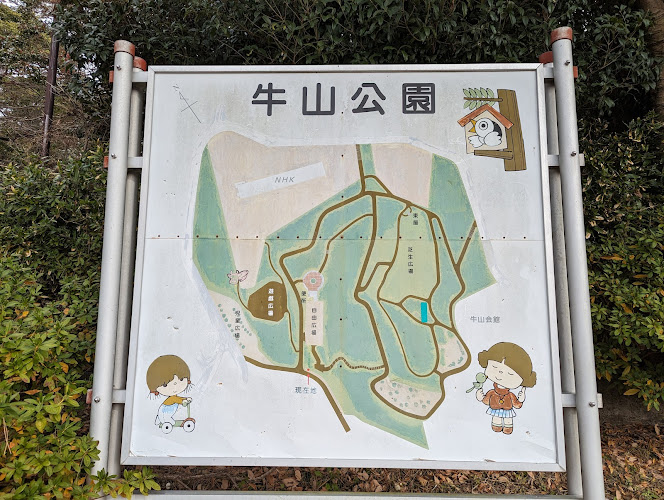
Ushiyama Park

Hamanako Garden Park

Tsubutejima
Find Accommodations Nearby
Recommended Tours & Activities
Visitor Reviews
There are no reviews yet. Be the first one to write one.
Share Your Experience
Have you visited Hachimancho? Help other travelers by leaving a review.