About H.U. Lee International Gate and Garden

Description

The H.U. Lee International Gate and Garden stands as a remarkable tribute to taekwondo and Korean culture right here in the United States. I've always found it fascinating how certain places can transport you halfway around the world without ever leaving your hometown, and this attraction does exactly that. Named after Haeng Ung Lee, the founder of the American Taekwondo Association, this site serves as both a peaceful garden retreat and a meaningful monument celebrating martial arts heritage. When you first approach the gate, you'll notice its striking traditional Korean architecture that honestly makes you do a double-take. The structure rises impressively against the skyline with its distinctive curved rooflines and ornate details that craftsmen spent countless hours perfecting. And the garden itself? Well, it's designed in authentic Korean style with carefully placed stones, meticulously maintained plants, and pathways that encourage contemplation and reflection. What makes this place special isn't just the physical beauty though. It represents decades of dedication to spreading taekwondo throughout America and preserving cultural traditions. The garden creates this unique atmosphere where athletic achievement meets artistic expression, where Eastern philosophy blends seamlessly with Western accessibility. I remember reading somewhere that the best monuments are the ones that teach while they inspire, and this place definitely checks both boxes. The attention to detail throughout the grounds is pretty remarkable. Every element from the placement of the decorative stones to the selection of plantings follows traditional Korean garden principles. But what really strikes visitors is how welcoming the space feels - it's not some stuffy memorial that you walk through quickly. People actually spend time here, sitting on benches, taking photos, and genuinely connecting with the peaceful environment.

Key Features

The H.U. Lee International Gate and Garden offers visitors several distinctive elements that make it worth adding to your travel itinerary:
  • Traditional Korean Gate Structure: The centerpiece features authentic architectural design with impressive craftsmanship that showcases traditional building techniques and decorative elements you'd typically only see in Korea itself
  • Authentic Korean Garden Layout: The landscaping follows classical Korean garden design principles with deliberate stone placement, water features, and plant selections that create natural harmony and balance
  • Taekwondo Heritage Display: Throughout the site you'll find elements commemorating the martial art's history and its founder's contributions to spreading this discipline across America
  • Photography Opportunities: The striking architectural features and carefully composed garden views provide countless spots for capturing memorable travel photos that your friends will actually want to see
  • Wheelchair Accessible Facilities: Both the entrance and parking areas accommodate visitors with mobility needs, making this an inclusive destination that everyone can experience
  • Family-Friendly Environment: The open spaces and educational aspects make this suitable for travelers with children who might appreciate learning about different cultures through hands-on exploration
  • Peaceful Retreat Atmosphere: Despite being a tourist attraction, the garden maintains a calm and meditative quality perfect for those seeking a break from hectic sightseeing schedules
  • Cultural Education Element: Informational displays and the overall design teach visitors about Korean traditions, garden philosophy, and martial arts history without feeling like a classroom lecture

Best Time to Visit

Timing your visit to the H.U. Lee International Gate and Garden can really make a difference in your experience. Spring ranks as probably the most popular season, and for good reason. The garden comes alive with blooming plants and the temperatures sit in that perfect range where you're comfortable walking around without bundling up or melting in the heat. Usually March through May offers ideal conditions with fresh greenery and flowers adding splashes of color throughout the grounds. But honestly? Fall gives spring some serious competition. September through November brings this gorgeous transformation as leaves change colors and the cooler air makes exploring the garden genuinely pleasant. The autumn light also photographs beautifully against the traditional architecture - something landscape photographers figured out long ago. Summer visits are totally doable though you'll want to plan accordingly. Early mornings or late afternoons work best when the sun isn't quite so intense. I've found that summer evenings can be particularly nice if the site stays open later, with that golden hour light making everything look magical. Just bring water and maybe a hat because exposed areas can get warm during midday hours. Winter presents a different kind of beauty. The garden takes on this minimalist aesthetic that actually aligns pretty well with certain Korean artistic principles. Snow on the gate's curved rooflines creates stunning visual contrast. However, you'll definitely need appropriate clothing, and some visitors might find the cold uncomfortable for extended outdoor exploration. Weekday visits generally mean fewer crowds compared to weekends, giving you more opportunities for uninterrupted photography and peaceful contemplation. If you're someone who prefers solitude when experiencing cultural sites, definitely try scheduling your visit during typical work hours on Tuesday through Thursday.

How to Get There

Getting to the H.U. Lee International Gate and Garden requires a bit of planning, but it's not overly complicated once you know your options. For most travelers, driving remains the most practical approach. The site includes dedicated parking that's wheelchair accessible, which takes away the stress of figuring out where to leave your vehicle. Most GPS systems and smartphone mapping apps will get you there without issue - just search for the attraction by name. If you're flying into the region for your visit, you'll want to arrange a rental car since public transportation options to this specific location are somewhat limited. The garden's location means it's designed primarily for visitors who have their own transportation. And that's not necessarily a bad thing because it gives you the flexibility to explore other nearby attractions on your own schedule. For those staying at hotels in the surrounding area, asking the concierge about the best routes can save you some potential wrong turns. Local knowledge always helps, especially if road construction or seasonal detours are happening. Some accommodations might even include the garden in their area information materials since it's becoming increasingly recognized as a worthwhile destination. Ride-sharing services like Uber or Lyft work perfectly fine for getting to the location, though you'll obviously need to arrange for pickup afterward since drivers won't be waiting around. Just make sure you have cell service at the site for calling your return ride. I've learned from experience that assuming you'll have perfect connectivity everywhere can sometimes backfire in more suburban or rural-ish settings. The parking situation deserves mention because it's genuinely convenient. You won't be circling endlessly looking for a spot or hiking half a mile from some distant lot. The accessibility features mean that visitors with various mobility needs can actually reach and enjoy the attraction without unnecessary obstacles.

Tips for Visiting

Making the most of your time at the H.U. Lee International Gate and Garden comes down to some practical preparation and knowing what to expect. First off, comfortable walking shoes are non-negotiable. Yeah, I know that sounds obvious, but you'd be surprised how many people show up in completely inappropriate footwear and end up cutting their visit short. The pathways are generally well-maintained, but you'll still be on your feet exploring. Bringing a camera or ensuring your smartphone has plenty of battery life and storage space is smart. The architectural details and garden compositions practically beg to be photographed. Different times of day create different lighting conditions, so if you're serious about getting great shots, you might even consider visiting twice during your trip. Morning light versus afternoon light can transform the same scene completely. Weather preparation matters more than you might initially think. Even if the forecast looks perfect, conditions can change. A light jacket or sweater often comes in handy, especially during spring and fall when temperatures fluctuate. For summer visits, sunscreen isn't optional - it's essential. The shade from trees helps, but you'll have exposed periods. If you're traveling with kids, setting expectations beforehand helps everyone have a better experience. This isn't an amusement park with constant stimulation, but children who appreciate outdoor spaces and cultural learning can genuinely enjoy it. The wheelchair accessibility also means that strollers navigate the grounds reasonably well, though you'll want to check specific pathway conditions if this matters for your group. Taking time to actually read the informational displays adds depth to your visit. Sure, you could just walk through snapping photos in fifteen minutes, but you'd miss the whole point. Understanding the cultural significance and the story behind the garden's creation makes the experience more meaningful. I've always believed that the best travel experiences happen when we actually engage with places instead of just checking them off a list. Respectful behavior should go without saying, but treating the space with appropriate reverence matters. This is a memorial and cultural site, not just a park. Keep voices moderate, stay on designated pathways, and obviously don't disturb plants or decorative elements. Most visitors naturally adopt a more contemplative demeanor once they're there, but being mindful from the start sets the right tone. Planning for about 45 minutes to an hour gives you adequate time to see everything without rushing, though photography enthusiasts or those who really enjoy peaceful garden settings might want to budget longer. The site isn't enormous, but experiencing it properly means slowing down rather than sprinting through. Checking ahead for any special events or visiting restrictions makes sense, especially if you're building an entire day's itinerary around the visit. While the garden generally maintains regular hours, occasional closures for maintenance or special ceremonies can happen. Consider combining your visit with other regional attractions to maximize your travel time. The surrounding area offers various points of interest that pair well with a cultural and educational stop like this one. Creating a full day of diverse experiences often makes trips more memorable than seeing just one thing.
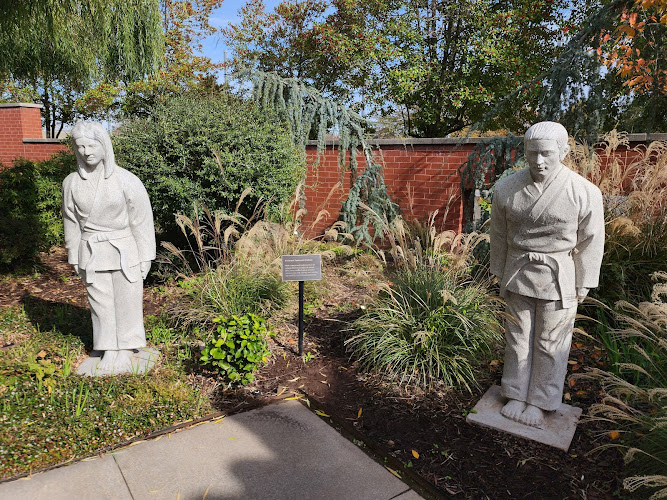

Key Features

  • Traditional Korean-style ceremonial gate with ornate wood-and-tile details
  • Quiet contemplative garden space with stone memorials and plaques about H.U. Lee
  • Riverside location adjacent to Main Street Bridge and Arkansas Riverwalk
  • Easy access from downtown hotels, the convention center, and River Market
  • Photogenic architecture and public art ideal for photos and reflection

More Details

Updated January 17, 2026

Description

The H.U. Lee International Gate and Garden stands as a remarkable tribute to taekwondo and Korean culture right here in the United States. I’ve always found it fascinating how certain places can transport you halfway around the world without ever leaving your hometown, and this attraction does exactly that. Named after Haeng Ung Lee, the founder of the American Taekwondo Association, this site serves as both a peaceful garden retreat and a meaningful monument celebrating martial arts heritage.

When you first approach the gate, you’ll notice its striking traditional Korean architecture that honestly makes you do a double-take. The structure rises impressively against the skyline with its distinctive curved rooflines and ornate details that craftsmen spent countless hours perfecting. And the garden itself? Well, it’s designed in authentic Korean style with carefully placed stones, meticulously maintained plants, and pathways that encourage contemplation and reflection.

What makes this place special isn’t just the physical beauty though. It represents decades of dedication to spreading taekwondo throughout America and preserving cultural traditions. The garden creates this unique atmosphere where athletic achievement meets artistic expression, where Eastern philosophy blends seamlessly with Western accessibility. I remember reading somewhere that the best monuments are the ones that teach while they inspire, and this place definitely checks both boxes.

The attention to detail throughout the grounds is pretty remarkable. Every element from the placement of the decorative stones to the selection of plantings follows traditional Korean garden principles. But what really strikes visitors is how welcoming the space feels – it’s not some stuffy memorial that you walk through quickly. People actually spend time here, sitting on benches, taking photos, and genuinely connecting with the peaceful environment.

Key Features

The H.U. Lee International Gate and Garden offers visitors several distinctive elements that make it worth adding to your travel itinerary:

  • Traditional Korean Gate Structure: The centerpiece features authentic architectural design with impressive craftsmanship that showcases traditional building techniques and decorative elements you’d typically only see in Korea itself
  • Authentic Korean Garden Layout: The landscaping follows classical Korean garden design principles with deliberate stone placement, water features, and plant selections that create natural harmony and balance
  • Taekwondo Heritage Display: Throughout the site you’ll find elements commemorating the martial art’s history and its founder’s contributions to spreading this discipline across America
  • Photography Opportunities: The striking architectural features and carefully composed garden views provide countless spots for capturing memorable travel photos that your friends will actually want to see
  • Wheelchair Accessible Facilities: Both the entrance and parking areas accommodate visitors with mobility needs, making this an inclusive destination that everyone can experience
  • Family-Friendly Environment: The open spaces and educational aspects make this suitable for travelers with children who might appreciate learning about different cultures through hands-on exploration
  • Peaceful Retreat Atmosphere: Despite being a tourist attraction, the garden maintains a calm and meditative quality perfect for those seeking a break from hectic sightseeing schedules
  • Cultural Education Element: Informational displays and the overall design teach visitors about Korean traditions, garden philosophy, and martial arts history without feeling like a classroom lecture

Best Time to Visit

Timing your visit to the H.U. Lee International Gate and Garden can really make a difference in your experience. Spring ranks as probably the most popular season, and for good reason. The garden comes alive with blooming plants and the temperatures sit in that perfect range where you’re comfortable walking around without bundling up or melting in the heat. Usually March through May offers ideal conditions with fresh greenery and flowers adding splashes of color throughout the grounds.

But honestly? Fall gives spring some serious competition. September through November brings this gorgeous transformation as leaves change colors and the cooler air makes exploring the garden genuinely pleasant. The autumn light also photographs beautifully against the traditional architecture – something landscape photographers figured out long ago.

Summer visits are totally doable though you’ll want to plan accordingly. Early mornings or late afternoons work best when the sun isn’t quite so intense. I’ve found that summer evenings can be particularly nice if the site stays open later, with that golden hour light making everything look magical. Just bring water and maybe a hat because exposed areas can get warm during midday hours.

Winter presents a different kind of beauty. The garden takes on this minimalist aesthetic that actually aligns pretty well with certain Korean artistic principles. Snow on the gate’s curved rooflines creates stunning visual contrast. However, you’ll definitely need appropriate clothing, and some visitors might find the cold uncomfortable for extended outdoor exploration.

Weekday visits generally mean fewer crowds compared to weekends, giving you more opportunities for uninterrupted photography and peaceful contemplation. If you’re someone who prefers solitude when experiencing cultural sites, definitely try scheduling your visit during typical work hours on Tuesday through Thursday.

How to Get There

Getting to the H.U. Lee International Gate and Garden requires a bit of planning, but it’s not overly complicated once you know your options. For most travelers, driving remains the most practical approach. The site includes dedicated parking that’s wheelchair accessible, which takes away the stress of figuring out where to leave your vehicle. Most GPS systems and smartphone mapping apps will get you there without issue – just search for the attraction by name.

If you’re flying into the region for your visit, you’ll want to arrange a rental car since public transportation options to this specific location are somewhat limited. The garden’s location means it’s designed primarily for visitors who have their own transportation. And that’s not necessarily a bad thing because it gives you the flexibility to explore other nearby attractions on your own schedule.

For those staying at hotels in the surrounding area, asking the concierge about the best routes can save you some potential wrong turns. Local knowledge always helps, especially if road construction or seasonal detours are happening. Some accommodations might even include the garden in their area information materials since it’s becoming increasingly recognized as a worthwhile destination.

Ride-sharing services like Uber or Lyft work perfectly fine for getting to the location, though you’ll obviously need to arrange for pickup afterward since drivers won’t be waiting around. Just make sure you have cell service at the site for calling your return ride. I’ve learned from experience that assuming you’ll have perfect connectivity everywhere can sometimes backfire in more suburban or rural-ish settings.

The parking situation deserves mention because it’s genuinely convenient. You won’t be circling endlessly looking for a spot or hiking half a mile from some distant lot. The accessibility features mean that visitors with various mobility needs can actually reach and enjoy the attraction without unnecessary obstacles.

Tips for Visiting

Making the most of your time at the H.U. Lee International Gate and Garden comes down to some practical preparation and knowing what to expect. First off, comfortable walking shoes are non-negotiable. Yeah, I know that sounds obvious, but you’d be surprised how many people show up in completely inappropriate footwear and end up cutting their visit short. The pathways are generally well-maintained, but you’ll still be on your feet exploring.

Bringing a camera or ensuring your smartphone has plenty of battery life and storage space is smart. The architectural details and garden compositions practically beg to be photographed. Different times of day create different lighting conditions, so if you’re serious about getting great shots, you might even consider visiting twice during your trip. Morning light versus afternoon light can transform the same scene completely.

Weather preparation matters more than you might initially think. Even if the forecast looks perfect, conditions can change. A light jacket or sweater often comes in handy, especially during spring and fall when temperatures fluctuate. For summer visits, sunscreen isn’t optional – it’s essential. The shade from trees helps, but you’ll have exposed periods.

If you’re traveling with kids, setting expectations beforehand helps everyone have a better experience. This isn’t an amusement park with constant stimulation, but children who appreciate outdoor spaces and cultural learning can genuinely enjoy it. The wheelchair accessibility also means that strollers navigate the grounds reasonably well, though you’ll want to check specific pathway conditions if this matters for your group.

Taking time to actually read the informational displays adds depth to your visit. Sure, you could just walk through snapping photos in fifteen minutes, but you’d miss the whole point. Understanding the cultural significance and the story behind the garden’s creation makes the experience more meaningful. I’ve always believed that the best travel experiences happen when we actually engage with places instead of just checking them off a list.

Respectful behavior should go without saying, but treating the space with appropriate reverence matters. This is a memorial and cultural site, not just a park. Keep voices moderate, stay on designated pathways, and obviously don’t disturb plants or decorative elements. Most visitors naturally adopt a more contemplative demeanor once they’re there, but being mindful from the start sets the right tone.

Planning for about 45 minutes to an hour gives you adequate time to see everything without rushing, though photography enthusiasts or those who really enjoy peaceful garden settings might want to budget longer. The site isn’t enormous, but experiencing it properly means slowing down rather than sprinting through.

Checking ahead for any special events or visiting restrictions makes sense, especially if you’re building an entire day’s itinerary around the visit. While the garden generally maintains regular hours, occasional closures for maintenance or special ceremonies can happen.

Consider combining your visit with other regional attractions to maximize your travel time. The surrounding area offers various points of interest that pair well with a cultural and educational stop like this one. Creating a full day of diverse experiences often makes trips more memorable than seeing just one thing.

Key Highlights

  • Traditional Korean-style ceremonial gate with ornate wood-and-tile details
  • Quiet contemplative garden space with stone memorials and plaques about H.U. Lee
  • Riverside location adjacent to Main Street Bridge and Arkansas Riverwalk
  • Easy access from downtown hotels, the convention center, and River Market
  • Photogenic architecture and public art ideal for photos and reflection

Location

Places to Stay Near H.U. Lee International Gate and Garden

Find and Book a Tour

Explore More Travel Guides

No reviews found! Be the first to review!

Traveler Reviews for H.U. Lee International Gate and Garden

There are no reviews yet. Be the first one to write one.

Share Your Experience

Have you visited H.U. Lee International Gate and Garden? Help other travelers by sharing your review.

Nearby Attractions

River Market District Clinton Presidential Center Main Street Bridge / Arkansas River Trail

Find Accommodations Nearby

Recommended Tours & Activities

Visitor Reviews

There are no reviews yet. Be the first one to write one.

Share Your Experience

Have you visited H.U. Lee International Gate and Garden? Help other travelers by leaving a review.