
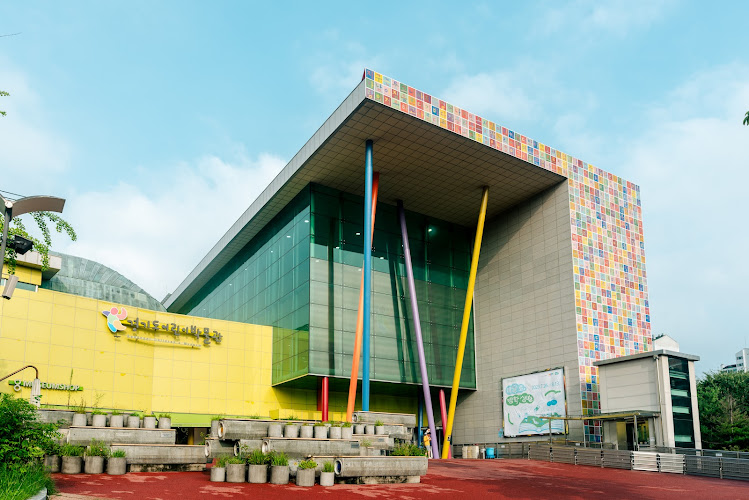
Gyeonggi Children’s Museum
About Gyeonggi Children’s Museum
Description
The Gyeonggi Children's Museum stands as one of South Korea's premier educational destinations designed specifically for young minds eager to explore, learn, and play. Located within the broader Gyeonggi Province area, this interactive museum breaks away from the traditional "look but don't touch" approach that often leaves kids squirming with boredom. Instead, it throws open its doors to hands-on discovery, where curiosity isn't just welcomed—it's practically required. I'll be honest, when I first heard about a children's museum, I was skeptical. Having dragged my own nephew through countless exhibits where he spent more time being shushed than actually enjoying himself, I wasn't exactly jumping for joy. But the Gyeonggi Children's Museum proved me wonderfully wrong. This isn't your grandmother's museum with dusty displays behind velvet ropes. It's a space where children can actually touch, manipulate, and interact with exhibits designed to spark their imagination while sneaking in some serious learning. The museum caters particularly well to toddlers and young children, making it an ideal destination for families traveling with little ones who have energy to burn and questions to ask. The facility understands that children learn best when they're actively engaged, and every corner of this place seems designed with that philosophy in mind. From the moment families step through the entrance, they're greeted with an environment that celebrates childhood wonder rather than trying to contain it. What really sets this place apart is how it manages to balance education with pure fun. Kids don't realize they're learning about science, culture, art, and society because they're too busy having a blast. And isn't that exactly how learning should work?Key Features
The Gyeonggi Children's Museum packs an impressive array of features that keep families coming back for repeat visits:- Interactive Exhibits Galore: Unlike passive museums, every display invites participation. Children can experiment, build, create, and discover through tactile experiences that make abstract concepts tangible and understandable.
- Dedicated Toddler Areas: Recognition that not all children have the same needs means specially designed spaces for the youngest visitors where they can safely explore age-appropriate activities without older kids accidentally trampling their fun.
- Live Performances: Regular shows and performances add an extra layer of entertainment, transforming a museum visit into a full sensory experience. These performances often incorporate educational themes in ways that captivate young audiences.
- Educational Activity Stations: Thoughtfully designed learning zones cover everything from basic physics concepts to cultural understanding, all presented in ways that make sense to developing minds.
- Outdoor Playground: Because sometimes kids just need to run and climb, the museum includes outdoor play areas where physical activity complements indoor learning.
- Complete Accessibility: Wheelchair accessible entrances, parking, and restrooms ensure that children with mobility challenges can fully participate in all the museum offers.
- On-Site Restaurant: Parents don't need to rush out for meals, making it easier to spend a full day exploring without hangry meltdowns from tired, hungry children.
- Baby-Friendly Facilities: Changing tables and other amenities acknowledge that traveling with infants requires certain practical considerations.
- Multiple Themed Zones: Different areas focus on various subjects and skills, from creative arts to scientific exploration, giving children diverse experiences under one roof.
Best Time to Visit
Timing your visit to the Gyeonggi Children's Museum can honestly make or break your experience. And I'm speaking from experience here—nobody wants to spend their precious travel time standing in endless queues with increasingly impatient children. Weekdays during school hours are absolutely your golden ticket. If your travel schedule allows flexibility, visiting on a Tuesday or Wednesday morning means you'll encounter significantly smaller crowds. The museum feels more spacious, exhibits are more accessible, and staff members have more time to engage with your family. I remember visiting a similar facility on a random Thursday at 10 AM and practically having entire sections to ourselves. Bliss. Weekends and school holidays transform the museum into a bustling hub of activity. While the energy can be infectious, it also means longer wait times for popular exhibits and a general sense of controlled chaos. If weekends are your only option, arrive right when doors open. That first hour before the crowds really build gives you the best chance to experience everything without feeling rushed or overwhelmed. Weather doesn't impact your visit too much since most exhibits are indoors, but rainy days do tend to draw bigger crowds as families seek indoor entertainment. Korean school holidays, particularly summer and winter breaks, see significant increases in visitors, so plan accordingly if you're traveling during these periods. The museum's live performance schedule should also factor into your timing. Check what shows are happening when and plan your visit around performances that interest your children. Arriving about 30 minutes before a scheduled performance gives you time to secure good seating while also exploring nearby exhibits. Seasons do matter somewhat for the outdoor play areas. Spring and autumn offer the most comfortable temperatures for outdoor activities, though summer visits mean kids can burn energy outside before heading back to air-conditioned exhibit halls. Winter visits might limit outdoor time but often mean the indoor spaces are less crowded as families bundle up elsewhere. Getting tickets in advance is strongly recommended, regardless of when you visit. This simple step saves time at the entrance and guarantees admission during busy periods when the museum might reach capacity.How to Get There
Navigating to the Gyeonggi Children's Museum is actually more straightforward than you might expect, especially considering South Korea's excellent public transportation infrastructure. But let me walk you through the realistic options because Google Maps doesn't always tell the full story. Public transportation remains the most stress-free option for most travelers. Seoul's subway system extends into Gyeonggi Province with remarkable efficiency, and connections to the museum area are reliable and frequent. The beauty of taking public transit is that you're not dealing with unfamiliar parking situations or navigating Korean road signage if you're not comfortable with the language. For families with very young children or lots of gear—because let's face it, traveling with toddlers means packing like you're preparing for a small expedition—taxis or ride-sharing services offer door-to-door convenience. Yes, it costs more than the subway, but the comfort factor when you're juggling a stroller, diaper bag, and possibly a cranky child who didn't nap on schedule is absolutely worth it. Driving yourself is totally doable if you're comfortable with Korean roads and have an international driving permit. The museum provides wheelchair accessible parking lots, which is fantastic for families who need that extra accessibility. GPS navigation works well in Korea, though having the museum's Korean name handy helps ensure your navigation app understands exactly where you're headed. From Seoul's city center, expect roughly an hour's journey depending on your starting point and chosen transportation method. Traffic can be unpredictable, so build in extra time rather than cutting it close. Nothing kills the fun faster than arriving stressed and frazzled from rushing. Many hotels in Seoul and surrounding areas can arrange transportation or provide detailed directions. Don't hesitate to ask your accommodation for help—Korean hospitality typically means staff go above and beyond to ensure guests can navigate successfully.Tips for Visiting
Let me share some hard-earned wisdom that'll make your Gyeonggi Children's Museum experience significantly smoother. These are the things nobody tells you until you've already made the mistakes yourself. First off, pack snacks even though there's a restaurant on-site. Museum restaurant prices tend to run higher than you'd pay elsewhere, and having emergency crackers or fruit pouches can prevent meltdowns when your child absolutely cannot wait another minute for food. Plus, you know your kid's preferences better than any cafeteria. Arrive with realistic expectations about how much you'll see. This museum is huge, and trying to rush through everything in one visit is a recipe for exhaustion and cranky children. Pick a few key areas that interest your family most and focus there. You can always come back—and honestly, many families do because kids often want to revisit favorite exhibits. Comfortable shoes are non-negotiable. You'll be on your feet for hours, and blisters don't make anyone a happy traveler. Same goes for the kids—save the fancy shoes for other outings. The changing tables and restroom facilities see heavy use, so don't wait until the last possible second for bathroom breaks. Taking care of these needs proactively prevents emergency situations in crowded museum corridors. Bring hand sanitizer or wipes. Interactive exhibits that hundreds of children touch daily are wonderful learning opportunities but also germ magnets. A quick hand cleaning between activities just makes practical sense. Photography is generally allowed and encouraged since these memories are priceless. But be mindful of other families and don't block exhibits or performances trying to capture the perfect shot. Sometimes it's better to put the camera down and just be present in the moment with your children anyway. Check the performance schedule when you arrive and plan your route through the museum accordingly. Missing a show your kids would've loved because you were on the opposite end of the building is disappointing for everyone. Don't overschedule your day. The museum deserves several hours of unhurried exploration. Trying to cram it between other activities means you'll feel rushed and won't enjoy the experience fully. Give yourself permission to spend a lazy day focused entirely on museum fun. Consider visiting during off-peak times if possible. Yes, I mentioned this earlier, but it bears repeating because the difference in experience quality between crowded and uncrowded visits is genuinely significant. Finally, let your children lead sometimes. Adults often want to maximize educational value and hit every exhibit, but kids have instincts about what interests them. Following their curiosity often results in more meaningful learning than forcing them through a predetermined route. The museum's designed for exploration, so explore in whatever way brings your family the most joy. The Gyeonggi Children's Museum offers families traveling through South Korea an opportunity to slow down, play, and learn together in an environment that genuinely celebrates childhood. It's not perfect—no place with mixed reviews could claim that—but it delivers on its promise of interactive, engaging experiences that children remember long after returning home. And really, isn't that what the best travel experiences are all about?Key Features
- Hands-on interactive exhibits tailored for preschool and early elementary children
- Role-play and life-skill simulation zones (mini-market, workshop areas)
- Rotating thematic exhibitions and seasonal educational programs
- Dedicated building designed specifically as a children’s museum
- Facilitated workshops and group programs for school visits
More Details
Updated January 18, 2026
Table of Contents
Description
The Gyeonggi Children’s Museum stands as one of South Korea’s premier educational destinations designed specifically for young minds eager to explore, learn, and play. Located within the broader Gyeonggi Province area, this interactive museum breaks away from the traditional “look but don’t touch” approach that often leaves kids squirming with boredom. Instead, it throws open its doors to hands-on discovery, where curiosity isn’t just welcomed—it’s practically required.
I’ll be honest, when I first heard about a children’s museum, I was skeptical. Having dragged my own nephew through countless exhibits where he spent more time being shushed than actually enjoying himself, I wasn’t exactly jumping for joy. But the Gyeonggi Children’s Museum proved me wonderfully wrong. This isn’t your grandmother’s museum with dusty displays behind velvet ropes. It’s a space where children can actually touch, manipulate, and interact with exhibits designed to spark their imagination while sneaking in some serious learning.
The museum caters particularly well to toddlers and young children, making it an ideal destination for families traveling with little ones who have energy to burn and questions to ask. The facility understands that children learn best when they’re actively engaged, and every corner of this place seems designed with that philosophy in mind. From the moment families step through the entrance, they’re greeted with an environment that celebrates childhood wonder rather than trying to contain it.
What really sets this place apart is how it manages to balance education with pure fun. Kids don’t realize they’re learning about science, culture, art, and society because they’re too busy having a blast. And isn’t that exactly how learning should work?
Key Features
The Gyeonggi Children’s Museum packs an impressive array of features that keep families coming back for repeat visits:
- Interactive Exhibits Galore: Unlike passive museums, every display invites participation. Children can experiment, build, create, and discover through tactile experiences that make abstract concepts tangible and understandable.
- Dedicated Toddler Areas: Recognition that not all children have the same needs means specially designed spaces for the youngest visitors where they can safely explore age-appropriate activities without older kids accidentally trampling their fun.
- Live Performances: Regular shows and performances add an extra layer of entertainment, transforming a museum visit into a full sensory experience. These performances often incorporate educational themes in ways that captivate young audiences.
- Educational Activity Stations: Thoughtfully designed learning zones cover everything from basic physics concepts to cultural understanding, all presented in ways that make sense to developing minds.
- Outdoor Playground: Because sometimes kids just need to run and climb, the museum includes outdoor play areas where physical activity complements indoor learning.
- Complete Accessibility: Wheelchair accessible entrances, parking, and restrooms ensure that children with mobility challenges can fully participate in all the museum offers.
- On-Site Restaurant: Parents don’t need to rush out for meals, making it easier to spend a full day exploring without hangry meltdowns from tired, hungry children.
- Baby-Friendly Facilities: Changing tables and other amenities acknowledge that traveling with infants requires certain practical considerations.
- Multiple Themed Zones: Different areas focus on various subjects and skills, from creative arts to scientific exploration, giving children diverse experiences under one roof.
Best Time to Visit
Timing your visit to the Gyeonggi Children’s Museum can honestly make or break your experience. And I’m speaking from experience here—nobody wants to spend their precious travel time standing in endless queues with increasingly impatient children.
Weekdays during school hours are absolutely your golden ticket. If your travel schedule allows flexibility, visiting on a Tuesday or Wednesday morning means you’ll encounter significantly smaller crowds. The museum feels more spacious, exhibits are more accessible, and staff members have more time to engage with your family. I remember visiting a similar facility on a random Thursday at 10 AM and practically having entire sections to ourselves. Bliss.
Weekends and school holidays transform the museum into a bustling hub of activity. While the energy can be infectious, it also means longer wait times for popular exhibits and a general sense of controlled chaos. If weekends are your only option, arrive right when doors open. That first hour before the crowds really build gives you the best chance to experience everything without feeling rushed or overwhelmed.
Weather doesn’t impact your visit too much since most exhibits are indoors, but rainy days do tend to draw bigger crowds as families seek indoor entertainment. Korean school holidays, particularly summer and winter breaks, see significant increases in visitors, so plan accordingly if you’re traveling during these periods.
The museum’s live performance schedule should also factor into your timing. Check what shows are happening when and plan your visit around performances that interest your children. Arriving about 30 minutes before a scheduled performance gives you time to secure good seating while also exploring nearby exhibits.
Seasons do matter somewhat for the outdoor play areas. Spring and autumn offer the most comfortable temperatures for outdoor activities, though summer visits mean kids can burn energy outside before heading back to air-conditioned exhibit halls. Winter visits might limit outdoor time but often mean the indoor spaces are less crowded as families bundle up elsewhere.
Getting tickets in advance is strongly recommended, regardless of when you visit. This simple step saves time at the entrance and guarantees admission during busy periods when the museum might reach capacity.
How to Get There
Navigating to the Gyeonggi Children’s Museum is actually more straightforward than you might expect, especially considering South Korea’s excellent public transportation infrastructure. But let me walk you through the realistic options because Google Maps doesn’t always tell the full story.
Public transportation remains the most stress-free option for most travelers. Seoul’s subway system extends into Gyeonggi Province with remarkable efficiency, and connections to the museum area are reliable and frequent. The beauty of taking public transit is that you’re not dealing with unfamiliar parking situations or navigating Korean road signage if you’re not comfortable with the language.
For families with very young children or lots of gear—because let’s face it, traveling with toddlers means packing like you’re preparing for a small expedition—taxis or ride-sharing services offer door-to-door convenience. Yes, it costs more than the subway, but the comfort factor when you’re juggling a stroller, diaper bag, and possibly a cranky child who didn’t nap on schedule is absolutely worth it.
Driving yourself is totally doable if you’re comfortable with Korean roads and have an international driving permit. The museum provides wheelchair accessible parking lots, which is fantastic for families who need that extra accessibility. GPS navigation works well in Korea, though having the museum’s Korean name handy helps ensure your navigation app understands exactly where you’re headed.
From Seoul’s city center, expect roughly an hour’s journey depending on your starting point and chosen transportation method. Traffic can be unpredictable, so build in extra time rather than cutting it close. Nothing kills the fun faster than arriving stressed and frazzled from rushing.
Many hotels in Seoul and surrounding areas can arrange transportation or provide detailed directions. Don’t hesitate to ask your accommodation for help—Korean hospitality typically means staff go above and beyond to ensure guests can navigate successfully.
Tips for Visiting
Let me share some hard-earned wisdom that’ll make your Gyeonggi Children’s Museum experience significantly smoother. These are the things nobody tells you until you’ve already made the mistakes yourself.
First off, pack snacks even though there’s a restaurant on-site. Museum restaurant prices tend to run higher than you’d pay elsewhere, and having emergency crackers or fruit pouches can prevent meltdowns when your child absolutely cannot wait another minute for food. Plus, you know your kid’s preferences better than any cafeteria.
Arrive with realistic expectations about how much you’ll see. This museum is huge, and trying to rush through everything in one visit is a recipe for exhaustion and cranky children. Pick a few key areas that interest your family most and focus there. You can always come back—and honestly, many families do because kids often want to revisit favorite exhibits.
Comfortable shoes are non-negotiable. You’ll be on your feet for hours, and blisters don’t make anyone a happy traveler. Same goes for the kids—save the fancy shoes for other outings.
The changing tables and restroom facilities see heavy use, so don’t wait until the last possible second for bathroom breaks. Taking care of these needs proactively prevents emergency situations in crowded museum corridors.
Bring hand sanitizer or wipes. Interactive exhibits that hundreds of children touch daily are wonderful learning opportunities but also germ magnets. A quick hand cleaning between activities just makes practical sense.
Photography is generally allowed and encouraged since these memories are priceless. But be mindful of other families and don’t block exhibits or performances trying to capture the perfect shot. Sometimes it’s better to put the camera down and just be present in the moment with your children anyway.
Check the performance schedule when you arrive and plan your route through the museum accordingly. Missing a show your kids would’ve loved because you were on the opposite end of the building is disappointing for everyone.
Don’t overschedule your day. The museum deserves several hours of unhurried exploration. Trying to cram it between other activities means you’ll feel rushed and won’t enjoy the experience fully. Give yourself permission to spend a lazy day focused entirely on museum fun.
Consider visiting during off-peak times if possible. Yes, I mentioned this earlier, but it bears repeating because the difference in experience quality between crowded and uncrowded visits is genuinely significant.
Finally, let your children lead sometimes. Adults often want to maximize educational value and hit every exhibit, but kids have instincts about what interests them. Following their curiosity often results in more meaningful learning than forcing them through a predetermined route. The museum’s designed for exploration, so explore in whatever way brings your family the most joy.
The Gyeonggi Children’s Museum offers families traveling through South Korea an opportunity to slow down, play, and learn together in an environment that genuinely celebrates childhood. It’s not perfect—no place with mixed reviews could claim that—but it delivers on its promise of interactive, engaging experiences that children remember long after returning home. And really, isn’t that what the best travel experiences are all about?
Key Highlights
- Hands-on interactive exhibits tailored for preschool and early elementary children
- Role-play and life-skill simulation zones (mini-market, workshop areas)
- Rotating thematic exhibitions and seasonal educational programs
- Dedicated building designed specifically as a children’s museum
- Facilitated workshops and group programs for school visits
Location
Places to Stay Near Gyeonggi Children's Museum
Find and Book a Tour
Explore More Travel Guides
No reviews found! Be the first to review!
Traveler Reviews for Gyeonggi Children’s Museum
There are no reviews yet. Be the first one to write one.
Have you visited Gyeonggi Children’s Museum? Help other travelers by sharing your review.
Nearby Attractions
You Might Also Like
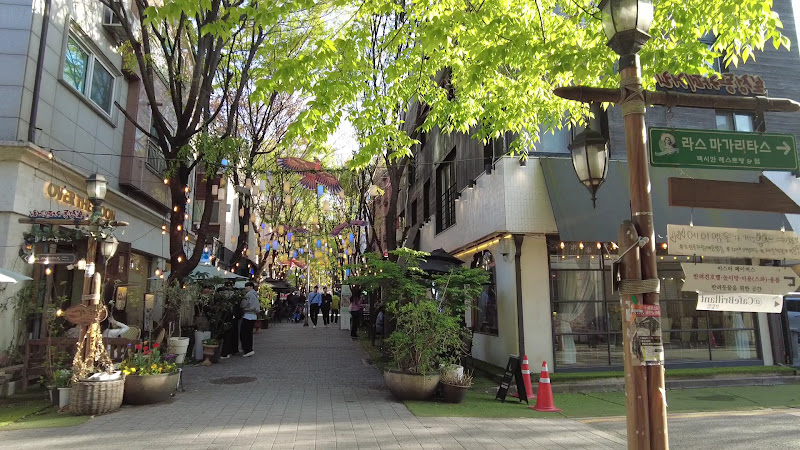
Bojeong-dong Cafe Street
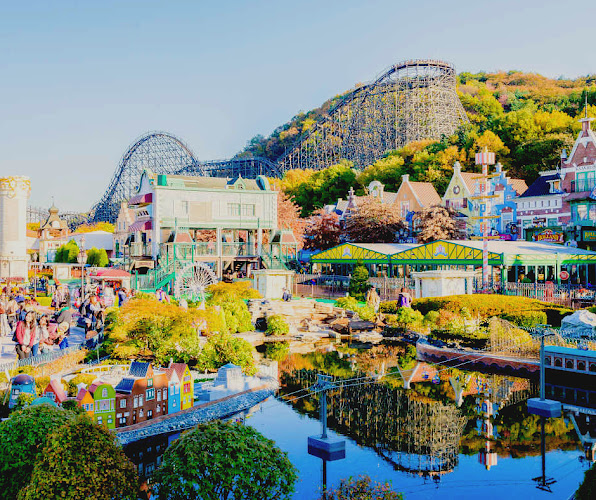
Everland
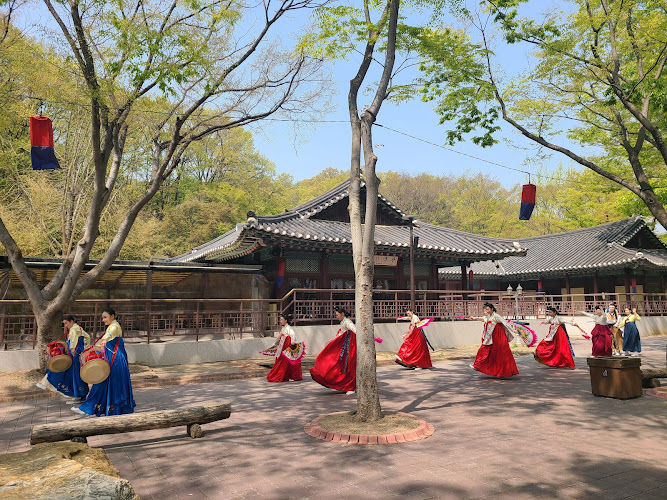
Korean Folk Village
Find Accommodations Nearby
Recommended Tours & Activities
Visitor Reviews
There are no reviews yet. Be the first one to write one.
Share Your Experience
Have you visited Gyeonggi Children’s Museum? Help other travelers by leaving a review.