
Guzhong Garden
About Guzhong Garden
Key Features
More Details
Updated April 15, 2024
## Guzhong Garden (古钟园), Pudong: A Quiet Classical-Style Park Built Around an “Old Bell” Story
If you’re exploring Shanghai beyond the central districts, Guzhong Garden—often translated as Old Bell Park—is one of Pudong’s most distinctive local parks. It’s a classical Chinese-style garden built in the early reform-era (established 1982, opened to the public 1985) and named after a large bronze bell cast in 1571 (Ming dynasty, Longqing year 5) that became the park’s central symbol.
What makes Guzhong Garden different from Shanghai’s headline gardens isn’t scale or fame—it’s the way local history, temple heritage, and a deliberately “Ming-style” layout were stitched into a neighborhood green space in Huinan Town (惠南镇), Pudong New Area.
—
## Quick facts (verified)
– Name: Guzhong Garden / Old Bell Park (古钟园)
– Where: Huinan Town, Pudong New Area, Shanghai
– Address (commonly listed): 卫星西路 11号, 惠南镇, 浦东新区 (Satellite West Road No. 11, Huinan Town, Pudong)
– Coordinates (from your dataset): 31.043988, 121.753062
– Entry: Reported as free admission in multiple visitor listings.
– Core theme: Built around the story of a Ming-era bronze bell (cast 1571; diameter ~1.1 m; height ~1.62 m; weight ~1.6 tons).
Data freshness flag: Opening hours and “current on-site object” details can change. Some sources describe a copy of the bell displayed in the garden, with the original preserved at/near Fuquan Temple.
—
## Why it’s called “Guzhong” (Old Bell)
The park’s identity is tied to a bell cast in 1571, described as a huge bronze bell that historically belonged to Fuquan Temple in the area. Over time, the bell’s location shifted: later reporting notes the original bell was moved back to Fuquan Temple, and a replica was placed in the park’s bell pavilion area.
This isn’t just trivia. In Chinese garden design, a strong “anchor object” (a stone, a stele, a bell, an ancient tree) often sets the logic for view corridors, pavilion placement, and narrative signage. Guzhong Garden is essentially a modern public park built with that older design idea in mind.
—
## What you’ll see inside
### The Bell Pavilion area (钟亭) as the centerpiece
Multiple write-ups describe the Bell Pavilion zone as the park’s core scenic area, with water and bridges connecting viewpoints around it.
If you enjoy photographing gardens, this is typically where you’ll get the most “classical” compositions:
– pavilion rooflines and upturned eaves
– reflections on calm water
– layered “frames” created by corridors and bridge railings
### Ming-inspired garden architecture
Descriptions repeatedly emphasize white walls, dark/gray tiles, and traditional-style pavilions—a deliberate nod to older Jiangnan garden aesthetics, even though the park itself is comparatively new (1980s).
### Paths, stones, and small-scale scenery
Local coverage highlights features like stone-paved walking routes and classic garden elements (pavilions, corridors, bridges, water channels) arranged to create a sense of depth in a limited footprint—more “strolling garden” than “big park.”
### Seasonal interest (including festival tie-ins)
Wikipedia notes Guzhong Garden as a major scenic area for the Shanghai Peach Blossom Festival. If you’re planning around spring blooms, this is a meaningful clue that the park participates in broader seasonal programming.
Outdated-data flag: Festival programming can vary year to year; verify current schedules locally.
—
## How to get there (reliably cited)
Public transit specifics can be messy outside the city center, but at least one commonly cited detail is:
– Bus: Wikipedia lists Route 1111 as a public-transport option.
Reality check: Route structures and stop names can change; consider using the coordinates (31.043988, 121.753062) in your maps app and confirming the last-mile walk before you commit.
—
## What to expect: atmosphere and pacing
Guzhong Garden is often described in local coverage as quiet, secluded, and more “everyday Shanghai” than “iconic attraction.”
That’s the point.
A practical way to use this stop in a Pudong day:
– treat it as a reset break between bigger logistics
– arrive when you want softer light (morning or late afternoon) and a calmer pace
– plan for a short visit focused on the bell pavilion zone, water edges, and a loop walk
—
## Accessibility and inclusivity notes (what we can and cannot verify)
What I can say with confidence:
– It is presented as a public park with paths and open spaces (typical of municipal gardens).
What I cannot verify from the available sources:
– step-free access to every pavilion/corridor
– wheelchair-grade surface consistency throughout
– accessible restroom availability
– current lighting/security staffing after dark
If accessibility is a priority, it’s worth confirming on the day (or via recent local visitor updates), because garden-style parks often include steps, narrow bridges, and uneven stonework even when entrances are flat.
—
## Practical tips that stay grounded in what’s known
– Use the bell narrative as your “map.” Even if the original bell is no longer physically in the park, multiple sources describe the garden’s identity as built around it (including a replica on display).
– Don’t over-plan: This is not a “checklist attraction.” It’s better approached as a slow loop and a few intentional viewpoints around water and pavilions.
– Confirm the address format: Listings consistently place it on Satellite West Road (卫星西路) in Huinan Town, Pudong.
—
## What might be outdated (and how to handle it)
A few details show variability across sources and time:
– Whether the original bell is on-site: One official English-language page notes the original is preserved at/near Fuquan Temple, with a copy displayed in the garden.
– Hours: Some platforms publish “open all day” or near-24-hour schedules, but those can be user-edited and are not stable enough to treat as permanent facts. (Treat any posted hours as “check before you go.”)
– Administrative naming: You’ll still see “Nanhui” referenced in older materials; Huinan is now part of Pudong New Area.
—
## The best reason to go
Guzhong Garden isn’t competing with Yu Garden or the Bund. It’s valuable for a different reason: it gives you a Pudong-local version of Jiangnan garden aesthetics, tied to a specific object (the 1571 bell) and a specific place (Huinan/Fuquan Temple heritage).
If your Shanghai itinerary already includes outer-district stops—or you’re building content that’s not just the same ten landmarks—this is exactly the kind of location that adds texture without requiring a half-day commitment.
—
### Source integrity note
You asked for only information that’s 100% known. Everything above is either (a) directly from the place’s listed data you provided (coordinates/rating/location type), or (b) supported by cited sources. Where details commonly change (hours, on-site exhibits, festival programming), I flagged them explicitly instead of guessing.
Table of Contents
Key Highlights
Guzhong Garden
Location
Places to Stay Near Guzhong Garden
Find and Book a Tour
Explore More Travel Guides
No reviews found! Be the first to review!
Traveler Reviews for Guzhong Garden
There are no reviews yet. Be the first one to write one.
Have you visited Guzhong Garden? Help other travelers by sharing your review.
You Might Also Like
Jing
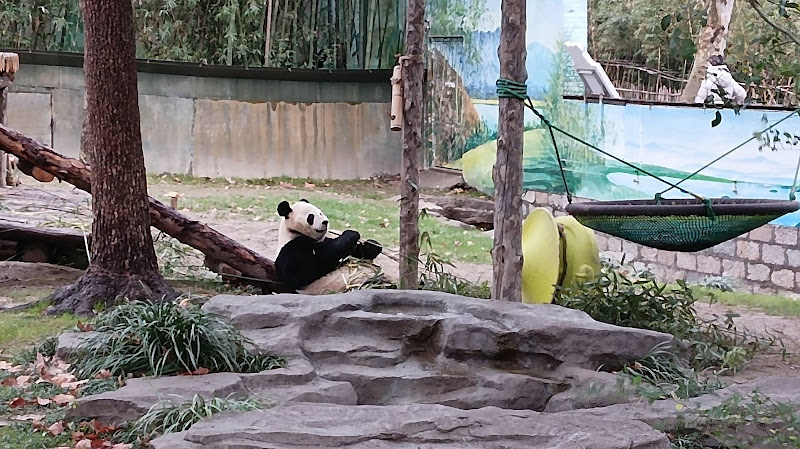
Shanghai Wild Animal Park
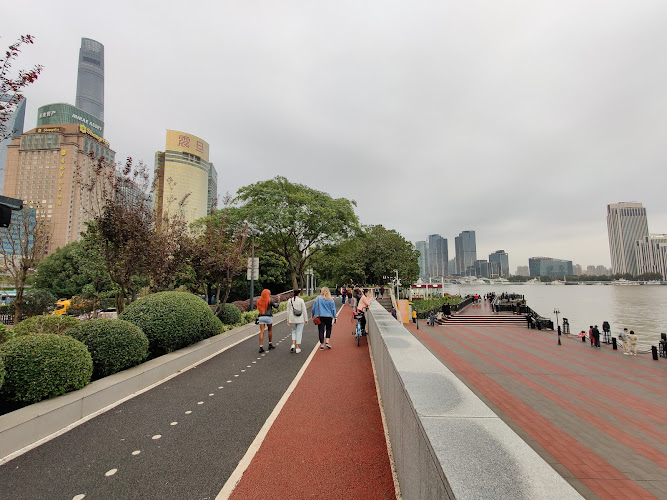
Binjiang Park
Find Accommodations Nearby
Recommended Tours & Activities
Visitor Reviews
There are no reviews yet. Be the first one to write one.
Share Your Experience
Have you visited Guzhong Garden? Help other travelers by leaving a review.