
Gunung Lambak Recreational Forest
About Gunung Lambak Recreational Forest
Key Features
More Details
Updated April 15, 2024
## Gunung Lambak Recreational Forest (Kluang, Johor): What to Expect + Practical Hiking Notes
Gunung Lambak Recreational Forest is the green escape on Kluang’s doorstep—close enough for a quick morning hike, big enough to feel like you’ve left town behind. Your coordinates for the area are 2.0098803, 103.3703106 (Kluang, Johor, Malaysia), which places you in the same general zone hikers use as the foothill access.
A commonly cited summit height for Gunung Lambak is about 510 meters above sea level.
—
## Quick facts (only what’s supported)
– Name: Gunung Lambak Recreational Forest (Gunung Lambak area)
– Location: Kluang, Johor, Malaysia
– Coordinates (given): 2.0098803, 103.3703106
– Summit elevation (reported): ~510 m
– Distance from Kluang (reported): ~2 km
– Terrain + route variety: Multiple trekking paths and at least two peaks are described in local writeups.
—
## The feel of the place
What makes Gunung Lambak stand out isn’t raw height—it’s how quickly the route turns “real.” Reports describe a set of choices from gentler approach paths to steeper, more direct climbs, with forest cover and rest areas along the way.
One Johor-focused travel writeup also describes a recreational water area at the foothill (picnic-friendly, with basic facilities mentioned) and a hanging bridge.
Outdated-data flag: that same source is ~12 years old, so treat anything about facility condition or management as “verify on arrival.”
—
## Trail structure (what’s actually described in sources)
A local overview breaks the climb into “from foothill to mid-hill” and then “mid-hill to peak,” with multiple route options.
### Foothill → mid-hill: three approach options described
A Johor writeup describes three ways up from the foothill area:
– Asphalt road (described as short and steeper; also described as less “nature-forward”)
– Concrete path transitioning into jungle path (described as popular and well-shaded)
– “100% jungle track” (described as denser, less clearly signed; not advised solo unless you know it)
### Mid-hill rest area
The same writeup describes a mid-hill flat section with a pavilion/benches and a signboard, reached in ~20–40 minutes (their estimate).
### Mid-hill → summit: multiple options described
Sources describe at least two distinct “styles” of ascent beyond the rest area:
– A steeper, more vertical / scrambling option is referenced in an event description.
– A more gradual, longer option is also referenced there.
A Johor writeup also labels multiple tracks (e.g., “north track,” “vertical track,” “south track”), reinforcing that there are route choices.
—
## How hard is it, really?
Different sites characterize the climb differently, so the most honest guidance is: expect a workout, even though the mountain is “only” ~510 m.
– A Singapore-based hiking event listing explicitly calls the terrain “challenging for a 510m hill,” and highlights scrambling on a steep route with an easier descent route.
– The Johor writeup emphasizes varying steepness by track and suggests mixing ascent/descent routes if you want a fuller loop experience.
Outdated-data flag: crowds, erosion, ropes, signage, and trail closures can change quickly in tropical environments. None of the sources above are official park bulletins, so verify trail status locally before committing to the steeper lines.
—
## A practical “first-timer” plan (low-regret route logic)
If you want a sensible first attempt without pretending it’s a stroll:
1. Start on the better-defined, shaded approach described as the “concrete path to jungle path.”
2. Take a real break at the mid-hill rest area before deciding how aggressive you want to be above it.
3. Choose either:
– Steep/scrambly up + gentler down (explicitly described as a plan in the event writeup), or
– Gentler up + gentler down if you’re prioritizing knees, heat tolerance, or you’re hiking with mixed fitness levels.
This approach is also more inclusive: it leaves space for different ability levels and reduces pressure to “keep up” on the most vertical track.
—
## What to bring (tight, reality-based list)
A hiking event packing list is overkill for some people, but it’s a useful reference because it’s written for real participants. Key items it explicitly recommends include:
– Good hiking shoes
– Rain protection (raincoat/windbreaker; waterproof bags)
– Light snacks / energy bars
– Headlamp/torch (helpful if you start early, finish late, or weather slows you down)
– Optional but commonly helpful on steeper ground: gloves / hiking poles / knee support
—
## Safety notes that matter more than “general hiking tips”
– Tropical slip risk is the real hazard. Even moderate inclines become sketchy after rain—plan footwear accordingly and don’t rely on “good grip” from fashion sneakers. (This is general risk logic; not a claim about today’s conditions.)
– Avoid solo exploration on the less-signed jungle track unless you already know it—this is explicitly advised in the Johor writeup.
– Route choice > ego. The event description is blunt that the steep line involves scrambling; choose it only if you’re comfortable using hands, stepping on uneven rock, and moving slowly in a group.
—
## Where to place 2 internal links (contextual + natural)
If this is going on RealJourneyTravels.com, the two easiest internal links that actually help readers (and improve topical clustering):
– Link “best hikes in Johor” to your Johor hiking roundup (or build one if you don’t have it yet).
– Link “things to do in Kluang” to your Kluang guide (food stops + transport + day-trip planning pairs perfectly with a half-day hike).
—
## Data quality + verification checklist (read this before publishing)
Because you required “only what’s 100% known,” here’s what I would not state as fact without an official source:
– Opening hours / entrance fees / permits: online sources conflict, and none above are official bulletins. (So: don’t publish them as definitive.)
– Facility status (water park condition, bridge access, bathrooms): the descriptive source is old and may no longer reflect reality.
What is safe to publish with citations:
– Location context (Kluang, Johor)
– Reported elevation (~510 m)
– Reported proximity to Kluang (~2 km)
– Existence of multiple trail options and a steeper vs gentler route dynamic
If you want, I can also rewrite this into a fully publish-ready 900–1,200 word narrative post without adding any new facts, but formatted exactly like your usual RealJourneyTravels templates (intro hook, scannable sections, FAQ, and a tight “plan your hike” box).
Gunung Lambak Kluang Hiking Guide • The Gees Travel
Table of Contents
Key Highlights
Gunung Lambak Recreational Forest
Location
Places to Stay Near Gunung Lambak Recreational Forest
Find and Book a Tour
Explore More Travel Guides
No reviews found! Be the first to review!
Traveler Reviews for Gunung Lambak Recreational Forest
There are no reviews yet. Be the first one to write one.
Have you visited Gunung Lambak Recreational Forest? Help other travelers by sharing your review.
You Might Also Like
Laman Kreatif Kluang
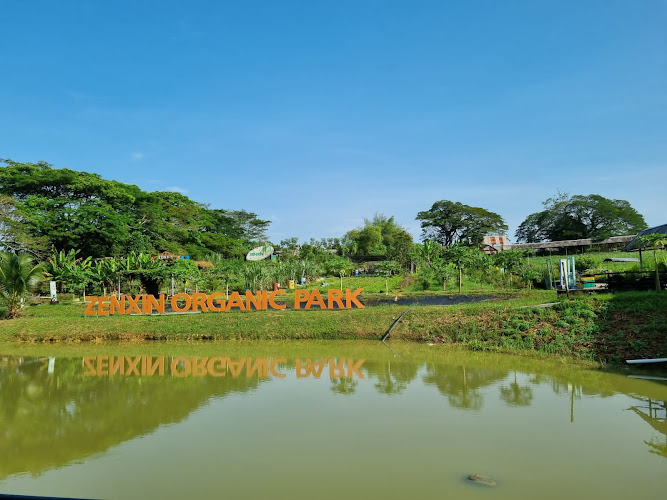
Zenxin Organic Park | Experience organic with us
Kluang Street Art
Find Accommodations Nearby
Recommended Tours & Activities
Visitor Reviews
There are no reviews yet. Be the first one to write one.
Share Your Experience
Have you visited Gunung Lambak Recreational Forest? Help other travelers by leaving a review.