
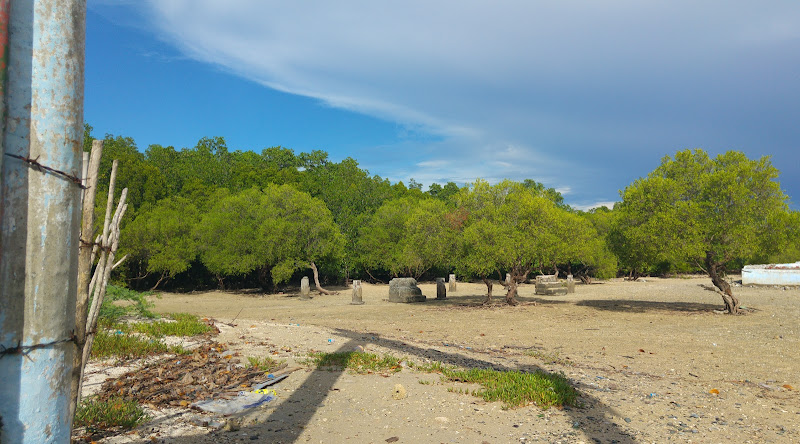
Guang-guang Mangrove Park and Nursery
About Guang-guang Mangrove Park and Nursery
Description
Guang-guang Mangrove Park and Nursery in Mati, Davao Oriental is one of those places that quietly earns your respect the moment you step in. It’s not flashy, not loud—just a calm, living sanctuary where mangroves stretch their roots deep into the earth and the salty breeze carries a faint scent of the sea. This is part of a protected area along Pujada Bay, and it’s more than just a pretty spot to take photos. It’s a working nursery, a conservation site, and a living classroom all rolled into one.
Walking along the wooden boardwalk, you’ll hear the creak of the planks under your feet, the occasional rustle of leaves, and maybe the splash of a fish darting away. The mangroves here are home to 18 rare and endangered species—something you don’t see every day in the Philippines. And while it’s undeniably beautiful, there’s also a sense of purpose to the place. The local community, with support from the DENR, manages the park, ensuring that it’s not just preserved for tourists but restored for future generations.
It’s peaceful, but not boring. Kids can wander safely along the paths, spotting crabs scuttling in the mud or small birds perched on twisted branches. And for adults, there’s something grounding about being surrounded by so much life that thrives quietly without fanfare. Sure, it’s not a theme park—there’s no loud music or food stalls at every corner—but that’s exactly its charm. It’s for people who want to slow down, breathe, and remember that nature doesn’t need embellishment to impress.
Key Features
- 200-hectare protected mangrove forest within Pujada Bay
- Home to 18 rare and endangered mangrove species
- Boardwalk and viewing deck for easy exploration
- Managed by the local community with DENR support
- Educational and scientific focus, with guided tours available
- Peaceful, smoke-free environment
- Limited daily capacity for a more intimate experience
Best Time to Visit
If you ask me, mornings are the sweet spot here. The light is softer, the air is cooler, and the tide is often just right for spotting marine life among the roots. The park is open from 8:00 AM to 5:00 PM, except Mondays, so you’ve got a decent window to explore. Avoid the midday heat if you can—it’s not unbearable, but the sun can be intense, and shade is mostly from the mangroves themselves.
Dry season, usually from December to May, makes for easier walking and clearer skies. But if you don’t mind a bit of drizzle, visiting during the rainy months can be magical—the mangroves look lusher, and the air feels fresher. Just keep in mind that the boardwalk can get slippery after rain, so wear shoes with good grip.
How to Get There
From downtown Mati, getting to Guang-guang Mangrove Park is surprisingly straightforward. It’s about a 25–30 minute ride to Barangay Dahican, and you can hop on a tricycle or hire a single motorcycle (locals call them habal-habal) if you’re traveling light. If you’re coming from Davao City, you’ll need to take a bus or van to Mati first, then transfer to local transport.
Public transportation is available, but if you’re the type who likes to take your time, renting a private vehicle gives you the freedom to stop along the way—there are some great coastal views worth pulling over for. And don’t be surprised if your driver knows someone at the park; this is a small, close-knit community, and everyone seems to have a connection.
Tips for Visiting
First off, bring water. There aren’t convenience stores inside, and while the walk isn’t strenuous, the tropical heat can sneak up on you. Wear light, breathable clothing, but also consider long sleeves if you’re sensitive to the sun. A hat and sunscreen are your friends here.
Since the park limits visitors to 50 people at a time, it’s smart to arrive early—especially on weekends or holidays. You’ll need to be accompanied by an accredited community tour guide, which honestly makes the experience richer. They’ll point out things you’d probably miss on your own, like tiny mangrove seedlings or the way certain species adapt to changing tides.
Respect the rules. This is a conservation site first and a tourist attraction second, so don’t litter, don’t pick plants, and definitely don’t wander off the boardwalk. And if you’ve got kids with you, let them explore but keep them within sight—there’s a lot to see, but also a lot of delicate life here that needs protecting.
Lastly, take your time. Don’t just rush through for a few quick photos. Stand still for a minute or two and really listen—there’s a whole world of sound in the mangroves, from the clicking of crabs to the distant call of seabirds. It’s the kind of place that rewards patience, and you might just leave feeling lighter than when you arrived.
Key Features
- 200-hectare protected mangrove forest within Pujada Bay
- Home to 18 rare and endangered mangrove species
- Boardwalk and viewing deck for easy exploration
- Managed by the local community with DENR support
- Educational and scientific focus, with guided tours available
- Peaceful, smoke-free environment
- Limited daily capacity for a more intimate experience
More Details
Updated August 10, 2025
Table of Contents
- Description
- Key Features
- Best Time to Visit
- How to Get There
- Tips for Visiting
- Key Highlights
- Location
- Places to Stay Near Guang-guang Mangrove Park and Nursery
- Find and Book a Tour
- Explore More Travel Guides
- Nearby Places You Might Like
- Traveler Reviews for Guang-guang Mangrove Park and Nursery
- Share Your Experience
Description
Guang-guang Mangrove Park and Nursery in Mati, Davao Oriental is one of those places that quietly earns your respect the moment you step in. It’s not flashy, not loud—just a calm, living sanctuary where mangroves stretch their roots deep into the earth and the salty breeze carries a faint scent of the sea. This is part of a protected area along Pujada Bay, and it’s more than just a pretty spot to take photos. It’s a working nursery, a conservation site, and a living classroom all rolled into one.
Walking along the wooden boardwalk, you’ll hear the creak of the planks under your feet, the occasional rustle of leaves, and maybe the splash of a fish darting away. The mangroves here are home to 18 rare and endangered species—something you don’t see every day in the Philippines. And while it’s undeniably beautiful, there’s also a sense of purpose to the place. The local community, with support from the DENR, manages the park, ensuring that it’s not just preserved for tourists but restored for future generations.
It’s peaceful, but not boring. Kids can wander safely along the paths, spotting crabs scuttling in the mud or small birds perched on twisted branches. And for adults, there’s something grounding about being surrounded by so much life that thrives quietly without fanfare. Sure, it’s not a theme park—there’s no loud music or food stalls at every corner—but that’s exactly its charm. It’s for people who want to slow down, breathe, and remember that nature doesn’t need embellishment to impress.
Key Features
- 200-hectare protected mangrove forest within Pujada Bay
- Home to 18 rare and endangered mangrove species
- Boardwalk and viewing deck for easy exploration
- Managed by the local community with DENR support
- Educational and scientific focus, with guided tours available
- Peaceful, smoke-free environment
- Limited daily capacity for a more intimate experience
Best Time to Visit
If you ask me, mornings are the sweet spot here. The light is softer, the air is cooler, and the tide is often just right for spotting marine life among the roots. The park is open from 8:00 AM to 5:00 PM, except Mondays, so you’ve got a decent window to explore. Avoid the midday heat if you can—it’s not unbearable, but the sun can be intense, and shade is mostly from the mangroves themselves.
Dry season, usually from December to May, makes for easier walking and clearer skies. But if you don’t mind a bit of drizzle, visiting during the rainy months can be magical—the mangroves look lusher, and the air feels fresher. Just keep in mind that the boardwalk can get slippery after rain, so wear shoes with good grip.
How to Get There
From downtown Mati, getting to Guang-guang Mangrove Park is surprisingly straightforward. It’s about a 25–30 minute ride to Barangay Dahican, and you can hop on a tricycle or hire a single motorcycle (locals call them habal-habal) if you’re traveling light. If you’re coming from Davao City, you’ll need to take a bus or van to Mati first, then transfer to local transport.
Public transportation is available, but if you’re the type who likes to take your time, renting a private vehicle gives you the freedom to stop along the way—there are some great coastal views worth pulling over for. And don’t be surprised if your driver knows someone at the park; this is a small, close-knit community, and everyone seems to have a connection.
Tips for Visiting
First off, bring water. There aren’t convenience stores inside, and while the walk isn’t strenuous, the tropical heat can sneak up on you. Wear light, breathable clothing, but also consider long sleeves if you’re sensitive to the sun. A hat and sunscreen are your friends here.
Since the park limits visitors to 50 people at a time, it’s smart to arrive early—especially on weekends or holidays. You’ll need to be accompanied by an accredited community tour guide, which honestly makes the experience richer. They’ll point out things you’d probably miss on your own, like tiny mangrove seedlings or the way certain species adapt to changing tides.
Respect the rules. This is a conservation site first and a tourist attraction second, so don’t litter, don’t pick plants, and definitely don’t wander off the boardwalk. And if you’ve got kids with you, let them explore but keep them within sight—there’s a lot to see, but also a lot of delicate life here that needs protecting.
Lastly, take your time. Don’t just rush through for a few quick photos. Stand still for a minute or two and really listen—there’s a whole world of sound in the mangroves, from the clicking of crabs to the distant call of seabirds. It’s the kind of place that rewards patience, and you might just leave feeling lighter than when you arrived.
Key Highlights
- 200-hectare protected mangrove forest within Pujada Bay
- Home to 18 rare and endangered mangrove species
- Boardwalk and viewing deck for easy exploration
- Managed by the local community with DENR support
- Educational and scientific focus, with guided tours available
- Peaceful, smoke-free environment
- Limited daily capacity for a more intimate experience
Location
Places to Stay Near Guang-guang Mangrove Park and Nursery
Find and Book a Tour
Explore More Travel Guides
No reviews found! Be the first to review!
Traveler Reviews for Guang-guang Mangrove Park and Nursery
There are no reviews yet. Be the first one to write one.
Have you visited Guang-guang Mangrove Park and Nursery? Help other travelers by sharing your review.
You Might Also Like
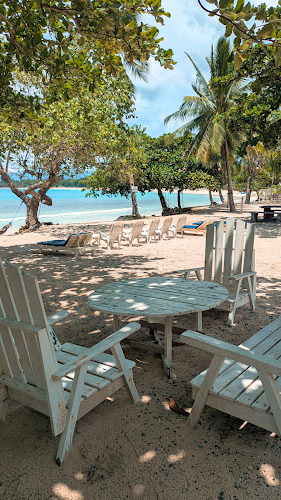
Tropical Kanakbai, Dahican Beach
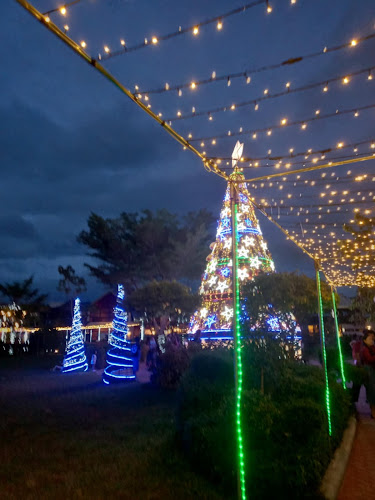
Mati city baywalk
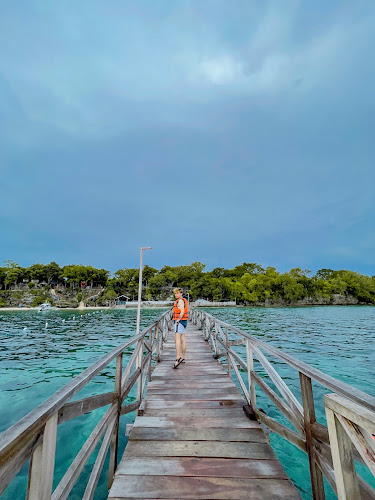
Aniloc Beach Resort
Find Accommodations Nearby
Recommended Tours & Activities
Visitor Reviews
There are no reviews yet. Be the first one to write one.
Share Your Experience
Have you visited Guang-guang Mangrove Park and Nursery? Help other travelers by leaving a review.